The Role of Aluminium Recycling in the Circular Economy


Aluminium recycling keeps valuable metal in use. It cuts energy demand, saves raw materials, and supports a circular economy.
What Is the Circular Economy?
The circular economy is a model that cuts waste and uses resources better. It aims to keep products, parts, and materials in use through reuse, repair, remaking, and recycling.
In a linear economy, raw materials are taken, turned into products, used, and then thrown away. This raises waste and puts pressure on natural resources. A circular model tries to keep materials in use for the long term and recover their value when products reach the end of their first use.
Aluminium is well suited to this approach because it can be recycled again and again while keeping key traits like lightness, conductance, formability, and strength. This makes recovered aluminium a useful secondary raw material.
How Aluminium Recycling Supports the Circular Economy
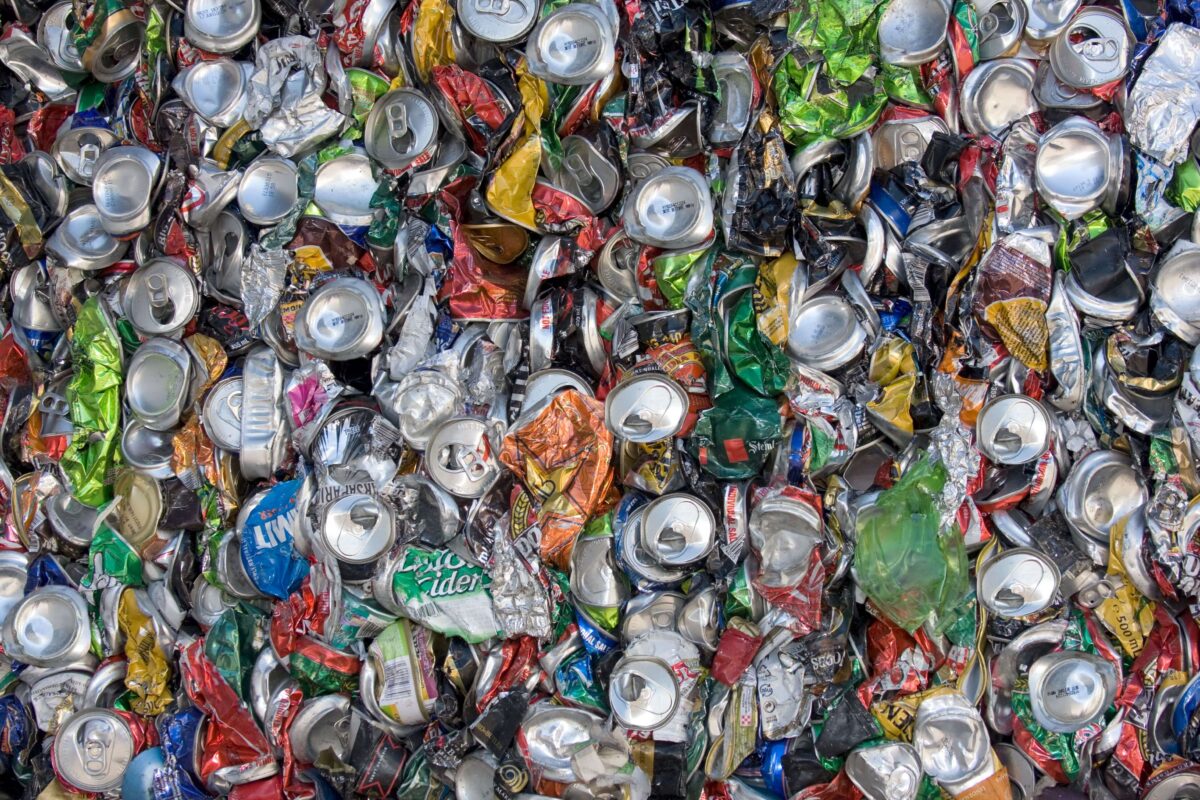
Aluminium recycling helps close the material loop by returning discarded metal to production. Scrap can come from manufacturing, construction, vehicles, packaging, electrical equipment, and other products. Once collected, aluminium can be sorted, prepared, melted, and turned into new products.
This reduces reliance on new raw materials. Primary aluminium production starts with bauxite mining and uses energy-heavy refining and smelting. Aluminium recycling starts with metal that is already in the economy.
The International Aluminium Institute reports that recycling aluminium can need around 95% less energy than making primary aluminium. This large gap makes recycling an important part of resource-efficient production.
By recovering aluminium instead of treating it as waste, businesses can help keep a steady flow of material between collection, processing, and manufacturing. This is a key part of the circular economy.
Reducing Energy Use and Emissions
A major benefit of aluminium recycling is lower energy demand. Primary aluminium production needs a lot of energy because alumina must first be refined from bauxite, then turned into aluminium with current.
Recycling avoids much of this first production step. Aluminium scrap still needs to be collected, sorted, prepared, and melted, but these tasks usually use much less energy than making aluminium from ore.
The International Aluminium Institute says recycled aluminium production can use about 5% of the energy needed for primary aluminium production. Recycling can also cut greenhouse gas emissions, although the exact gain depends on factors such as scrap quality, transport distance, process efficiency, and the power mix used.
Keeping existing aluminium in use can therefore cut the energy and emissions tied to making new metal from primary resources.
Conserving Natural Resources
Aluminium recycling reduces the need to rely fully on virgin raw materials. Bauxite is the main ore used to make primary aluminium, so recovering more aluminium scrap can help reduce demand for more extraction.
Resource conservation is a key part of circular economy thinking. The goal is not just to manage waste after it is created. It is also to reduce the need for new resources by recovering materials already found in products and infrastructure.
This builds a more efficient link between production and use. Instead of treating an old aluminium product as the end of its useful life, recycling gives the material a chance to enter another production cycle.
Supporting Secondary Raw Materials
Recycled aluminium is known as secondary aluminium because it is made from recovered metal rather than directly from primary raw materials. It can be used in many applications depending on its quality, alloy mix, and process route.
High-quality scrap is especially valuable because clean and well-sorted material can help recyclers make feedstock for demanding uses. Impurities and mixing between different alloys can make recycling harder and may affect the final use of recovered aluminium.
This means a circular economy depends on more than just collecting aluminium. Good sorting, identification, and processing are needed to keep material quality high and reduce needless lower-value recycling.
Businesses can support this process by separating aluminium waste from other materials where practical and using suitable recycling routes. Better segregation can improve recovery and help recyclers keep more of the metal’s value.
Businesses looking to improve their waste management can also explore appropriate aluminium recycling services to ensure scrap is collected and sent to the right recovery route.
The Role of Businesses in Aluminium Recycling
Businesses generate aluminium waste across many sectors. Manufacturing operations can produce production offcuts, machining waste, and fabrication scrap. Construction and demolition projects can generate aluminium frames, fittings, and other metal parts. Retail, hotels, and commercial operations can also produce aluminium packaging and containers.
Managing these materials well can support waste reduction and resource recovery. Businesses can identify where aluminium enters their operations, review the waste streams they create, and set up suitable collection plans.
Good waste management can also stop recyclable metal from becoming polluted. Keeping aluminium separate from unsuitable waste can make later sorting and processing more efficient.
For organisations that produce large amounts of aluminium scrap, working with a specialist recycling provider can help make sure materials are collected, processed, and sent to the right recycling plants.
Aluminium Recycling and the UK Circular Economy
The UK has an important role in building stronger circular material systems. Effective recycling depends on collection systems, good sorting and processing capacity, steady demand for recycled materials, and cooperation between waste producers, recyclers, and manufacturers.
The wider circular economy approach also motivates designers to consider future recovery when designing products. Materials that can be separated, identified, and recycled well are easier to keep in productive use.
Recycling is only one part of circularity. Longer product lives, repair, reuse, and better product design can cut waste before recycling is needed. When aluminium products truly reach the end of their useful life, high-quality recycling gives a route to recover their material value.
Challenges Affecting Aluminium Recycling
Aluminium recycling offers major resource benefits, but the process can face challenges. Aluminium products may contain different alloys, coatings, paints, plastics, and other materials, which makes separation more complex.
Alloy mixing is another issue. Different aluminium alloys contain different elements, and accurate separation can be important when manufacturers need a set material chemistry. Research projects such as the European Union’s RecAL initiative are exploring ways to improve aluminium circularity, including better alloy management and recycling processes.
Collection is also important. If aluminium waste enters mixed waste streams, the material can become harder or more costly to recover. Transport and processing costs can also affect whether a waste stream is fit for recycling.
These challenges show why a successful circular economy needs cooperation across the whole value chain, not just recycling plants.
Improving the Aluminium Recycling Process
Improving aluminium recycling starts with better collection and sorting. Clean scrap should be kept separate where possible, while mixed materials should go through suitable recovery systems.
Technology can also improve sorting and material quality. Modern recycling operations can use mechanical separation, sensor-based sorting, and controlled melting processes to recover aluminium from more complex waste streams.
Manufacturers can help by planning for recycling during product design. Cutting unnecessary material mixes, improving material ID, and making parts easier to separate can support recovery at the end of a product’s life.
The long-term aim is to build a system where aluminium stays useful as long as possible and is recovered well when a product can no longer be reused.
Why Aluminium Recycling Matters for a Circular Future
The role of aluminium recycling in the circular economy goes beyond waste management. It links resource efficiency, manufacturing, energy use, and material recovery.
Aluminium has a long service life and can be recycled again and again. The International Aluminium Institute estimates that 75% of all aluminium ever made remains in productive use, which shows the long-term value of keeping the metal in the economy.
Recycling helps build a loop in which aluminium can move from products to scrap, from scrap to recycled metal, and from recycled metal into new products. Each successful cycle lowers the need to treat valuable material as disposable.
For businesses, this approach can support more responsible resource management. Separating aluminium waste, choosing suitable recycling routes, and working with reliable recycling partners can help organisations recover material value while cutting waste.
Aluminium recycling is an important part of the circular economy because it keeps valuable metal in productive use and lowers the need for repeated primary production. Its ability to be recycled while keeping its key traits makes aluminium well suited to circular systems.
The biggest benefits come when collection, sorting, processing, product design, and manufacturing work together. Better recovery can conserve raw materials, lower energy demand, and support a stronger market for secondary aluminium.
As businesses and industries look for practical ways to cut waste and use resources more efficiently, aluminium recycling offers a practical route toward a more circular material economy.