Aluminium waste remains valuable because it is a recyclable material that can be recovered and used again. Businesses create aluminium waste in manufacturing, construction, engineering, maintenance, and other industrial work. Rather than sending useful metal to disposal, businesses can recover aluminium scrap through recycling aluminium and return it to the manufacturing cycle.
Aluminium waste has value because it can be recovered, recycled, and reused as recycled metal.
Why Is Aluminium Waste Valuable After Use?
Aluminium is widely used because it is light, strong, resists corrosion, and is easy to shape. When an aluminium product reaches the end of its useful life, the metal itself can still have value.
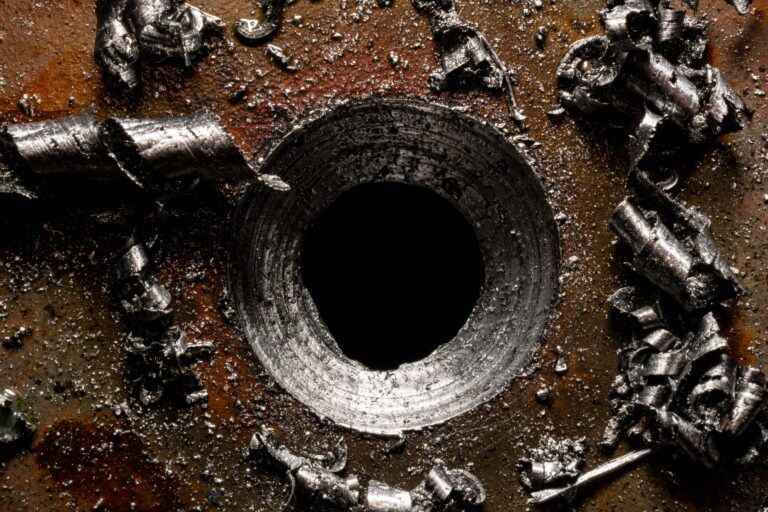
Aluminium waste can include sheets, profiles, castings, machining swarf, parts, and manufacturing offcuts. The value of each waste stream can depend on its grade, cleanliness, quantity, and level of dirt.
Keeping different aluminium waste streams separate can make recovery easier. Clean, well-sorted aluminium scrap is usually a better fit for efficient recycling because less preparation is needed before processing.
How Recycling Aluminium Recovers Value
The aluminium recycling process usually starts with collection and sorting. They separate aluminum from other materials before preparing it for processing. Depending on the waste stream, unwanted materials and dirt may need to be removed.
We can process and melt the prepared scrap to produce recycled metal. This material can be used to make new aluminium products, helping keep useful resources in use.
Recycling aluminium can also cut demand for primary aluminium production. Making aluminium from recycled material can need less energy than making primary aluminium from raw materials.
Aluminium Waste and Environmental Benefits
Recovering aluminium can support better resource use and help cut waste sent for disposal. Recycling can also lower energy demand and related gas emissions compared with primary metal production.
Cutting CO2 emissions is another important point, since the environmental benefits depend on the recycling method, energy source, material quality, and other stages of the supply chain.
The international aluminium industry relies on both primary and recycled material to meet demand. Increasing the recovery of suitable aluminium waste can therefore support a more circular way to use materials.
Which aluminium waste can we recycle?
Many commercial aluminium waste streams can be a good fit for recycling. These may include aluminium sheets, profiles, extrusions, castings, machining waste, parts, and manufacturing offcuts.
Businesses should identify aluminium waste where it is created and keep suitable materials separate from mixed waste. Good separation can help protect material quality and make the recycling process more efficient.
Why Businesses Should Recycle Aluminium Waste
Recycling aluminium lets businesses recover a material that still has practical and commercial value after its first use. It can reduce disposal, support resource efficiency, and return recovered metal to manufacturing.
For businesses that produce regular aluminium waste, working with a suitable recycling service can provide a clear way to collect, sort, and process these materials.