What Types of Titanium Scrap Can Businesses Recycle?

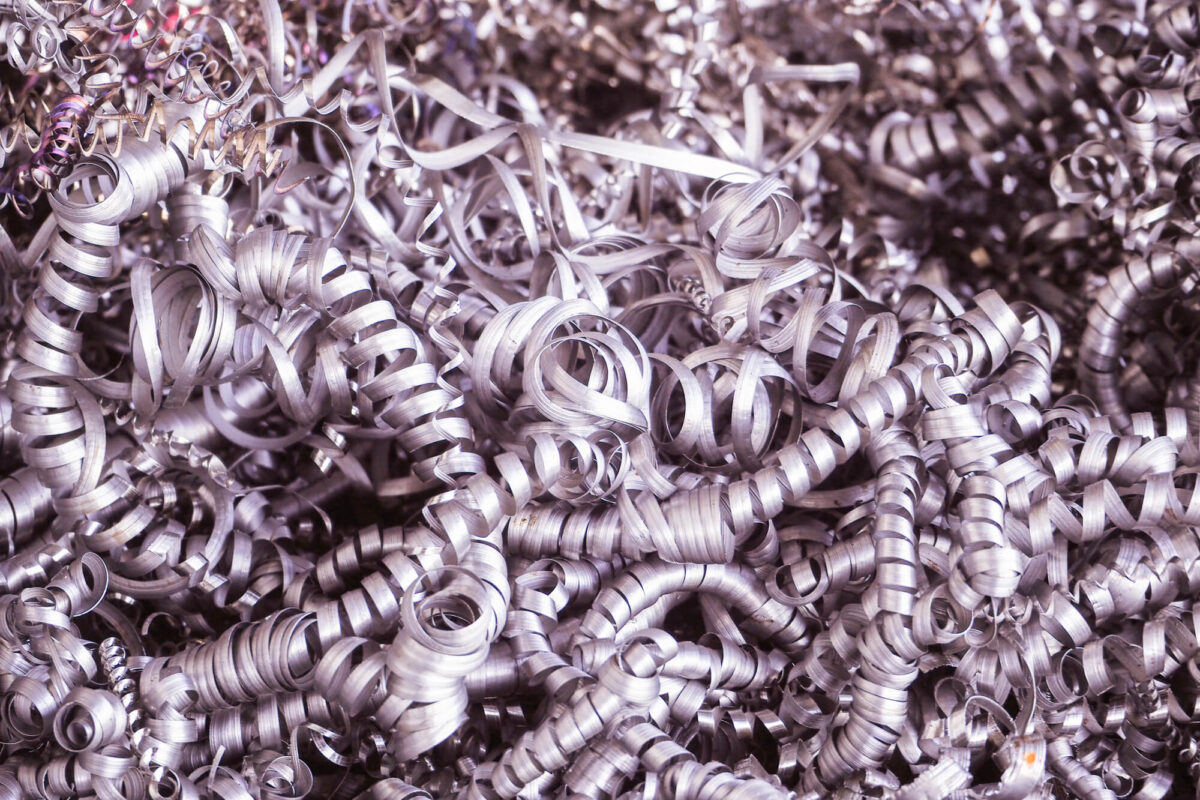
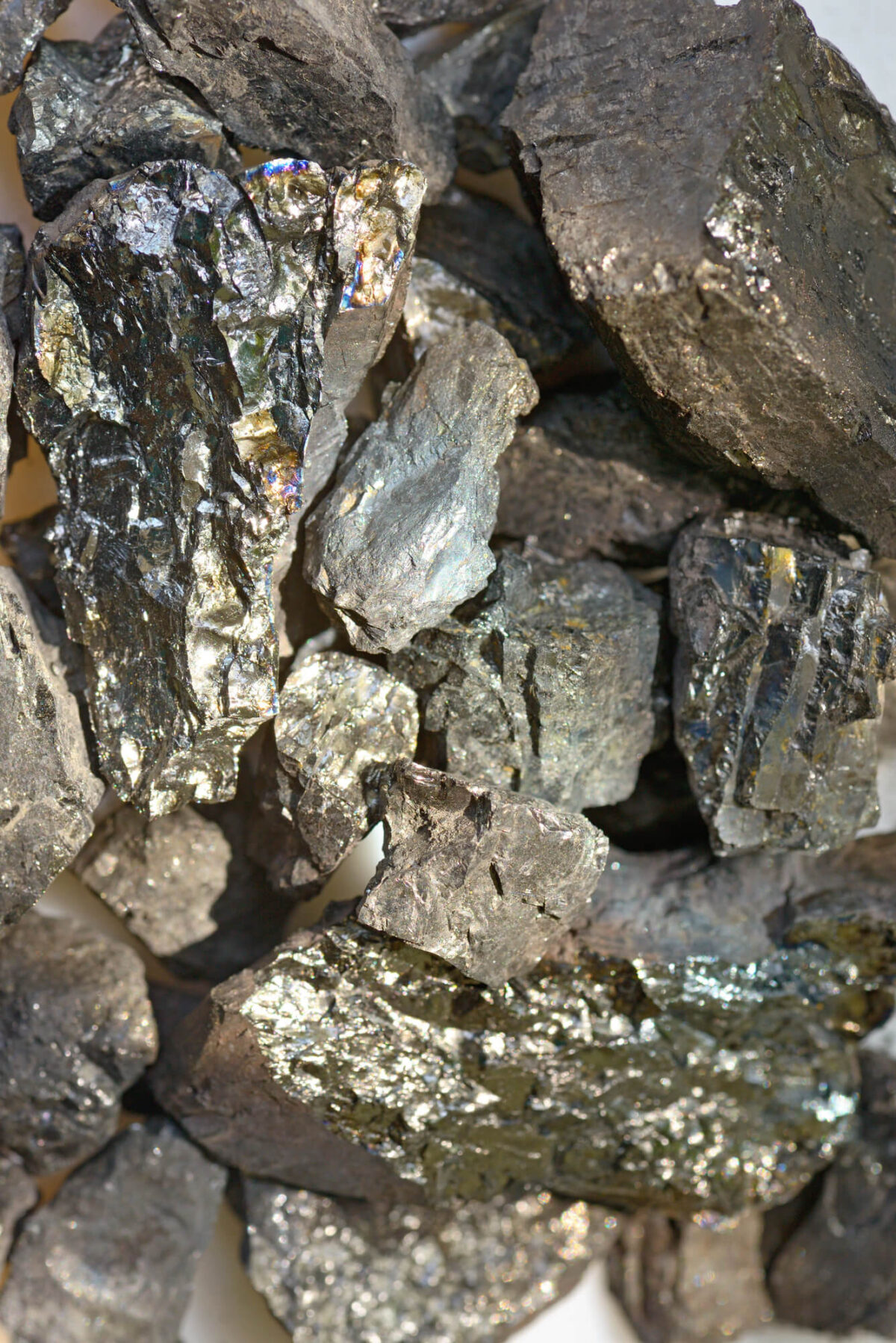
Businesses can recycle titanium offcuts, swarf, turnings, tubes, bars, and rejected components through suitable metal recycling services.
What Types of Titanium Scrap Can Businesses Recycle?
What types of titanium scrap can businesses recycle? Many manufacturers produce titanium waste during machining, fabrication, component production, and equipment replacement. These materials can often be recovered instead of being sent for disposal.
Titanium is valued for its strength, low weight, and corrosion resistance. These properties make it useful in aerospace, engineering, manufacturing and medical devices. However, different titanium materials require appropriate identification and sorting before recycling.
Businesses that understand their scrap types can improve waste management, recover valuable resources, and support a more sustainable circular economy.
- Titanium Machining Swarf and Turnings
Titanium machining swarf and turnings are produced during milling, drilling, cutting, and turning operations. Engineering workshops and manufacturers commonly generate these materials when shaping components to precise dimensions.
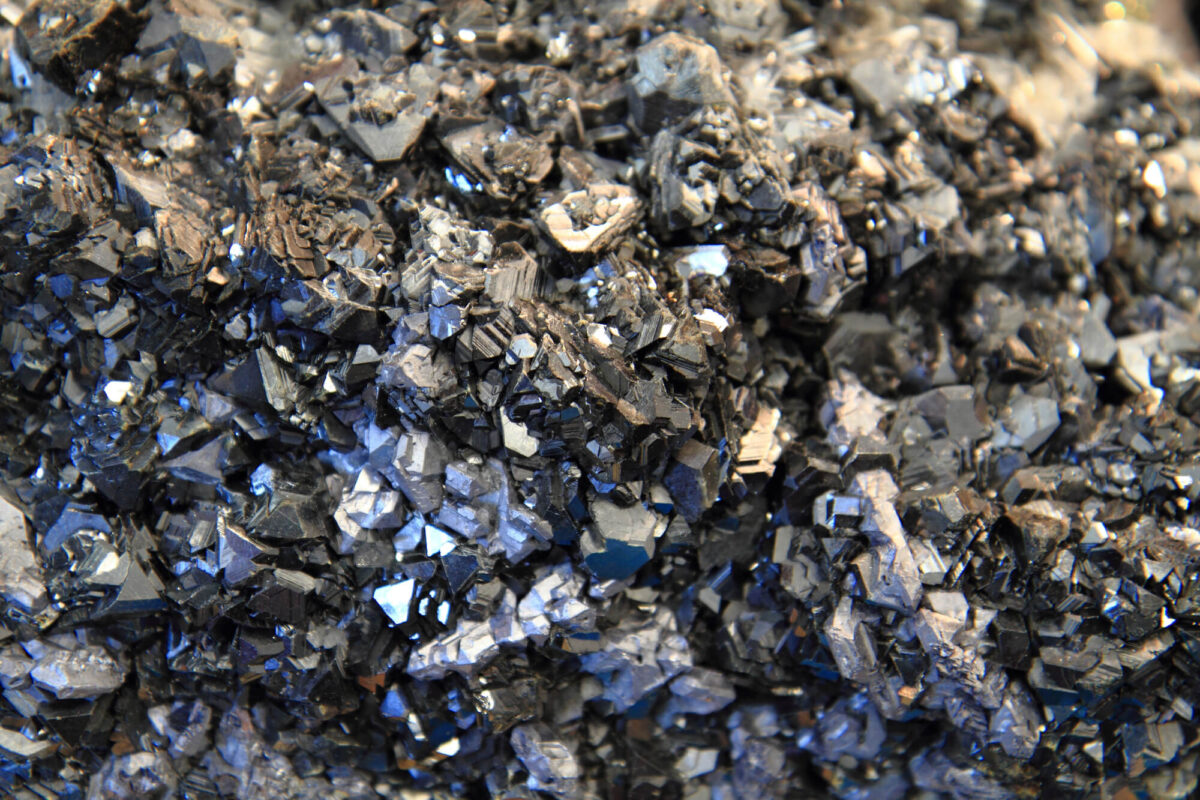
Although small, these metal fragments can be suitable for recycling titanium scrap. However, they may contain cutting fluids, oils or other contaminants that affect handling and processing.
Businesses should separate titanium swarf from other metals and identify different grades where possible. Fine or contaminated residues may require specific storage and handling procedures because certain metal fines can present fire risks.
A specialist recycling service can advise on suitable preparation and collection arrangements.
- Titanium Offcuts and Sheet Metal
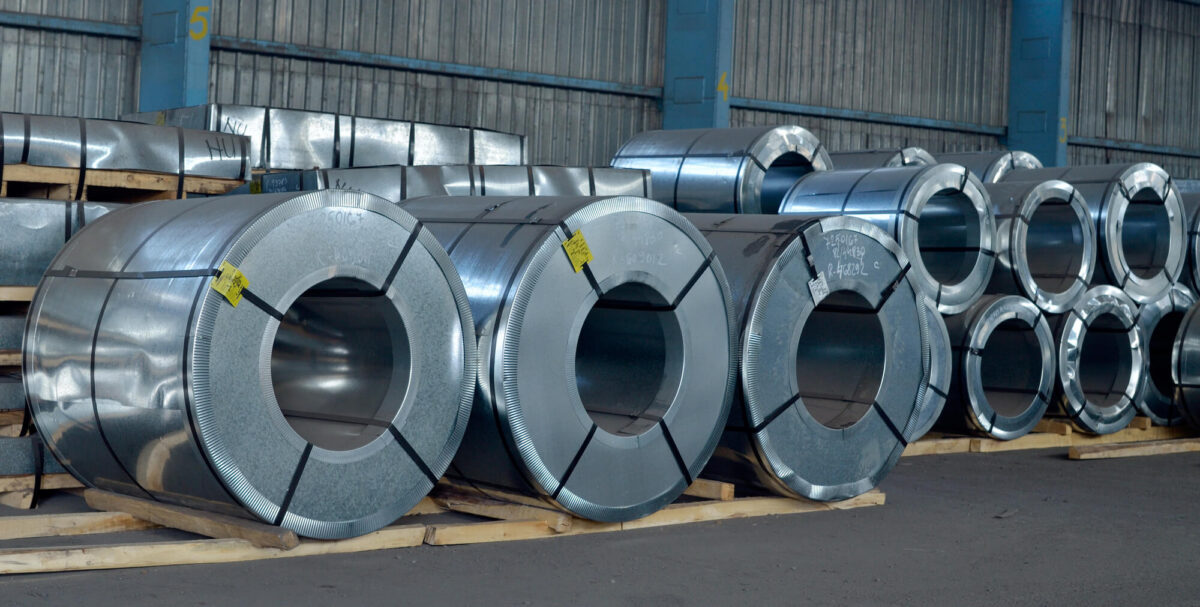
Titanium offcuts are leftover pieces created when sheets, plates and strips are cut to size. Fabrication companies may produce these materials while manufacturing parts for industrial applications.
Clean offcuts can be valuable because their composition may be easier to identify than mixed or contaminated scrap. Larger pieces are also generally straightforward to store and sort.
Businesses should keep titanium separate from stainless steel, aluminium and other metals. Labelling containers with the known grade helps prevent contamination and supports more efficient recovery.
Rather than allowing unused offcuts to accumulate, companies can arrange collection through a suitable titanium recycling provider.
- Titanium Bars, Rods and Tubes
Bars, rods and tubes become scrap when they are cut, damaged, replaced or left over from production orders. These materials are used across engineering, manufacturing and high-performance industries.
Short lengths and surplus stock may no longer meet a project’s requirements, but they can still contain recoverable titanium.
Before collection, businesses should separate different grades and remove unnecessary attachments where this can be done safely. A recycling specialist can assess the material and explain any preparation requirements.
- Rejected Titanium Components
Manufacturing defects and quality-control failures can leave companies with unwanted titanium components. Examples include brackets, fasteners, machined parts, housings and specialist equipment components.
These items may be recyclable even when they cannot be used for their original purpose. However, coatings, mixed-metal inserts and attached materials can affect their suitability for processing.
Aerospace-grade titanium may require particularly careful identification because material composition and traceability are important to high-specification manufacturing. Businesses should retain available material certificates and grade information.
Keeping rejected components separate helps recyclers assess their composition and identify an appropriate recovery route.
- Titanium Plate and Fabrication Scrap
Fabrication workshops may generate plate remnants, cut sections and structural pieces when producing industrial equipment or specialist components.
These titanium materials can often be recovered when their composition is known and contamination is controlled. Their dimensions may influence how they are prepared for transport and processing.
Businesses should avoid placing titanium in mixed-metal skips. Clear separation makes identification easier and reduces the risk of valuable scrap being mixed with unsuitable materials.
- Titanium Alloy Scrap
Titanium alloy scrap is produced when businesses process or replace components made from titanium combined with other elements. Some alloys contain aluminium and vanadium to achieve particular strength and performance characteristics.
Different grades are not always interchangeable. Mixing unidentified alloys can affect the quality and suitability of the recovered material.
Businesses should check grade markings, manufacturing records and material certificates where available. Providing this information helps the recycler assess the batch and determine the appropriate processing route.
Correct sorting is particularly important when recycling titanium scrap from precision engineering, aerospace and other specialised manufacturing operations.
How Does Recycling Titanium Scrap Work?
Recycling titanium scrap generally begins with collection, inspection and sorting. The recycling provider assesses the material’s grade, condition, quantity and contamination before deciding how it should be processed.
Suitable scrap may be prepared or reduced in size before being sent to a specialist facility. Depending on its composition and quality, the recovered material can become feedstock for further manufacturing.
Clean solid offcuts may need different preparation from oily swarf or mixed components. Businesses should therefore follow the recycler’s instructions rather than treating every titanium waste stream in the same way.
Why Should Businesses Recycle Titanium?
Businesses that recycle titanium can recover value from unwanted manufacturing materials while reducing waste sent for disposal.
Recycling can also support resource efficiency by allowing suitable recovered metal to re-enter manufacturing. This helps conserve materials and may reduce the need for newly extracted resources, although the overall environmental impact depends on the collection, processing and production methods involved.
For manufacturers, organised scrap collection can improve housekeeping, free up storage space and make waste management easier to monitor.
The financial return depends on the titanium grade, quantity, cleanliness, market conditions and collection costs. Companies should request an assessment rather than assume every batch has the same value.
How Can Businesses Prepare Titanium Scrap for Recycling?
Businesses should identify titanium grades where possible and separate them from other metals. Different grades and material forms should be stored separately to help prevent contamination.
Keep scrap in suitable designated areas and follow workplace safety procedures, especially when handling fine swarf or material contaminated with oils. Tell the recycling provider about coatings, attached components, and any uncertainty about the material’s composition.
Maintain records of the scrap’s source, approximate quantity, and available grade information. These details can help the recycler assess the material before collection.
Businesses in England can consult the official GOV.UK waste classification guidance to understand how to classify waste correctly. Businesses elsewhere in the UK should follow the relevant national guidance.
Choose a Professional Titanium Recycling Service
From machining swarf to aerospace-grade titanium components, businesses can recover a range of scrap materials through suitable recycling arrangements. Proper segregation and accurate identification help improve material recovery and support responsible waste management.
A specialist titanium recycling service can assess the available scrap, explain collection requirements, and identify suitable recovery options. This approach helps businesses manage unwanted titanium materials while supporting resource efficiency and the circular economy.