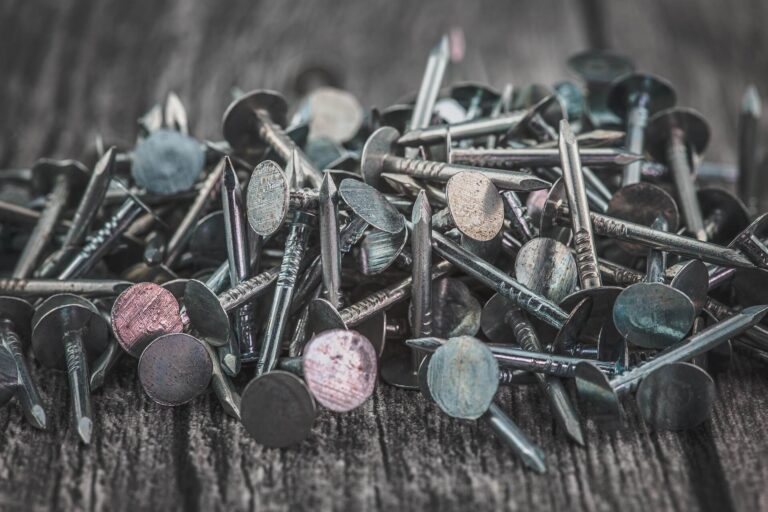
Nickel scrap recycling recovers valuable metal from industrial waste for reuse in manufacturing, helping conserve resources and reduce waste.
What Is Nickel Scrap Recycling?
Nickel scrap recycling recovers nickel from unwanted metal products, manufacturing offcuts and industrial equipment. Nickel is valued for its strength, corrosion-resistant properties and ability to withstand high temperatures. These traits make it important in stainless steel, specialist alloys, industrial machinery and chemical processing equipment.
Common nickel-containing materials include machining offcuts, rejected components, obsolete equipment and production residues. Some contain high nickel levels, while others combine metals such as nickel, chromium, iron and copper.
Recycling these materials helps businesses recover useful resources rather than discard reusable metal. The best recycling route depends on the material’s composition, condition and intended use.
How Is Nickel Scrap Recovered and Reused?
The recycling process involves collection, identification, preparation, metal recovery, and quality checks. Each stage helps ensure the recovered material is fit for reuse.
Collecting Nickel-Containing Scrap
The process begins when businesses separate nickel-containing scrap from production waste. Common sources include metal fabrication, machining work, manufacturing rejects, and redundant industrial parts.
Keeping nickel-containing scrap apart from other metals can improve identification and recovery. Businesses should also minimise dirt from oils, plastics, coatings and other materials.
Proper storage and organised collection help protect material quality and make recycling more efficient.
Sorting and Identifying Nickel Scrap
After collection, recyclers inspect the scrap to establish its grade and composition. Correct identification is essential because different nickel alloys have different properties and recovery needs.
Material labels, manufacturing records, and certificates can help identify the alloy. Recyclers may also use X-ray fluorescence equipment to analyse metal composition.
Accurate sorting reduces the risk of mixing mismatched alloys. It also helps determine the best recovery method and the potential value of the material.
Preparing Scrap for Recovery
Depending on its size and condition, nickel scrap may require cutting, shearing or other preparation before processing. To improve the quality of the recovered metal, we may also need to remove contaminants.
Nickel swarf and metal turnings need special care because fine particles, oils and other residue can create handling risks. Businesses should use suitable storage arrangements and follow safe procedures.
Careful preparation helps recyclers handle materials efficiently and select the right treatment route.
Recovering Nickel from Scrap
The recovery method depends on the scrap’s composition and quality. Clean, identifiable nickel alloys may be suitable for direct remelting. The workers melt the metal under controlled conditions and prepare it for use in manufacturing.
Mixed or dirty materials may require further treatment. Some nickel-bearing residues can undergo chemical processing, which uses chemical solutions to separate and recover metals.
Not every material needs the same treatment. The aim is to recover usable metal while managing contamination and processing residues in a responsible way.
Testing Recovered Nickel
Quality checks help establish whether recycled nickel meets the needs of its intended use. Depending on the material and process, testing may assess chemical composition, purity, and other relevant properties.
Manufacturers often need steady material specs, especially when producing specialist alloys or industrial parts. Scrap that does not meet the required standard may need more processing or a different recovery route.
Reliable testing helps ensure recycled nickel can be used properly.
How does recycled nickel get reused?
Recycled nickel can return to several industrial supply chains when its quality meets the required specification.
Stainless Steel and Nickel Alloys
Stainless steel production is an important destination for recovered nickel. Nickel helps provide corrosion-resistant properties and supports many stainless-steel grades.
Recovered metal may also be used in specialist nickel alloys for industrial equipment, engineering parts and uses exposed to heat or corrosive conditions.
Batteries and Specialist Products
Nickel is used in some rechargeable battery chemistries and other specialist products. In the wider market for nickel, this includes lithium-ion batteries, which need different handling from standard metal scrap.
Battery recycling follows routes that are not the same as ordinary scrap melting, and some systems use pressure acid leaching instead of conventional recovery. Nickel-bearing batteries should be handled through the right recycling route rather than mixed with ordinary metal offcuts.
The final use for recovered nickel depends on its purity, composition, and the maker’s needs.
Why Does Nickel Scrap Recycling Matter?
Nickel recycling helps conserve finite resources and reduces the need to rely on primary production. Extracting and refining newly mined materials requires energy and resources, while suitable scrap gives an extra source of useful metal.
The link between recycling and carbon footprint depends on transport, energy use, processing tech and the material recovered. Effective recycling can reduce demand for nickel from primary nickel production, although the environmental benefit varies by operation.
As demand for nickel grows across manufacturing and selected energy technologies, recovering existing metal can help support resource efficiency. Recycling of nickel does not replace all nickel production, but it can support a more circular supply chain and reduce pressure in the nickel market.
For businesses, recovering scrap may also create financial value from offcuts, surplus materials and rejected components. Keeping grades separate and maintaining accurate records can improve material tracking and help recyclers identify suitable recovery options.
How Can Businesses Manage Nickel Scrap Responsibly?
Businesses should identify nickel-bearing waste, separate different grades where practical, and store materials securely. Keeping scrap clean and clearly identified can help improve recovery and reduce unnecessary processing.
In England, businesses must classify waste correctly and comply with applicable waste management requirements. The GOV.UK waste sorting guidance explains how to determine waste types and meet relevant responsibilities. Requirements may differ across the UK, so businesses should check the rules that apply to their location.
Choosing a suitable recycling provider can help businesses arrange collections and direct nickel-containing materials towards appropriate recovery facilities.
Recycling Nickel Scrap
Effective nickel scrap recycling starts with correct identification, careful segregation and a suitable recovery route. These steps help retain material value, reduce avoidable waste and support more efficient use of resources.
Businesses generating nickel offcuts, nickel alloys or other nickel-containing materials can explore nickel recycling services to discuss suitable collection and recovery options.
Businesses can recycle scrap to reuse valuable metals and promote responsible resource management in industries.