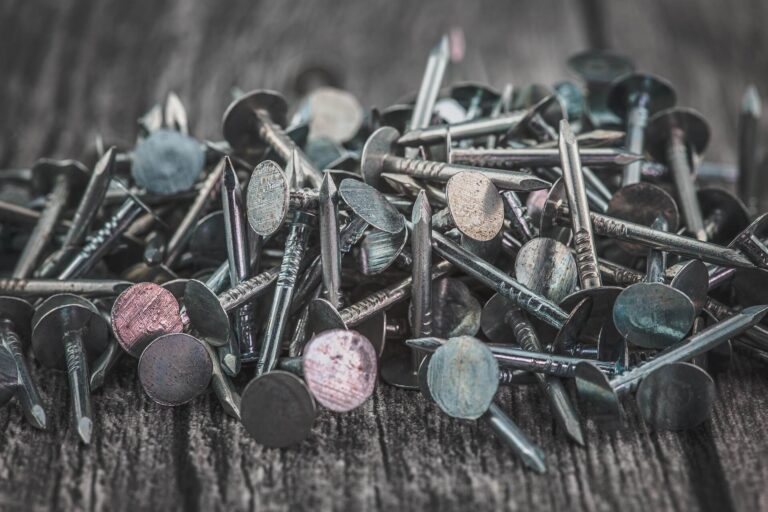
Nickel waste comes from metal fabrication, machining, battery production, surface treatment, and industrial equipment. Recycling helps recover useful metals and cut waste.
Where Does Nickel Waste Come From?
Nickel waste comes from manufacturing that uses nickel to make strong parts, special alloys and industrial products. Nickel resists corrosion and heat, so it is useful across modern industry.
Manufacturing can still create scrap, offcuts, metal swarf and rejected parts. Knowing these sources helps businesses handle waste well, recover useful metal and avoid needless disposal.
Nickel waste can enter recycling at many stages, from raw material processing to dismantling old equipment. Spotting these materials supports better resource use and a more careful manufacturing supply chain.
Stainless Steel Manufacturing
Stainless steel production is a major source of nickel-bearing scrap. Nickel is added to some stainless steel grades to improve corrosion resistance, durability and performance in harsh settings.
Cutting, pressing, shaping and fabrication create offcuts, rejected parts and unused metal sections. These materials may contain usable nickel and should be kept separate from other waste where this is practical.
Manufacturers can improve recovery by keeping metal grades separate and identifying nickel-bearing material before collection. Clean, well-sorted scrap is usually easier to assess and process for recycling.
Metal Machining and Engineering
Engineering workshops produce nickel waste when they machine parts from special alloys. Aerospace, automotive and industrial equipment makers use nickel alloys for parts that must handle high heat, pressure or corrosive conditions.
Common waste includes metal swarf, turnings, filings, chips and machining offcuts. Depending on the alloy, these residues may hold a lot of nickel.
Machining can also leave residues tainted with lubricants or cutting fluids. Businesses should store these materials properly and check contamination before sending them for recovery.
Separating different alloys at the source helps recycling specialists identify the material mix and choose the best treatment option.
Battery Manufacturing and Recycling
Battery manufacturing creates another source of nickel-bearing waste. Nickel is used in nickel-metal hydride batteries and some lithium-ion chemistries, including nickel-manganese-cobalt and nickel-cobalt-aluminium batteries.
Production rejects, damaged parts and manufacturing residues can contain usable metals. End-of-life batteries also add to nickel waste when products reach the end of their working life.
Battery waste needs specialist handling because some batteries can create fire, electrical and chemical risks. Businesses should not mix batteries with ordinary metal scrap unless they have checked the right handling and recycling rules.
The Environment Agency’s waste guidance helps businesses understand their duties when they identify and manage waste streams.
Plating and Surface Treatment
Plating puts a nickel coating on metal parts to improve surface performance, wear resistance and corrosion protection.
Waste can come from rejected plated products, used process materials, maintenance work and treatment residues. Some operations also create nickel-bearing sludge or wastewater treatment residues.
These materials may contain chemicals or other contaminants, so they should not always be treated as clean metal scrap. Their makeup and hazard level decide the right handling route.
Manufacturers should identify nickel-bearing residues, stop unsuitable materials from mixing and seek expert advice where contamination may affect recycling.
Industrial Equipment and End-of-Life Components
Nickel is used in special tools, industrial machines, heat-resistant parts and equipment made for demanding conditions.
Maintenance, equipment replacement and dismantling can create nickel-bearing scrap. Old machinery and damaged parts may contain useful nickel alloys that can be recovered instead of thrown away.
Material specs, part labels and manufacturing records can help show whether equipment contains nickel. Correct identification also lowers the risk of valuable alloys being mixed with lower-value metals.
Why Is Nickel Waste Valuable?
Nickel matters to industries that need corrosion resistance, strength and heat tolerance. Recovering it from suitable waste can reduce reliance on virgin raw materials and keep useful metals in use.
Primary nickel production can be energy intensive, depending on the ore, process route and energy source. Recycling suitable nickel-bearing scrap can help reduce the need for some primary nickel production, although the environmental gain depends on the material and recovery process.
For complex waste, a chemical process may use solutions to pull out and recover metals. This is a hydrometallurgical process. The right method depends on the waste’s makeup, contamination and the facility’s skills.
Pure nickel and nickel alloys also need different checks because their makeup affects their value and fit for specific recovery routes.
Effective nickel recycling can help manufacturers reduce waste, improve resource use and support a more resilient supply chain.
How Can Businesses Manage Nickel Waste Responsibly?
Businesses should spot where nickel-bearing waste is made and separate suitable scrap from mixed metals, batteries and chemical residues.
Waste must be assessed by its makeup and hazard level. In England, the official waste guidance explains how businesses should choose the right waste type.
Suitable containers, clear labels and proper storage can help prevent contamination and accidental mixing. Fine machining residues may need extra control depending on their condition and makeup.
Manufacturers should also keep the right waste records and use suitable collection and recovery arrangements. Working with a specialist recycler helps businesses assess their materials and choose suitable options.
Turning Nickel Waste into a Resource
Nickel waste comes from stainless steel fabrication, engineering, battery manufacturing, surface treatment and industrial equipment. Spotting these sources helps businesses recover useful metals and manage waste more effectively.
With proper separation, sorting and collection, manufacturers can support resource use and cut avoidable disposal.
Nickel recycling services offer a starting point for businesses seeking suitable options for nickel-bearing scrap. Assessing the material helps determine the right handling and recovery route.