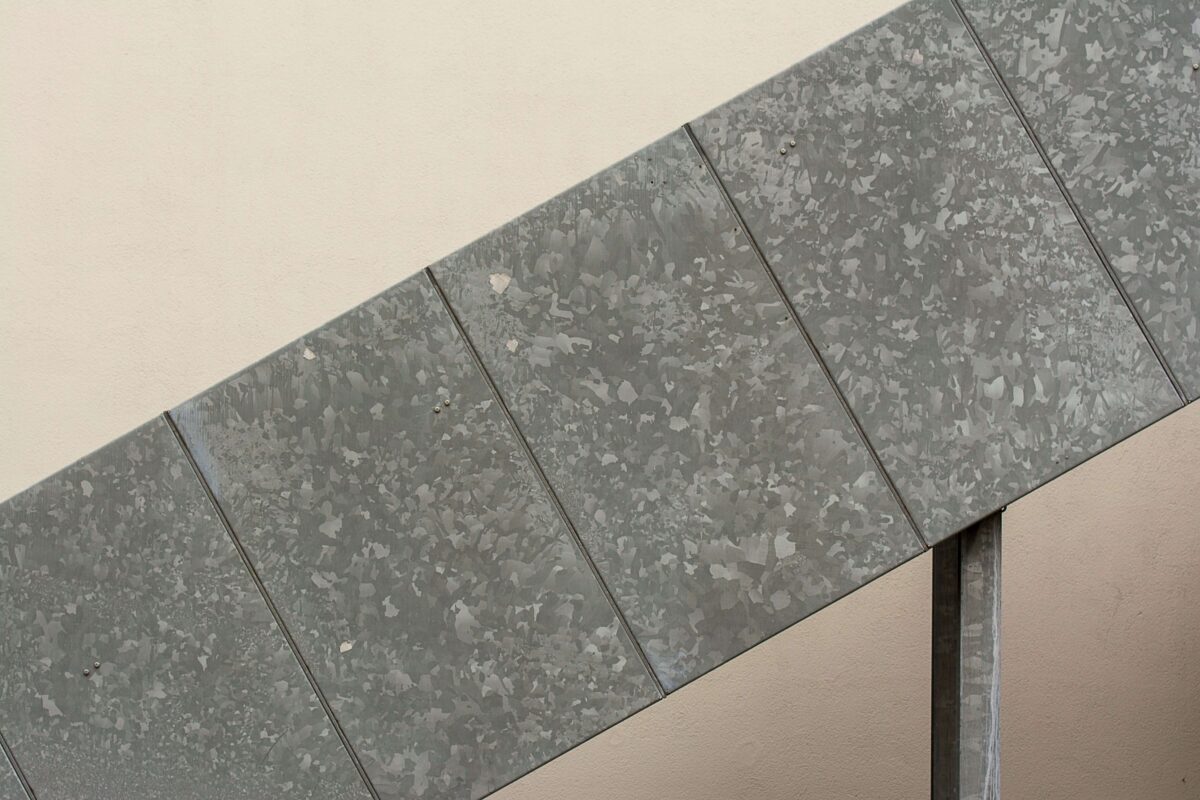
Why Is Zinc Waste Valuable After Use?

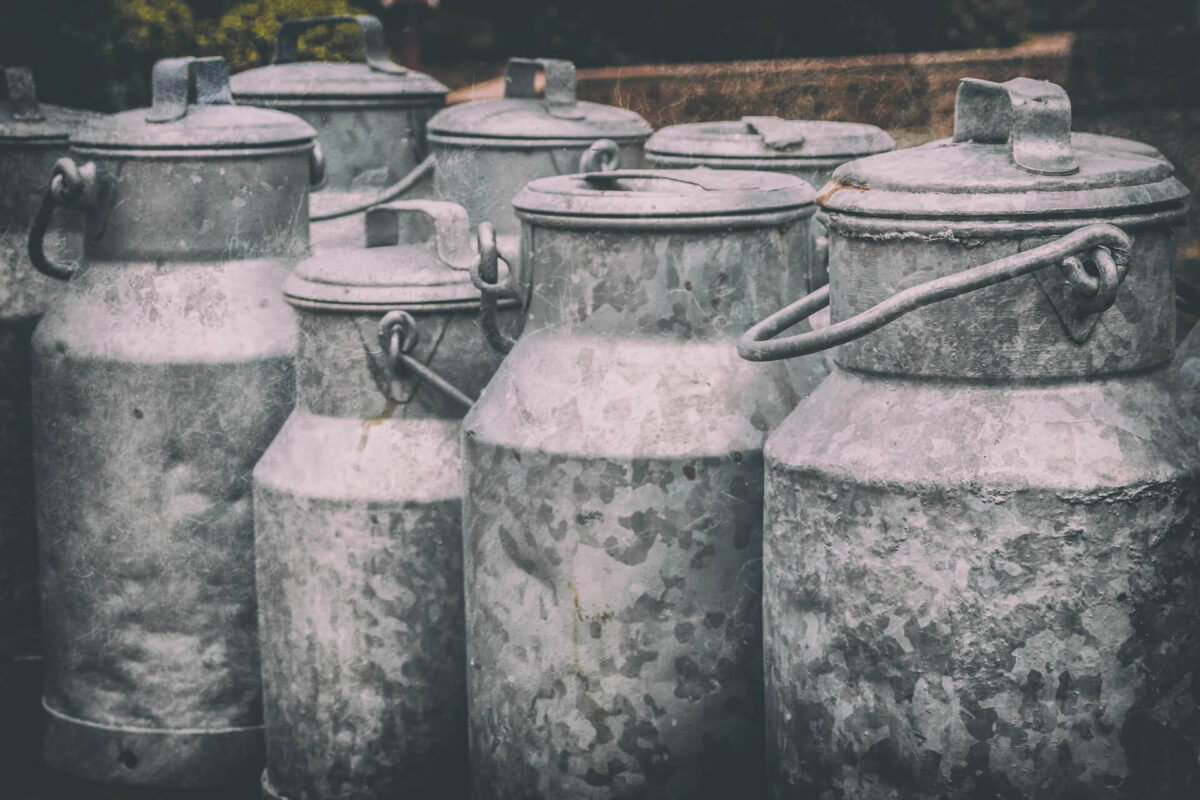
Zinc waste retains value because recycling can recover metal, conserve resources, and reduce industrial waste.
Why Is Zinc Waste Valuable After Use?
Zinc can often be recovered from manufacturing offcuts, unwanted components and industrial residues. Instead of sending suitable materials for disposal, businesses can recycle zinc and return recovered metal to the supply chain.
Zinc metal is widely used in galvanising, construction, engineering, automotive manufacturing and industrial equipment. Its ability to protect steel against corrosion makes it particularly important in many applications.
Manufacturing processes can produce zinc scrap, rejected components and leftover materials. Although these items may no longer serve their original purpose, their metal content can still have economic value.
Through zinc recycling, businesses can recover useful materials, reduce waste and support more responsible resource management.
What Types of Zinc Waste Can Be Recycled?
Zinc waste comes from several industrial processes. Understanding the material type helps businesses identify suitable recovery options.
Zinc Scrap and Offcuts
Fabrication and manufacturing operations can produce zinc sheets, trimmings, offcuts and rejected components. These materials may be suitable for recycling when their composition is known and contamination is controlled.
Keeping zinc scrap separate from other materials can simplify handling and assessment. Clean, clearly identified scrap is generally easier to process than mixed waste.
Zinc Die-Casting Waste
Zinc die-casting produces components for automotive products, electrical equipment, fittings and machinery. Production can also generate runners, sprues and rejected castings.
Depending on their quality and composition, these materials may be reused in production or sent to a suitable recycling facility. Recovering this scrap helps businesses make better use of metal already purchased for manufacturing.
Zinc Ash and Dross
Galvanising and metal processing can generate zinc-bearing residues, including ash and dross. These materials may contain recoverable zinc, but their composition can vary considerably.
Specialist assessment is important because residues may require additional treatment before the metal can be recovered. Businesses should not assume that these materials can be handled like clean zinc scrap.
Why Zinc Waste Has Economic Value
Zinc waste can provide financial value when it contains recoverable metal. The price offered depends on factors such as purity, quantity, contamination, material type, and current market conditions.
Recovering Valuable Zinc Metal
Recyclers assess zinc-bearing materials to determine their composition and suitability for processing. Scrap with a high proportion of recoverable zinc may be more attractive than mixed or heavily contaminated material.
Businesses can improve recovery opportunities by separating different metal grades and keeping accurate records of the waste they generate.
Reducing Waste Management Costs
Recycling suitable zinc scrap can reduce the quantity of material requiring disposal. Depending on the quality and collection arrangements, businesses may also receive payment for accepted scrap.
The overall financial benefit depends on transport, handling and processing costs as well as the value of the recovered metal. Regular collections and effective segregation can help businesses manage these costs.
Supporting Steel Production
Zinc is widely used to galvanise steel, helping protect it against corrosion and extend its service life. Recovered zinc can provide a secondary raw material for suitable industrial applications, including processes supplying galvanising operations.
Recycling zinc does not remove the need for primary production, but it helps retain valuable metal within manufacturing supply chains. This supports more efficient resource use across industries that depend on zinc-coated steel.
How Zinc Recycling Benefits the Environment
Zinc recycling can support environmental improvements by reducing waste and making better use of existing materials.
Conserving Natural Resources
Mining and processing primary zinc require mineral resources, energy, and industrial infrastructure. Recovering zinc from suitable waste helps retain existing metal for further use.
This can reduce the need for some newly extracted materials, although the overall environmental benefit depends on the recycling method, transport requirements, and quality of the recovered zinc.
Reducing Industrial Waste
Manufacturers can divert suitable zinc scrap from disposal by separating it at the point where it is produced. This makes waste management more organised and helps identify materials that may have recycling value.
However, not every zinc-bearing residue is suitable for straightforward recycling. Contaminated materials and industrial residues may require specialist treatment.
Supporting a Circular Economy
A circular economy aims to keep resources in use rather than discarding them after one application. Recycling zinc helps achieve this by returning suitable recovered metal to industrial supply chains.
Businesses can support this approach by improving scrap collection, reducing contamination, and working with appropriate recycling providers.
How Businesses Can Recycle Zinc More Effectively
Businesses can improve zinc recovery by identifying the materials generated during production and establishing clear collection procedures.
Separate zinc scrap from ferrous metals, such as iron and steel, and other recyclable materials wherever practical. This helps prevent contamination and makes it easier to assess the material.
Ferrous metals have their own recycling routes, so mixing them with zinc scrap can complicate sorting and processing. Clear labelling and designated storage containers help staff identify each waste stream correctly.
Businesses should also protect scrap from unnecessary contamination and record the quantities collected. These records can reveal recurring waste, support better purchasing decisions and help identify opportunities to reduce material losses.
For ash, dross and fine residues, seek specialist advice before storage or collection. Their composition may affect handling requirements, waste classification and available recovery methods.
Finally, work with a suitable metal recycling provider to establish collection arrangements and confirm which materials can be accepted.
Responsible Zinc Waste Management in the UK
UK businesses must manage zinc waste according to the applicable waste regulations. Material does not automatically stop being waste simply because it has a resale value.
Companies should establish the correct waste classification and use appropriate authorised collection and treatment routes. Certain industrial residues may require additional assessment because their composition and contamination can affect how they must be managed.
The Environment Agency provides official advice on checking whether material is waste. Businesses can consult this guidance when determining the appropriate approach to their materials.
Good record-keeping, suitable storage and clear communication with recycling providers can help companies manage their responsibilities while identifying opportunities for recovery.
Why Choose Professional Zinc Recycling?
A professional recycling provider can help businesses assess their zinc scrap and identify suitable recovery options. This is particularly useful for manufacturers producing regular quantities of offcuts, die-casting waste or other zinc-bearing materials.
Before arranging a collection, provide details about the material type, estimated quantity, and condition. This helps the provider determine whether the waste is suitable for its service and whether specialist handling is required.
Explore our zinc recycling services to learn more about recovering suitable zinc-bearing materials and managing industrial metal waste responsibly.
Zinc waste remains valuable after use because it can contain metal suitable for recovery and further industrial applications. Recycling suitable materials can conserve resources, reduce disposal needs, and support steel production supply chains.
By separating zinc scrap, managing residues correctly and arranging suitable collections, businesses can make better use of their waste and support more responsible manufacturing.