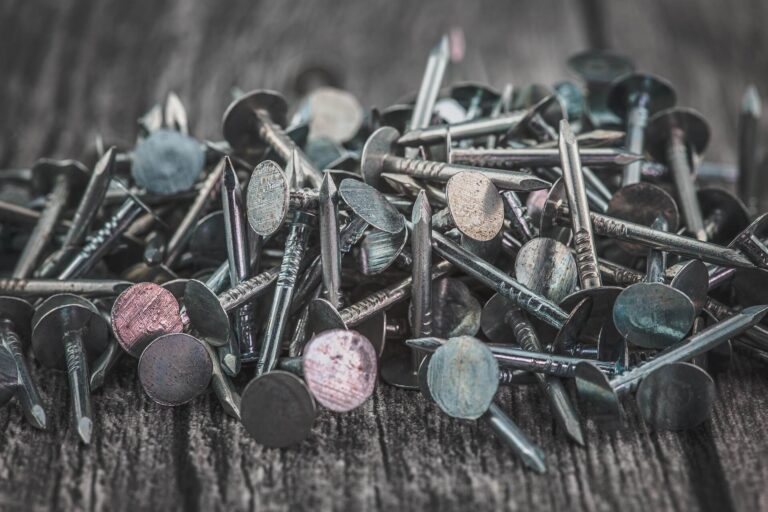
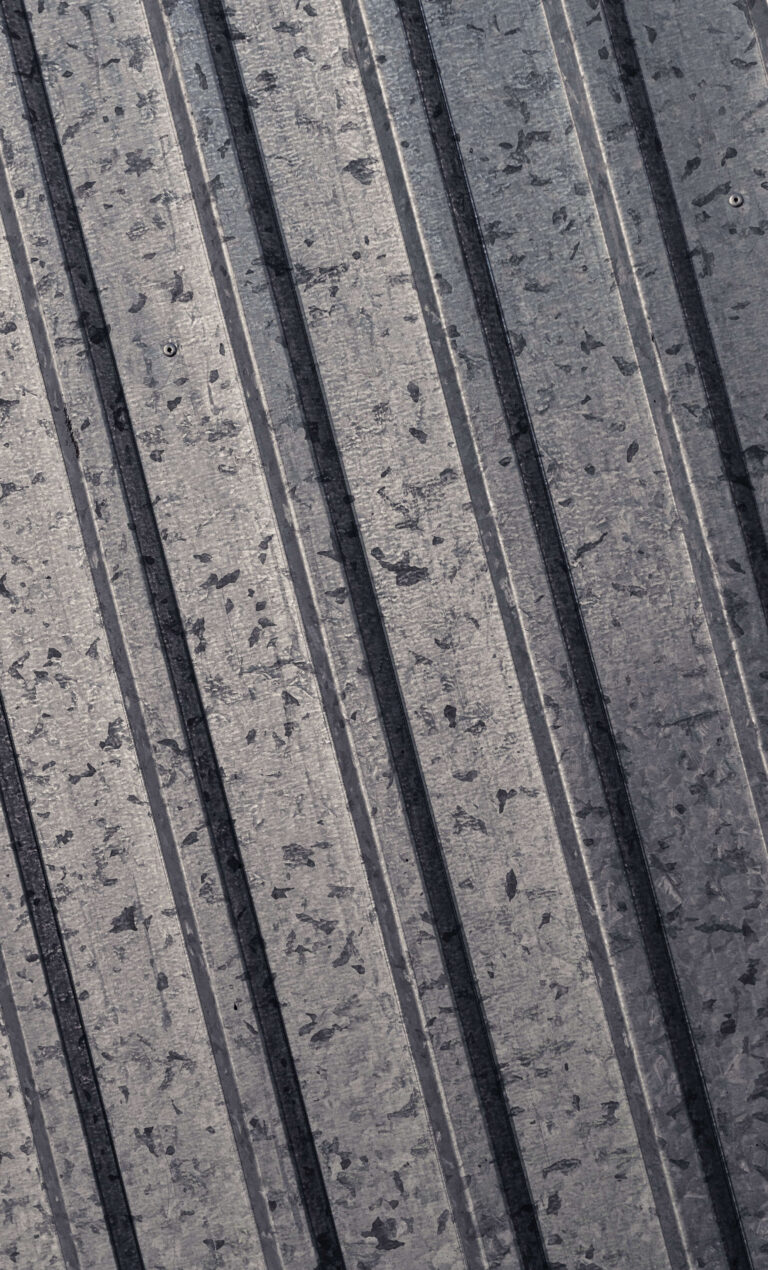
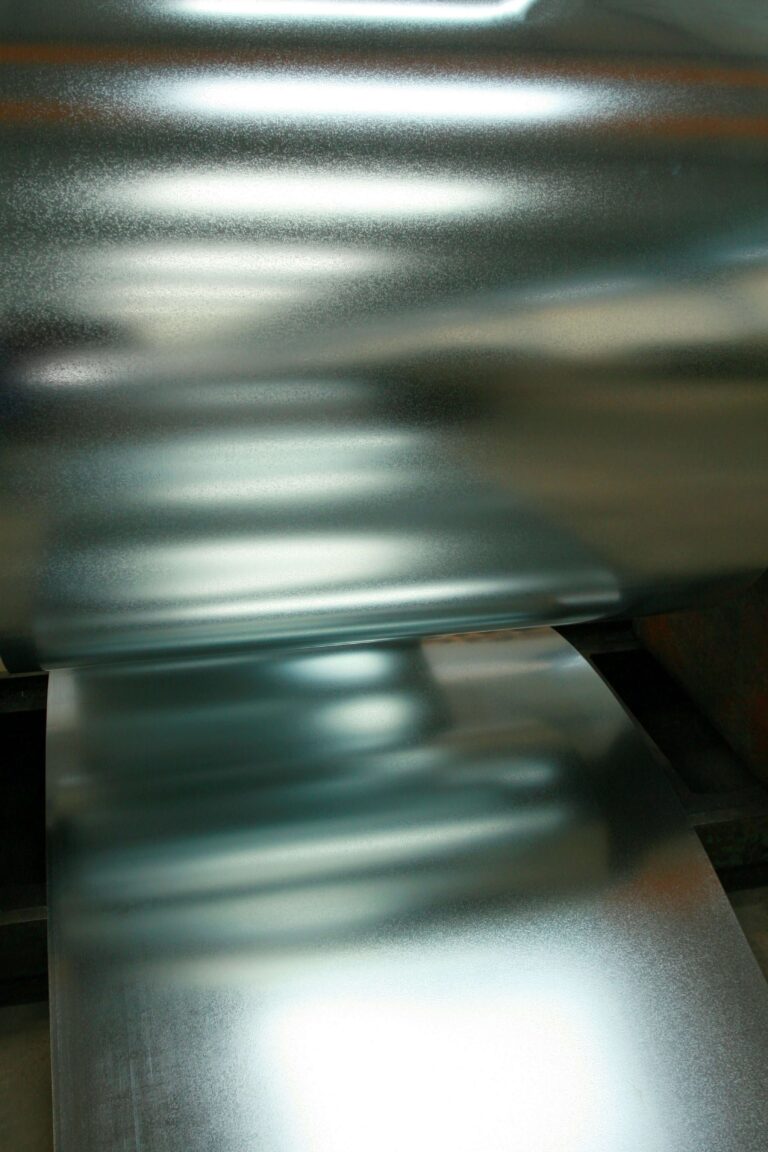
Zinc scrap is collected, sorted, and processed to recover reusable metal. Recycling helps conserve resources and reduce industrial waste.
What Happens to Zinc Scrap After Collection?
What happens to zinc scrap after collection depends on its condition, composition, and intended use. Once collected from manufacturing facilities, construction projects and engineering workshops, zinc scrap is transported to a suitable recycling facility for assessment and processing.
Zinc is widely used in galvanising, die casting, construction materials and industrial components. These applications generate waste such as production offcuts, damaged parts and surplus metal. Through metal recycling, suitable zinc scrap can be recovered and returned to manufacturing instead of being sent for disposal.
The recycling process usually involves inspection, sorting, preparation, metal recovery, and quality checks. Each stage helps ensure that the material follows an appropriate recovery route.
1. Zinc Scrap Is Transported to a Recycling Facility
The first stage begins when zinc scrap is collected from the business that produces it. A suitable waste collection service transports the material to a recycling facility equipped to handle the relevant type of scrap.
Zinc scrap comes from several sources, including galvanising operations, engineering workshops, roofing projects and manufacturing processes. It may include clean offcuts, unwanted components, zinc sheets and production residues.
The material’s origin and condition help determine how it should be handled. Businesses should provide accurate information about their waste so the receiving facility can assess its composition and identify any special handling requirements.
Using an appropriate waste carrier and receiving facility also supports compliance with applicable UK waste regulations. Regular collections can help businesses keep work areas organised and prevent scrap from accumulating unnecessarily.
2. Zinc Scrap Is Inspected and Sorted
After arrival, the recycling facility inspects the scrap to establish its condition and composition. This is an important step because different materials require different processing methods.
Some loads contain clean zinc, while others include coatings, dirt, oils, or attached components. Scrap may also be mixed with aluminium, copper, steel and other ferrous metals.
Sorting separates zinc from unsuitable materials and helps prevent contamination during recovery. Depending on the load, workers may use manual inspection, metal identification equipment, and suitable separation techniques.
Accurate sorting improves the quality of the material sent for processing. It can also help reduce unnecessary handling and make the recycling process more efficient.
Businesses can support this stage by separating zinc scrap from other metals at the point of production. Clear labelling and suitable storage make it easier for recyclers to identify materials and select the correct recovery route.
3. The Scrap Is Prepared for Recycling
Once sorted, zinc scrap may need preparation before metal recovery begins. The method depends on the material’s size, shape, cleanliness, and composition.
Large zinc components may require cutting or size reduction to make them easier to handle. Smaller pieces and manufacturing offcuts may need less preparation if they are already clean and suitable for processing.
Contaminated scrap may require additional treatment. For example, non-metal components might need to be removed, while certain coatings or residues may require specialist handling.
Not every batch follows the same procedure. Clean zinc offcuts can often take a simpler route than mixed scrap or industrial residues containing other substances.
Proper preparation helps create a consistent material for downstream processing. It also supports better metal recovery and reduces the risk of unsuitable materials affecting the final product.
4, Zinc Is Recovered Through the Recycling Process
The next stage involves recovering zinc from the prepared scrap. Depending on its composition, the material may undergo melting, refining or another suitable metallurgical process.
Clean zinc scrap can be melted in appropriate industrial equipment. The molten metal can then be processed and cast into forms suitable for further use. During this stage, operators manage impurities and control the process to meet the required specifications.
However, not all zinc-bearing waste can be melted directly. Certain industrial residues, dusts and mixed materials may require specialist treatment before the zinc can be recovered safely and effectively.
The correct method depends on the material’s chemical composition, contamination level, and physical form. A suitable recycling facility assesses these factors before selecting the processing route.
Effective metal recovery helps retain the value of zinc that would otherwise be lost. It also provides manufacturers with another source of material for industrial production.
5. Recovered Zinc Undergoes Quality Checks
After recovery, the zinc may undergo quality checks to confirm that it meets the requirements of its intended application.
These checks can assess the metal’s composition, purity, and suitability for further processing. Requirements vary depending on whether the zinc will be used for galvanising, die casting or another manufacturing purpose.
Where necessary, additional refining can help remove impurities or achieve the required specification. Material that does not meet a particular standard may need further treatment or an alternative recovery route.
Quality control is essential because manufacturers need consistent raw materials to maintain product performance and production standards.
Recycling is therefore more than simply collecting and melting scrap metal. Careful assessment and processing help ensure that recovered zinc can be used effectively in suitable applications.
6. Recovered Zinc Returns to Manufacturing
Once the recovered zinc meets the required quality standards, it can be supplied to manufacturers for further use.
One major application is galvanising, which uses zinc coatings to protect steel and iron from corrosion. Recovered zinc can also support die casting and the production of other zinc-containing components, depending on its composition and the manufacturer’s requirements.
This creates a valuable link between waste management and manufacturing. Zinc that has reached the end of one product’s useful life can become a resource for another production cycle.
The final destination depends on the quality of the recovered material and market demand. Although recycled zinc may not always return to the same application, suitable processing allows its value to be retained.
For businesses generating regular zinc waste, this approach supports resource efficiency and reduces the need to rely exclusively on newly produced metal.
Why Is Zinc Scrap Recycling Important?
Zinc scrap recycling helps conserve natural resources by recovering metal already in circulation. Producing zinc from primary ores involves mining and processing, whereas recycling suitable scrap provides an alternative source of material.
It can also improve industrial waste management. Separating recyclable metals from general waste gives businesses more opportunities to recover valuable resources instead of disposing of usable material.
Depending on the quality, quantity, and market conditions, zinc scrap may also have commercial value. Keeping scrap clean and properly separated can make it easier to assess and recover.
Metal recycling can support a circular economy by keeping useful materials in production for longer. However, the environmental benefits depend on factors such as transport, energy consumption, contamination, and the efficiency of the recovery process.
Businesses can explore zinc recycling services to understand how suitable zinc waste can be collected and directed towards recovery.
How Businesses Can Prepare Zinc Scrap for Collection
Businesses can improve recycling outcomes by separating zinc scrap where it is generated. Keeping it apart from ferrous metals, other non-ferrous metals and general waste helps prevent contamination and simplifies sorting.
Scrap should be stored in suitable containers or designated areas. Appropriate storage helps prevent material from escaping and reduces the chance of mixing zinc with substances that could affect its recovery.
When arranging collection, businesses should explain the type of scrap, its approximate quantity, and any known contamination. Information about coatings and attached components can help the recycling provider determine the appropriate handling arrangements.
Companies should also check that their waste carrier and receiving facility are suitable for the waste involved. In England, the Environment Agency provides official guidance on waste environmental permits, including requirements that may apply to waste treatment and recycling activities.
For businesses producing zinc offcuts or residues regularly, planned collections can support better housekeeping, more efficient storage and responsible waste management.
Understanding what happens to zinc scrap after collection shows how industrial waste can become a valuable resource. Through inspection, sorting, preparation, and metal recovery, suitable zinc scrap can return to manufacturing instead of being unnecessarily discarded.
Businesses can support this process by separating their scrap, arranging suitable collections, and choosing appropriate recycling facilities. These steps help conserve resources, improve waste management, and keep valuable zinc in productive use.