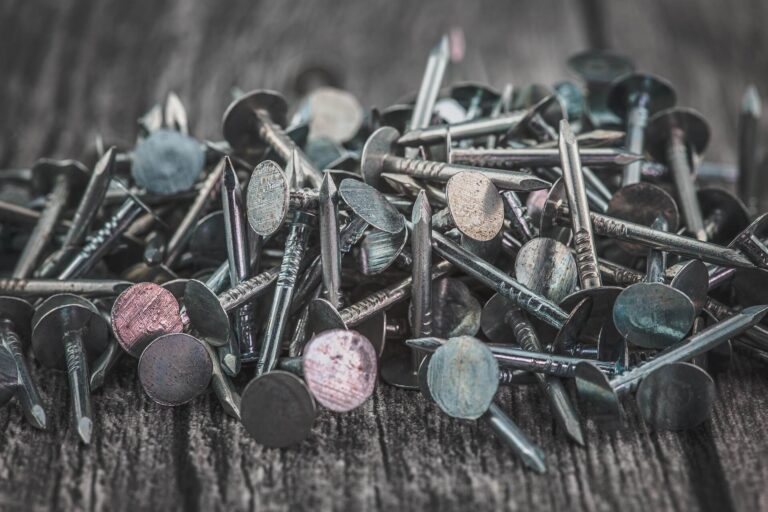
Zinc waste comes from galvanising, manufacturing, construction and metal finishing. Recycling suitable materials helps recover zinc and reduce waste.
Where Does Zinc Waste Come from in UK Industry?
It mainly comes from galvanising, metal manufacturing, construction, surface treatment and engineering. These industries use zinc to protect steel against corrosion, manufacture components and produce durable products.
Industrial processes generate zinc offcuts, scrap metal, dust, ash and other residues. Some materials can be recycled, while others require specialist treatment. Understanding these sources helps businesses improve waste management, recover valuable metals and reduce their environmental impact.
1. Hot-Dip Galvanising and Zinc Coating
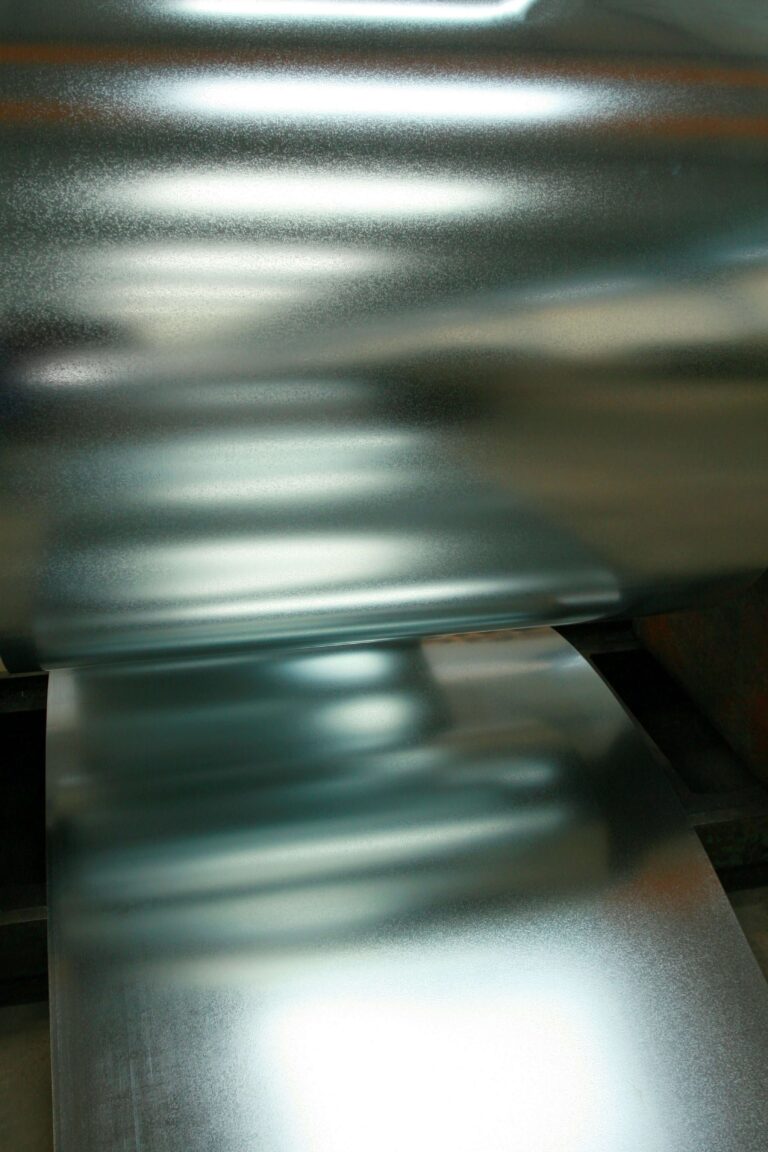
Hot-dip galvanising is an important source of zinc waste. This process protects steel by coating it with molten zinc, helping prevent corrosion and extending the material’s service life.
During production, zinc can form ash and dross on the surface or within the galvanising bath. Hard zinc residues may also accumulate during processing. These materials can contain recoverable zinc, although their composition varies.
Galvanising facilities can separate suitable residues for assessment by specialist recyclers. Keeping zinc waste separate from general waste makes material identification easier and can improve recovery opportunities.
2. Metal Manufacturing and Engineering
Manufacturing and engineering businesses generate zinc waste when they cut, drill, machine and shape metal components. These operations can produce offcuts, swarf, filings and rejected parts.
Die casting is another source. Manufacturers melt zinc alloys and inject the molten metal into moulds to produce components for machinery, fittings and industrial equipment. Excess material, faulty castings and production scrap can accumulate during manufacturing.
Clean zinc scrap may be suitable for metal recovery. However, swarf contaminated with oils, coatings or other substances may need additional processing. Separating different materials helps businesses manage waste more efficiently and identify suitable recycling routes.
3. Construction, Roofing and Demolition
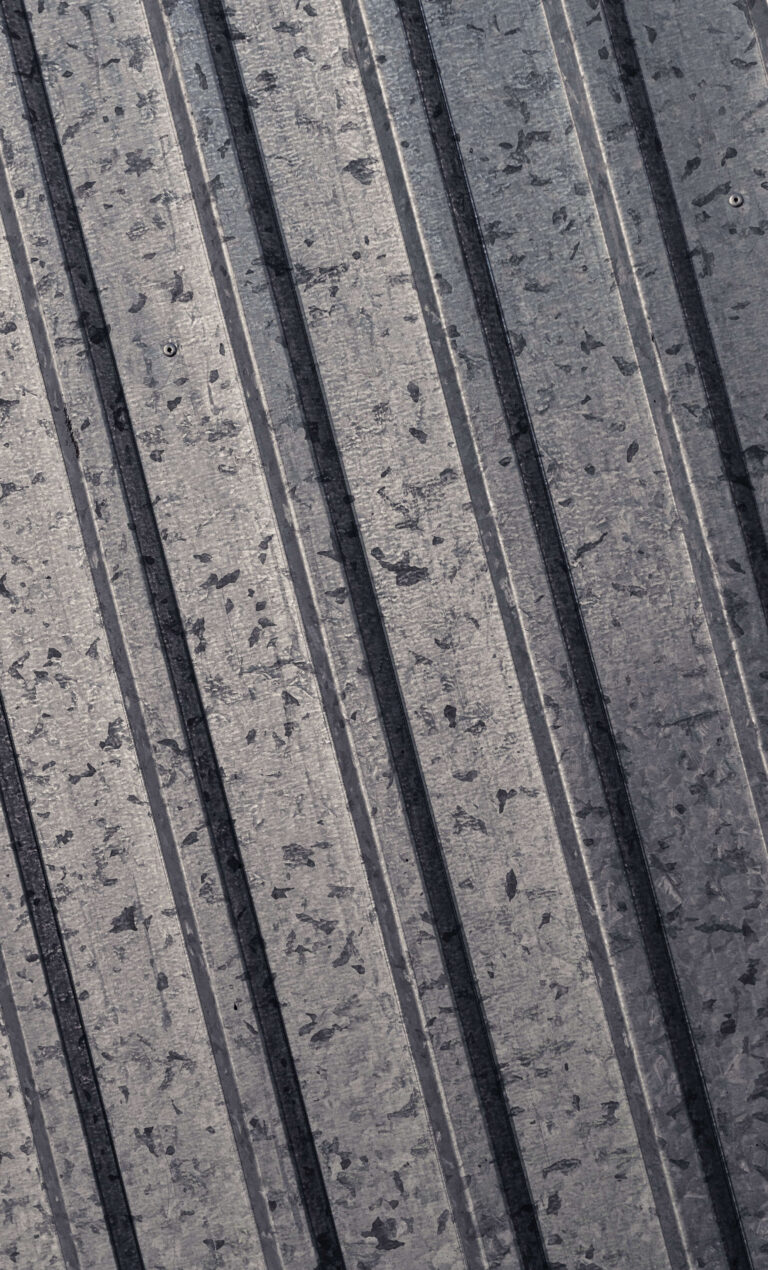
The construction industry generates zinc waste during installation, refurbishment and demolition. Zinc is commonly used in roofing, cladding, gutters, flashings and architectural features because of its durability and corrosion resistance.
Roofing contractors may produce unused sheet offcuts during installation. Renovation projects can generate damaged zinc components, while demolition work may remove older roofing and building materials.
Separating zinc products from rubble, timber, insulation and general construction waste helps preserve their recycling potential. Businesses should also identify whether the material is solid zinc, zinc-coated steel or another metal.
This distinction matters because each material may require a different recovery process. Painted, bonded or contaminated products may need further assessment before recycling.
4. Surface Treatment and Zinc Plating
Metal finishing operations produce zinc waste through plating, coating and chemical treatment. Zinc plating applies a thin protective layer to steel components, helping improve their resistance to corrosion.
Waste can arise from treatment baths, rinse water, filtration systems and wastewater treatment sludge. Some residues contain dissolved zinc, chemicals or other metals, making them different from ordinary scrap.
Zinc oxide can also occur in industrial residues and may be present in certain zinc-processing dusts or ash. Its presence and concentration depend on the process involved.
Businesses should not assume that zinc-bearing dust, sludge or chemical residues can enter a standard scrap-metal collection. Correct waste classification helps determine the appropriate handling, treatment and recovery route.
The Environment Agency provides official waste classification guidance to help businesses identify and manage different waste streams.
1. Automotive and Component Manufacturing
Automotive suppliers and engineering manufacturers use zinc in die-cast components, fasteners and protective coatings. Electrical equipment producers and industrial hardware manufacturers also use zinc-containing parts.
Waste arises when production creates rejected components, excess castings or machining residues. Maintenance and replacement work can generate additional scrap when zinc-coated products reach the end of their useful life.
However, zinc-coated steel is not the same as solid zinc. The steel forms the main structure, while zinc provides a protective surface. Identifying the material correctly helps determine whether it belongs in a steel recycling stream or a suitable zinc recovery process.
2. Zinc Processing and Refining
Zinc processing and refining can generate residues containing recoverable metal. These may include ash, dross, process dust and treatment sludge.
The amount of recoverable zinc depends on the material’s composition, contamination and processing history. Specialist facilities can assess whether the waste is suitable for recovery or requires further treatment.
Businesses should store and identify these materials according to their properties. Mixing different residues can complicate handling and make recovery more difficult.
How Can UK Businesses Manage Zinc Waste?
Effective zinc waste management starts with identifying where the material is generated. Businesses should separate clean zinc scrap from mixed metals, zinc-coated steel and chemical residues.
Clearly labelled storage areas help prevent contamination. Regular checks of production waste can also reveal where material losses occur and where better handling practices could reduce unnecessary waste.
Before arranging collection, businesses should confirm the waste classification and check that the receiving facility is authorised to accept the material. Hazardous residues may require additional controls.
The Environment Agency’s waste management guidance provides further information on responsible waste handling and applicable requirements in England.
Why Zinc Recycling Matters
Zinc recycling helps return useful metal to manufacturing, reducing the need for newly extracted resources. It can also reduce the quantity of suitable scrap sent for disposal and support more efficient material use.
Recovering zinc may offer environmental benefits because recycling can reduce demand for primary metal production. However, the overall environmental impact depends on transport, energy use, contamination and the recovery method.
Businesses can improve results by identifying recyclable materials early and keeping different waste streams separate. A suitable specialist recycling service can assess zinc scrap and advise on an appropriate recovery route.
For businesses managing industrial metal waste, a zinc recycling service can provide a route for assessing suitable scrap and recovering valuable materials.
Zinc waste comes from galvanising, manufacturing, construction, surface treatment, automotive production and metal processing. These industries generate different materials, from clean offcuts to zinc oxide residues and complex industrial waste.
Identifying each waste stream, improving segregation, and choosing an appropriate recycling route helps UK businesses recover valuable metals, manage waste responsibly, and reduce their environmental impact.