Collected tungsten scrap is sorted, tested, and processed so useful material can be recovered for new parts. The route depends on its mix, condition, and grade.
It is checked and prepared before expert recycling. Used cutting tools, worn parts, and factory waste can still hold useful tungsten after first use.
People value tungsten for its hardness, weight, and wear resistance. These traits make it useful in engineering, mining, and industry. Instead of sending good scrap to disposal, firms can recover it as a secondary raw material.
The exact route depends on the scrap type, its mix, and the quality needed for the next use.
Collecting Tungsten Scrap from Businesses
The recycling process starts when companies collect tungsten-bearing scrap from plants, workshops, tool makers, and other firms.
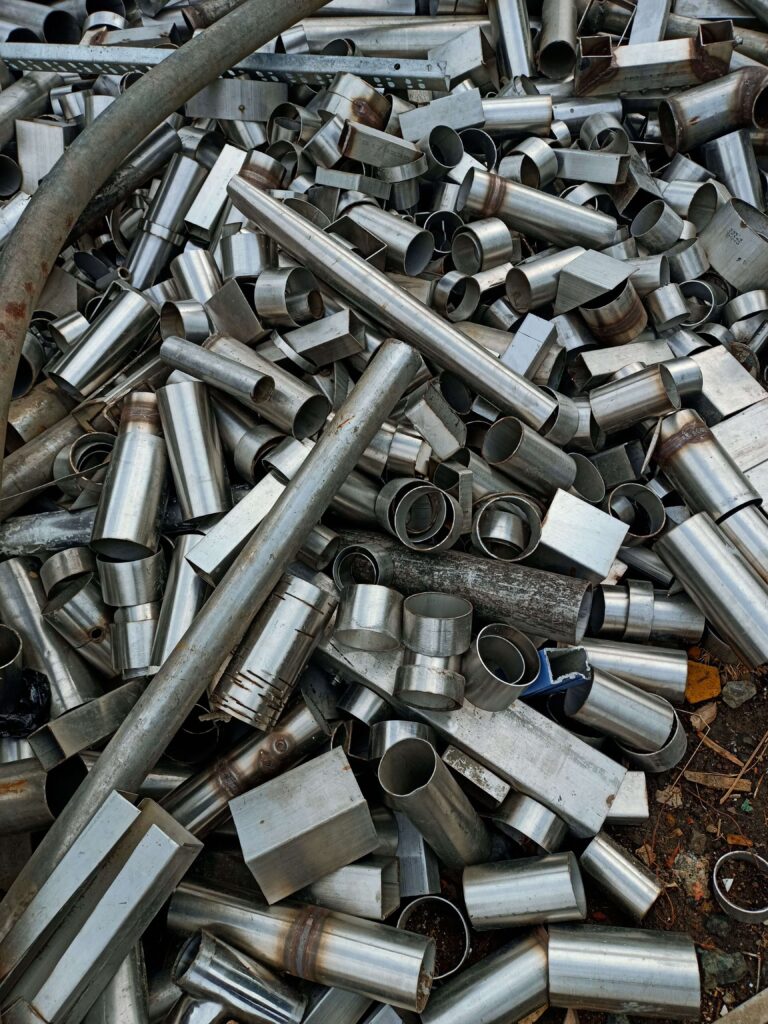
Common material includes worn tungsten carbide tools, drill bits, cutting inserts, machining residue, and parts made from tungsten alloys. Some firms also make scrap tungsten carbide during machining, grinding, and tool work.
These loads can have different mix and dirt levels. Clean, solid tools may be easier to process than fine waste with oil or other dirt.
Keeping tungsten scrap apart from general waste helps protect its value and makes later recycling steps more efficient. Firms should label the material clearly and store it in the right way before pickup.
Sorting and Testing the Material
After collection, recyclers check and sort the scrap by type, mix, and state. This step helps them choose the best recovery route.
For example, tungsten carbide tools often contain tungsten carbide and cobalt as a binder. Other products may contain other metals or more complex composite materials.
Recyclers may use product data, ID marks, and lab tests to see what the material contains. They also check for dirt that could hurt processing or the quality of the recovered product.
Tungsten purity matters, although the level needed depends on the end use. Good ID prevents mixed loads from blending and supports better material recovery.
Preparing Scrap Tungsten Carbide for Processing
Once checked, the scrap may need cleaning, separation, or size cuts before recycling. The prep needed depends on its shape and the plant’s method.
You may need to cut large parts into smaller pieces, while you may only need to wash clean solid scrap to remove oil, grease, or other dirt. Fine powders and grinding waste need safe bins to control dust and stop loss.
Keeping like grades together helps make even batches. That can improve process control and make the final material fit for future making.
Not every load needs the same work. Clean, well-sorted scrap may need little prep. Mixed or dirty loads may need more work.
How Recycling Tungsten Recovers Valuable Materials
The main recovery stage uses a method that fits the scrap mix and the planned reuse. Two main routes are direct recycling and chemical processing.
Direct recycling can work for clean tungsten carbide scrap. It turns the material into a reusable form while keeping much of its current mix. This can cut the need to turn the scrap into separate chemical compounds.
Chemical recycling is another choice, especially for mixed or dirty material. It transforms tungsten into compounds that manufacturers can purify and use to create new tungsten-based products.
Depending on the scrap input and process, we can also recover other useful metals, including cobalt. These metals can be key parts of tungsten carbide and other industrial materials.
Expert recyclers choose the best route based on grade, process needs, and the specs of the final output. The aim is to recover useful resources while using energy, chemicals, and process waste in a safe way.
Turning Recovered Tungsten into Raw Material
After processing, recovered tungsten may become powders, chemical compounds, or other forms for industry. The final product depends on the route and the customer’s needs.
Makers can use recycled tungsten to make new cutting tools, wear-resistant parts, drilling gear, and other specialist products. Where suitable, recovered cobalt and other metals can also return to supply chains.
Recyclers must ensure that recycled material meets the needed specs before they can use it in a new product. Makers need the right mix, steady quality, and performance to do the job.
Quality checks show if recovered tungsten is fit for its planned use. The aim is not just to take out metal. To make a usable raw material that can replace some mined feed.
Quality Control and Reuse in Manufacturing
Before makers check the traits of the recovered material against the right specs, they may evaluate it. Tests can cover chemical mix, purity, particle size, and other traits, based on the material and use.
Once accepted, the material can go to makers or other processors. Some recycling routes need more refining before recovered tungsten is ready to use.
This step closes the loop by moving material from used products back into industry. Scrap that once formed part of worn tungsten carbide tools can become a resource for new parts.
Why Tungsten Scrap Recycling Matters
Recycling tungsten saves useful resources and cuts the need for newly mined feed. Recovering used tungsten also helps use metals better in supply chains.
The process creates value from worn tools and industrial waste that people might otherwise throw away. Keeping useful scrap out of general waste lets firms hold material that may still have market value.
Recycling can also cut waste and support careful use of resources. But the green benefit depends on the method, energy use, transport, and handling of process waste.
Some industrial products contain composite materials that join tungsten carbide with binders or other parts. Experts review the materials to decide how to process them and which parts to recover.
How Businesses Can Prepare Tungsten Scrap for Collection
Firms can help by keeping tungsten-bearing scrap apart from mixed metal waste. Naming the material from product labels or supplier specs can help recyclers pick the right route.
Keep scrap in good bins and protect it from extra dirt. Fine powders and machining waste may need different handling than solid cutting tools. Firms should talk to their recycler before pickup.
Clear details on the amount, state, and type of scrap also help the recycling company judge the load. Firms should check that their waste contractor has the right registrations, permits, or exemptions for the work it does.
See specialist tungsten recycling services for support. What happens to tungsten scrap after collection depends on its mix, state, and grade. After sorting and checking, we prepare suitable material for recycling. It goes through direct or chemical recycling to recover useful tungsten and other metals when possible.
The recovered material can become raw material for new cutting tools and industrial parts. By sorting scrap properly and organizing expert collection, companies can save resources, reduce waste, and support better production.