Inverter recycling recovers useful materials, reduces electronic waste, and supports responsible management of solar energy systems. Proper recycling helps businesses and property owners handle end-of-life equipment safely.
A solar inverter converts the direct current generated by solar panels into alternating current suitable for everyday electricity use. However, inverters can eventually fail, become outdated, or reach the end of their working life.
Responsible inverter recycling helps recover valuable materials, reduce the amount of electrical waste sent for disposal, and support more sustainable resource management. Understanding the recycling process allows panel installers, businesses and property owners to make better decisions when replacing damaged or obsolete equipment.
Why Solar Inverters Should Be Recycled
Recovering Valuable Materials
A solar inverter contains metals and electronics that may be suitable for recovery. Depending on its design, the equipment can include copper wiring, aluminium components, steel housings and circuit boards containing various metals.
These valuable materials can be separated at an appropriate recycling facility and directed into suitable material recovery processes. Recovered metals may then be used in manufacturing, reducing the need to obtain all materials from newly extracted resources.
Although not every component can be recovered economically, proper recycling helps retain useful resources within the supply chain instead of losing them through unsuitable disposal.
Reducing Electronic Waste
Unwanted inverters contribute to the wider waste electrical and electronic equipment (WEEE) stream. When electrical equipment is discarded with general waste, recyclable components can be lost, while unsuitable handling may create environmental risks.
A suitable recycling route ensures that equipment is assessed and treated according to its materials and condition. Specialist facilities can separate recoverable components and manage remaining waste appropriately.
Businesses replacing inverters should therefore consider recycling before arranging disposal. This helps reduce avoidable waste and supports more responsible waste management practices.
Supporting Sustainable Solar Energy Systems
Solar panels are designed to generate renewable electricity, but the environmental impact of a solar installation also depends on how its equipment is managed throughout its life.
An inverter may need replacing while the pv panels remain operational. Recycling the old unit allows the wider installation to continue generating electricity without leaving unwanted equipment unmanaged.
Planning for inverter recycling makes end-of-life management part of the solar system lifecycle. It also encourages installers and site owners to consider equipment recovery when planning maintenance, upgrades, and decommissioning.
How Does the Solar Inverter Recycling Process Work?
The recycling process usually starts with an assessment of the inverter’s condition, quantity and potential for reuse. A functional unit may be suitable for repair or refurbishment, provided it meets the relevant safety and performance requirements.
When reuse is not practical, the equipment can be sent to a suitable recycling facility. Trained personnel must handle electrical equipment safely, following appropriate isolation and handling procedures. Unqualified individuals should not dismantle inverters because electrical components can present safety risks.
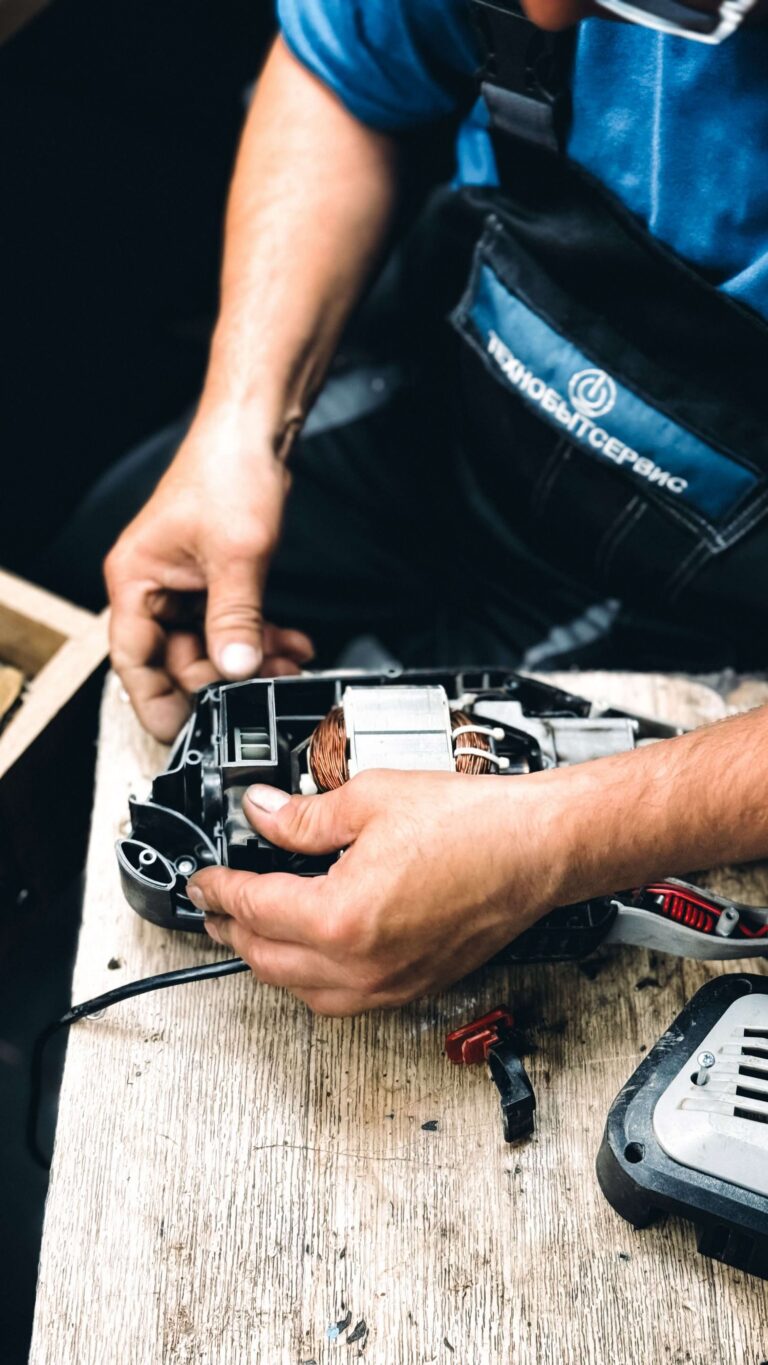
At the facility, the inverter may be dismantled so that its housing, wiring, circuit boards and other components can be separated. Metals may enter established recovery streams, while electronic components require suitable specialist treatment.
The exact outcome depends on the inverter’s construction, condition and available recycling technology. Some materials may require further processing, and not every component will be recyclable. Nevertheless, specialist treatment can recover useful resources while ensuring remaining waste is managed appropriately.
What About Solar Panel Recycling?
Solar panel recycling is closely connected to the wider management of solar equipment, but panels and inverters are different products. A panel can be recycled through processes designed to handle its glass, metals and other materials, whereas an inverter requires treatment suited to electrical and electronic components.
For example, many PV panels contain an aluminium frame, glass, wiring and semiconductor materials. Specialist facilities may separate these components for recovery, depending on the panel type and available technology.
Panel installers should plan for both panel and inverter waste when maintaining or decommissioning installations. Arranging suitable routes for different solar components helps prevent recyclable equipment from entering the wrong waste stream.
Businesses looking to recycle solar equipment should identify the items they hold and confirm that the chosen provider can handle each type.
UK Rules for Recycling Solar Inverters
Solar inverters fall within the scope of electrical and electronic equipment covered by the UK’s WEEE framework. The precise obligations depend on the organisation’s role and the circumstances in which the equipment becomes waste.
Businesses should check applicable waste classification requirements and use suitable providers for collection and treatment. They should also retain relevant waste transfer or consignment documentation where required.
The official GOV.UK guidance on waste electrical and electronic equipment explains relevant regulatory requirements. The Environment Agency’s WEEE classification guidance provides further information about classifying this type of waste.
Checking the applicable rules before disposal helps organisations manage their responsibilities and choose an appropriate recycling route.
How Businesses Can Arrange Inverter Recycling
Businesses can improve waste management by recording the number and condition of inverters removed during maintenance or replacement work. Keeping basic equipment records helps identify reuse opportunities and plan collections efficiently.
A suitable recycling provider can advise on accepted equipment, collection arrangements and required documentation. Before transferring waste, businesses should verify that the provider and destination facility hold the necessary authorisations.
For larger solar installations, coordinating inverter removal with planned maintenance or system upgrades can reduce disruption. Panel installers and property owners can also establish a clear process for storing, identifying and transferring obsolete equipment.
Where a provider arranges collection, confirm which materials are accepted and how the equipment will be treated. Clear arrangements help ensure that unwanted inverters reach an appropriate facility rather than remaining in storage or entering an unsuitable disposal route.
Solar inverter recycling helps recover valuable materials, reduce electronic waste and support responsible solar energy systems. By choosing appropriate collection and treatment routes, businesses, panel installers and property owners can manage obsolete equipment more effectively.
Planning for proper recycling alongside solar panel recycling supports better resource recovery throughout the lifecycle of a solar installation.