Recovering solar inverter components helps businesses, installers and property owners manage electronic waste responsibly and recover useful materials.
Instead of sending old equipment to landfill, specialist recycling sites dismantle solar inverters, sort the materials and prepare parts for reuse or further processing. The recovery method depends on the inverter’s design, condition and material mix.
The recovery process includes inspection, dismantling, material sorting and specialist processing. These steps help recover metals and electronic materials, cut waste and support better resource use.
Why Solar Inverter Components Need Recovery
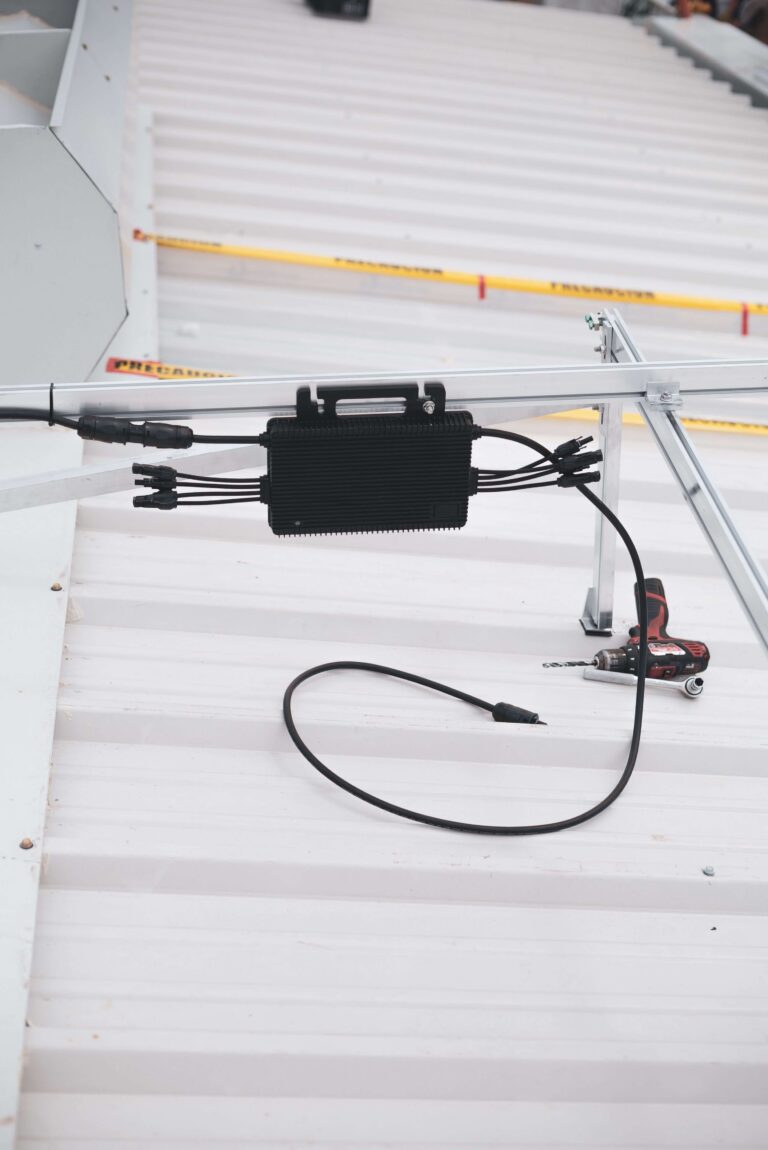
Solar inverter components include metal cases, copper wire, circuit boards, plastics, and electrical connectors. Each material needs its own recovery path.
Recovering these materials helps save natural resources and cuts the amount of electrical waste sent for disposal. It also lets useful metals return to manufacturing, so materials are used more efficiently.
For solar installers and commercial solar operators, responsible recycling is a practical way to manage equipment removed during maintenance, repairs, and system upgrades.
How Solar Inverter Components Are Recovered
The recovery process has several stages. It starts with collection and inspection, then moves to dismantling and material sorting. Specialist sites choose the most suitable treatment based on the equipment they receive.
Collection and Inspection
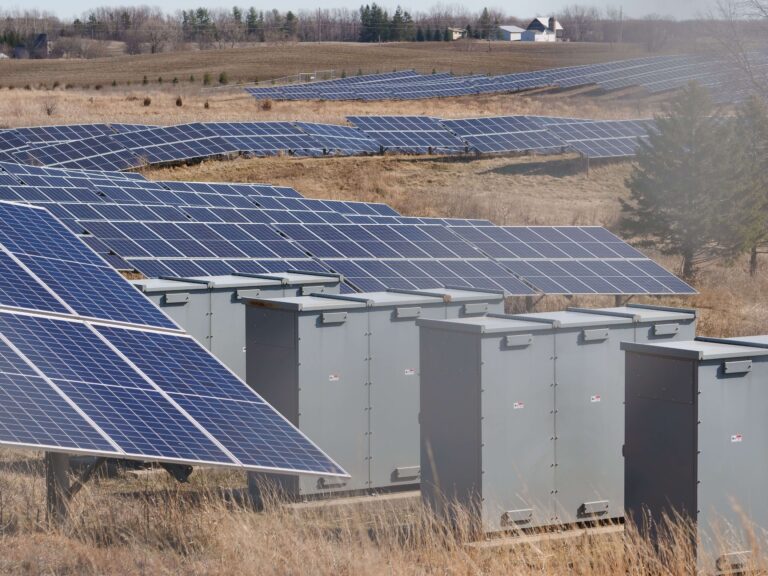
The process starts when old solar inverters are gathered from homes, businesses, solar farms, or electrical contractors. Equipment may need replacement because of faults, damage, lower performance or planned upgrades.
Recycling specialists inspect the equipment to identify its type, condition, and main parts. They may also check whether the unit is suitable for repair or refurbishment before they decide to recycle it.
In the UK, businesses must manage discarded electrical equipment under waste law. The government’s guidance on when electrical equipment becomes waste explains when waste status starts.
Safe Dismantling of Solar Inverters
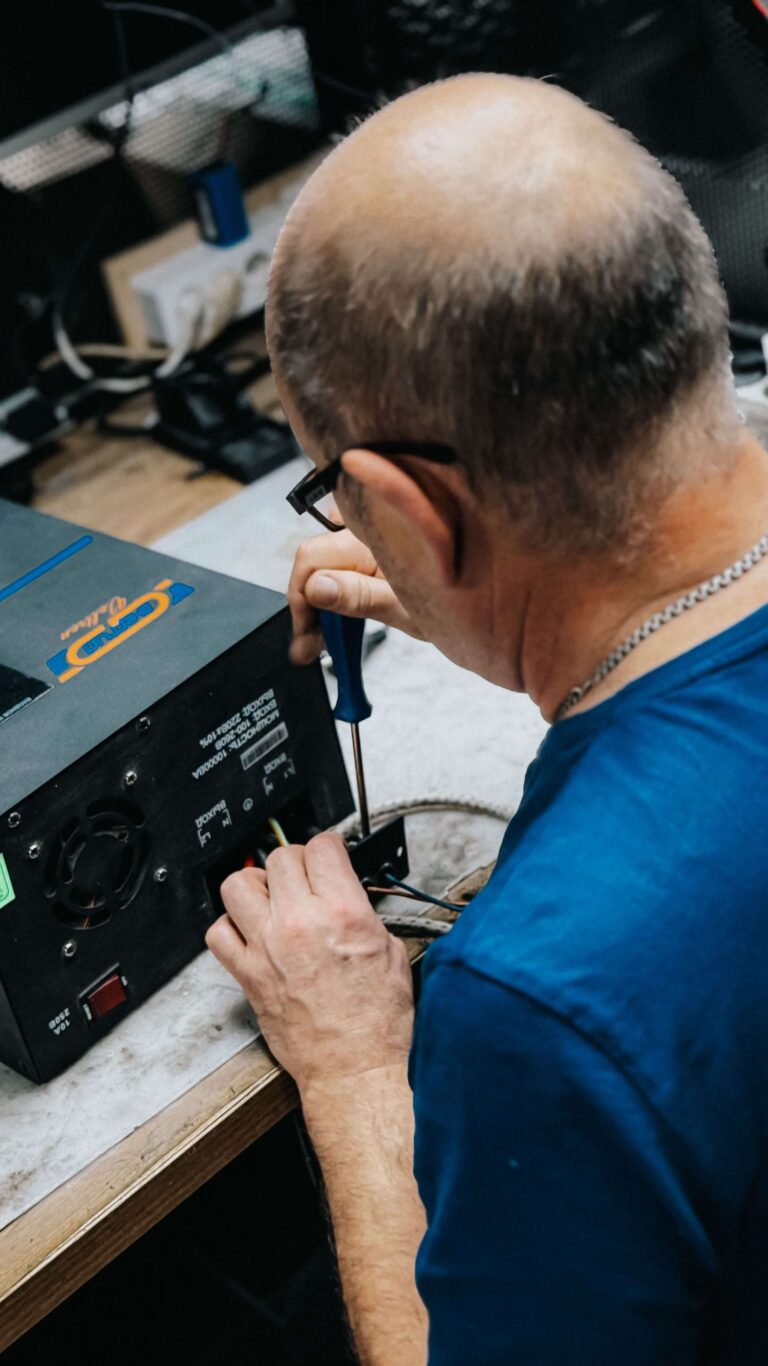
After inspection, trained staff dismantle the inverter using suitable equipment and safety steps. Electrical equipment must be handled carefully because some parts may still hold stored energy or contain materials that need specialist treatment.
The outer case is removed to reach the inside parts. Wiring, circuit boards, cooling parts and other materials are separated where practical.
This stage makes it easier to identify reusable parts and send different materials into the right recycling streams. The dismantling method depends on the inverter’s build and the equipment available at the recycling site.
Recovering Aluminium and Steel
Many inverter cases and structural parts contain aluminium or steel. These metals can often be separated from electronic parts and sent to suitable metal recycling sites.
Aluminium can be recycled into new products, while recovered steel can return to manufacturing. Recycling these metals can reduce demand for virgin raw materials and cut the impacts linked to extraction and processing.
The amount and type of metal recovered depend on the inverter model. Separating metals from plastics and circuit boards also helps improve the quality of the recovered material.
Recovering Copper from Wiring
Copper is an important material in many solar inverters. It can be found in cables, connections, coils, and transformer windings, depending on the design.
During dismantling, easy-to-reach copper-bearing parts are removed and sorted. Suitable processing separates the metal from insulation and other materials, which allows workers to collect the copper for further treatment.
Recovered copper can be used to make electrical cables, motors and other products. Keeping copper separate from mixed waste helps protect its value and supports efficient recycling.
Processing Printed Circuit Boards
Printed circuit boards control the operation of solar inverters. They contain electronic parts and may include copper and small amounts of precious metals.
These boards need specialist treatment because their material mix is different from metal cases. Depending on the available technology, sites may use mechanical separation and further processing to recover useful metals.
Circuit boards should not be treated as ordinary scrap without proper review. Specialist handling helps manage potentially hazardous substances and ensures that reusable materials are sent to suitable sites.
Separating Plastics and Other Components
Plastics may be found in inverter covers, cable insulation, connectors and internal supports. After dismantling, suitable plastic fractions can be separated by type and condition.
Some plastics may be recyclable where suitable sites and markets exist. Mixed, dirty or hard-to-process materials may need other treatment.
Other parts, including cooling fans, heat sinks and connectors, are checked separately. Their material mix decides whether they can be reused, recycled or sent for further treatment.
Assessing Components for Reuse
Not every part from an old solar inverter needs immediate material recycling. Where suitable, individual parts may be checked for reuse or refurbishment.
However, visual inspection alone cannot show whether an electrical part is safe and reliable. Proper testing and verification are needed before any part is returned to service.
Parts that fail assessment should enter the right recycling or treatment process. This approach supports reuse where practical without risking electrical safety.
What Happens to Recovered Materials?
After sorting, recovered materials are sent to suitable processors. Aluminium, steel and copper can enter established metal recycling supply chains, while circuit boards may need specialist sites to recover their metal content.
Suitable plastics may be processed into raw material for new products. Materials that cannot be recovered safely or at a good cost must be managed through the proper treatment routes.
Recovery rates vary depending on the inverter’s design, material quality, how dirty it is, and available technology. So not every part can be recycled, and the final destination depends on the sites involved.
Environmental Benefits of Solar Inverter Recycling
Recovering solar inverter components helps save resources and cuts the amount of electronic waste that needs disposal. Recycling metals can also reduce some impacts linked to mining and processing virgin materials.
Responsible treatment helps prevent unsuitable electrical waste from entering landfill or illegal disposal routes. It also supports reuse by keeping useful materials in circulation.
Businesses can improve waste management by arranging suitable collections, keeping waste transfer records and choosing qualified recycling providers.
Choosing a Solar Inverter Recycling Service
Businesses replacing multiple inverters should choose a recycling provider with the right permits, clear handling steps and suitable downstream treatment plans.
The UK government’s WEEE reuse and treatment guidance explains the rules for waste electrical and electronic equipment. Businesses should make sure their waste is correctly classified and moved with the right paperwork.
For organizations managing solar installations, combining inverter recovery with solar panel recycling can improve equipment management. This helps manage end-of-life equipment in the solar energy system.
Understanding how solar inverter components are recovered shows why responsible electronic waste management matters. Through inspection, dismantling, separation, and specialist processing, recycling sites can recover valuable metals, check parts for reuse, and manage remaining waste properly.
Choosing a suitable recycling service helps businesses, installers and property owners save resources, cut electronic waste and support more sustainable solar energy systems.