Nickel scrap recycling turns industrial scrap metal into useful material for manufacturing again. It supports the circular economy, cuts waste, and reduces demand for raw materials.
What Is Nickel Scrap Recycling?
Nickel scrap recycling recovers nickel from unwanted metal products, manufacturing offcuts, and old equipment. Nickel is valued for its strength, rust resistance, and ability to handle high heat. These traits make it useful in stainless steel, special alloys, industrial machinery, and chemical plant.
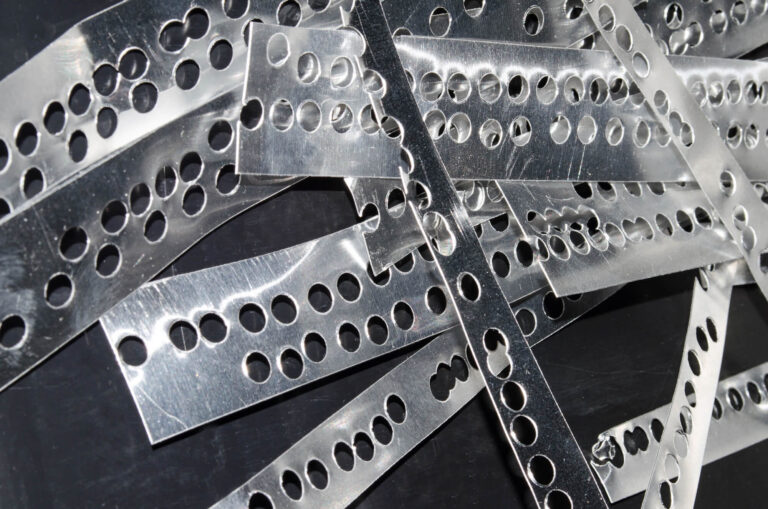
Common nickel-bearing materials include machining offcuts, rejected parts, old equipment, and production residue. Some hold high nickel levels, while others mix nickel with chromium, iron, and copper.
Recycling these materials helps businesses recover value instead of sending reusable scrap metal to disposal. The best recycling route depends on the material’s mix, condition, and end use.
How Is Nickel Scrap Recovered and Reused?
The recycling process includes collection, sorting, prep, metal recovery, and quality checks. Each step helps make sure the recovered metal is fit for reuse.
Collecting Nickel-Containing Scrap
The process begins when businesses sort nickel-bearing scrap from production waste. Common sources include metal fabrication, machining, rejects, and spare industrial parts.
Keeping nickel scrap apart from other metals can improve identification and recovery. Businesses should also keep oils, plastics, coatings, and other waste out of the scrap.
Safe storage and tidy collection protect material quality and make scrap recycling more efficient.
Sorting and Identifying Nickel Scrap
After collection, recyclers inspect the scrap to find its grade and mix. Good identification matters because different nickel alloys have different traits and recovery needs.
Labels, production records, and certificates can help identify the alloy. Recyclers may also use X-ray fluorescence to check the metal mix.
Accurate sorting lowers the risk of mixing mismatched alloys. It also helps choose the best recovery method and shows the scrap’s value.
Preparing Scrap for Recovery
Depending on size and condition, nickel scrap may need cutting, shearing, or other prep before processing. Dirt and residue may also need removal to improve the quality of the metal recovered.
Nickel swarf and metal turnings need extra care because fine pieces, oils, and residue can create handling risks. Businesses should use suitable storage and safe work methods.
Careful prep helps recyclers handle material efficiently and pick the right treatment route.
Recovering Nickel from Scrap
The recovery method depends on the scrap’s mix and quality. Clean, known nickel alloys may suit direct remelting. The metal is melted under control and then prepared for use in manufacturing.
Mixed or dirty materials may need extra treatment. Some nickel-bearing residue can go through chemical treatment, which uses solutions to separate and recover metals.
Not every material needs the same treatment. The aim is to recover usable metal while managing dirt and process residue in a safe way.
Testing Recovered Nickel
Quality checks show whether recycled nickel meets the needs of its intended use. Depending on the material and process, testing may check chemical mix, purity, and other key traits.
Manufacturers often want steady specs, especially when making special alloys or industrial parts. Scrap that does not meet the standard may need more processing or a different recovery route.
Reliable testing helps ensure recycled nickel can be used properly.
How does recycled nickel get reused?
Recovered nickel can return to several industrial supply chains when its quality meets the required spec.
Stainless Steel and Nickel Alloys
Stainless steel is a key use for recovered nickel. Nickel helps resist rust and gives many grades the traits they need.
Recovered metal may also go into special nickel alloys for industrial equipment, engineering parts, and uses exposed to heat or corrosive conditions.
Batteries and Specialist Products
Nickel is used in some rechargeable battery chemistries and other specialist products. But battery recycling needs different methods from standard metal scrap recycling.
Nickel-bearing batteries should go through the right recycling route, not be mixed with normal metal offcuts. The final use for recovered nickel depends on its purity, mix, and the maker’s needs.
Why Does Nickel Scrap Recycling Matter?
Nickel recycling helps conserve finite resources and reduces reliance on primary production. Mining and refining new material use energy and raw materials, while suitable scrap can provide another source of useful metal.
The environmental impact of recycling depends on transport, energy use, process tech, and the metal recovered. Good recycling can lower demand for newly mined nickel, though the benefit varies by site.
As demand for nickel grows in manufacturing and some energy tech, recovering existing metal can support resource efficiency. Recycling does not replace all primary nickel production, but it can help build a more circular economy and a better scrap recycling system.
For businesses, recovering scrap can also create financial value from offcuts, surplus material, and rejected parts. Keeping grades apart and keeping accurate records can improve material tracking and help recyclers find the best recovery option.
How Can Businesses Manage Nickel Scrap Responsibly?
Businesses should identify nickel-bearing waste, separate different grades where practical, and store material securely. Keeping scrap clean and clearly marked can help improve recovery and cut needless processing.
In England, businesses must sort waste correctly and follow the rules that apply to them. The GOV.UK waste guidance explains how to decide waste classes and meet the rules. Requirements may differ across the UK, so businesses should check the rules for their area.
Choosing a suitable recycling provider can help businesses arrange collections and send nickel-bearing material to the right recovery site.
Recycling Nickel Scrap
Effective nickel scrap recycling starts with correct identification, careful segregation, and the right recovery route. These steps help keep material value, reduce avoidable waste, and support more efficient use of resources.
Businesses that create nickel offcuts, nickel alloys, or other nickel-bearing material can explore nickel recycling services to discuss suitable collection and recovery options.
By recycling suitable scrap, businesses can return useful metals to the supply chain and support more responsible use of industrial resources.