Old solar inverters contain copper, aluminium, steel, plastics, and electronic parts. Recycling can recover useful materials and cut electronic waste.
Common materials found in old solar inverters include copper, aluminium, steel, plastics, wiring, and printed circuit boards. These parts support solar energy systems, but they can become waste when equipment reaches the end of its service life. Recycling helps recover useful resources, cut electronic waste, and support the growth of renewable energy.
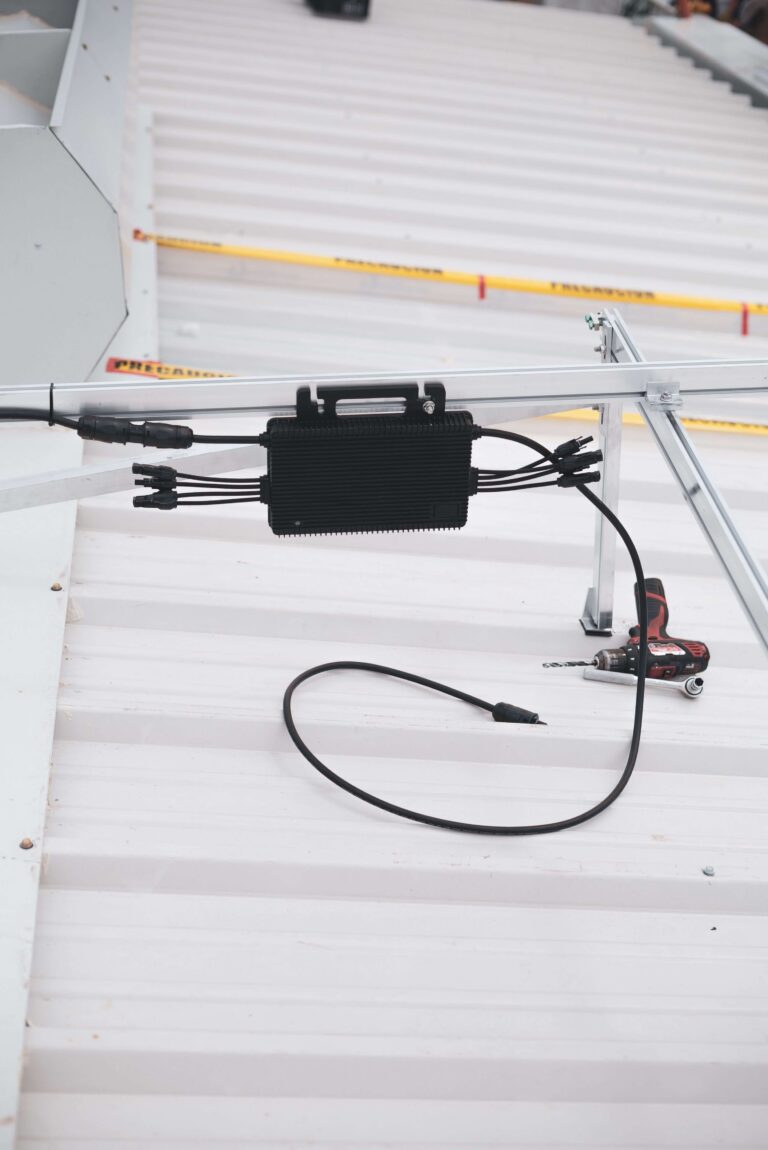
Solar inverters turn direct current (DC) from solar panels into alternating current (AC) for buildings and power networks. Their design changes by model, but many contain recyclable materials that a specialist plant can recover.
Knowing what these units contain helps businesses, installers, and property owners make better choices about old equipment.
Copper in Old Solar Inverters
Copper is one of the most valuable materials in old solar inverters. Its good flow of electricity makes it suitable for internal wiring, coils, transformer windings, and electrical connections.
During recycling, copper parts can be removed and processed for reuse in manufacturing. Recovered copper may be used in power cables, motors, wiring systems, and other products.
Copper recycling also cuts demand for newly mined resources. The amount available depends on the inverter’s size, design, and inner parts. Specialist plants separate copper from other materials to improve recovery and maintain good material quality.
Aluminium Housings and Heat Sinks
Aluminium is often used in inverter cases, heat sinks, and structural parts. It is light, tough, and resists corrosion, so it suits electrical gear.
Heat sinks move heat away from sensitive electronic parts during operation. This helps keep performance steady and limits overheating.
When an inverter reaches end of life, suitable aluminium parts can be separated and sent for recycling. Recovered aluminium can be used in building products, vehicle parts, and new electrical equipment.
Recycling aluminium also helps save natural resources and can use much less energy than making new aluminium from raw materials.
Steel and Other Metal Components
Steel may be found in inverter cabinets, mounting brackets, fasteners, and inner supports. These parts add strength and protect the unit from physical damage.
Steel is widely recyclable and can be made into new metal products. Separating it from plastics, wiring, and electronic assemblies helps improve the quality of recovered materials.
Other metals may appear in smaller amounts. For example, tin may be present in solder, while other metals can appear in electronic parts. Their amounts and recovery value depend on the inverter’s design and age.
Good sorting lets recycling plants send each metal stream to the right recovery process instead of sending the whole unit to disposal.
Printed Circuit Boards and Electronic Components
Printed circuit boards (PCBs) are key parts of most modern solar inverters. They hold the electronic parts that control power conversion, monitor performance, and manage electrical functions.
Depending on the model, these boards may contain chips, resistors, capacitors, connectors, and other electronic parts. Small amounts of valuable materials, including gold and silver, may also appear in some parts.
Recovering these materials needs specialist processing because circuit boards mix metals, plastics, and other substances. Proper treatment helps separate useful resources while handling possibly harmful parts.
Circuit boards should not be taken apart or thrown away carelessly. Sending them to a suitable e-waste recycling site supports safer handling and better resource recovery.
Plastics and Insulating Materials
Plastics are used in inverter covers, connector housings, cable insulation, and inner supports. They protect electrical parts, provide insulation, and help stop physical damage.
Different plastic types may be present in the same inverter. Their makeup, additives, and condition affect whether they can be recycled well.
During processing, suitable plastics may be separated from metals and electronic parts. However, mixed or dirty plastics can be harder to recover.
Keeping these materials apart improves sorting and reduces dirt. Where recycling is not practical, the material must be handled through the right waste route.
Wiring, Connectors and Electrical Components
Old solar inverters contain wiring and connectors that carry power between inner parts and external links. Copper is often used for conductors, while plastic-based materials provide insulation.
Connectors can contain metal terminals, protective housings, and other recyclable materials. Separating these parts allows suitable metals to be recovered instead of lost in mixed waste.
Before collection or processing, equipment must be safely cut off from its power source. Installers and waste handlers should follow correct electrical safety steps, especially where batteries or other energy storage systems are involved.
Recovering wiring and connectors helps save valuable materials and supports more careful management of end-of-life energy systems.
Why Recycling Old Solar Inverters Matters
Solar inverters contain materials that can stay useful after the equipment stops working. Recovering copper, aluminium, steel, and suitable electronic parts reduces waste and helps save natural resources.
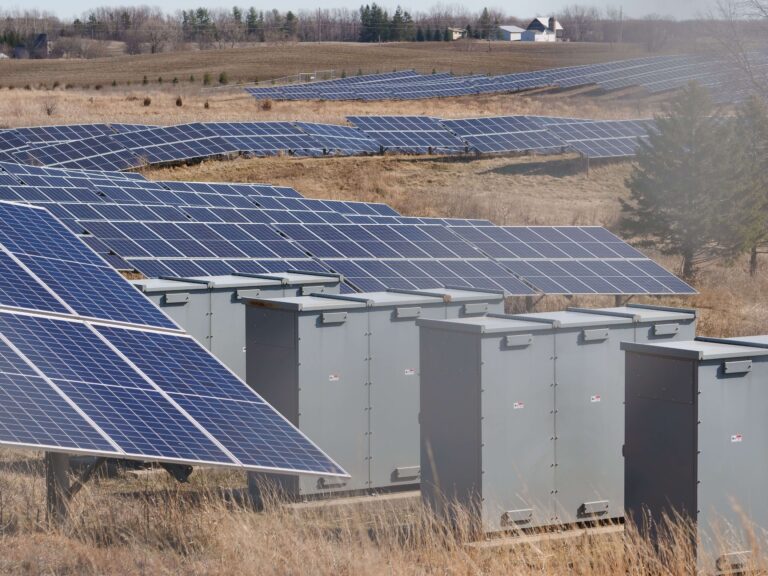
This matters as renewable energy grows and more solar sites eventually need replacement equipment. Although solar panels and solar cells get much of the focus in recycling, inverters also need proper end-of-life care.
Solar panel materials are different from inverter parts, so they need different recycling methods. An inverter should therefore be assessed separately, not treated like a solar panel.
In the UK, solar inverters may fall under Waste Electrical and Electronic Equipment (WEEE) rules, depending on the situation and the rules that apply. Businesses should check official guidance to understand their duties.
Check out the GOV.UK guidance on waste electrical and electronic equipment for information about the rules.
How Old Solar Inverters Are Recycled
The recycling process starts with collection and assessment. A suitable plant identifies the inverter type, checks its condition, and decides how its parts should be handled.
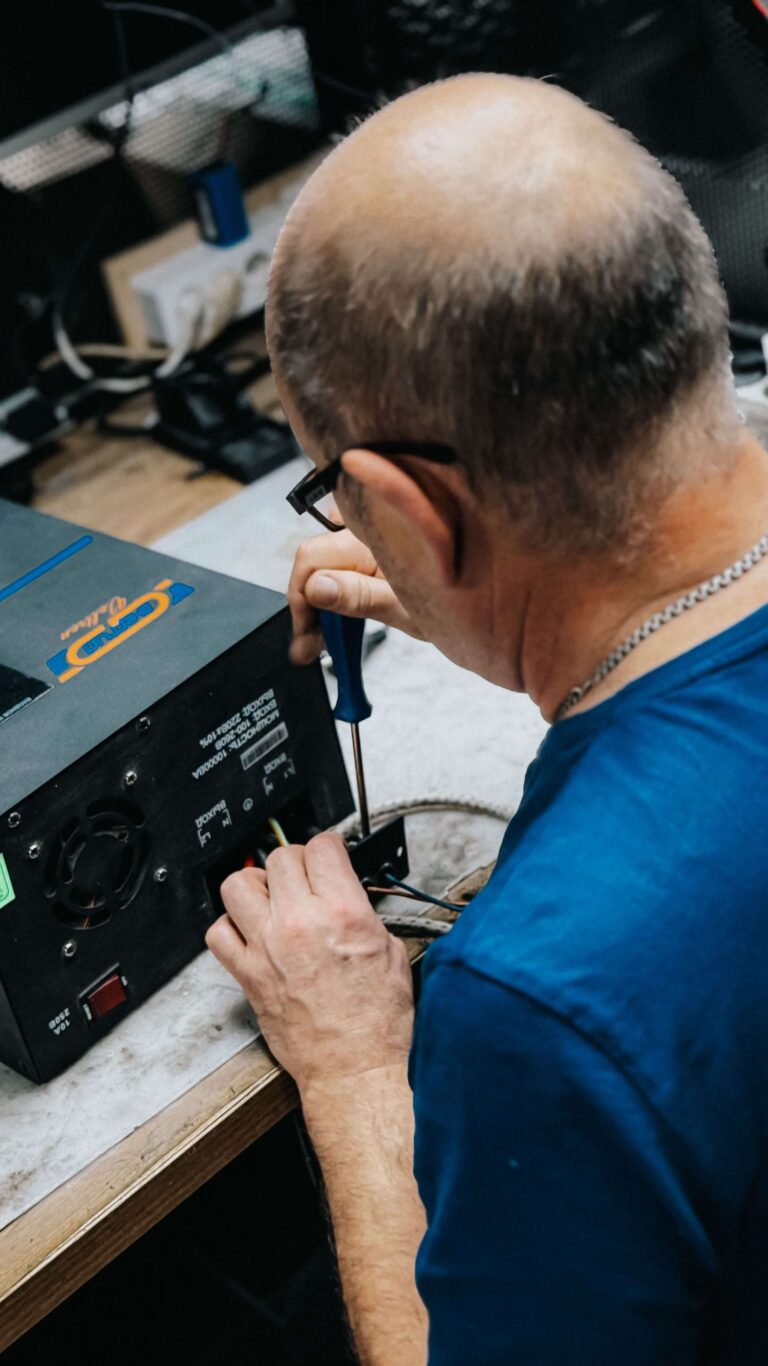
Where appropriate, trained specialists dismantle the unit and separate easy-to-reach materials, including metal housings, cables, and electronic assemblies. Each material stream goes to a suitable recovery or treatment process.
Copper and aluminium can enter standard metal recycling routes, while circuit boards may need specialist processing to recover valuable metals. Plastics are assessed based on their makeup and the recycling options available.
Not every part can be recycled at a profit, and recovery rates vary by model and process. Businesses replacing several inverters can arrange a managed collection through a suitable waste provider to support careful handling and material recovery.
Common materials found in old solar inverters include copper, aluminium, steel, plastics, wiring, and printed circuit boards. Many of these recyclable materials can be recovered through proper processing.
Responsible inverter recycling helps save valuable materials, cut electronic waste, and support the wider renewable energy industry. Businesses, installers, and property owners can help by arranging proper collection and recycling instead of putting old equipment in general waste.