Motor scrap recycling helps businesses recover copper, aluminium, steel and iron from unwanted electric motors. It cuts waste, saves raw materials and supports sustainable manufacturing and the circular economy. This process helps recover metals from motors and return them to use.
Motor scrap and sustainable resource recovery matter for businesses that want to cut industrial waste and get more value from metals in motors. Electric motors are common in manufacturing equipment, machinery, automotive uses and electric vehicles. When they are damaged, old or inefficient, their recyclable parts can still support future production.
Instead of sending unwanted motors to disposal, businesses can recover useful materials through specialist motor recycling. This lowers demand for newly mined raw materials, improves resource use and supports a greener manufacturing industry.
Why Motor Scrap Recycling Matters
Electric motors contain copper, aluminium, steel and iron. These metals are used in construction, engineering, electrical equipment and vehicle manufacturing.
If unwanted motors are not processed well, these recyclable resources can be lost. Motor scrap recycling lets these materials be collected, taken apart, sorted and prepared for reuse.
Recovering metals also helps reduce the pressure from mining and primary metal production. Recycling still uses energy, but recovered materials reduce the need for virgin resources and support more efficient supply chains.
Valuable Materials Recovered from Scrap Motors
The metals found in scrap motors depend on design, size and use. Even so, several metals are often recovered.
- Copper is widely used in motor windings because it conducts electricity very well. Recovered copper can be turned into materials for cables, wiring and other industrial uses.
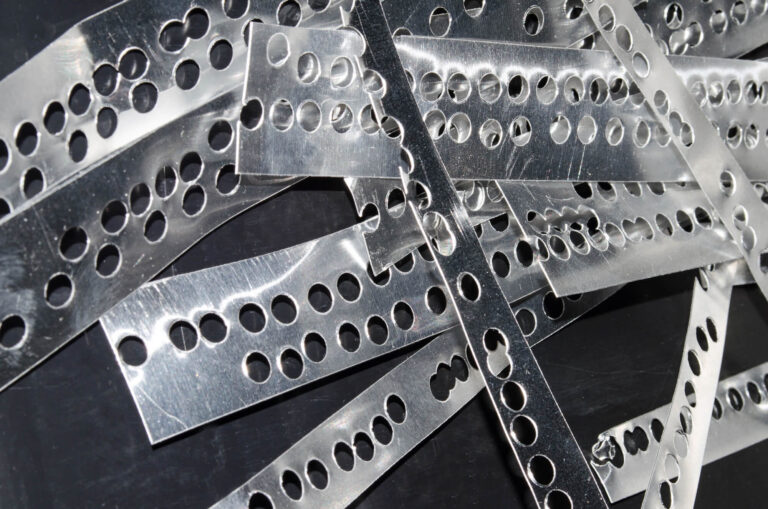
- Aluminium is often found in motor housings and structural parts. Its light weight and recyclability make it useful across manufacturing. Businesses can improve recovery by separating aluminium parts for special processing through metal recycling.
- Manufacturers use steel and iron in motor frames, shafts, and other structural parts. We can separate these ferrous metals and return them to metal production supply chains.
Good separation improves the quality of recovered materials and helps recycling facilities send each metal to the right process.
How Motor Scrap and Sustainable Resource Recovery Work
Motor recycling uses several steps to recover useful parts and recyclable metals.
Collection and Inspection
Unwanted motors are collected from manufacturing sites, engineering workshops, vehicle dismantlers and commercial premises. Each motor is checked to identify its condition and material mix.
Some motors may still be suitable for repair, refurbishment or reuse. Equipment that cannot return to service can move on to material recovery.
Dismantling and Separation
Motors are taken apart to remove their main parts, including casings, copper windings, shafts and bearings. This makes it easier to identify each material and prepare it for processing.
Metal Processing
Recovered parts may go through cutting, shredding, magnetic separation and mechanical sorting. Magnetic equipment helps separate ferrous metals, while other methods recover non-ferrous metals such as copper and aluminium.
Recovery and Reuse
After processing, recovered materials are prepared for recycling and sent to suitable manufacturers or metal processors. These materials can then become part of new products, reducing the need for additional virgin resources.
Statistics Highlighting the Importance of Resource Recovery
Electrical waste figures show why better collection and recycling systems matter across the UK.
- According to Material Focus, UK waste electrical and electronic equipment collections reached about 496,253 tonnes in 2024, up from 473,047 tonnes in 2023. This was an increase of around 4.9%.
- Material Focus also reported that household electrical equipment placed on the UK market rose by 25% between 2018 and 2024, reaching 1.28 million tonnes.
- The UK Government also reported that England generated about 32 million tonnes of commercial and industrial waste in 2024. This shows why better waste management and material recovery are needed across industry.
These figures cover broader electrical and industrial waste, not motor scrap alone. Even so, they show the scale of the recovery opportunity.
Vehicle Recycling and the Recovery of Motor Components
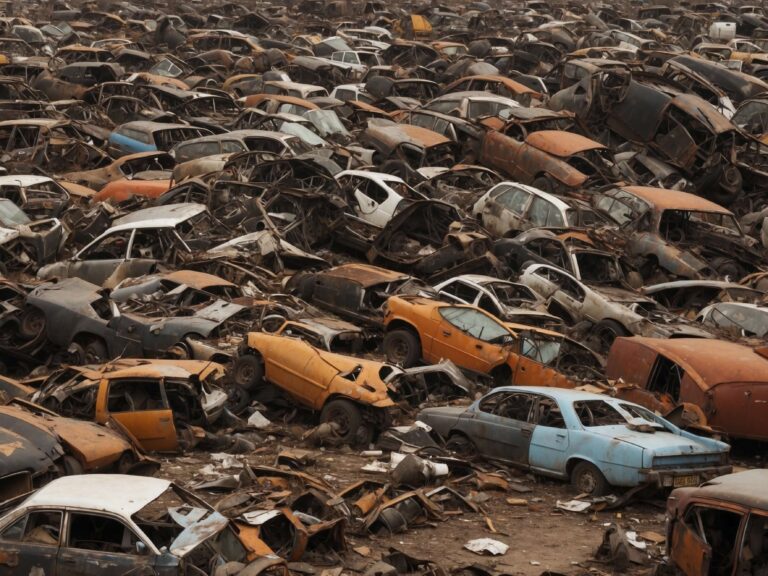
Vehicle recycling gives another chance to recover metals from unwanted motors and automotive equipment. Vehicles contain electric motors, wiring, steel structures and aluminium parts that can be separated for reuse or recycling.
As electric vehicles become more common, recovering materials from their electrical systems and end-of-life parts is becoming more important. Electric vehicle motors can contain copper, steel and other valuable metals that may suit specialist recovery.
End-of-life vehicle recycling also helps reduce waste from damaged or dismantled vehicles. Spotting reusable parts before processing can extend product life and improve material efficiency.
A vehicle at the end of its useful life does not mean every part has lost value. Careful dismantling and recycling can return many materials to manufacturing supply chains.
Environmental Benefits of Sustainable Resource Recovery
Recovering metals from unwanted motors helps reduce the need for new resource extraction. Mining and processing raw materials can use a lot of energy, damage habitats and create industrial waste.
Recycling existing metals helps conserve natural resources while keeping useful materials in use. It can also reduce the amount of industrial waste sent for disposal.
These practices support a circular economy where products and materials stay useful for longer through repair, reuse and recycling.
Businesses can improve their environmental performance by separating scrap motors, preventing material mixing and working with responsible recycling facilities. Good collection and processing also help keep recovered materials in good condition.
Improving Motor Scrap Management in Businesses
Businesses that often replace electric motors should set clear rules for handling unwanted equipment. Separate storage areas can stop recyclable metals from mixing with general waste.
Companies should also check whether damaged motors can be repaired or refurbished before choosing recycling. Extending equipment life can lower replacement costs and reduce waste.
When recycling is needed, businesses should choose suitable waste management partners that can process motors and recover materials responsibly. Keeping accurate records of collections and recycling destinations can also improve reporting and resource management.
The Future of Motor Scrap Recycling
New tools for dismantling, sorting and metal separation are making resource recovery more efficient. Better processing methods can help recycling facilities identify valuable parts and improve recovered material quality.
The growing use of electric vehicles and industrial electrical equipment is also increasing the need for effective end-of-life management.
As manufacturers look for more sustainable supply chains, recycled metals will remain an important source of industrial materials.
Motor scrap and sustainable resource recovery help businesses turn unwanted electric motors into valuable secondary raw materials. Through proper collection, dismantling and processing, copper, aluminium, steel and iron can return to manufacturing supply chains.
By reusing more, improving vehicle recycling practices and working with responsible recycling facilities, businesses can reduce waste, conserve resources and support a more sustainable circular economy.