Metal production has grown fast since the 1970s. This change has reshaped supply chains and industry. Steel, aluminium, and copper output have all risen as industry, infrastructure, and technology have expanded. Asia has become a major production hub, and metal recycling now helps save resources.
Global metal production over 50 years
The way the world makes and uses metals has changed a lot over the last five decades. In the 1970s, metal production mainly supported construction, transport, machinery, and older manufacturing. Today, metals also matter for clean energy, electric vehicles, electronics, and modern infrastructure.
Industry growth and population growth have driven much of this shift. Countries have needed more raw materials to build homes, expand transport systems, make products, and grow energy networks.
The numbers show how fast the industry has grown. The World Steel Association says global crude steel output rose from 644 million tonnes in 1975 to about 1,849 million tonnes in 2025. That is almost three times the yearly total.
Aluminium and copper output have also grown. These gains show how important metal production is to the world economy.
Global Metal Production Statistics Over 50 Years
Historical figures give a clearer view of the change. Steel, aluminium, and copper are good examples because they support many industrial uses.
Steel production
Steel is one of the most used materials in the world. It supports construction, transport, manufacturing, machinery, and energy systems.
In 1975, global crude steel output was about 644 million tonnes. By 2025, it had reached around 1,849 million tonnes, according to the World Steel Association.
This growth reflects higher demand for buildings, bridges, rail lines, vehicles, and industrial equipment.
China is now the world’s largest steel producer. In 2025, it made about 960.8 million tonnes of crude steel. India came next with 164.9 million tonnes.
These figures show how steel production has shifted toward countries with growing factory sectors and more infrastructure spending.
Aluminium production
Aluminium output has also risen sharply over the past 50 years. Its light weight, strength, and rust resistance make it useful in many sectors.
In 1975, global primary aluminium output was about 12 million tonnes. By 2024, annual output had reached around 72.9 million tonnes, according to the International Aluminium Institute.
That is more than six times higher.
The car, aircraft, construction, and packaging industries have helped drive this growth. Manufacturers use aluminium in vehicle parts, aircraft frames, window frames, electrical systems, and packaging.
China is now the top primary aluminium producer. Its large factory base and industrial scale have helped it become a major supplier to world markets.
But primary aluminium uses a lot of electricity. That has increased interest in secondary aluminium, which comes from recovered scrap.
Copper production
Copper has become more important because it carries electricity well and resists rust.
In 1974, global copper mine output was about 7.1 million tonnes. By 2024, it had climbed to around 23 million tonnes, according to the International Copper Study Group.
The growth reflects demand from construction, electrical gear, telecoms, transport, and manufacturing.
Copper is also key for clean energy systems. Solar panels, wind turbines, electric vehicles, and power grids all use copper parts.
The International Copper Study Group says global refined copper use reached about 27.4 million tonnes in 2024. This shows rising demand across old and new industries.
What Caused Global Metal Production To Rise?
Several economic and industrial changes helped push world metal output higher.
Industry growth and the economy
Industry growth has been one of the main drivers of metal demand. Countries building factory sectors need steel, aluminium, copper, and other metals for factories, machinery, transport systems, and construction.
As economies grow, manufacturers need more raw materials to make goods and support industry.
Growth in emerging economies has played a major role in raising global metal output.
Urban growth and infrastructure development
Population growth and urban growth have increased demand for homes, offices, roads, railways, bridges, and public works.
Steel gives buildings and transport systems strength. People widely use aluminium in windows, roofing, and building parts, while copper supports wiring and plumbing.
Large infrastructure projects need huge amounts of these materials. That has led to more investment in mining, metal processing, and factory capacity.
Technology changes
Technology changes have created new uses for metals.
Growth in electronics, telecoms, electric vehicles, and clean energy has increased demand for materials with special qualities.
Copper matters for electrical links and power flow. Aluminium reduces vehicle weight, while manufacturers use nickel in stainless steel and some batteries.
These uses have widened the role of metals beyond older construction and manufacturing.
How Has Global Metal Production Shifted Between Countries?
One of the biggest changes over the past 50 years has been the regional shift in metal production.
In the 1970s, Europe, North America, and Japan had strong industrial economies. They were important in world manufacturing and metal production.
Over time, China grew into a major factory and industry hub. Investment in infrastructure, factories, transport, and construction raised demand for metals and encouraged local output.
India has grown its steel industry. At the same time, South America and Africa remain important sources of mined metals and minerals.
This regional shift has changed global supply chains. Companies often mine raw materials in one country, process them in another, and use them in factories somewhere else.
As a result, global metal markets are now more closely linked through world trade.
The Growing Importance of Metal Recycling
Higher output has increased the amount of metal used in products, machinery, vehicles, and infrastructure. Many of these materials later reach the end of their useful life.
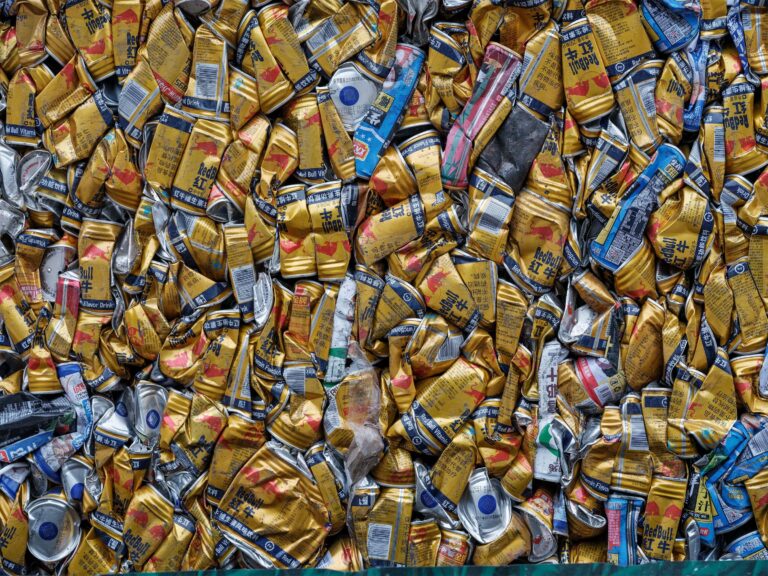
Metal recycling helps recover valuable resources from these products and return them to manufacturing.
You can recover and process steel, aluminium, copper, brass, nickel, and other metals for reuse. This cuts the need for some primary raw materials and keeps recyclable material out of landfill.
Recycling can also lower energy use. For example, recycling aluminium needs far less energy than making primary aluminium from bauxite.
The International Copper Study Group says secondary refined copper made up about 17% of global refined copper output in 2024.
As metal use keeps rising, better collection, sorting, and processing systems will matter more. Companies can also improve recovery by separating and recycling metal offcuts and production waste.
Environmental Challenges Linked to Global Metal Production
Even though metal production supports growth, it also creates environmental problems.
Mining can disturb land, harm wildlife areas, and use a lot of water. Metal processing can use large amounts of energy and create industrial emissions.
Steel production is a key issue in carbon debates about industry. Standard methods rely heavily on fossil fuels.
Aluminium production also needs a lot of electricity. Its impact depends in part on the energy used in smelting.
Copper mining also faces new challenges as demand grows. Getting usable copper from lower-grade ores can take more processing and resources.
These issues have pushed companies and producers to use cleaner technology, better resource use, and more recycled metals.
What Does the Future of Global Metal Production Look Like?
Global metal production should stay important as economies grow and new technologies spread.
Clean energy infrastructure, electric vehicles, battery production, and power grids will keep shaping demand for different metals.
The International Copper Study Group says global refined copper use reached 27.4 million tonnes in 2024. This shows how important copper is for electrical systems, construction, and modern manufacturing.
But future supply will not depend only on more mining. Recycling, reuse, and better material recovery can help meet part of demand.
Companies will also need to think about product design, material use, and how to recover metals from industrial waste.
Investment in recycling plants and better processing technology could help create a more resource-efficient metal industry.
Global metal production has changed a lot over the last 50 years. Steel production has almost tripled. Primary aluminium production has increased more than six times. Copper mine output has also more than tripled.
Industry growth, infrastructure work, urban growth, and technological progress have driven much of this growth. Production has also shifted toward Asia, with China becoming a leading producer of several major metals.
Looking ahead, the industry must balance growing material demand with environmental responsibility. Metal recycling will help recover valuable resources. Reducing waste will support a more sustainable global supply chain.