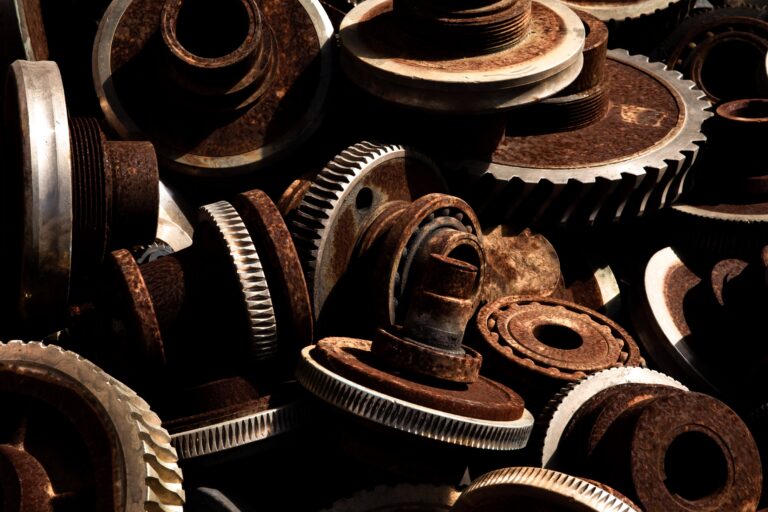
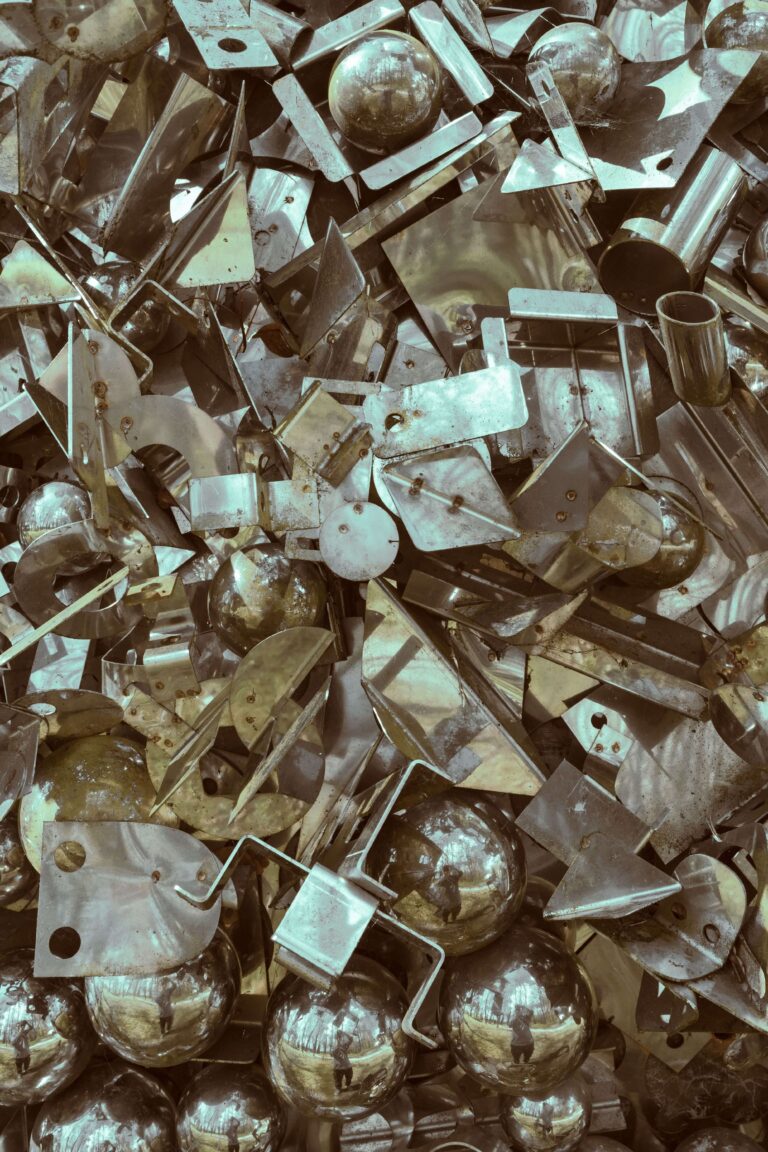
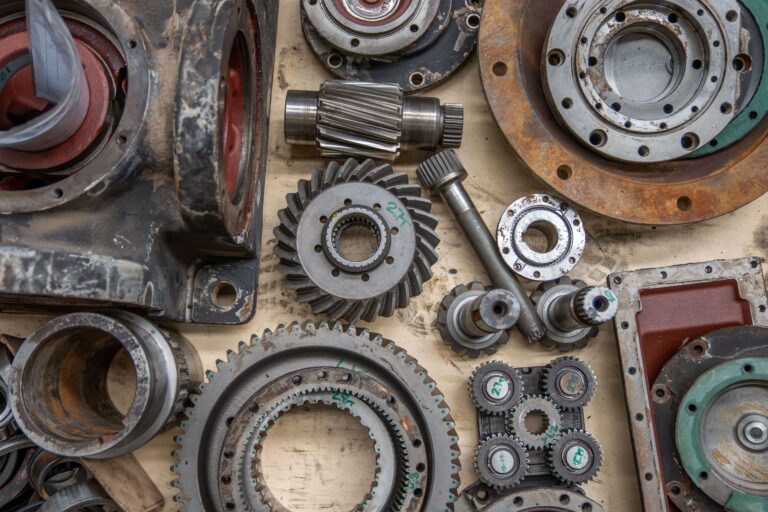
Brass components can be collected, sorted, and recycled when they are no longer needed, helping businesses recover valuable metal.
What Are Brass Components?
Brass components are parts made from an alloy of copper and zinc. They are widely used because brass is strong, durable and resistant to corrosion.
Businesses use brass components in plumbing, construction, engineering, manufacturing and electrical applications. Common examples include valves, fittings, taps, connectors, pipes, fasteners and machinery parts.
Although brass is durable, components eventually become damaged, worn or unsuitable for their original purpose. These life symptoms do not necessarily mean the material has reached the end of its useful life. The brass itself can often be recovered through recycling.
Brass Components at End of Life: What Happens Next?
When brass components reach the end of their working life, they can enter a recycling process instead of being sent to general waste. The first stage is usually collection and separation.
Businesses may have brass components from equipment replacement, building work, manufacturing processes, or maintenance activities. Keeping these materials separate from general waste makes identification and recovery easier.
After collection, the brass is assessed and sorted. The condition, type, and composition of the material can affect how it is processed. Brass may also be separated from other metals and attached materials.
This preparation creates a suitable feedstock for further processing and helps keep valuable metal within the recycling chain.
How Are Brass Components Collected?
Brass components can be collected from commercial and industrial premises as part of a wider metal waste management service. Collection may include unwanted fittings, valves, connectors, offcuts and other brass parts.
Good storage practices can help prevent contamination before collection. Businesses should keep brass separate from general waste wherever practical and avoid mixing it unnecessarily with other materials.
Professional collection services can assess different types of metal waste and determine the most appropriate recycling route.
For businesses requiring specialist metal waste management, MetalCycle provides a suitable route for recovering unwanted brass components.
What Happens During Sorting?
Sorting is an important stage because brass components can be mixed with other metals or non-metal materials. Separating different materials helps improve the quality of the recovered metal.
A recycling facility may identify brass by its appearance, composition and other characteristics. Components containing plastic, rubber or other attached materials may require additional separation.
Large pieces can also be processed into more manageable sizes. This makes subsequent handling and recycling more efficient.
Proper sorting helps prevent recyclable brass from becoming contaminated and supports better recovery of the material.
What Happens to Brass Components at End of Life?
The next stage involves processing the sorted brass. Depending on the material, this may include mechanical preparation and further separation before the metal is prepared for recycling.
Processed brass can then be melted and used as a secondary raw material. Instead of being discarded, the recovered metal can enter another manufacturing cycle.
The UK waste hierarchy supports recycling where it is the appropriate option after prevention, reuse and preparation for reuse.
What Can Recycled Brass Become?
Recovered brass can be used to manufacture new products and components. Its final application depends on the quality and specification of the recycled material.
It may return to manufacturing as material for fittings, valves, connectors, engineering products and other brass applications. This gives the metal another useful purpose without requiring every new product to rely solely on newly extracted resources.
Brass is particularly suitable for recycling because its material properties can be retained through appropriate recovery and processing.
Why Is Brass Recycling Important?
Brass recycling helps businesses reduce the amount of valuable metal entering general waste streams. It also supports the recovery of materials that can be used again in manufacturing.
Recycling brass can reduce the need to treat suitable metal as waste and helps businesses manage their resources more effectively. Separating brass at the point where it becomes waste can also make collection and processing easier.
The process supports a more circular approach to metal use by keeping recovered materials in circulation for longer.
For businesses, professional recycling can also provide a structured way to manage brass alongside other recyclable metals.
How Can Businesses Prepare Brass for Recycling?
Businesses can improve the recycling process by identifying brass components before they are discarded. Old valves, fittings, connectors, taps and offcuts may still contain valuable recyclable metal.
Brass should be stored separately where possible to reduce contamination. Components containing other materials can be kept together if specialist recyclers are able to assess and separate them during processing.
Regular collection can also prevent metal waste from accumulating and help businesses maintain cleaner waste storage areas.
Choosing a Professional Recycling Service
A professional metal recycling service can help businesses manage brass components and other metal waste through suitable collection, sorting, and processing routes.
This is particularly useful for businesses that generate several types of metal waste. A specialist service can assess the materials and advise on suitable collection arrangements.
MetalCycle provides professional brass recycling services for businesses handling different types of recyclable metals. This allows suitable brass waste to be directed towards recovery rather than unnecessary disposal.
Businesses should ensure that their chosen recycling provider operates in accordance with relevant environmental and waste management requirements. The GOV.UK waste guidance provides information on waste management responsibilities in England.
Giving Brass Components a New Purpose
Brass components do not have to become general waste when they are no longer suitable for their original application. Collection, sorting and processing can recover the brass and prepare it for another manufacturing cycle.
Understanding brass components at end of life helps businesses recognise the value of separating and recycling unwanted metal. With the right service, brass can move from an unwanted component to a useful secondary raw material.