
How Engineering Businesses Can Manage Brass Scrap

Engineering businesses can manage brass scrap by separating, storing, and professionally recycling it to recover valuable metal.

Engineering businesses can manage brass scrap more efficiently by separating it at source, storing it correctly and arranging professional collections. Brass offcuts, machining swarf, fittings, valves and obsolete components can all contain valuable material. Keeping these materials separate from general waste supports better recovery and helps businesses maintain cleaner and more organised workplaces.

Where Engineering Businesses Generate Brass Scrap

Brass scrap can be produced during machining, fabrication, maintenance, installation and equipment replacement. Common examples include brass offcuts, turnings, swarf, pipes, valves, fittings and unwanted components.

Identifying where brass waste is generated helps businesses create a more effective collection system. Workshop managers can review production areas and determine how much brass is produced and which types of material are most common.

This information can then be used to position suitable containers close to the areas where scrap is created.

How Engineering Businesses Can Manage Brass Scrap

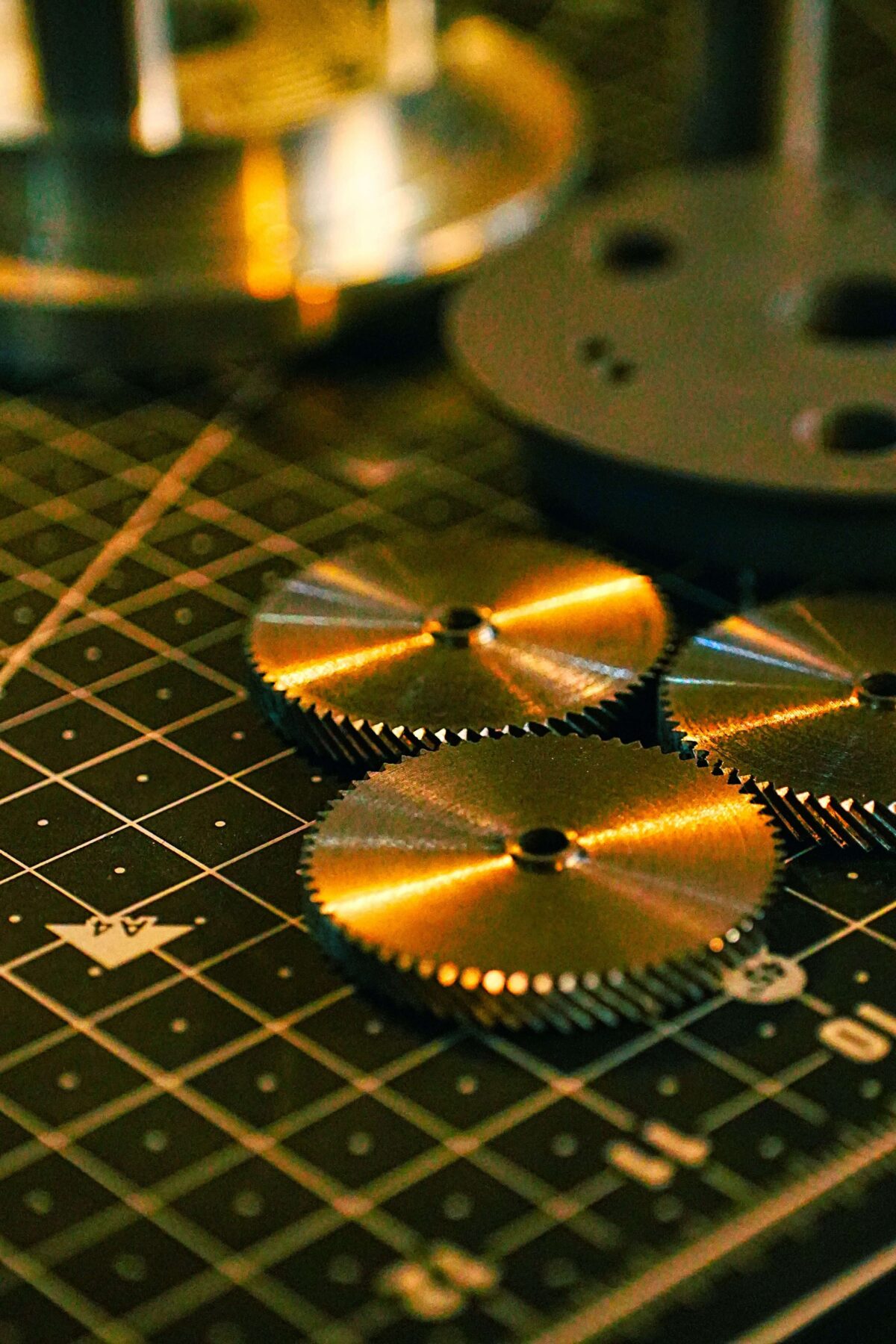
The first step is to separate brass from other materials as soon as it becomes waste. Clearly labelled containers can be placed near machinery, workstations and maintenance areas so employees can dispose of brass correctly.

Brass should not be mixed unnecessarily with steel, aluminium, plastic or general waste. Separating different materials makes sorting easier and can help maintain the quality of recyclable scrap metal.

Where possible, clean brass offcuts should also be kept separate from machining swarf containing oils or cutting fluids. Different grades of brass may also need separate handling depending on their composition and the requirements of the recycling service.

A simple segregation system can make it easier for employees to identify where each material belongs and reduce contamination.

Store Brass Scrap Correctly

Safe storage is an important part of managing brass scrap. Engineering businesses should use suitable containers that can safely hold the weight and shape of the material.

Containers should be positioned where they are easy to access without blocking walkways, emergency exits or working areas. Sharp edges and heavy components should also be handled carefully to reduce workplace risks.

Keeping the storage area organised makes it easier to monitor how much scrap has accumulated. It can also help businesses arrange collections before containers become full.

Keep Brass Separate from General Waste

Brass is a recyclable metal, so it should not normally be treated as general waste when a suitable recycling route is available.

Separating brass at the point where it is generated reduces the chance of valuable material becoming contaminated. It also makes collection and processing more efficient for recycling providers.

Businesses that produce several types of metal should consider a wider waste segregation system. Brass, copper, aluminium, stainless steel and other metals can be collected separately according to the requirements of the recycling service.

Arrange Professional Brass Recycling

Once brass has been separated and stored, businesses can arrange collection with a professional recycling provider. A suitable service can assess the type and quantity of material and determine the appropriate recycling route.

MetalCycle brass recycling provides a dedicated service for businesses producing brass scrap from engineering, manufacturing, and other industrial activities.

Professional collection can help businesses move scrap from their premises efficiently while ensuring recyclable material is directed towards an appropriate recovery process.

For businesses producing several types of scrap metal, MetalCycle’s metal recycling services can provide support for different recyclable metals.

Plan Regular Scrap Collections

Collection frequency should reflect how quickly an engineering business produces brass scrap. A high-volume manufacturing site may require more frequent collections than a smaller engineering workshop.

Regular collections can prevent containers from overflowing and keep storage areas under control. Businesses can monitor scrap volumes and adjust collection schedules when production levels change.

A consistent collection routine also makes brass waste management easier for employees because they know where material should be stored and when it will be removed.

Why Manage Brass Scrap Properly?

Good scrap management helps engineering businesses recover materials that still have value. Brass can be recycled and processed for use in new products, reducing the need for virgin raw materials.

Effective brass recycling also supports a circular approach to resource use. Instead of sending recyclable metal to general waste, businesses can return suitable brass material into the recycling chain.

Better segregation can also improve workplace organisation. Clearly labelled containers and defined storage areas give employees a simple system for dealing with scrap as soon as it is produced.

Managing Different Types of Metal Scrap

Engineering businesses often produce more than one type of metal waste. Brass may be generated alongside copper, aluminium, stainless steel, nickel, lead and other materials.

Each material can have different recycling requirements, so keeping metals separated can make collection and processing more straightforward.

A professional recycling service can help businesses determine how different materials should be stored and collected. This approach allows companies to manage brass scrap alongside their wider metal waste requirements.

Engineering businesses can manage brass scrap effectively by separating it at source, storing it safely, and arranging professional collections. Good segregation keeps valuable brass away from general waste and supports efficient brass recycling.

For businesses producing brass alongside other metals, a professional recycling service can provide a practical way to manage scrap metal and maintain an organised waste management system.

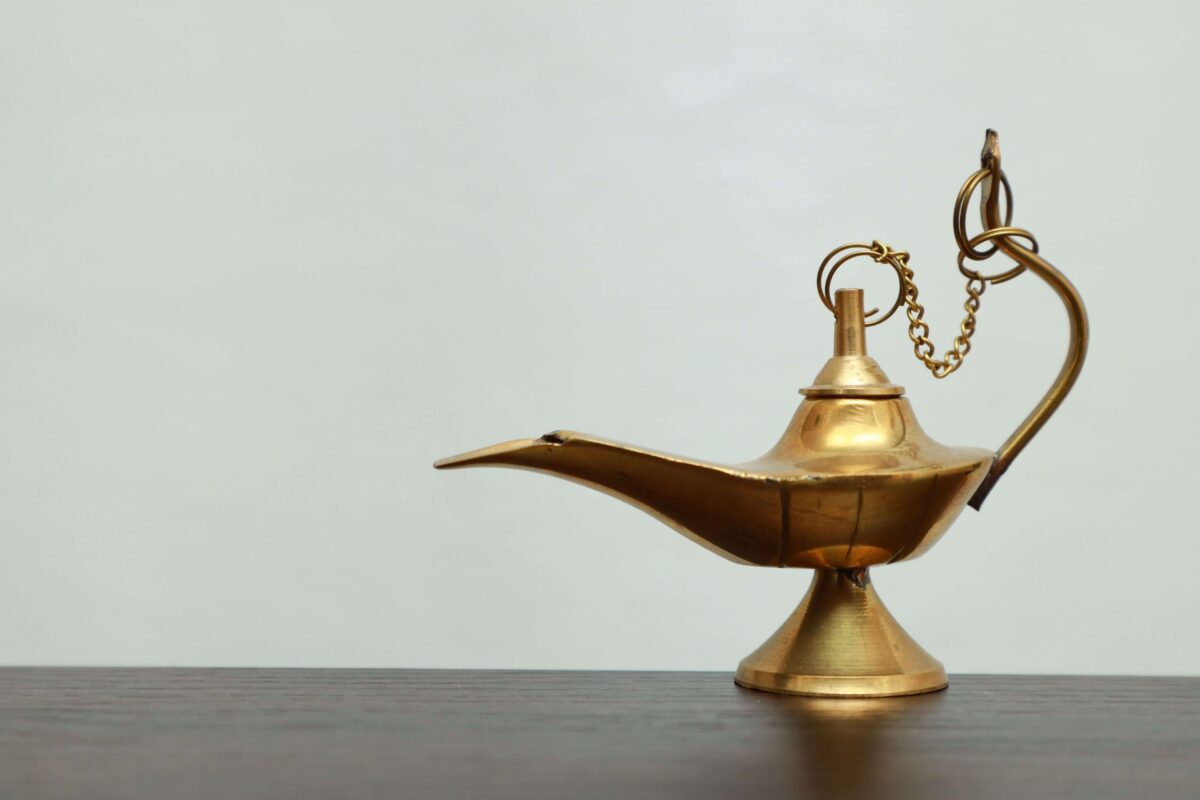
Brass Components at End of Life: What Happens Next?

Brass components can be collected, sorted, and recycled when they are no longer needed, helping businesses recover valuable metal.

What Are Brass Components?

Brass components are parts made from an alloy of copper and zinc. They are widely used because brass is strong, durable and resistant to corrosion.

Businesses use brass components in plumbing, construction, engineering, manufacturing and electrical applications. Common examples include valves, fittings, taps, connectors, pipes, fasteners and machinery parts.

Although brass is durable, components eventually become damaged, worn or unsuitable for their original purpose. These life symptoms do not necessarily mean the material has reached the end of its useful life. The brass itself can often be recovered through recycling.

Brass Components at End of Life: What Happens Next?

When brass components reach the end of their working life, they can enter a recycling process instead of being sent to general waste. The first stage is usually collection and separation.

Businesses may have brass components from equipment replacement, building work, manufacturing processes, or maintenance activities. Keeping these materials separate from general waste makes identification and recovery easier.

After collection, the brass is assessed and sorted. The condition, type, and composition of the material can affect how it is processed. Brass may also be separated from other metals and attached materials.

This preparation creates a suitable feedstock for further processing and helps keep valuable metal within the recycling chain.

How Are Brass Components Collected?

Brass components can be collected from commercial and industrial premises as part of a wider metal waste management service. Collection may include unwanted fittings, valves, connectors, offcuts and other brass parts.

Good storage practices can help prevent contamination before collection. Businesses should keep brass separate from general waste wherever practical and avoid mixing it unnecessarily with other materials.

Professional collection services can assess different types of metal waste and determine the most appropriate recycling route.

For businesses requiring specialist metal waste management, MetalCycle provides a suitable route for recovering unwanted brass components.

What Happens During Sorting?

Sorting is an important stage because brass components can be mixed with other metals or non-metal materials. Separating different materials helps improve the quality of the recovered metal.

A recycling facility may identify brass by its appearance, composition and other characteristics. Components containing plastic, rubber or other attached materials may require additional separation.

Large pieces can also be processed into more manageable sizes. This makes subsequent handling and recycling more efficient.

Proper sorting helps prevent recyclable brass from becoming contaminated and supports better recovery of the material.

What Happens to Brass Components at End of Life?

The next stage involves processing the sorted brass. Depending on the material, this may include mechanical preparation and further separation before the metal is prepared for recycling.

Processed brass can then be melted and used as a secondary raw material. Instead of being discarded, the recovered metal can enter another manufacturing cycle.

The UK waste hierarchy supports recycling where it is the appropriate option after prevention, reuse and preparation for reuse.

What Can Recycled Brass Become?

Recovered brass can be used to manufacture new products and components. Its final application depends on the quality and specification of the recycled material.

It may return to manufacturing as material for fittings, valves, connectors, engineering products and other brass applications. This gives the metal another useful purpose without requiring every new product to rely solely on newly extracted resources.

Brass is particularly suitable for recycling because its material properties can be retained through appropriate recovery and processing.

Why Is Brass Recycling Important?

Brass recycling helps businesses reduce the amount of valuable metal entering general waste streams. It also supports the recovery of materials that can be used again in manufacturing.

Recycling brass can reduce the need to treat suitable metal as waste and helps businesses manage their resources more effectively. Separating brass at the point where it becomes waste can also make collection and processing easier.

The process supports a more circular approach to metal use by keeping recovered materials in circulation for longer.

For businesses, professional recycling can also provide a structured way to manage brass alongside other recyclable metals.

How Can Businesses Prepare Brass for Recycling?

Businesses can improve the recycling process by identifying brass components before they are discarded. Old valves, fittings, connectors, taps and offcuts may still contain valuable recyclable metal.

Brass should be stored separately where possible to reduce contamination. Components containing other materials can be kept together if specialist recyclers are able to assess and separate them during processing.

Regular collection can also prevent metal waste from accumulating and help businesses maintain cleaner waste storage areas.

Choosing a Professional Recycling Service

A professional metal recycling service can help businesses manage brass components and other metal waste through suitable collection, sorting, and processing routes.

This is particularly useful for businesses that generate several types of metal waste. A specialist service can assess the materials and advise on suitable collection arrangements.

MetalCycle provides professional brass recycling services for businesses handling different types of recyclable metals. This allows suitable brass waste to be directed towards recovery rather than unnecessary disposal.

Businesses should ensure that their chosen recycling provider operates in accordance with relevant environmental and waste management requirements. The GOV.UK waste guidance provides information on waste management responsibilities in England.

Giving Brass Components a New Purpose

Brass components do not have to become general waste when they are no longer suitable for their original application. Collection, sorting and processing can recover the brass and prepare it for another manufacturing cycle.

Understanding brass components at end of life helps businesses recognise the value of separating and recycling unwanted metal. With the right service, brass can move from an unwanted component to a useful secondary raw material.

Why Brass Recovery Supports Resource Conservation

Brass recovery keeps valuable metals in use. It cuts waste and supports the circular economy by conserving natural resources.

What Is Brass Recovery?

Brass recovery means collecting, sorting, and processing unwanted brass so its value is kept. Common sources include brass scrap, plumbing fixtures, electrical components, valves, pipes, fittings, and manufacturing offcuts.

Instead of sending usable metal to general waste, businesses can separate brass and send it through the right recycling process. This keeps valuable materials in the supply chain and reduces the need for needless disposal.

Why Brass Recovery Supports Resource Conservation

Brass contains valuable metals, mainly copper and zinc. Recovering them reduces the need to rely only on newly mined resources.

Making new brass from raw materials requires mining, processing, and manufacturing. These steps use energy and natural resources and can raise the environmental impact. Recycling brass gives manufacturers another source of metal and helps them use what is already on hand.

Brass also keeps its useful properties through recycling. That makes recovery an environmentally friendly way to manage suitable brass waste while using resources more wisely.

How Brass Recovery Conserves Natural Resources

Conserving natural resources is a key benefit of brass recovery. Copper and zinc are limited materials that must be extracted before new products can be made.

When businesses recover brass scrap, the metal can return to the recycling system instead of being thrown away. The recovered metal can then become secondary raw material for new products.

This reduces pressure on virgin resources and keeps useful materials in circulation. It also supports better material management across manufacturing, engineering, construction, and maintenance.

Reducing Waste Through Brass Recycling

Reducing waste starts with spotting materials that can be recovered instead of discarded. Brass is often found in products and parts used in commercial and industrial work.

Plumbing fixtures, electrical components, valves, taps, and engineering parts can all add to brass waste when they are replaced or removed. Manufacturing can also produce offcuts and other scrap.

Separating brass from general waste lets businesses send suitable material into recycling. Good segregation can also reduce pollution and make collection and processing more efficient.

The Environmental Impact of Brass Recovery

The environmental impact of metal production can run from raw material extraction through processing and manufacturing. Recovering existing brass can lower demand for some virgin raw materials and keep recyclable metal out of general waste.

Recycling brass does not remove the need for mining or new metal production. But it does offer a practical way to make better use of materials already in circulation.

This can help businesses reduce waste while contributing to a more sustainable approach to resource management.

Brass Recovery and the Circular Economy

Brass recovery supports the circular economy by keeping materials in use for longer. Instead of treating unwanted brass as waste, businesses can return it to an established recycling process.

We can process the recovered metal and use it as a secondary material for manufacturing. This creates a more efficient material cycle and helps reduce the loss of valuable resources.

A circular approach also helps businesses think about what happens to materials after use. Recovering brass is one practical step toward keeping metals in the supply chain and reducing avoidable waste.

Economic Benefits of Brass Recovery

The economic benefits of brass recovery can add to its environmental value. Brass is a valuable recyclable material, so suitable scrap can have worth instead of becoming a disposal cost.

Businesses that create regular brass scrap can improve waste management by separating recyclable material from general waste. Good segregation can make collections easier and help keep valuable metal out of mixed waste.

Professional brass recycling services can also help businesses manage different metal waste streams through suitable collection and processing arrangements.

Common Sources of Brass Scrap

Brass can be found in many commercial and industrial products. Plumbing fixtures such as taps, valves, and fittings can contain a large amount of brass. Electrical components, machinery parts, and engineering equipment may also include brass parts.

Manufacturing businesses can create brass offcuts, machining waste, and unwanted components during production. Construction and maintenance work can also produce extra scrap when old fittings and equipment are removed.

Keeping these materials separate can make recovery easier and support more efficient recycling.

How Businesses Can Improve Brass Recovery

Businesses can improve brass recovery by finding where scrap is made and setting up the right collection points. Brass should be kept apart from general waste and other metals where practical.

Clear labels can help staff place materials in the right waste stream. Regular collections can then prevent built-up scrap from taking up unnecessary storage space.

For businesses handling several types of metal, a professional recycling service can provide suitable collection and recycling arrangements. MetalCycle supports businesses with professional metal recycling services for different types of metal waste, helping recyclable materials reach the right recovery route.

A More Sustainable Approach to Brass Waste

Recovering brass gives businesses a practical way to conserve natural resources, reduce waste, and keep material value. Instead of discarding brass after use, businesses can return suitable scrap to the recycling process.

This supports the economic benefits of material recovery while helping reduce the environmental impact linked to relying only on virgin resources.

Recycling brass helps businesses save resources, support a circular economy, and manage waste sustainably.

Brass Offcuts: What Can Businesses Recycle?

Businesses can recycle brass offcuts, fittings, pipes, valves, and machining scrap. The key is to keep brass separate from other waste.

Brass scrap has value when it is clean and well sorted. Good segregation also makes brass recycling easier for the recycler.

What Are Brass Offcuts?

Brass offcuts are leftover pieces made when businesses cut, machine, shape, or make brass products.

They often come from engineering, plumbing, construction, manufacturing, fabrication, and maintenance work.

These pieces can be large or small. Some are cut from sheet or bar stock. Others are made during machining and fabrication.

They may no longer suit their original use, but they still contain useful metal.

Brass is mainly an alloy of copper and zinc. Clean brass scrap is a useful feedstock for brass recycling. UK waste rules recognise copper, bronze, and brass under waste code 17 04 01 for some metal recycling work.

Businesses can recycle many clean brass offcuts when the material suits the recycling process. Common items include brass sheets, cut sections, machining pieces, fittings, pipes, valves, and other parts.

Brass Sheets and Cut Sections

Manufacturing and fabrication businesses often produce brass sheets and sections that are too small for further production.

Instead of sending them to general waste, businesses can collect them as brass scrap.

Keeping larger pieces apart can make sorting easier and maintain the material in good shape. Clean, easy-to-identify brass is usually simpler to handle than mixed scrap metal.

Brass Pipes and Tubes

Plumbing, heating, and engineering work can create brass pipe and tube offcuts during installation or fabrication.

Short lengths that are no longer needed can be collected with other brass scrap.

Businesses should check if more separation is needed before recycling pipes that still have other materials attached. Removing unwanted parts can help improve the quality of the recovered metal.

Brass Fittings and Connectors

Brass fittings, connectors, and couplings are common sources of recyclable brass waste.

They can come from plumbing work, manufacturing, equipment changes, and building maintenance.

You should keep unused or damaged fittings out of general waste where possible. Businesses can then arrange collection with a suitable scrap metal recycler.

Brass Valves and Components

Old brass valves and mechanical parts may contain usable brass.

These items can come from industrial equipment, plumbing systems, manufacturing machines, and maintenance work.

If a part contains plastic, rubber, or other materials, the recycler may ask for extra separation. Sorting different materials can make brass recycling more efficient.

Machining and Manufacturing Scrap

Engineering and manufacturing businesses can make brass turnings, swarf, and small pieces during machining.

You should manage these materials with care because their size and condition can differ from larger brass offcuts.

Separating brass machining waste from other metals helps reduce mixing. Businesses should also follow the collection and handling rules given by their recycling contractor.

How Should Businesses Prepare Brass Offcuts for Recycling?

Good preparation can make brass waste easier to manage.

Businesses should place clearly marked containers for brass scrap near the places where offcuts are made.

Brass should be kept apart from steel, aluminium, copper, ferrous metals, and general waste. Mixing different waste can make sorting harder and may lower the value of the scrap metal.

Where practical, businesses should also keep brass free from extra mixing. Items with a lot of plastic, rubber, insulation, or other materials may need more processing.

A steady collection plan can stop scrap from building up around production areas. It can also help businesses manage brass scrap and keep work areas cleaner.

Why Recycle Brass Offcuts?

Brass recycling lets businesses recover a material that still has useful value.

Instead of treating brass as general metal waste, companies can return it to the scrap metal recycling system.

Recycling also supports resource efficiency. We can process recovered metals and use them as secondary raw materials, which reduces the need to rely only on new resources.

Metal recycling can carry out work such as sorting, separation, grading, shearing, baling, and cutting under the right environmental permit rules.

For businesses, better segregation can also improve waste management. When we separate recyclable metals where they are made, less material may mix with unsuitable waste.

How Can Businesses Reduce Brass Waste?

Recycling should be part of a wider waste reduction plan.

Businesses can reduce brass waste by improving cut plans, measuring materials more accurately, and reviewing how often offcuts are made.

Manufacturers can review production steps to identify where they remove too much material. Better planning may cut extra offcuts while improving use of purchased materials.

You can also keep suitable pieces for future jobs if the specs allow. This can reduce the need to buy new material for smaller parts.

Staff training is another important step. Employees should know which containers are for brass and which materials must stay apart. Clear signs and dedicated storage areas can make sorting easier.

How Can Businesses Arrange Brass Offcut Recycling?

Businesses should first identify the types and rough amounts of brass waste they make.

This information can help a recycling provider understand the needed collection and storage setup.

A suitable brass recycling service may accept different forms of brass scrap, including offcuts, fittings, valves, and machining waste. Collection plans can then match the volume and frequency of waste generated.

Businesses should also ensure that their chosen waste contractor is properly authorized for the work they do. In England, the government provides guidance on environmental permits for businesses involved in brass recycling and waste treatment.

Recycle Brass Offcuts Instead of Wasting Valuable Material

Brass offcuts do not have to become general waste.

Businesses can often collect sheets, pipes, fittings, valves, components, and machining scrap separately for metal recycling.

By improving segregation, reducing mixing, and arranging regular collections, businesses can manage brass waste more effectively. Recycling also gives useful metal a path back into production instead of sending it for disposal.

Businesses can rely on MetalCycle for professional recycling services for brass and a wide range of other metals.

How Can Businesses Reduce Brass Waste?

Businesses can cut brass waste by buying carefully, reusing offcuts, improving production, sorting scrap, and recycling the rest.

Plan Brass Purchases Carefully

One easy way to cut brass waste is to buy only what a job needs. Check orders, build plans, and stock before you buy brass sheets, bars, tubes, fittings, or other parts.

Careful buying reduces extra stock and helps stop unused materials from going old. Using the same sizes and specs where you can also makes leftover pieces easier to use later.

Improve Cutting and Manufacturing Processes

Brass offcuts can come from machining, drilling, turning, cutting, and fabrication. A review of production methods can show where too much material is being removed.

Accurate measurements and good cutting plans reduce scrap. Computer-controlled tools can help where they fit. Regular machine checks can also prevent errors, broken parts, and avoidable waste.

These changes can have a significant impact when used across a site.

Reuse Brass Offcuts Where Possible

Not every brass offcut needs to go for recycling right away. Clean, usable pieces may work for repairs, prototypes, maintenance, or other jobs.

A labelled storage area makes reuse easier. This supports waste reduction by keeping good material in use for longer.

Businesses should not keep damaged, dirty, or unsuitable pieces just to cut disposal amounts.

Separate Brass Waste from Other Materials

Sorting is an important part of scrap metal recycling. Keep brass out of general waste and separate it from other metals when you can.

If brass mixes with steel, aluminium, or dirty waste, sorting gets harder and the value of the metal can fall. Use dedicated bins so staff place brass in the right stream.

For businesses in England, workplace recycling rules make this part of good waste management.

Train Employees to Reduce Brass Waste

Workers affect how materials are used, stored, and thrown away. Simple training can help them spot brass waste, handle it well, and avoid damage.

Cover cutting methods, storage steps, sorting, and safe handling. Signs near bins can also cut mistakes.

Add waste reduction to toolbox talks and site reviews. Track results to see if training is working.

Track Where Brass Waste Comes From

Conducting a waste audit helps a business see how much brass it creates and where it comes from. Record the types of brass waste, the teams that make it, and why it is thrown away.

Common sources include offcuts, damaged fittings, old valves, plumbing parts, and spare engineering items. When you know the main sources, you can focus on the biggest fixes first.

Tracking waste can also show where buying, production, and storage can improve. This supports wider waste management goals.

How Can Businesses Reduce Brass Waste Through Recycling?

Even with good prevention, some brass scrap will remain. Use a trusted recycling service so useful metal does not go to general waste.

A good recycler can collect and sort brass scrap before sending it for recovery. Recycling brass returns copper and zinc to use and cuts the need for new raw materials.

Choose a recycling provider that can handle your waste volumes and collection needs. A set collection plan can stop bins from overflowing and make brass waste management easier.

For businesses that want to improve their wider recycling plan, choose a reliable brass recycling service.

Connect Brass Recycling with Wider Waste Management

Brass waste reduction works best as part of a wider business plan. Review brass with other recyclable materials, including aluminium, copper, steel, and other non-ferrous metals.

The waste hierarchy puts prevention and reuse first, before recycling and other recovery methods. So check if brass waste can be avoided or reused before you send it for recycling.

This can improve resource use, support reducing waste, and lower your environmental footprint.

Why Reducing Brass Waste Matters

Cutting brass waste can lower buying costs, improve stock control, and increase the amount of metal sent for recycling. It can also reduce the environmental footprint from making and disposing of materials.

Brass is valuable because it contains copper and zinc. Clean brass scrap can go back into use through standard recycling.

Small changes to buying, production, storage, and collection can have a significant impact over time.

Businesses can reduce brass waste by planning purchases, improving production accuracy, reusing usable offcuts, sorting scrap, training staff, and tracking waste sources. Send remaining brass through the right recycling service, not with general waste.

Making brass waste reduction part of daily work can improve resource use, support recycling, and give businesses more control over material use and waste management.

Why Is Brass Waste Valuable After Use?

Brass waste retains value because it contains usable copper and zinc that can be recovered and used again in new products.

Brass can still have value when a product, part, or fitting reaches the end of its useful life. The main reasons are its metal content, corrosion resistance, and recyclability. Brass is a metal mix primarily composed of copper and zinc, and different brass alloys suit different jobs.

Because brass is durable and recyclable, unwanted parts do not have to become worthless waste. Suitable material can be collected, sorted, and sent for recovery. That helps businesses return valuable metals to the supply chain through scrap metal recycling instead of disposal.

Brass Contains Valuable Raw Materials

One main reason brass waste has value is its high copper content. Brass grades vary, but many contain a lot of copper, and some also include small amounts of other elements that give useful properties.

People widely use copper in electrical equipment, construction, and manufacturing. Zinc is also important in metal production and many industrial uses. Recovering these metals from used brass helps reduce demand for newly mined raw materials.

The value of brass scrap depends on grade, cleanliness, quantity, impurities, and market conditions. Two loads of brass can have very different prices even if they look alike.

Recycling Brass Saves Resources

Recycling brass scrap gives businesses a way to recover existing material instead of sending it to disposal. We can process the material and return it to manufacturing as a useful secondary resource.

This reduces demand for virgin raw materials and supports resource efficiency. It can also help businesses manage waste streams more effectively, especially when brass offcuts or brass components appear often.

Recycling can also cut the amount of waste that needs disposal. For businesses that generate brass offcuts or parts on a regular basis, a dedicated collection route can improve segregation and reduce handling later on.

Brass Waste Supports the Circular Economy

Brass recycling supports the circular economy by keeping useful materials in use for longer. A discarded brass fitting, valve, or component may still contain metals that manufacturers can recover and use again.

That means the original product does not have to mark the end of the material’s useful life. After collection and processing, recovered brass can become feedstock for new products.

Businesses support resource efficiency with this approach and also create possible economic benefits from material that might otherwise be treated as general waste.

Common Brass Waste That Can Be Recycled

Businesses can generate brass waste in many forms. Common sources include:

  • manufacturing offcuts

  • plumbing fixtures such as taps, valves, and fittings

  • electrical parts, including connectors and terminals

  • machining swarf

  • other brass components

Brass alloys are used widely because of their strength and corrosion resistance. As a result, brass can appear in many commercial and industrial waste streams.

Keep brass separate from other waste streams before collection wherever practical. Mixed loads can contain plastics, coatings, ferrous metals, or other impurities that may affect processing and value.

Clean brass offcuts can often be easier to handle because they may need less preparation. However, the right recycling route still depends on the material’s make-up, condition, and impurity level.

How Brass Waste Is Recovered

Brass recycling normally begins with collection and sorting. At recycling facilities, brass is separated from other materials and may be checked for grade, mix, and condition.

You can remove unwanted parts or impurities before preparing the material for further processing. Depending on the type of brass waste, we can then turn it into suitable feedstock for metal recovery and manufacturing.

Recovered brass can be melted and used to make new products. The exact process varies according to the material and the equipment at the recycling facility.

Keeping brass separate from general waste can make recovery more efficient. Good sorting also helps businesses keep cleaner recyclable material streams and avoid extra handling.

Why Businesses Should Recycle Brass Waste

Brass recycling can give businesses environmental and practical benefits. Separating brass from general waste can help reduce disposal volumes while recovering a material with potential commercial value.

For manufacturers, workshops, construction companies, and maintenance teams, brass waste can become a regular material stream. Managing it consistently can support recycling targets, improve waste sorting, and make resource use more efficient.

There can also be direct economic benefits. Brass scrap prices vary by material grade, cleanliness, quantity, and wider metal market conditions. Businesses should ask a recycling provider for an assessment instead of assuming all brass is equal.

Environmental Benefits of Brass Recycling

Recycling brass can lessen demand for new copper and zinc by reusing metals from old items. This helps make better use of existing resources and supports more efficient material management.

Recycling also keeps suitable materials away from disposal routes. Businesses can improve environmental efforts by including metal recycling in a waste reduction plan.

The UK waste hierarchy ranks prevention, preparation for reuse, and recycling above recovery and disposal where appropriate. For recyclable brass, this offers a useful guide for choosing a waste management route.

How to Get More Value from Brass Waste

Start by identifying where you generate brass waste. Businesses can review production areas, maintenance work, refurbishment projects, and storage areas for unwanted brass components.

Keep brass separate from other waste streams where practical. Clearly labelled containers can help staff see where brass offcuts, fittings, and components should go.

Keeping the material reasonably clean and avoiding extra mixing can also support more efficient processing. Better sorting allows recyclers to identify the material more easily and choose the right recycling route.

Businesses can then arrange collection with a specialist metal recycling provider. The recycler can advise on suitable preparation, collection quantities, and the best route for the material.

Brass stays valuable because it holds usable metals that people can process and use again. Its copper and zinc content, durability, and corrosion resistance make it a useful recyclable material across many industries.

Businesses can benefit by separating brass scrap from general waste to improve waste management and resource recovery. By implementing the correct collection and recycling process, we can transform unwanted brass components into useful raw material for another manufacturing cycle instead of treating them as waste.

A suitable brass recycling service can help businesses manage these material streams efficiently while supporting the wider circular economy.