How Is Lead Scrap Recovered and Reused?

We can collect, sort, process, and refine lead scrap into recycled lead for new products. Much comes from lead-acid batteries and industrial waste.

What Is Lead Scrap?

Lead scrap is unwanted material with usable lead content. Common sources include lead-acid batteries, cable sheathing, pipes, roofing materials, solder, and manufacturing waste.

Businesses can recover value from these materials by sending them to suitable recycling facilities. Separating lead scrap from other waste also helps prevent pollution and supports safer handling.

Lead is a useful industrial metal because it is dense, durable, and resistant to corrosion. These traits make recycled lead fit for several uses after proper treatment.

How Is Lead Scrap Recovered and Reused?

  1. The recovery process starts when businesses collect and sort lead-bearing materials. Waste is checked before it is sorted by type, condition, and makeup.

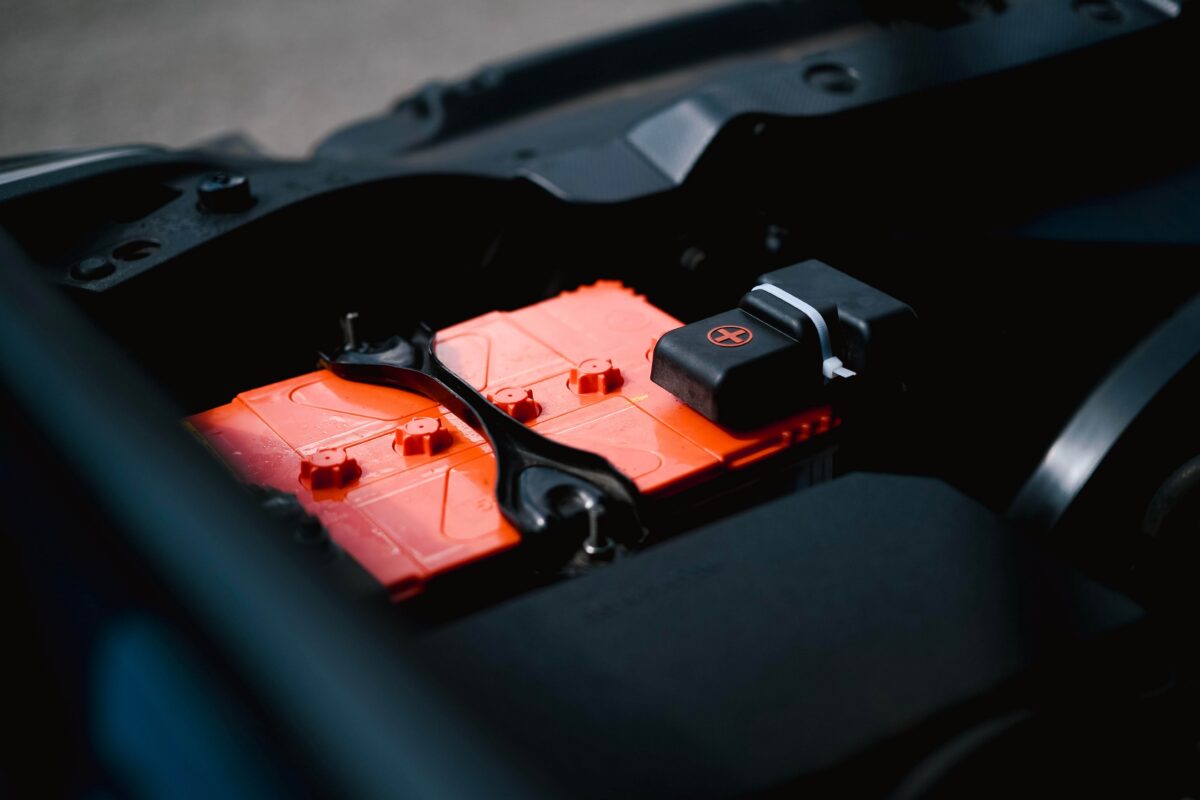
  2. Battery scrap needs specialist treatment because lead-acid batteries contain lead, plastic parts, and sulphuric acid. A controlled battery recycling process separates these materials so each useful fraction can be treated the right way.

  3. During battery breaking, equipment separates battery cases, lead parts, and other materials. The sulphuric acid is collected and treated, and the acid is neutralized before more processing. Plastic cases can also be recovered and sent for recycling.

  4. The recovered lead-bearing material is then melted and refined. Impurities are removed to produce a more even secondary material. We can cast the resulting recycled lead into ingots and supply it for manufacturing.

The exact process varies according to the waste stream and the equipment used by the recycling facility.

How Is Lead Scrap Reused?

  • Recycled lead can return to manufacturing as a secondary raw material. One of its most important uses is the production of new lead-acid batteries.

  • Manufacturers can refine and supply lead recovered from used batteries. This creates a closed loop in which lead from an end-of-life battery can become part of a new battery.

  • Recovered lead can also be used in products that need its weight, durability, or shielding properties. Depending on its specification, it may support batteries, cables, shielding, and other industrial products.

  • Reusing recovered material reduces the need for newly mined resources. It also helps to maintain valuable metals in circulation for longer.

Lead Battery Recycling

Lead battery recycling is an established recovery route for battery scrap. People widely use lead-acid batteries in vehicles, industrial equipment, and backup power systems.

When batteries reach the end of their useful life, they should be managed through proper waste channels. Do not mix them with general waste because they can contain hazardous waste components.

A controlled recycling process separates the main battery materials. We recover lead-containing parts for refining and can treat plastic and other fractions separately.

The Environment Agency advises on how to handle waste batteries, like breaking them safely and managing acid. Businesses handling these waste streams should follow environmental regulations and use suitable recycling facilities.

What Happens to the Sulphuric Acid?

Sulphuric acid is a key issue when recycling lead-acid batteries. It must be handled safely because it is corrosive and can cause harm if released or managed the wrong way.

During suitable treatment, we remove the acid from the battery and manage it through controlled processes. Facilities and treatment methods neutralize acid before safely managing or processing it.

This controlled approach helps prevent pollution and protects workers, equipment, and the surrounding environment.

Why Recycle Lead Scrap?

  • Recycling lead scrap lets businesses recover a useful material instead of sending it for disposal. It can reduce demand for virgin resources and support more efficient material use.

  • Lead recycling also supports a circular approach to manufacturing. Material that has been recovered can return to production instead of being used only once.

  • For battery waste, the closed loop created by lead battery recycling can be especially useful. Lead recovered from old batteries can be refined and used to make new battery parts.

  • Responsible recovery also helps businesses manage hazardous waste more effectively. Proper segregation, storage, and collection can reduce the risk of spills, pollution, and improper disposal.

Preparing Lead Scrap for Recycling

  • Businesses can improve recovery by identifying lead-containing waste before collection. Lead scrap should be kept apart from unsuited materials and stored in suitable conditions.

  • We should protect battery scrap from damage and leakage. Lead-acid batteries should also be handled according to the rules that apply to the relevant waste stream.

  • Providing accurate information to the recycling company can help determine the correct collection and treatment route. Details such as the type, quantity, and condition of the material are useful when arranging recycling.

  • Good segregation can also reduce pollution and make processing more efficient.

Environmental and Regulatory Considerations

Lead-containing waste requires responsible management because lead can present environmental and health risks when handled incorrectly.

Businesses should use appropriate recycling facilities and follow relevant environmental regulations. This is especially important when dealing with lead-acid batteries, sulphuric acid, and other hazardous waste.

The Environment Agency’s guidance on waste battery treatment provides useful information about appropriate measures for permitted facilities.

Lead scrap recovery turns unwanted materials into useful recycled lead. By collecting, sorting, breaking batteries, processing, and refining, we can return valuable lead to manufacturing.

Lead battery recycling is especially important because lead-acid batteries contain usable lead alongside plastic cases and sulphuric acid. With suitable treatment, these materials can be separated and managed through proper recycling routes.

For businesses, proper segregation and responsible collection help support resource recovery, regulatory compliance, and a more effective closed loop for lead production.

What Types of Lead Waste Can Be Recycled?

Lead waste can include batteries, pipes, roofing, cable sheathing, solder, and manufacturing scrap. Suitable materials can be recovered and reused.

What Types of Lead Waste Can Be Recycled?

Lead waste is generated across construction, manufacturing, electrical work, automotive maintenance, and other commercial activities. The types of lead that can be recycled depend on the product, its condition, and the level of lead contamination present.

Many lead-bearing materials are valuable recyclable metals when they are correctly identified, separated, and sent through an appropriate recycling process.

Lead-Acid Batteries

Lead-acid batteries are a major source of recyclable lead. They are commonly used in vehicles, backup power systems, industrial machinery, and other equipment.

During recycling, the batteries are processed to recover lead from the internal components. The lead-containing material can be refined and used to manufacture new products, while battery cases made from plastic can also be recovered.

Businesses should keep lead-acid batteries separate from other waste and use an appropriate recycling route. Correct handling is particularly important because batteries may contain corrosive substances and other hazardous materials.

Lead Pipes and Plumbing Materials

Older buildings and infrastructure may contain lead pipes and other lead plumbing components. These materials can become lead scrap during refurbishment, replacement, demolition, or repair work.

Suitable lead pipes can often be collected for metal recovery. Keeping them separate from general construction waste helps prevent lead contamination and makes the recycling process more efficient.

Businesses should identify lead-containing plumbing materials before disposal and follow applicable waste regulations when arranging their removal.

Lead Roofing and Flashing

Lead has traditionally been used for roofing sheets, flashing, valleys, gutters and other building applications. Roofing contractors, builders, demolition companies and property managers can generate significant quantities of lead waste when these materials are removed.

Lead roofing materials that are suitable for recovery can be collected and processed by specialist recyclers. Separating lead from other construction waste can help maintain material quality and support higher recycling rates.

Lead Sheet and Other Lead Products

Lead sheet is used in construction, soundproofing, radiation shielding, and specialist industrial applications. When these products reach the end of their useful life, the material may still contain valuable recyclable lead.

Other lead products can also be suitable for recycling, depending on their composition and condition. Businesses should assess the material before collection, particularly where coatings, sealants, or other substances could cause lead contamination.

Recovering clean lead scrap helps retain useful metal within the manufacturing cycle rather than sending it to landfill.

Lead Cable Sheathing

Some older electrical cables contain lead sheathing. When these cables are replaced, they can become a source of recyclable lead alongside other recoverable materials.

Cable waste may contain copper, aluminium, plastics and lead. Specialist recycling facilities can separate these materials so that each suitable material can enter the correct recovery stream.

Correct separation can improve the value of scrap metal and reduce the environmental impact associated with disposing of mixed waste.

Lead Solder and Manufacturing Scrap

Manufacturing and engineering operations can produce lead-containing solder, offcuts, residues and other forms of lead scrap. Electronics production, plumbing, metalworking and specialist manufacturing are among the activities that may generate these materials.

Keeping production waste separate makes it easier to identify recyclable lead and prevent unsuitable materials from entering the recycling stream. It can also support better control of lead contamination.

Workers should follow appropriate safety procedures because some recycling and processing activities can create lead dust, fumes or vapour.

Lead-Containing Electrical and Electronic Waste

Some older electrical and electronic equipment contains lead in solder, circuit boards and other components. These materials require careful assessment before being sent for recycling.

Electrical and electronic waste should be handled through an appropriate WEEE recycling route where applicable. Specialist treatment can recover recyclable metals while ensuring components containing hazardous substances are managed correctly.

How Is Lead Waste Recycled?

The recycling process varies according to the type and condition of the material. Lead waste is first identified, separated, and assessed before being prepared for treatment.

Lead-acid batteries can be processed to separate recyclable lead from battery cases, plastics and other components. The recovered lead can then be refined and melted for use in new products.

Other lead scrap, including pipes, roofing materials, cable sheathing and manufacturing offcuts, may be sorted and processed by specialist metal recyclers. The objective is to recover recyclable lead while controlling lead contamination and preventing unsuitable materials from entering the recovery stream.

Why Recycle Lead Waste?

Recycling lead waste keeps a valuable material in use and reduces the amount of waste sent to landfill. Recovering existing lead can also reduce the need for additional raw material extraction and help lower the environmental impact associated with producing new metal.

Lead is highly recyclable when it is collected and processed correctly. Recovering lead scrap therefore supports resource efficiency and a more circular approach to metal management.

Improved segregation can also contribute to higher recycling rates by making recyclable metals easier to identify and recover.

Managing Lead Waste Safely

Lead waste requires careful management because exposure to lead dust, fumes and vapour can present health risks. The Health and Safety Executive provides information on workplace exposure to lead and activities involving lead processing and recycling.

Businesses should correctly identify lead waste, use suitable containers, prevent unnecessary contamination and arrange collection through an appropriate recycling provider. Where lead waste is classified as hazardous waste, additional requirements may apply.

Businesses should also follow the waste regulations relevant to where they operate. Requirements can differ across England, Scotland, Wales and Northern Ireland, so businesses should check the applicable rules before arranging collection, transport or treatment.

For relevant UK guidance, businesses can refer to GOV.UK guidance on hazardous waste when checking requirements for hazardous waste management.

Choosing a Lead Recycling Service

A suitable lead recycling service should be able to identify the material, assess its condition and recommend an appropriate collection and recovery route.

Businesses should provide accurate information about the type, quantity and source of their lead waste. Separating recyclable materials at the point where waste is produced can make collection easier and help prevent valuable lead scrap from becoming mixed with unsuitable waste.

For larger quantities, scheduled collections can provide a practical way to manage lead waste while keeping storage areas organised and reducing the risk of contamination.

Many types of lead waste can be recycled, including lead-acid batteries, lead pipe, roofing, flashing, lead sheet, cable sheathing, solder and manufacturing scrap.

By identifying lead waste correctly, separating suitable materials and using responsible recycling services, UK businesses can recover recyclable lead and other valuable materials while reducing waste and supporting responsible resource recovery.

Where Does Lead Waste Come From in UK Businesses?

Lead waste can come from batteries, roofing, plumbing, construction, manufacturing and older building materials. Clear identification helps businesses manage hazardous waste safely and support responsible metal recycling.

Where Does Lead Waste Come from in UK Businesses?

Lead waste can come from everyday commercial jobs, such as replacing batteries, removing old water pipes, repairing roofs and taking apart equipment.

Lead is useful because it is durable and resists rust. But businesses must handle lead materials with care when they become waste. The right route depends on the type, condition, and amount of lead involved.

Lead-Acid Batteries

Lead-acid batteries are a common source of lead waste. They are used in vehicles, backup power systems, industrial equipment and emergency systems.

Garages, fleet operators, warehouses and businesses with backup power can create waste batteries when old units are replaced. These batteries contain useful materials that can be recovered through the right recycling process.

Businesses should keep waste batteries separate from general waste. If they meet hazardous waste criteria, they must be managed through the correct waste route.

Water Pipes and Plumbing

Older buildings may still have lead water pipes and fittings. Businesses doing refurbishment or plumbing work may find old pipework during renovation.

Lead was once used in water supply systems because it was easy to shape and resisted corrosion. Older water pipes may still contain lead, especially in buildings made before modern materials became common.

When unpainted lead pipes are removed, they can become recyclable lead waste. Businesses should identify the material before disposal and use a suitable collection service.

The same issue can affect drinking water. Water that has been standing in lead pipes for long periods may contain higher levels of lead than water that has flowed through the system. Tests can show the levels of lead in the water supply, and professional advice may be needed before any pipework is removed.

Finding a plumber with the right experience may be necessary when old pipework needs inspection or replacement. Businesses should not disturb suspected lead pipes without thinking about the exposure risks.

Lead Paint and Building Renovation

Lead paint is another possible source of lead waste, especially when older buildings are renovated or stripped.

Paint with lead can create exposure to lead when it is disturbed, sanded, cut or removed in the wrong way. Construction firms, refurbishment contractors and property managers should check the age and condition of painted surfaces before work begins.

Paint waste and tainted materials may need careful classification. Businesses should not assume that lead-containing materials can go with ordinary construction waste.

Roofing and Lead Flashing

Roofing work can create lead waste through the removal and replacement of lead flashing. Roofers may also have spare sections and offcuts left after installation.

Lead flashing is durable and can stay in place for many years. When it reaches the end of its useful life, people can often separate the material and send it for metal recovery.

Keeping lead offcuts apart from mixed waste can make collection and recycling easier.

Manufacturing and Engineering

Manufacturing and engineering firms can create lead waste through production, repairs and maintenance. Scrap may include lead alloys, offcuts, rejected parts, solder and machining waste.

Some industrial processes can also create dust or fumes with lead. Employers must control exposure to lead and follow the right workplace safety rules.

The amount of lead produced depends on the materials and processes used. Even small amounts of lead dust or fume can matter, so businesses should identify lead-containing materials during waste checks and set clear steps for storage and collection.

Electrical and Electronic Equipment

Older electrical and electronic equipment can contain lead in certain parts and materials. Businesses may create this waste when computers, machinery, control systems and other equipment are upgraded or replaced.

Electrical waste should be checked and classified before collection. Some items may fall under waste electrical and electronic equipment rules, while some parts may need extra controls.

Separating waste streams can help stop lead-containing materials from being mixed with general waste.

Vehicle Maintenance

Vehicle maintenance firms can produce lead waste mainly through the replacement of lead-acid batteries. Workshops may also create lead-containing parts, solder and metal scrap.

Garages should store batteries securely and keep them away from other waste. Sending suitable materials to an approved recycling route helps recover useful lead and other parts.

Why Lead Waste Needs Careful Management

Lead waste needs careful management because exposure to lead can cause health risks. Workers may be exposed through dust, fumes, or dirty materials during handling and processing.

Businesses should spot likely sources before work starts. This is especially important during building renovation, plumbing replacement, battery handling and industrial maintenance.

Environmental health also matters. Lead should not be allowed to enter soil, water, or other environmental routes through poor waste management.

If waste is classed as hazardous waste, businesses must follow the correct rules for storage, transport and disposal.

Managing Lead Waste in the Workplace

The first step is to identify where lead-containing materials are created. Businesses can then separate these materials from other waste and arrange suitable collection.

Lead waste should be stored securely and protected from conditions that could cause spills, leaks or uncontrolled release. Employees who handle the material should understand the risks and follow workplace procedures.

Businesses should also keep the right waste records where required. The correct classification depends on the material and how it has been used or tainted.

For official information, businesses can refer to GOV.UK guidance on hazardous waste and HSE guidance on lead.

Lead Waste Recycling

Lead is a valuable metal, so recycling is an important option. Suitable recycling processes can recover lead from batteries, pipes, roofing materials, manufacturing scrap and other products.

MetalCycle provides lead recycling services for businesses that need a suitable route for lead-containing metal waste.

Recycling can help businesses recover useful materials while reducing the amount of waste sent for disposal.

Lead in Drinking Water

Lead can still be found in older water supply systems. Businesses in older properties may find lead water pipes during maintenance or refurbishment.

Older plumbing may supply a kitchen tap through pipework that contains lead. Where there are concerns about drinking water, businesses should seek professional advice and consider suitable testing.

Finding a plumber with the right experience may be needed when old pipework needs inspection or replacement. Businesses should not disturb suspected lead pipes without thinking about the possible exposure risks.

Lead waste in the UK can come from various business activities like batteries, paint, roofing, and plumbing.

Knowing the sources of lead waste helps businesses identify materials before disposal. Good segregation, classification and recycling can support safer workplaces, better environmental care and improved recovery of valuable lead.

What Happens to Cobalt Scrap After Collection?

Cobalt scrap is inspected, sorted, and processed to recover cobalt and other valuable metals. The recycling route depends on the material, source, and composition.

What Happens to Cobalt Scrap After Collection?

What happens to cobalt scrap after collection depends on its type, composition, and condition. Once collected, the material is inspected and sorted before entering the appropriate recycling process. The main aim is to recover cobalt and other useful materials while reducing unnecessary waste.

Cobalt-containing scrap can come from several industries. Manufacturing scrap, alloy scrap, specialist components and batteries cobalt are significant sources of cobalt-bearing waste. Cobalt can also be found in lithium-ion batteries used in portable electronics, energy storage systems and some electric vehicles.

Each waste stream requires careful assessment. Clean alloy scrap may follow a different recycling route from an EV battery or other complex cobalt-containing material. Identifying the material correctly helps ensure that it is handled and processed through a suitable recovery route.

Cobalt Scrap Is Inspected After Collection

The first stage is inspection. The recycler needs to establish what type of material has been received and whether it contains cobalt alongside other metals or materials.

The condition and composition of the scrap can affect the recycling process. Clean manufacturing scrap may be easier to prepare than mixed or contaminated material. Battery-related waste may also require additional controls because it can contain several different materials.

Inspection can involve checking documentation, material specifications and physical characteristics. Specialist testing may also be used where the composition is uncertain.

This stage helps determine the most suitable method to recover cobalt and other valuable materials.

Sorting Cobalt-Containing Scrap

After inspection, cobalt-containing scrap is separated into suitable material streams. Sorting is an important part of recycling metals because different materials require different treatment methods.

Manufacturing scrap and alloy scrap may contain cobalt alongside nickel, chromium or other metals. Separating these materials can improve the quality of the feedstock entering the next stage.

Battery waste requires particular attention. Lithium-ion batteries can contain cobalt, lithium, nickel, manganese, copper, aluminium and other components. Separating battery types and materials helps direct them towards suitable recycling technologies.

Good sorting also reduces contamination. Cleaner material streams can make it easier to recover valuable metals and improve the efficiency of the overall recycling process.

Preparing Cobalt Scrap for Recycling

Once the material has been sorted, it may need to be prepared for further processing. The preparation method depends on whether the waste comes from manufacturing, alloys, batteries or another source.

Industrial cobalt scrap may be cut, dismantled, or reduced in size before further treatment. Battery materials may require controlled dismantling and mechanical processing to separate different fractions.

The objective is to create a suitable feedstock for downstream recovery. This can allow recyclers to separate cobalt from other materials and recover additional metals where practical.

Preparation is particularly important when cobalt is contained within complex products. A suitable process can help maximise the value of the materials recovered.

What Happens to Cobalt Scrap During the Recycling Process?

The recycling process varies according to the type of cobalt scrap. Physical separation may be used to sort different material fractions, while more advanced treatment may be required to recover cobalt from complex waste.

For suitable alloy scrap, the material can be processed to recover its metal content for use as a secondary raw material. Manufacturing scrap may therefore have considerable value when it is kept clean and separated from unrelated waste.

Battery-derived materials can require more complex processing. Lithium-ion batteries can produce material containing cobalt, nickel, lithium and manganese after suitable mechanical treatment. Further processing can then separate and recover these valuable elements.

The Environment Agency guides appropriate treatment for waste batteries and the recovery of materials from battery waste. Businesses handling relevant waste streams should follow applicable UK requirements.

How Recyclers Recover Cobalt

The methods used to recover cobalt depend on its chemical and physical form. Some materials can be recovered through physical separation, while others require thermal or chemical treatment.

Hydrometallurgical processing can use controlled chemical solutions to separate metals from processed material. Pyrometallurgical methods use high temperatures to process and recover valuable materials.

The exact method depends on the composition of the waste and the technology available at the recycling facility. The objective is to recover cobalt at a useful quality while also recovering other valuable materials where possible.

This approach helps turn waste into a source of secondary raw materials rather than treating cobalt-containing material as something with no further use.

Recovering Other Metals from Cobalt Scrap

Cobalt scrap can contain several valuable metals. Depending on the source, recyclers may recover nickel, copper, lithium, manganese, aluminium or other materials alongside cobalt.

This is particularly relevant when processing batteries. An EV battery can contain several recoverable materials, so recycling is not simply about recovering one metal.

Recovering multiple materials can improve resource efficiency. It also means that more of the original product can potentially return to industrial supply chains.

For businesses, separating cobalt-bearing waste from general waste can therefore support the recovery of several materials rather than allowing them to become mixed and more difficult to process.

Why Businesses Should Recycle Cobalt

Businesses that generate cobalt-containing scrap can benefit from responsible recycling. Cobalt is a valuable material, and recovering it can help reduce the amount of useful material sent for disposal.

Recycling metals can also support more efficient resource use. Recovered cobalt and other recycled materials can potentially be used as secondary raw materials in suitable applications.

Manufacturing businesses may generate cobalt-bearing offcuts, rejected components or alloy scrap during production. Keeping these materials separate can help protect their value and make collection and processing more efficient.

Battery-related businesses may also generate cobalt-containing waste from lithium-ion batteries, production activities or end-of-life equipment. These materials require appropriate handling and recycling routes.

How to Manage Cobalt-Containing Scrap

Businesses should identify cobalt-containing scrap at the point where it is generated. Keeping different waste streams separate can make subsequent collection and processing easier.

Clean manufacturing scrap should be kept away from general waste wherever practical. Alloy scrap should also be separated according to its known material type and specification.

Battery waste should be handled through an appropriate route. Businesses should not assume that battery-containing materials can be treated in the same way as ordinary metal scrap.

UK businesses must classify their waste correctly before arranging collection, recovery or disposal. GOV.UK provides guidance on classifying different types of waste and determining whether particular waste streams are hazardous.

For relevant UK requirements, businesses can refer naturally to the GOV.UK guidance on classifying different types of waste.

Cobalt Recycling and the Circular Economy

When businesses recycle cobalt, valuable material can remain in circulation rather than being lost through disposal. This supports the principles of a circular economy, where materials are recovered, reused and recycled for as long as practical.

Recycling cobalt can also complement the recovery of other metals. Cobalt-containing waste may contain nickel, copper, lithium or manganese, creating opportunities to recover several resources from one waste stream.

The growing use of lithium-ion batteries makes efficient recovery increasingly important. Batteries are used across consumer electronics, energy storage, and electric vehicles, creating significant sources of valuable materials at the end of their useful life.

Recycling helps create a link between end-of-life products and future manufacturing needs.

What Happens After Cobalt Is Recovered?

After processing, recovered cobalt may become a secondary raw material. Its potential use depends on its purity, form and specification.

Recovered materials can return to industrial supply chains where they meet the required standards. This can reduce reliance on virgin resources and help keep valuable metals in productive use.

The same principle applies to other materials recovered during processing. Nickel, copper, lithium and other metals may also have further applications after suitable treatment.

This makes cobalt recycling part of a wider resource recovery process rather than simply a method of waste disposal.

How Businesses Can Recycle Cobalt Scrap

Businesses that regularly produce cobalt-containing scrap should establish clear procedures for identification, storage and collection. Separating suitable material at the source can help maintain its quality and simplify the recycling process.

Businesses can work with specialist recycling providers to determine the appropriate route for their material. The correct approach will depend on whether the waste consists of manufacturing scrap, alloy scrap, batteries or another cobalt-containing product.

Where appropriate, businesses can arrange collection so that cobalt-bearing materials are directed towards recovery rather than general disposal.

The key is to identify the material correctly, keep suitable waste streams separate and use an appropriate recycling route.

What happens to cobalt scrap after collection depends on its composition and source. The material is inspected, sorted and prepared before suitable processes are used to recover cobalt and other valuable metals.

Manufacturing scrap, alloy scrap and battery-related waste can all contain recoverable cobalt. By separating these materials and using appropriate recycling routes, businesses can recover resources, reduce waste and support a more circular approach to material use.

Cobalt Alloys and End-of-Life Material Recovery

Cobalt alloys are valuable materials used in aerospace, engineering, energy systems, and specialist manufacturing. Recovering them at end of life helps businesses recycle cobalt, save resources, and cut industrial waste.

What Are Cobalt Alloys?

Cobalt alloys mix cobalt with metals such as nickel, chromium, tungsten, molybdenum, or iron. This gives them strength, heat resistance, wear resistance, and corrosion resistance. These traits make them fit for demanding industrial uses.

They are found in aerospace parts, cutting tools, energy equipment, medical parts, and specialist engineering parts. Manufacturing scrap can also include cobalt alloy offcuts, machining swarf, rejected parts, and old parts.

Although these materials may no longer suit their original use, they can still contain cobalt and other valuable metals.

Why Is Cobalt Alloy Recovery Important?

Cobalt is an important industrial material used across several modern sectors. It is also linked to lithium-ion batteries, electric vehicles, and energy storage systems, which add to demand for global cobalt supplies.

Recovering cobalt-containing alloys helps keep this valuable metal in use. Recycling cobalt can cut reliance on virgin raw materials and support better use of existing resources.

Cobalt prices can also affect the value of suitable scrap. The value of cobalt alloy scrap depends on its mix, grade, amount, condition, and wider market demand. Keeping different alloy grades apart can make ID and recovery more effective.

Cobalt Alloys and End-of-Life Material Recovery

Cobalt Alloys and End-of-Life Material Recovery starts with identifying the material and, where possible, confirming its mix. Material certificates, product specs, and manufacturing records can help establish the alloy grade.

Where documentation is missing, a specialist recycling provider may assess the material before collection or processing. Accurate ID is important because different cobalt alloys can need different recovery routes.

Cobalt alloy scrap can include solid parts, bars, offcuts, turnings, swarf, and finished parts. Keeping these materials separate from unrelated metals and dirt can create a cleaner recycling stream.

Depending on the alloy and recovery process, material may undergo preparation, separation, melting, or other metal treatment. The goal is to recover cobalt and other useful metals for later industrial use.

Sources of Cobalt Alloy Scrap

Cobalt alloy waste can be generated across aerospace, engineering, energy, tooling, and specialist manufacturing industries. Production processes may create offcuts, machining waste, rejected parts, and other manufacturing scrap.

End-of-life industrial equipment can also contain cobalt alloys. Parts that are worn, old, or no longer needed may still provide a source of recovered cobalt.

Machining swarf and turnings need care because their shape can make storage and dirt control more important. Keeping these materials apart can support more efficient recycling.

Preparing Cobalt Alloy Scrap for Recycling

Businesses should keep cobalt alloy waste separate from unrelated metals where practical. Different grades should not be mixed unless the recycling provider confirms this is okay.

Material labels, certificates, and production records can help identify the alloy. Businesses should also provide the approximate amount, physical form, and location of the material before collection.

Suitable storage can help prevent dirt and preserve the scrap’s condition. Fine turnings and swarf may need extra controls depending on their mix and condition.

Clear information lets a recycling provider assess the material and choose the right recovery route.

UK Waste Management Considerations

UK businesses should sort waste correctly before collection, recycling, or disposal. Waste sorting helps show whether specific controls apply to a particular waste stream.

Cobalt-containing metal waste is not automatically hazardous just because it contains cobalt. The waste’s mix and any hazardous traits decide how it is handled. Businesses should assess their own waste rather than rely on the presence of one metal.

Good documentation can also support tracking and environmental reporting. Businesses should use suitable waste management arrangements and work with the right recycling provider.

Benefits of Recycling Cobalt Alloys

Recycling cobalt alloys can save valuable resources and reduce the amount of industrial material sent for disposal. Recovering cobalt also supports circular supply chains by returning useful metals to manufacturing.

Recovered cobalt can provide a second source of material for industrial uses. This supports resource efficiency while helping businesses make better use of materials already in use.

An environmentally friendly approach to cobalt alloy waste can also fit green aims. Good segregation and recycling may help businesses improve resource management and reduce needless disposal.

Cobalt Alloys, Global Cobalt and Resource Recovery

Demand for cobalt is influenced by several industries, including advanced manufacturing, batteries, and energy tech. Lithium-ion batteries and electric vehicles have increased focus on cobalt supply, although cobalt alloys serve different industrial uses.

Recovering cobalt from suitable industrial scrap gives another chance to support the cobalt supply. Instead of letting useful material become disposal waste, recycling can return valuable metals to the wider supply chain.

For businesses, this makes cobalt alloy recycling both a waste management issue and a resource recovery opportunity.

Choosing a Cobalt Recycling Service

Businesses should choose a recycling provider with experience handling cobalt-containing materials and understanding different alloy grades. Information about the material type, amount, physical form, and known mix can help determine the right recycling route.

A suitable collection service can move cobalt alloy scrap from business premises to the right recycling facility. Clear documentation can also help businesses keep records of collection and recovery.

MetalCycle provides cobalt recycling services for UK businesses and handles cobalt-containing materials from aerospace, engineering and manufacturing uses. Its service supports the collection and recovery of cobalt alloy scrap, helping businesses manage valuable materials responsibly.

Cobalt alloys can keep significant material value after products and parts reach the end of their working life. Through accurate identification, segregation, collection, and processing, businesses can support end-of-life material recovery and keep cobalt within the supply chain.

Recycling cobalt alloy offcuts, swarf, parts, and old parts can help save resources and reduce needless disposal. For businesses generating regular cobalt scrap, working with a suitable recycling provider can make material recovery more efficient and environmentally responsible.

How Manufacturing Creates Cobalt Waste

How manufacturing creates cobalt waste is linked to the materials and steps used to make batteries, metal parts, and special products. Cobalt can turn into waste during cutting, machining, mixing, coating, assembly, testing, and quality control. Knowing where this waste comes from helps factories use less material and send the right waste for cobalt recycling.

This work produces cobalt waste in the form of scrap, rejects, battery residue, and process loss. Good sorting can help recover valuable cobalt.

How Cobalt Waste Happens During Production

Cobalt is used in many industrial products. It can be found in some lithium-ion batteries, rechargeable batteries, metal alloys, catalysts, and special parts.

Demand for cobalt is closely tied to battery work and other new tech. Electric vehicles also use rechargeable batteries that may contain cobalt, based on the battery mix.

Different types of cobalt waste can enter factory waste streams. These may include metal scrap, powders, rejected parts, production residue, and end-of-life items.

Cobalt Waste from Metal Processing

Metal work can create cobalt waste when cobalt alloys are cut, drilled, shaped, or machined. These jobs can make offcuts, chips, turnings, and small scrap pieces.

These materials may not suit the original job, but they can still hold useful cobalt. Keeping them out of general waste can make recovery easier.

Factories can cut material loss by better cut plans and closer process checks. Better planning can also cut the amount of scrap made during production.

Cobalt Waste from Battery Manufacturing

Battery work is another key source of cobalt waste. Some lithium-ion batteries use cobalt in the cathode because it can aid battery performance and stability.

Waste may form when electrode materials are mixed, coated, dried, cut, or put together. Production can also create rejected cells, unused materials, and process residue.

The rising use of electric vehicles and rechargeable batteries keeps demand for cobalt high. As output grows, it is more important to control material loss.

Battery waste should go through the right collection, treatment, and recycling path. Businesses should check what is in the waste before they choose a recycling process.

Rejected Materials and Production Residue

Manufacturing does not always make a usable final product. Parts can be rejected if they fail checks or do not meet the needed spec.

Rejected cobalt-containing materials can still have high value. Instead of sending them to general waste, businesses should see if they suit specialist recovery.

Production residue can also contain cobalt. Powders, coatings, and other fine materials need careful handling and safe storage to prevent contamination and loss.

Why Cobalt Waste Should Be Recovered

Cobalt is a valuable resource, so recovery from manufacturing waste helps businesses use what they already have.

Cobalt recovery can cut the need for some virgin raw materials and support a more circular way to manage resources. It can also help factories improve waste flow by separating valuable material from unsuitable waste.

The world’s cobalt supply comes from a small number of producing regions. That makes careful recovery important for better resource use and stronger supply chains.

Managing Cobalt Waste in Manufacturing

Businesses should first find where cobalt waste is made. Checking machining, battery work, assembly, and quality control steps can show where material loss happens.

Cobalt waste should stay separate where possible. Good bins, clear labels, and controlled storage can help prevent mix-up and make later recovery easier.

Waste sorting is also important. UK businesses should follow the rules for storage, handling, transport, and treatment. GOV.UK provides guidance on waste batteries and the right steps for permitted sites.

For suitable waste streams, businesses can arrange specialist collection and recycling. A good recycling provider can check the material and suggest the right recovery route.

Reducing Cobalt Waste at Source

Recycling matters, but cutting waste at the start should also be part of the plan.

Factories can review machine settings, improve cut accuracy, and track the cause of rejects. Staff training can also help workers spot cobalt waste and keep it apart from general waste.

Regular checks of waste amounts can show where work is needed. Lower process loss can reduce waste while helping businesses use raw materials better.

Cobalt Recycling and Resource Recovery

Cobalt recycling lets suitable manufacturing waste return to the material cycle. Based on the waste type, special processing can separate cobalt-containing material from other parts for more recovery.

This can apply to manufacturing scrap, battery residues, and other cobalt-bearing materials. The right recycling method depends on the material mix, state, and level of dirt or mix-up.

Businesses that produce cobalt waste can use specialist recycling services to support responsible recovery and better waste care.

Manufacturing creates cobalt waste through metal work, battery work, rejects, and production residue. As demand for cobalt rises in batteries, electric vehicles, and other tech, good waste care matters more.

Keeping cobalt waste apart, improving process control, and using the right recycling route can help businesses recover valuable material. These steps support resource use and cut waste loss.

For businesses looking for a suitable recycling route, MetalCycle can be a simple next step for managing cobalt-containing waste.

Cobalt Waste From Batteries: What Happens Next?

Cobalt waste from batteries can be collected, sorted and processed to recover cobalt and other valuable materials. Recycling helps reduce resource loss and supports more circular battery supply chains.

Where Does Cobalt Waste From Batteries Come From?

Cobalt is used in several lithium-ion battery chemistries, including lithium cobalt oxide and nickel-manganese-cobalt batteries. These batteries can be found in mobile phones, laptops, power tools, electric vehicles and energy storage systems.

Cobalt-containing waste can also come from battery manufacturing. Production scrap from cells, modules and components may contain recoverable materials. Sending this waste through controlled recycling routes can help prevent valuable resources from being lost.

As batteries reach the end of their useful life, they need to be removed from products and managed through suitable recycling or recovery channels.

How Is Cobalt Waste From Batteries Collected?

Safe collection is the first stage of battery recycling. Businesses should keep waste batteries separate from general waste and use suitable containers and handling procedures.

Damaged, swollen or defective lithium-ion batteries require particular care because they can present fire and electrical risks. Batteries should be protected from damage, short circuits, excessive heat and other conditions that could create additional hazards.

In the UK, waste batteries need to be managed through appropriate collection, treatment and recycling arrangements. Businesses should use competent recycling providers that can handle the relevant battery type and waste classification.

For current UK requirements, businesses can refer to GOV.UK waste battery guidance.

How Are Batteries Sorted Before Recycling?

Batteries are not all processed using the same recycling method. Their chemistry, size, condition and design can influence how they are treated.

Lithium-ion batteries can contain cobalt, nickel, manganese, lithium, copper, aluminium, graphite and other materials. Sorting helps direct batteries towards an appropriate treatment process and reduces the risk of incompatible materials being mixed.

Accurate identification is particularly important when dealing with larger quantities of commercial or industrial battery waste.

What Happens During Battery Processing?

After batteries have been safely prepared, they can undergo controlled processing. Depending on the battery type and recycling facility, this may include discharging, dismantling, shredding and mechanical separation.

These processes separate batteries into different material fractions. Metals, plastics and other components can be recovered through suitable recycling routes.

For many lithium-ion batteries, mechanical processing produces a fine material known as black mass. Black mass can contain cobalt, nickel, lithium, manganese, graphite and other electrode materials.

Further processing is required to separate and refine these materials. Hydrometallurgical methods use controlled chemical processes, while pyrometallurgical methods use high temperatures. The appropriate method depends on the material composition and recycling technology being used.

How Is Cobalt Recovered From Batteries?

Cobalt recovery involves separating cobalt from the other materials contained in battery electrodes. Once black mass has been produced, additional treatment can be used to concentrate and refine the metals it contains.

Recovered cobalt can become a secondary raw material. Depending on its quality and the recycling process, it may be suitable for producing battery materials or other industrial applications.

Recovering cobalt from waste helps keep an existing resource in circulation and can reduce reliance on newly extracted materials.

Why Is Cobalt Recovery Important?

Cobalt is a valuable material used in rechargeable batteries and other technologies. Recovering cobalt from end-of-life batteries helps reduce material loss and supports more efficient use of existing resources.

Battery recycling can also contribute to supply chain resilience. Demand for battery materials is linked to electric vehicles, portable electronics and energy storage systems. Recovering cobalt and other metals from waste provides an additional source of material for future manufacturing.

The Environment Agency recognises the further processing of battery black mass to recover materials including cobalt, nickel, lithium and manganese. Effective recycling therefore plays an important role in both resource recovery and responsible battery waste management.

What Happens to the Other Battery Materials?

Cobalt is only one of the materials that can be recovered from batteries. Recycling processes may also recover copper, aluminium, steel and other metals.

Copper and aluminium components can be separated during processing, while steel casings and other metal parts can enter suitable recycling routes. Plastics may also be separated where their composition and condition allow recovery.

Other battery components, including electrolytes and processing residues, require controlled handling. Suitable recycling facilities use appropriate containment and treatment methods to manage these materials safely.

How Can Businesses Manage Cobalt Waste From Batteries?

Businesses should identify battery waste early and avoid placing batteries in general waste containers. Suitable storage can help reduce the risk of damage, short circuits, fire and environmental contamination.

Businesses should also consider the type and condition of batteries they generate and use a recycling provider with appropriate treatment capabilities. Keeping records of waste movements and understanding the final treatment route can provide greater control over valuable battery materials.

Using a responsible recycling route allows businesses to manage battery waste safely while supporting the recovery of cobalt and other valuable materials.

Supporting a Circular Battery Supply Chain

Cobalt waste from batteries does not have to become a lost resource. Safe collection, accurate sorting and controlled processing can recover cobalt and other materials for further use.

As battery use continues to expand, recycling can play an increasingly important role in recovering materials from end-of-life products and manufacturing waste. Cobalt recovery supports resource efficiency while helping keep valuable materials within the supply chain.

Businesses can contribute to this approach by separating battery waste correctly and choosing suitable recycling routes that prioritise safe treatment and material recovery.

Cobalt Recycling for Businesses

Businesses producing cobalt-containing battery waste can use a suitable cobalt recycling service to support responsible collection and material recovery.

Why Is Cobalt an Important Material to Recover?

Cobalt is worth recovering because it is valuable, widely used, and classed as a critical mineral. Recovery keeps useful material in use, cuts waste, and reduces the need for new mining.

It is used in lithium-ion batteries, electronic devices, aerospace alloys, and other high-performance products. Reusing cobalt from end-of-life items saves resources and supports better recycling.

Why Is Cobalt an Important Material to Recover?

Cobalt has traits that make it useful in tough industrial jobs. It can improve battery life and stability, and it gives heat and corrosion resistance in specialist alloys.

It is also common in rechargeable batteries, including the lithium-ion batteries used in electric vehicles, consumer electronics, and energy storage systems. It is found in aerospace parts, electronic devices, and other specialist products.

Cobalt is a finite resource, and cobalt production is linked to copper and nickel mining. So changes in mining, market conditions, and global demand for cobalt can affect the wider cobalt supply chain.

When cobalt is recovered from products at end of life, it becomes a new source of material. Instead of becoming waste, it can return to use in manufacturing.

Cobalt Recovery Supports Resource Security

Global demand for cobalt is shaped by electric mobility, energy storage, electronic devices, and other technologies. Renewable energy sources also drive demand for battery-linked materials.

The UK’s Critical Minerals Strategy sees recycling as part of a plan to improve supply security. Recovering cobalt from existing products can support primary cobalt production and add a secondary source.

Cobalt producers still play a major role in global supply, but recycling can lower dependence on newly mined resources. A stronger recycled supply can also make materials systems more stable and circular.

Cobalt in Lithium-Ion Batteries

One key use of cobalt is in lithium-ion batteries. It can be part of chemistries such as nickel manganese cobalt, or NMC. These batteries are used in electric vehicles, consumer electronics, and energy storage systems.

As rechargeable batteries reach the end of service, the metals inside them become useful secondary resources. Good collection, sorting, and processing help recover cobalt for reuse.

Businesses that handle end-of-life batteries should use safe storage, transport, and recycling steps. Damaged batteries or poor handling can create safety and environmental risks.

Cobalt Recovery Reduces Waste

If cobalt-containing products go to disposal, valuable material is lost. Recovery keeps cobalt in the materials loop and cuts the amount sent to disposal streams.

This matters for manufacturers, electronics businesses, battery users, and anyone handling cobalt-containing waste. Sorting suitable materials before collection can also make downstream recycling more efficient.

Cobalt recovery does not replace responsible primary production. Recycling supports mining by adding another source of material and helping make better use of cobalt already in products.

Cobalt Recycling and the Circular Economy

Cobalt recycling supports the circular economy by keeping valuable materials in use for longer. Once recovered and properly processed, cobalt can potentially re-enter supply chains for manufacturing.

More attention is now being paid to recovering materials from products at end of life. Recycling can cut losses, improve resource efficiency, and protect the supply of important raw materials.

Battery recycling matters in particular because batteries contain several valuable metals. Recovering cobalt with other metals can raise the value of complex waste streams.

Environmental and Economic Value

Cobalt recovery can bring environmental and economic gains when collection and processing are done well. Recovering existing cobalt lowers the need to source every unit from primary mines and supports better use of finite resources.

Better recycling can also help businesses see where waste is lost and where they can improve. As recycling technology improves, more complex products may become fit for material recovery, helping keep cobalt and other metals in circulation.

How Businesses Can Improve Cobalt Recovery

Businesses can improve cobalt recovery by spotting cobalt-containing products early, keeping suitable waste streams apart, and choosing the right recycling partner. Clear records also help track materials from collection to treatment and recovery.

For battery waste, batteries should not go in general waste. Safe storage, handling, and transport are needed before the material reaches a specialist recycling site.

Knowing how much cobalt-containing waste a business creates can also support smarter buying, less waste, and better resource management.

Why Recover Cobalt from End-of-Life Products?

Recovering cobalt from end-of-life products turns possible waste into a secondary resource. It can reduce losses, support cobalt supply, and help build a more circular industrial system.

For businesses that create cobalt waste, a specialist recycling provider can make recovery more practical. Cobalt recycling services can help organisations manage recyclable cobalt-containing metal streams responsibly.

Cobalt is an important material to recover because it is used in lithium-ion batteries, electronic devices, aerospace applications, and other high-performance products. Rising global demand for cobalt makes efficient recovery more important for resource security.

Effective cobalt recycling can help businesses cut waste, recover valuable materials, and support a circular economy. Safe collection, careful handling, and specialist processing are needed to turn cobalt-containing waste into a useful secondary resource.

How Is Cobalt Scrap Recovered?

Cobalt scrap is collected, sorted, and processed to recover valuable cobalt for further industrial use. The recovery method depends on the type and composition of the material.

What Is Cobalt Scrap?

Cobalt scrap is waste material that contains recoverable cobalt. It can come from battery production, electronic equipment, industrial components, specialist alloys, and manufacturing processes.

Cobalt is used in several important industries because of its strength, heat resistance, and chemical properties. It is also found in certain lithium-ion batteries used in portable electronics and electric vehicles.

Manufacturing activities can create cobalt-bearing offcuts, rejected products, production residues, and other scrap. End-of-life products can also become a source of cobalt when they are collected for specialist recycling.

How Is Cobalt Scrap Recovered?

The recovery process begins with collection and sorting. The material is assessed to determine its composition, cobalt content, and condition. This information helps identify the most suitable recycling route.

Some cobalt scrap can be mechanically processed to separate different materials. Battery materials may be dismantled, shredded and screened to produce a concentrated material known as black mass. Black mass can contain cobalt alongside lithium, copper, nickel, manganese, graphite and other materials.

Further processing is then used to separate cobalt from the other components. Depending on the feedstock, recovery may involve thermal treatment, chemical processing, or a combination of different technologies.

The recovered cobalt can then be processed into a suitable material for use in manufacturing.

Mechanical Processing of Cobalt Scrap

Mechanical processing prepares cobalt-containing materials for further recovery. Scrap can be dismantled, reduced in size, and separated according to its physical characteristics.

This stage is particularly important when cobalt is contained within batteries, electronic products, or complex industrial components. Removing casings, plastics, and other unwanted materials can create a more suitable feedstock for the next stage.

Mechanical processing does not always produce refined cobalt. Instead, it concentrates valuable materials and makes subsequent recovery more effective.

Thermal Cobalt Recovery

Thermal processing uses controlled heat to treat certain cobalt-containing materials. High temperatures can break down complex compounds and concentrate valuable metals into a recoverable form.

This approach can be suitable for specific industrial residues, alloys, and battery materials. The exact process depends on the composition of the incoming scrap.

Thermal treatment requires careful control of operating conditions and emissions. The resulting material may also need further refining before the cobalt is suitable for manufacturing.

Chemical Cobalt Recovery

Chemical processing can separate cobalt from other metals and materials. This approach is particularly useful for some battery recycling streams because battery materials can contain several valuable metals.

Prepared material can be treated with suitable chemical solutions that dissolve selected metals. Further purification and separation can then produce cobalt compounds or other cobalt-bearing materials.

The process can also recover other valuable resources. Depending on the feedstock, these may include lithium, copper and nickel. Recovering several materials from the same waste stream can improve the overall value of recycling.

Why Is Cobalt Recycling Important?

Cobalt is a valuable resource used in batteries, electronics, specialist alloys, and other industrial applications. Recovering it from waste helps keep useful materials within the supply chain.

Cobalt recycling can reduce the amount of cobalt-containing material sent for disposal. It also creates an opportunity to recover material that has already entered the manufacturing cycle.

Recycling can support more efficient resource use and contribute to the circular economy. Instead of treating cobalt-bearing products as waste at the end of their useful life, suitable materials can be processed and returned to productive use.

Cobalt Scrap from Electric Vehicles

Electric vehicles use lithium-ion battery technology, and some battery chemistries contain cobalt. As electric vehicle batteries reach the end of their useful life, recycling provides an opportunity to recover cobalt and other valuable materials.

Battery recycling requires specialist handling because batteries can contain stored electrical energy and other materials that require controlled treatment. Batteries should therefore be collected, stored and transported through appropriate channels.

Recovering cobalt from battery materials can form part of a wider recycling process that also targets lithium, copper, nickel and other valuable components.

What Affects Cobalt Scrap Recovery?

The composition of the scrap is one of the most important factors. Different materials contain different concentrations of cobalt and may require different treatment methods.

Contamination can also affect recovery. Mixed materials may require additional preparation before valuable metals can be separated.

The physical form of the scrap matters as well. Clean manufacturing residues may require less preparation than complex end-of-life products. Battery materials, for example, may need specialist dismantling and processing.

Accurate identification and segregation can therefore help recyclers select an appropriate recovery route.

Managing Cobalt Scrap in the UK

UK businesses should identify and classify their waste before arranging collection and recycling. Waste classification helps determine how material should be handled and whether it is hazardous.

Businesses should also use suitable storage arrangements and provide accurate information about the waste stream. This allows recycling providers to assess the material and select an appropriate treatment process.

For relevant UK requirements, businesses can refer to GOV.UK guidance on classifying different types of waste and managing hazardous waste.

How Businesses Can Improve Cobalt Recovery

Businesses can support better cobalt recovery by separating cobalt-containing materials from unsuitable waste streams. Clear identification and suitable storage can reduce contamination and improve the quality of collected material.

Manufacturing businesses should also consider how production residues, rejected components, and end-of-life products are handled. Sending suitable material to a specialist recycling provider can help ensure that recoverable cobalt is not unnecessarily lost.

For businesses handling cobalt-bearing materials, a specialist cobalt recycling service can provide a suitable route for collection and material recovery.

What Happens to Recovered Cobalt?

Recovered cobalt can be processed into different forms depending on the recycling technology and the requirements of the next manufacturing process.

It may become a cobalt-containing chemical, refined material, alloy feedstock, or another industrial product. The recovered material can then return to manufacturing rather than being lost through disposal.

This helps extend the useful life of cobalt and supports a more circular approach to resource management.

How Is Cobalt Scrap Recovered?

Cobalt scrap is recovered through collection, sorting, mechanical preparation and specialist thermal or chemical processing. The most suitable method depends on the material’s composition, condition and cobalt content.

Cobalt recycling can recover valuable resources from manufacturing scrap, batteries, electronics and other products.

For UK businesses, accurate classification, suitable storage and responsible collection are important steps towards effective material recovery. GOV.UK waste duty of care guidance

What Types of Cobalt Waste Can Businesses Recycle?

Cobalt is a valuable metal used in batteries, electronics, specialist alloys, and industrial products. Businesses can recover cobalt from lithium-ion batteries, EV batteries, manufacturing scrap, electronic equipment, and cobalt-containing components. Recycling these materials helps recover useful resources and reduces the amount of valuable metal sent for disposal.

Businesses can recycle cobalt waste from batteries, electronics, manufacturing scrap and cobalt-containing components through specialist recycling processes.

Why Is Cobalt Waste Valuable?

Cobalt has important properties that make it useful in batteries, specialist alloys and industrial applications. It can improve performance, durability and energy storage in certain products.

When cobalt-containing products reach the end of their useful life, the material can often be recovered rather than discarded. Cobalt recycling allows valuable metals to return to manufacturing and reduces the need to treat useful materials as general waste.

Recovered cobalt can support a more circular approach to resource management. Instead of allowing materials to become waste, businesses can send suitable products and production residues to specialist recycling facilities.

What Types of Cobalt Waste Can Businesses Recycle?

EV Batteries and Lithium-Ion Batteries

Lithium-ion batteries are an important source of cobalt waste. Some lithium-ion battery chemistries contain cobalt within their cathode materials.

Businesses may generate battery waste from EV batteries, electric vehicles, portable equipment, industrial systems and energy storage products. Batteries can become waste when they are damaged, defective, obsolete or reach the end of their useful life.

Battery recycling can recover cobalt alongside other valuable materials. Depending on the battery chemistry and treatment process, materials such as nickel, lithium and manganese may also be recovered.

Businesses should not place lithium-ion batteries in general waste. Batteries require suitable storage, handling and transport because damaged units can create fire and safety risks.

Electronic and Electrical Equipment

Electronic and electrical equipment can contain cobalt-bearing batteries and components. Businesses may generate this type of waste from computers, mobile devices, power tools, rechargeable equipment and specialist electronics.

When these products reach the end of their working life, they should be assessed for suitable recycling. Recovering materials from electrical equipment can help prevent valuable metals from being lost in general waste.

Separating batteries from equipment where appropriate can also make the recycling process more efficient. Specialist recyclers can assess the equipment and determine the most suitable recovery route.

Manufacturing Scrap

Manufacturing scrap is another potential source of cobalt waste. Industrial processes can create offcuts, rejected parts, machining residues and other materials containing cobalt or cobalt alloys.

These materials can occur in engineering, metal processing and specialist manufacturing. Keeping cobalt-containing scrap separate from mixed waste can improve the quality of the recycling stream.

The correct treatment method depends on the material’s composition and condition. Clean metal scrap may be easier to process than material contaminated with oils, plastics, or other substances.

Businesses should provide accurate information about their manufacturing scrap when arranging collection. This helps the recycler identify an appropriate treatment and recovery process.

Cobalt-Containing Alloys

Cobalt is used in specialist alloys because of its resistance to heat, wear and corrosion. Certain industrial components and manufacturing products can therefore contain cobalt alongside other metals.

End-of-life components, rejected parts and metal offcuts may have recovery value. Businesses can separate these materials from general waste and arrange specialist assessment.

Recovering metals from these products can help retain useful materials within the supply chain. It can also support more efficient resource management for businesses that regularly generate specialist metal waste.

Cobalt Processing Residues

Some industrial activities can generate cobalt-containing powders, residues, sludges, and other process materials. These waste streams require careful assessment because their physical and chemical characteristics can vary.

Not every cobalt-containing residue will follow the same recycling route. Factors such as contamination, moisture, particle size, and chemical composition can influence how the material is treated.

Businesses should provide clear information about processing residues before collection. A specialist recycling provider can assess the material and determine whether recovery is suitable.

How Does Cobalt Recycling Work?

Cobalt recycling usually begins with collection, identification and sorting. The waste is assessed to determine its composition, condition and most suitable treatment route.

For batteries, recycling can include mechanical processing to separate different material fractions. Valuable battery materials can then undergo further treatment to recover metals such as cobalt, nickel, lithium and manganese.

Metal scrap may follow a different process. Sorting, preparation, separation and refining can be used to recover cobalt and other valuable metals.

The exact process depends on the waste stream. A specialist recycler can determine how the material should be prepared and processed to maximise recovery.

How Can Businesses Prepare Cobalt Waste for Recycling?

Businesses should identify where cobalt-containing materials are generated and keep suitable waste streams separate. Batteries, manufacturing scrap, electronic equipment and cobalt-containing components should be managed through appropriate waste routes.

Clear descriptions and labelling can help recyclers understand the material before collection. Businesses should also provide information about battery chemistry, metal composition or contamination where this is known.

Safe storage is particularly important for batteries. Damaged or defective lithium-ion batteries should be handled carefully to reduce the risk of fire or other incidents.

Businesses should also check the applicable waste classification, documentation, and transport requirements before arranging collection.

Benefits of Recycling Cobalt Waste

Recycling cobalt waste can help businesses recover valuable materials while reducing unnecessary disposal. It can also support resource conservation by keeping cobalt in productive use.

Recovered cobalt can become a secondary source of material for future manufacturing. This supports the principles of the circular economy and reduces reliance on newly extracted resources.

Cobalt recycling can also improve waste management by separating valuable materials from general waste. Businesses can identify recovery opportunities across batteries, electronics, manufacturing scrap, and specialist components.

The Role of Product Design

Product design can influence how easily materials are recovered at the end of a product’s life. Designing products with material recovery and repair in mind can make future recycling more practical.

For businesses involved in manufacturing, considering material choices and end-of-life management during product design can support better resource efficiency.

Products containing cobalt should ideally have clear material information where practical. This can help recyclers identify valuable components and determine appropriate recovery methods when products reach the end of their useful life.

Managing Cobalt Waste Responsibly

Businesses can take a proactive approach by identifying cobalt-containing materials before they become mixed waste. Batteries, EV batteries, electronic equipment, manufacturing scrap and cobalt-containing alloys can all require different recycling routes.

Working with a specialist recycling provider can help businesses assess their waste and identify suitable recovery options. Proper segregation, storage and documentation can also make collection and processing more efficient.

For UK businesses, waste should be correctly classified and managed according to the applicable requirements. Guidance from the Environment Agency and GOV.UK can help businesses understand requirements for waste batteries, electrical equipment, and other controlled waste streams. For specific guidance, businesses can also refer to GOV.UK guidance on classifying WEEE and waste battery regulations.

Professional Cobalt Recycling

Cobalt waste can come from several business activities, but many of these materials contain valuable resources that can be recovered. Cobalt recycling provides a route for recovering cobalt from batteries, electronics, manufacturing scrap, specialist alloys and other suitable materials.

MetalCycle provides professional metal recycling services for businesses handling different types of metal waste. Its cobalt recycling service can help businesses manage cobalt-containing materials through an appropriate recovery route.

Businesses can improve resource efficiency by identifying cobalt waste early, separating suitable materials, and arranging responsible recycling. This helps keep valuable metals in circulation and supports a more effective approach to industrial waste management.