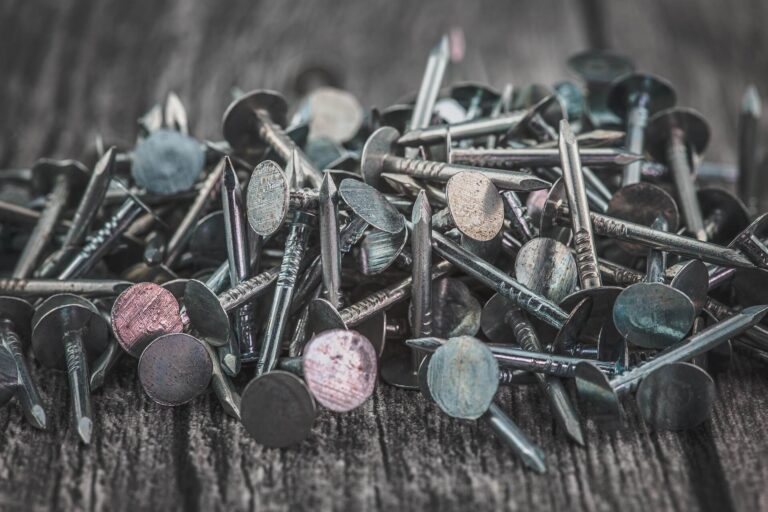
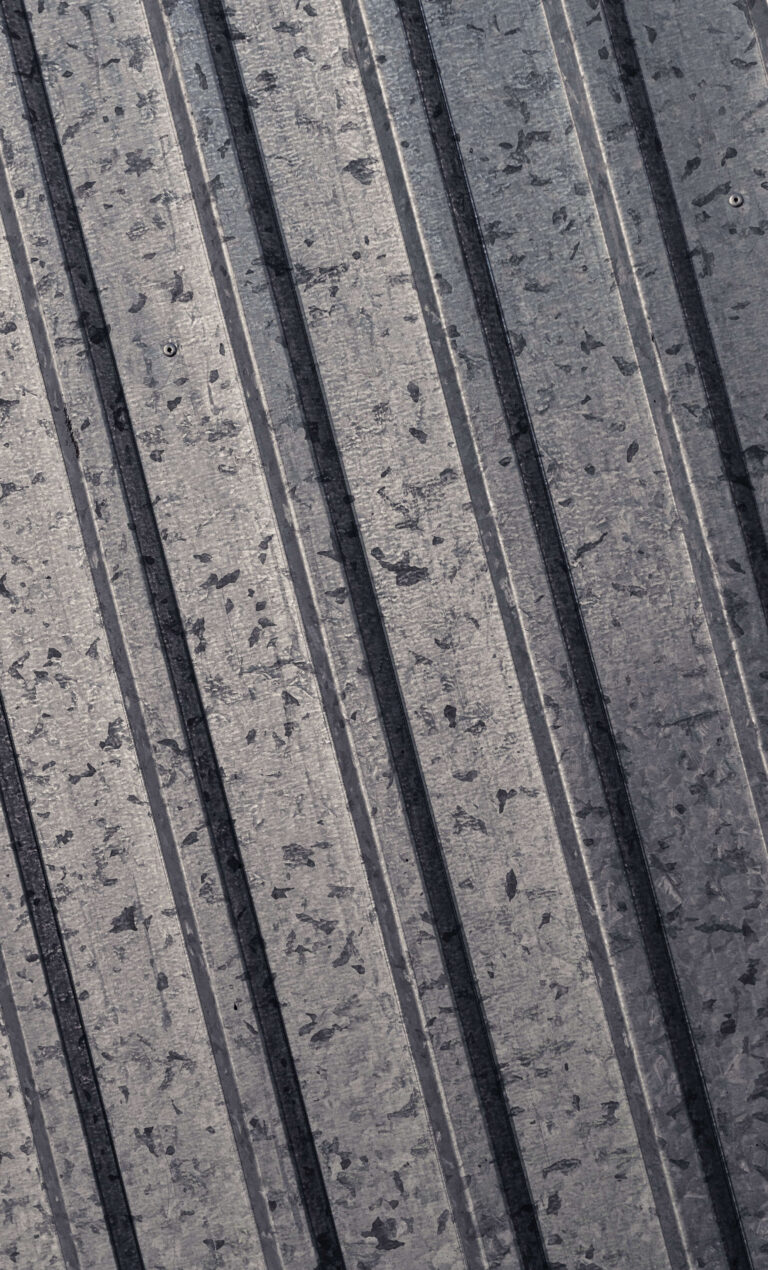
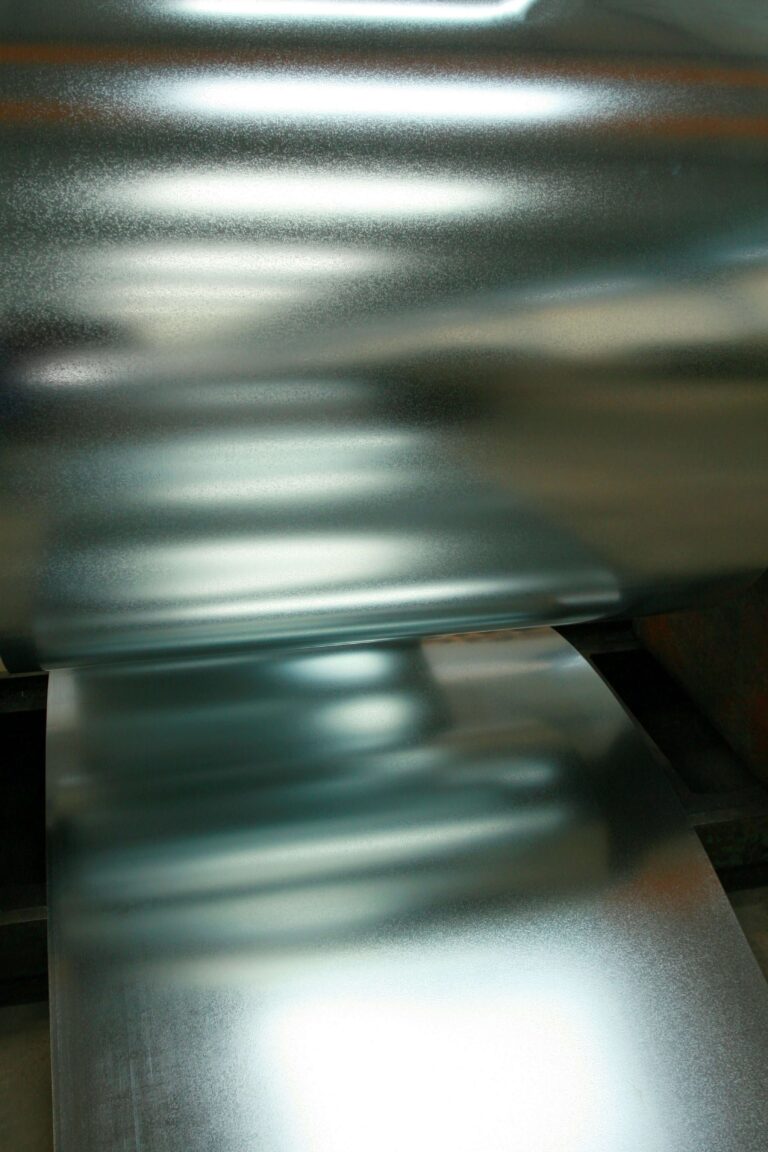
Lead waste can include batteries, pipes, roofing, cable sheathing, solder, and manufacturing scrap. Suitable materials can be recovered and reused.
What Types of Lead Waste Can Be Recycled?
Lead waste is generated across construction, manufacturing, electrical work, automotive maintenance, and other commercial activities. The types of lead that can be recycled depend on the product, its condition, and the level of lead contamination present.
Many lead-bearing materials are valuable recyclable metals when they are correctly identified, separated, and sent through an appropriate recycling process.
Lead-Acid Batteries
Lead-acid batteries are a major source of recyclable lead. They are commonly used in vehicles, backup power systems, industrial machinery, and other equipment.
During recycling, the batteries are processed to recover lead from the internal components. The lead-containing material can be refined and used to manufacture new products, while battery cases made from plastic can also be recovered.
Businesses should keep lead-acid batteries separate from other waste and use an appropriate recycling route. Correct handling is particularly important because batteries may contain corrosive substances and other hazardous materials.
Lead Pipes and Plumbing Materials
Older buildings and infrastructure may contain lead pipes and other lead plumbing components. These materials can become lead scrap during refurbishment, replacement, demolition, or repair work.
Suitable lead pipes can often be collected for metal recovery. Keeping them separate from general construction waste helps prevent lead contamination and makes the recycling process more efficient.
Businesses should identify lead-containing plumbing materials before disposal and follow applicable waste regulations when arranging their removal.
Lead Roofing and Flashing
Lead has traditionally been used for roofing sheets, flashing, valleys, gutters and other building applications. Roofing contractors, builders, demolition companies and property managers can generate significant quantities of lead waste when these materials are removed.
Lead roofing materials that are suitable for recovery can be collected and processed by specialist recyclers. Separating lead from other construction waste can help maintain material quality and support higher recycling rates.
Lead Sheet and Other Lead Products
Lead sheet is used in construction, soundproofing, radiation shielding, and specialist industrial applications. When these products reach the end of their useful life, the material may still contain valuable recyclable lead.
Other lead products can also be suitable for recycling, depending on their composition and condition. Businesses should assess the material before collection, particularly where coatings, sealants, or other substances could cause lead contamination.
Recovering clean lead scrap helps retain useful metal within the manufacturing cycle rather than sending it to landfill.
Lead Cable Sheathing
Some older electrical cables contain lead sheathing. When these cables are replaced, they can become a source of recyclable lead alongside other recoverable materials.
Cable waste may contain copper, aluminium, plastics and lead. Specialist recycling facilities can separate these materials so that each suitable material can enter the correct recovery stream.
Correct separation can improve the value of scrap metal and reduce the environmental impact associated with disposing of mixed waste.
Lead Solder and Manufacturing Scrap
Manufacturing and engineering operations can produce lead-containing solder, offcuts, residues and other forms of lead scrap. Electronics production, plumbing, metalworking and specialist manufacturing are among the activities that may generate these materials.
Keeping production waste separate makes it easier to identify recyclable lead and prevent unsuitable materials from entering the recycling stream. It can also support better control of lead contamination.
Workers should follow appropriate safety procedures because some recycling and processing activities can create lead dust, fumes or vapour.
Lead-Containing Electrical and Electronic Waste
Some older electrical and electronic equipment contains lead in solder, circuit boards and other components. These materials require careful assessment before being sent for recycling.
Electrical and electronic waste should be handled through an appropriate WEEE recycling route where applicable. Specialist treatment can recover recyclable metals while ensuring components containing hazardous substances are managed correctly.
How Is Lead Waste Recycled?
The recycling process varies according to the type and condition of the material. Lead waste is first identified, separated, and assessed before being prepared for treatment.
Lead-acid batteries can be processed to separate recyclable lead from battery cases, plastics and other components. The recovered lead can then be refined and melted for use in new products.
Other lead scrap, including pipes, roofing materials, cable sheathing and manufacturing offcuts, may be sorted and processed by specialist metal recyclers. The objective is to recover recyclable lead while controlling lead contamination and preventing unsuitable materials from entering the recovery stream.
Why Recycle Lead Waste?
Recycling lead waste keeps a valuable material in use and reduces the amount of waste sent to landfill. Recovering existing lead can also reduce the need for additional raw material extraction and help lower the environmental impact associated with producing new metal.
Lead is highly recyclable when it is collected and processed correctly. Recovering lead scrap therefore supports resource efficiency and a more circular approach to metal management.
Improved segregation can also contribute to higher recycling rates by making recyclable metals easier to identify and recover.
Managing Lead Waste Safely
Lead waste requires careful management because exposure to lead dust, fumes and vapour can present health risks. The Health and Safety Executive provides information on workplace exposure to lead and activities involving lead processing and recycling.
Businesses should correctly identify lead waste, use suitable containers, prevent unnecessary contamination and arrange collection through an appropriate recycling provider. Where lead waste is classified as hazardous waste, additional requirements may apply.
Businesses should also follow the waste regulations relevant to where they operate. Requirements can differ across England, Scotland, Wales and Northern Ireland, so businesses should check the applicable rules before arranging collection, transport or treatment.
For relevant UK guidance, businesses can refer to GOV.UK guidance on hazardous waste when checking requirements for hazardous waste management.
Choosing a Lead Recycling Service
A suitable lead recycling service should be able to identify the material, assess its condition and recommend an appropriate collection and recovery route.
Businesses should provide accurate information about the type, quantity and source of their lead waste. Separating recyclable materials at the point where waste is produced can make collection easier and help prevent valuable lead scrap from becoming mixed with unsuitable waste.
For larger quantities, scheduled collections can provide a practical way to manage lead waste while keeping storage areas organised and reducing the risk of contamination.
Many types of lead waste can be recycled, including lead-acid batteries, lead pipe, roofing, flashing, lead sheet, cable sheathing, solder and manufacturing scrap.
By identifying lead waste correctly, separating suitable materials and using responsible recycling services, UK businesses can recover recyclable lead and other valuable materials while reducing waste and supporting responsible resource recovery.