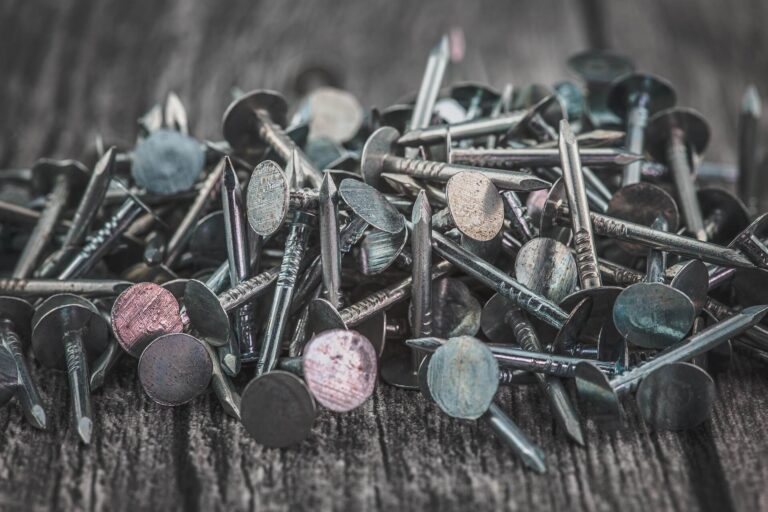
We can collect, sort, process, and refine lead scrap into recycled lead for new products. Much comes from lead-acid batteries and industrial waste.
What Is Lead Scrap?
Lead scrap is unwanted material with usable lead content. Common sources include lead-acid batteries, cable sheathing, pipes, roofing materials, solder, and manufacturing waste.
Businesses can recover value from these materials by sending them to suitable recycling facilities. Separating lead scrap from other waste also helps prevent pollution and supports safer handling.
Lead is a useful industrial metal because it is dense, durable, and resistant to corrosion. These traits make recycled lead fit for several uses after proper treatment.
How Is Lead Scrap Recovered and Reused?
The recovery process starts when businesses collect and sort lead-bearing materials. Waste is checked before it is sorted by type, condition, and makeup.
Battery scrap needs specialist treatment because lead-acid batteries contain lead, plastic parts, and sulphuric acid. A controlled battery recycling process separates these materials so each useful fraction can be treated the right way.
During battery breaking, equipment separates battery cases, lead parts, and other materials. The sulphuric acid is collected and treated, and the acid is neutralized before more processing. Plastic cases can also be recovered and sent for recycling.
The recovered lead-bearing material is then melted and refined. Impurities are removed to produce a more even secondary material. We can cast the resulting recycled lead into ingots and supply it for manufacturing.
The exact process varies according to the waste stream and the equipment used by the recycling facility.
How Is Lead Scrap Reused?
Recycled lead can return to manufacturing as a secondary raw material. One of its most important uses is the production of new lead-acid batteries.
Manufacturers can refine and supply lead recovered from used batteries. This creates a closed loop in which lead from an end-of-life battery can become part of a new battery.
Recovered lead can also be used in products that need its weight, durability, or shielding properties. Depending on its specification, it may support batteries, cables, shielding, and other industrial products.
Reusing recovered material reduces the need for newly mined resources. It also helps to maintain valuable metals in circulation for longer.
Lead Battery Recycling
Lead battery recycling is an established recovery route for battery scrap. People widely use lead-acid batteries in vehicles, industrial equipment, and backup power systems.
When batteries reach the end of their useful life, they should be managed through proper waste channels. Do not mix them with general waste because they can contain hazardous waste components.
A controlled recycling process separates the main battery materials. We recover lead-containing parts for refining and can treat plastic and other fractions separately.
The Environment Agency advises on how to handle waste batteries, like breaking them safely and managing acid. Businesses handling these waste streams should follow environmental regulations and use suitable recycling facilities.
What Happens to the Sulphuric Acid?
Sulphuric acid is a key issue when recycling lead-acid batteries. It must be handled safely because it is corrosive and can cause harm if released or managed the wrong way.
During suitable treatment, we remove the acid from the battery and manage it through controlled processes. Facilities and treatment methods neutralize acid before safely managing or processing it.
This controlled approach helps prevent pollution and protects workers, equipment, and the surrounding environment.
Why Recycle Lead Scrap?
Recycling lead scrap lets businesses recover a useful material instead of sending it for disposal. It can reduce demand for virgin resources and support more efficient material use.
Lead recycling also supports a circular approach to manufacturing. Material that has been recovered can return to production instead of being used only once.
For battery waste, the closed loop created by lead battery recycling can be especially useful. Lead recovered from old batteries can be refined and used to make new battery parts.
Responsible recovery also helps businesses manage hazardous waste more effectively. Proper segregation, storage, and collection can reduce the risk of spills, pollution, and improper disposal.
Preparing Lead Scrap for Recycling
Businesses can improve recovery by identifying lead-containing waste before collection. Lead scrap should be kept apart from unsuited materials and stored in suitable conditions.
We should protect battery scrap from damage and leakage. Lead-acid batteries should also be handled according to the rules that apply to the relevant waste stream.
Providing accurate information to the recycling company can help determine the correct collection and treatment route. Details such as the type, quantity, and condition of the material are useful when arranging recycling.
Good segregation can also reduce pollution and make processing more efficient.
Environmental and Regulatory Considerations
Lead-containing waste requires responsible management because lead can present environmental and health risks when handled incorrectly.
Businesses should use appropriate recycling facilities and follow relevant environmental regulations. This is especially important when dealing with lead-acid batteries, sulphuric acid, and other hazardous waste.
The Environment Agency’s guidance on waste battery treatment provides useful information about appropriate measures for permitted facilities.
Lead scrap recovery turns unwanted materials into useful recycled lead. By collecting, sorting, breaking batteries, processing, and refining, we can return valuable lead to manufacturing.
Lead battery recycling is especially important because lead-acid batteries contain usable lead alongside plastic cases and sulphuric acid. With suitable treatment, these materials can be separated and managed through proper recycling routes.
For businesses, proper segregation and responsible collection help support resource recovery, regulatory compliance, and a more effective closed loop for lead production.