Cobalt Alloys and End-of-Life Material Recovery

Cobalt alloys are valuable materials used in aerospace, engineering, energy systems, and specialist manufacturing. Recovering them at end of life helps businesses recycle cobalt, save resources, and cut industrial waste.
What Are Cobalt Alloys?
Cobalt alloys mix cobalt with metals such as nickel, chromium, tungsten, molybdenum, or iron. This gives them strength, heat resistance, wear resistance, and corrosion resistance. These traits make them fit for demanding industrial uses.
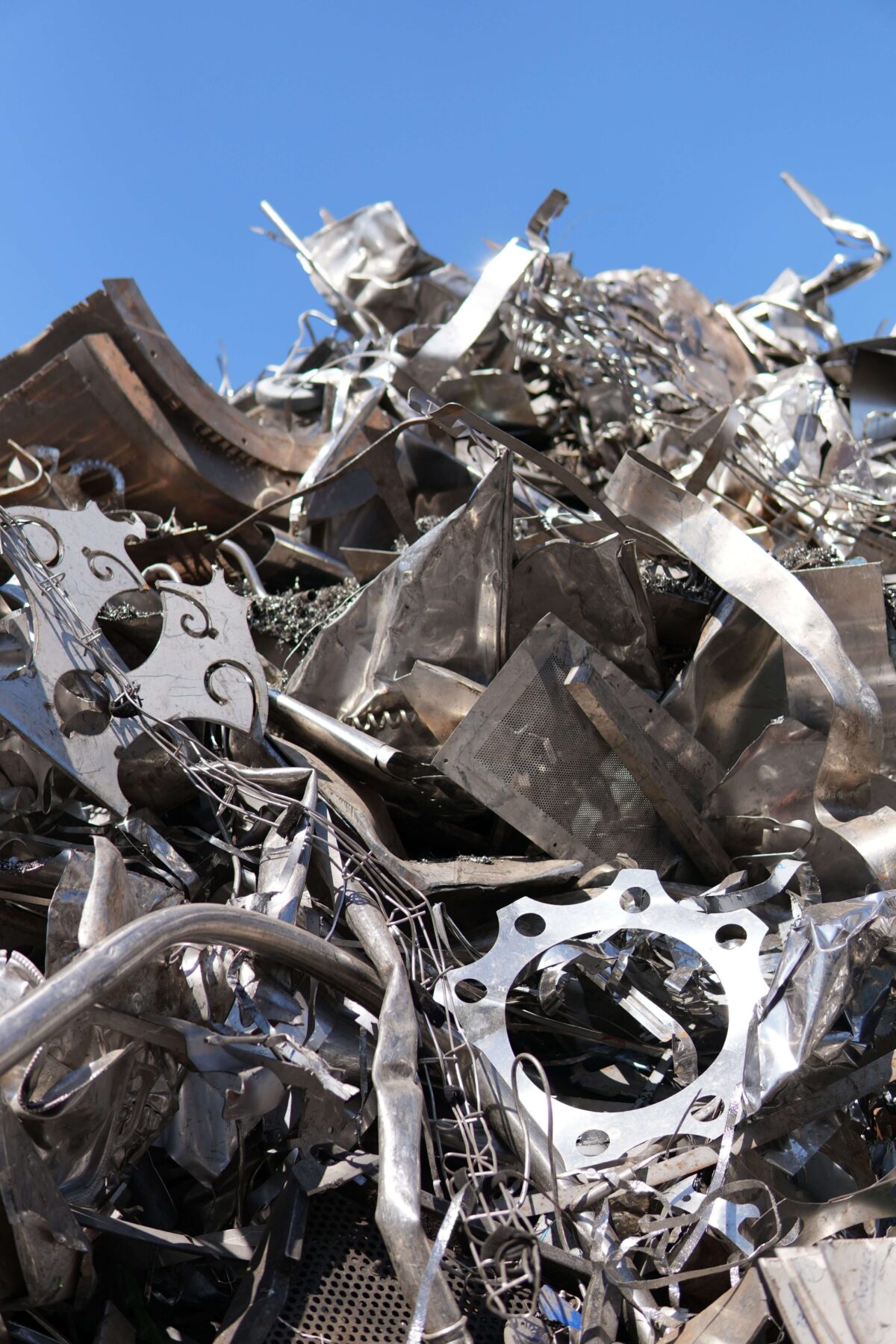
They are found in aerospace parts, cutting tools, energy equipment, medical parts, and specialist engineering parts. Manufacturing scrap can also include cobalt alloy offcuts, machining swarf, rejected parts, and old parts.
Although these materials may no longer suit their original use, they can still contain cobalt and other valuable metals.
Why Is Cobalt Alloy Recovery Important?
Cobalt is an important industrial material used across several modern sectors. It is also linked to lithium-ion batteries, electric vehicles, and energy storage systems, which add to demand for global cobalt supplies.
Recovering cobalt-containing alloys helps keep this valuable metal in use. Recycling cobalt can cut reliance on virgin raw materials and support better use of existing resources.
Cobalt prices can also affect the value of suitable scrap. The value of cobalt alloy scrap depends on its mix, grade, amount, condition, and wider market demand. Keeping different alloy grades apart can make ID and recovery more effective.
Cobalt Alloys and End-of-Life Material Recovery
Cobalt Alloys and End-of-Life Material Recovery starts with identifying the material and, where possible, confirming its mix. Material certificates, product specs, and manufacturing records can help establish the alloy grade.
Where documentation is missing, a specialist recycling provider may assess the material before collection or processing. Accurate ID is important because different cobalt alloys can need different recovery routes.
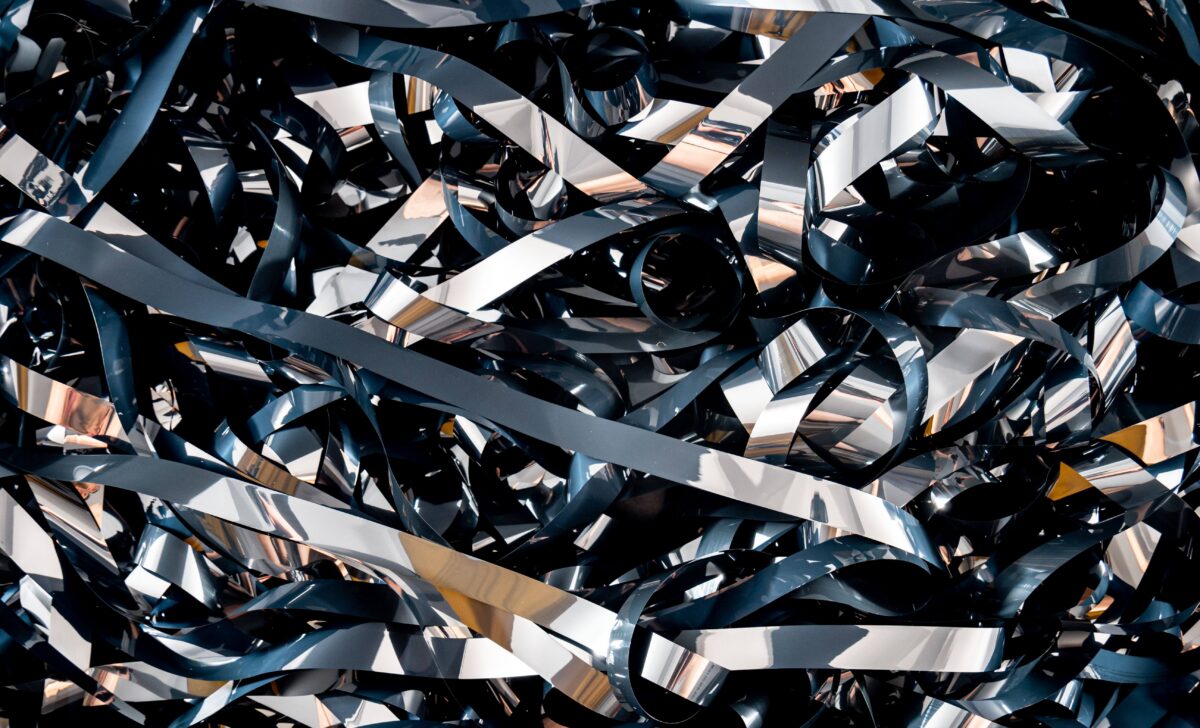
Cobalt alloy scrap can include solid parts, bars, offcuts, turnings, swarf, and finished parts. Keeping these materials separate from unrelated metals and dirt can create a cleaner recycling stream.
Depending on the alloy and recovery process, material may undergo preparation, separation, melting, or other metal treatment. The goal is to recover cobalt and other useful metals for later industrial use.
Sources of Cobalt Alloy Scrap
Cobalt alloy waste can be generated across aerospace, engineering, energy, tooling, and specialist manufacturing industries. Production processes may create offcuts, machining waste, rejected parts, and other manufacturing scrap.
End-of-life industrial equipment can also contain cobalt alloys. Parts that are worn, old, or no longer needed may still provide a source of recovered cobalt.
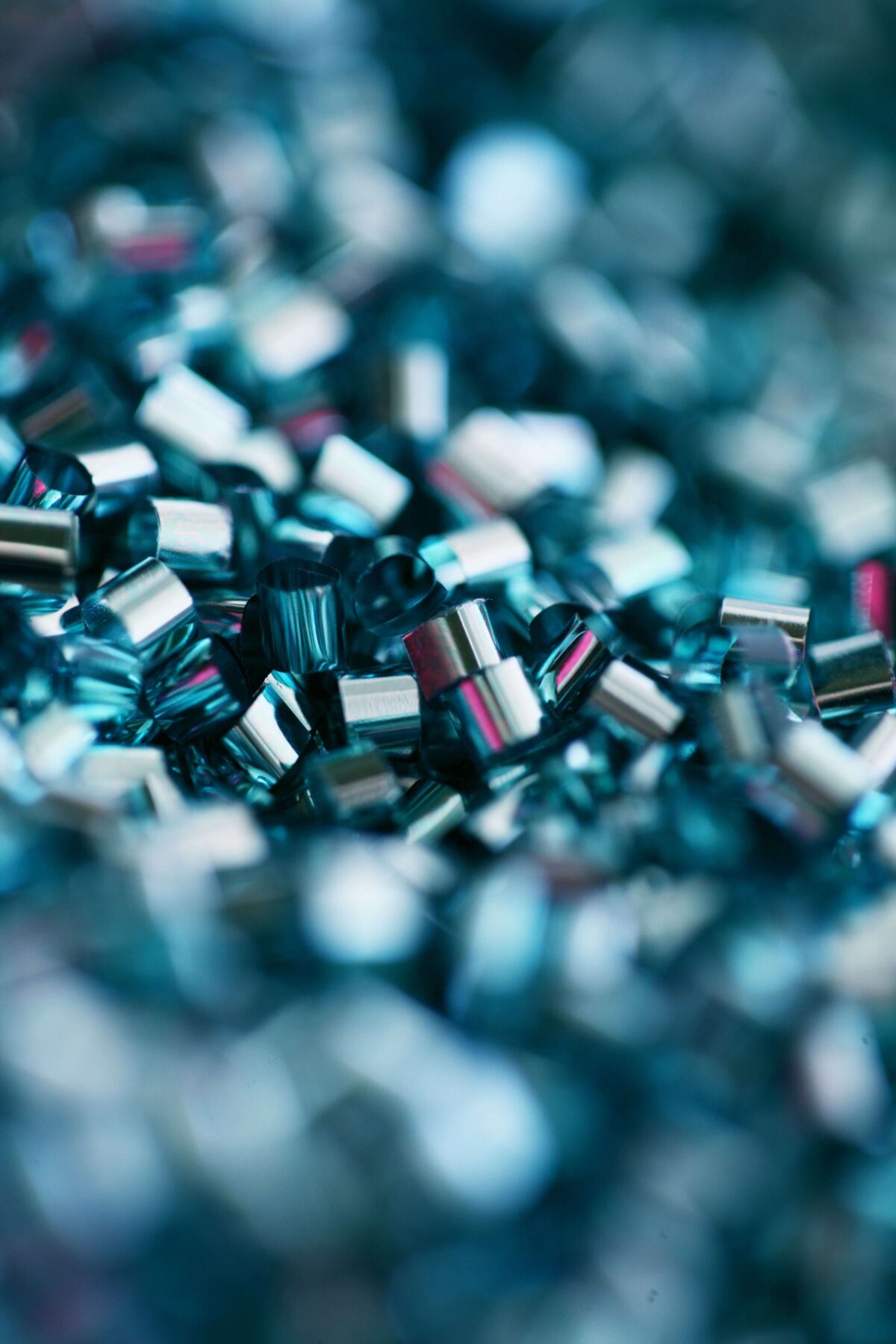
Machining swarf and turnings need care because their shape can make storage and dirt control more important. Keeping these materials apart can support more efficient recycling.
Preparing Cobalt Alloy Scrap for Recycling
Businesses should keep cobalt alloy waste separate from unrelated metals where practical. Different grades should not be mixed unless the recycling provider confirms this is okay.
Material labels, certificates, and production records can help identify the alloy. Businesses should also provide the approximate amount, physical form, and location of the material before collection.
Suitable storage can help prevent dirt and preserve the scrap’s condition. Fine turnings and swarf may need extra controls depending on their mix and condition.
Clear information lets a recycling provider assess the material and choose the right recovery route.
UK Waste Management Considerations
UK businesses should sort waste correctly before collection, recycling, or disposal. Waste sorting helps show whether specific controls apply to a particular waste stream.
Cobalt-containing metal waste is not automatically hazardous just because it contains cobalt. The waste’s mix and any hazardous traits decide how it is handled. Businesses should assess their own waste rather than rely on the presence of one metal.
Good documentation can also support tracking and environmental reporting. Businesses should use suitable waste management arrangements and work with the right recycling provider.
Benefits of Recycling Cobalt Alloys
Recycling cobalt alloys can save valuable resources and reduce the amount of industrial material sent for disposal. Recovering cobalt also supports circular supply chains by returning useful metals to manufacturing.
Recovered cobalt can provide a second source of material for industrial uses. This supports resource efficiency while helping businesses make better use of materials already in use.
An environmentally friendly approach to cobalt alloy waste can also fit green aims. Good segregation and recycling may help businesses improve resource management and reduce needless disposal.
Cobalt Alloys, Global Cobalt and Resource Recovery
Demand for cobalt is influenced by several industries, including advanced manufacturing, batteries, and energy tech. Lithium-ion batteries and electric vehicles have increased focus on cobalt supply, although cobalt alloys serve different industrial uses.
Recovering cobalt from suitable industrial scrap gives another chance to support the cobalt supply. Instead of letting useful material become disposal waste, recycling can return valuable metals to the wider supply chain.
For businesses, this makes cobalt alloy recycling both a waste management issue and a resource recovery opportunity.
Choosing a Cobalt Recycling Service
Businesses should choose a recycling provider with experience handling cobalt-containing materials and understanding different alloy grades. Information about the material type, amount, physical form, and known mix can help determine the right recycling route.
A suitable collection service can move cobalt alloy scrap from business premises to the right recycling facility. Clear documentation can also help businesses keep records of collection and recovery.
MetalCycle provides cobalt recycling services for UK businesses and handles cobalt-containing materials from aerospace, engineering and manufacturing uses. Its service supports the collection and recovery of cobalt alloy scrap, helping businesses manage valuable materials responsibly.
Cobalt alloys can keep significant material value after products and parts reach the end of their working life. Through accurate identification, segregation, collection, and processing, businesses can support end-of-life material recovery and keep cobalt within the supply chain.
Recycling cobalt alloy offcuts, swarf, parts, and old parts can help save resources and reduce needless disposal. For businesses generating regular cobalt scrap, working with a suitable recycling provider can make material recovery more efficient and environmentally responsible.