Why Magnesium Waste Requires Careful Management


Careful management of magnesium waste is an important consideration for UK businesses involved in manufacturing, engineering, and metalworking. Magnesium is a lightweight metal used in automotive components, aerospace equipment, and industrial machinery. However, some forms of magnesium waste can create fire risks if handled incorrectly. Safe storage, correct segregation, and responsible magnesium recycling help businesses protect workers and recover valuable materials.
Magnesium waste needs safe handling because fine particles and machining residues can ignite. Proper storage, segregation, and recycling help reduce risks.
Why Magnesium Waste Requires Careful Management
Magnesium waste requires careful management because its physical form affects its handling risks. Solid magnesium components behave differently from fine powders, filings, and machining residues. Fine particles can ignite more readily under certain conditions, making suitable storage and handling essential.
Businesses should identify their magnesium waste before arranging collection. Mixing materials, allowing residues to accumulate, or using unsuitable containers can increase risks. Understanding the material’s condition helps companies establish appropriate procedures for storage, transport and recovery.
Effective waste management also helps prevent contamination and supports the recovery of reusable metal. By assessing waste streams early, businesses can make safer decisions and reduce avoidable disposal.
What Types of Magnesium Waste Do Businesses Generate?
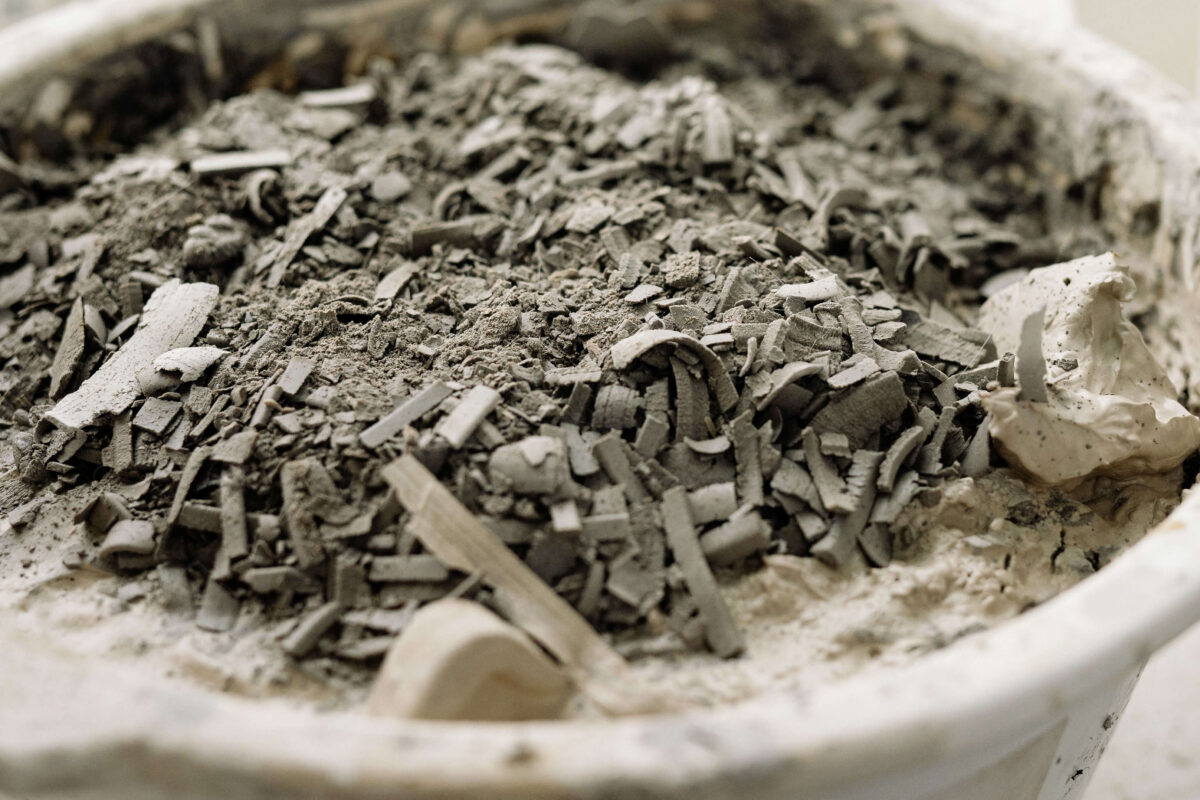
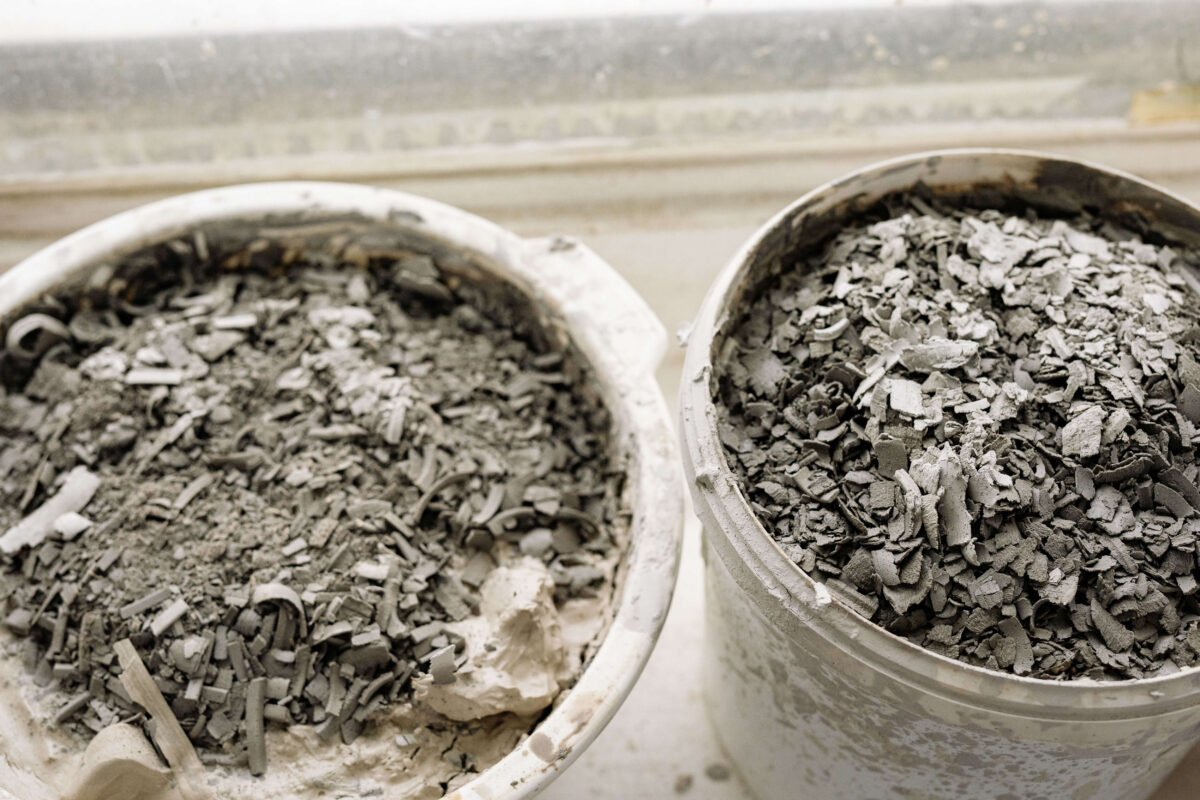
Magnesium waste can arise during manufacturing, machining, fabrication and product assembly. Common examples include offcuts, rejected components, casting residues, filings and metal swarf.
Machining operations require particular attention because they can produce small particles and fine residues. Oils, coolants, coatings and other contaminants may also affect how the waste should be handled.
End-of-life magnesium components can come from vehicles, machinery and industrial equipment. Businesses should identify these materials and assess their condition before selecting a suitable recycling route.
Separating different waste streams makes identification easier and helps recycling providers determine the appropriate recovery process.
Fire Risks Associated with Magnesium Scrap
Fire prevention is a major reason why magnesium waste requires careful management. Fine magnesium particles can ignite under certain conditions, particularly when exposed to sparks, excessive heat, or unsuitable processing methods.
Grinding, cutting and other industrial activities should be assessed carefully where magnesium residues are present. Accumulated dust and swarf must not be treated as ordinary metal waste without considering their specific risks.
Businesses should conduct suitable risk assessments, train employees and establish clear emergency procedures. Staff must understand which firefighting methods are appropriate for magnesium fires. Water and conventional extinguishing methods may be unsuitable for burning magnesium, so specialist guidance is essential.
Good housekeeping, suitable equipment and clear safety procedures help reduce the likelihood of incidents and protect workers, machinery and nearby facilities.
How Should Magnesium Waste Be Stored?
Safe storage helps prevent accidental ignition, contamination and unwanted mixing. Containers and storage areas should be selected according to the type, condition and assessed risks of the magnesium waste.
Fine powders, machining residues and solid metal offcuts may require different storage arrangements. Businesses should not assume that one method is suitable for every material.
Waste should be clearly labelled and separated from incompatible substances. Storage areas should be kept orderly, and unnecessary handling should be avoided where it could generate airborne dust or introduce ignition sources.
Regular inspections can identify damaged containers, contamination, and other potential problems. Any unusual heating or suspected reaction should be addressed through established safety procedures before the material is moved.
Why Waste Segregation Matters
Separating magnesium waste from other scrap metals helps improve safety and supports efficient recovery. Mixed materials can make identification difficult and introduce contaminants that affect processing.
For example, magnesium swarf containing oils or coolants may require different treatment from clean magnesium offcuts. Mixed metal waste may also need further assessment before a recycling facility can accept it.
Clear labelling and accurate waste descriptions help collection teams understand the material they are handling. Businesses should communicate its composition, physical form and known contamination when arranging collection.
Effective segregation improves traceability, reduces avoidable handling problems and helps ensure that magnesium waste reaches an appropriate recovery facility.
How Magnesium Recycling Supports Resource Conservation
Magnesium has valuable properties, including its low weight and usefulness in engineering applications. Magnesium recycling helps recover suitable scrap and return reusable metal to manufacturing supply chains.
The recycling process depends on the material’s composition and condition. A receiving facility may need to inspect, sort, and prepare the scrap before processing it. Contaminated or mixed materials may require additional assessment.
Clean, correctly identified scrap can be easier to recover than poorly segregated waste. Businesses can therefore support efficient resource recovery by separating magnesium at the point where waste is generated.
Recycling suitable materials can reduce reliance on newly produced metal and support a circular economy. However, recovery methods must account for the specific characteristics and safety requirements of magnesium.
Legal Responsibilities for Managing Magnesium Waste
UK businesses must classify and manage waste appropriately. Requirements can vary across England, Wales, Scotland and Northern Ireland, so companies should follow the regulations applicable to their location.
Businesses should assess the composition and characteristics of magnesium waste rather than assuming every waste stream has the same classification. Contamination and physical condition may affect the assessment.