Metal manufacturing involves several processes that require electricity, heat, and fuel. Activities such as melting, casting, rolling, cutting, and machining can use significant amounts of energy. The type of metal, production method, and machinery all influence how much energy a facility consumes. Understanding these factors helps manufacturers reduce operational costs, improve efficiency and lower their carbon footprint.
Why Does Industrial Metal Processing Require So Much Energy?
Industrial metal processing involves transforming raw materials or recovered metals into usable products. Many stages require high temperatures, mechanical force and specialised equipment, making metal production energy intensive.
For example, melting metals requires furnaces that generate and maintain high temperatures. Rolling and forging use powerful machinery to change metal shapes, while cutting and machining equipment uses electricity to remove unwanted material.
Different metals also have different processing requirements. Aluminium, steel, copper and nickel have varying melting points and physical properties. These differences influence the energy needed during manufacturing.
How Does Industrial Metal Processing Affect Energy Consumption?
Energy consumption varies throughout the metal processing industry. Some manufacturing stages rely heavily on heat, while others mainly require electricity to operate machinery.
Metal Melting and Smelting
Melting and smelting are among the most energy-intensive industrial processes. They involve heating metals or ores to high temperatures to produce molten metal or extract valuable materials.
Industrial furnaces commonly use electricity, natural gas or other fuels. Their energy requirements depend on the metal, furnace design, operating temperature and quality of the incoming material.
Smelting can require additional energy because chemical reactions separate metals from their ores. This makes primary metal production particularly energy intensive.
Casting and Metal Forming
Casting involves pouring molten metal into moulds to create specific shapes. Maintaining the correct temperature requires continuous heating, while additional energy is needed for material handling and preparation.
Metal forming processes, including rolling, forging and extrusion, use mechanical force to change the shape and dimensions of materials.
Hot forming requires heating before processing, whereas cold forming takes place without additional heating. However, cold forming can require greater mechanical force.
Cutting and Machining
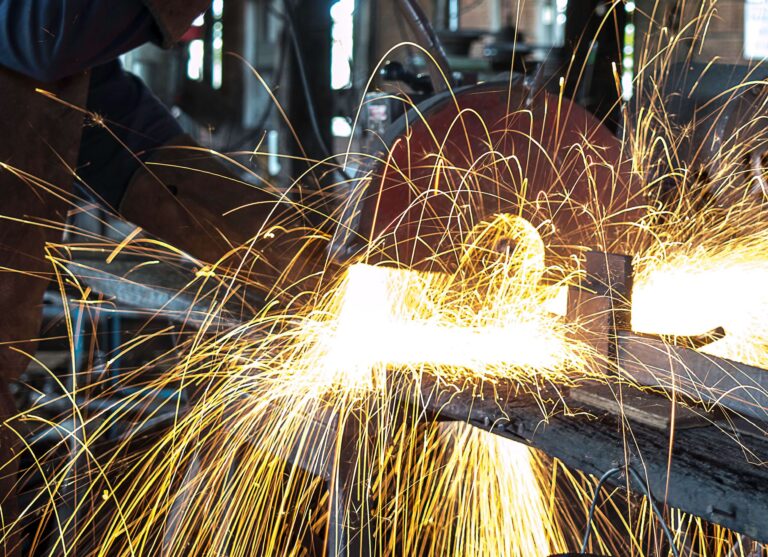
Cutting and machining remove unwanted material to produce components with precise dimensions. Common techniques include CNC machining, laser cutting, plasma cutting and waterjet cutting.
These processes consume electricity through motors, cutting systems, pumps and cooling equipment. Energy requirements depend on material thickness, machine capacity and production speed.
Inefficient cutting patterns can also increase energy consumption by creating unnecessary scrap and requiring additional processing.
Heat Treatment
Heat treatment changes the mechanical properties of metals, including hardness, strength and toughness. Processes such as annealing, tempering, and hardening involve controlled heating and cooling.
Industrial furnaces can operate for extended periods, making temperature control important. Poor insulation, unnecessary heating cycles and inefficient cooling systems can increase energy use.
Statistics on Industrial Metal Processing and Energy Consumption
Industrial activity accounts for a substantial proportion of global energy demand. According to the International Energy Agency (IEA), industry represented nearly 40% of global final energy consumption in 2024.
According to the Department for Energy Security and Net Zero’s Energy Consumption in the UK 2026 statistics, UK industrial energy consumption fell by 4.9% between 2024 and 2025, reaching 17.3 million tonnes of oil equivalent (mtoe), the lowest level in the recorded time series.
The aluminium industry also demonstrates the difference between primary and secondary metal production. The International Aluminium Institute reports that recycling aluminium requires approximately 5% of the energy needed to produce primary aluminium. This represents an energy saving of around 95%.
These figures highlight the importance of improving industrial efficiency and increasing the use of recovered materials.
What Factors Influence Energy Consumption in Metal Processing?
Several factors determine how much energy manufacturers require during metal production.
The type of metal is important because different materials have different melting points, physical properties and processing requirements. Metals that need higher temperatures can increase energy demand.
Production volume also influences consumption. Large manufacturing operations generally use more energy because machinery and furnaces operate for longer periods. However, efficient production planning can reduce energy use per finished component.
Equipment condition is another important factor. Older machinery may consume more electricity and fuel than modern, energy-efficient alternatives. Poor maintenance can also increase operating requirements.
Processing methods affect overall efficiency. Primary metal production generally requires more energy than processing recovered materials. Choosing suitable manufacturing techniques can therefore help reduce energy consumption.
Material waste also increases demand because rejected components and excess scrap require additional processing. Reducing waste helps manufacturers avoid unnecessary energy expenditure.
How Can Manufacturers Reduce Energy Consumption?
Manufacturers can improve efficiency without necessarily reducing production. Upgrading equipment, maintaining machinery and improving production planning can all help reduce energy requirements.
Upgrade to Energy-Efficient Equipment
Modern furnaces, motors, compressors and processing machinery can reduce electricity and fuel consumption. Variable-speed drives can adjust motor output according to operational requirements, preventing unnecessary energy use.
Replacing outdated equipment can improve productivity while reducing operational costs.
Improve Furnace Efficiency
Furnaces account for a significant proportion of energy use in many metal processing facilities. Better insulation, regular burner maintenance and waste heat recovery can reduce energy losses.
Temperature monitoring systems can also prevent overheating and maintain consistent operating conditions.
Reduce Metal Waste
Efficient material planning helps manufacturers obtain more usable metal from each production batch. Accurate cutting patterns, improved machining techniques and effective quality control can reduce rejected components and unnecessary scrap.
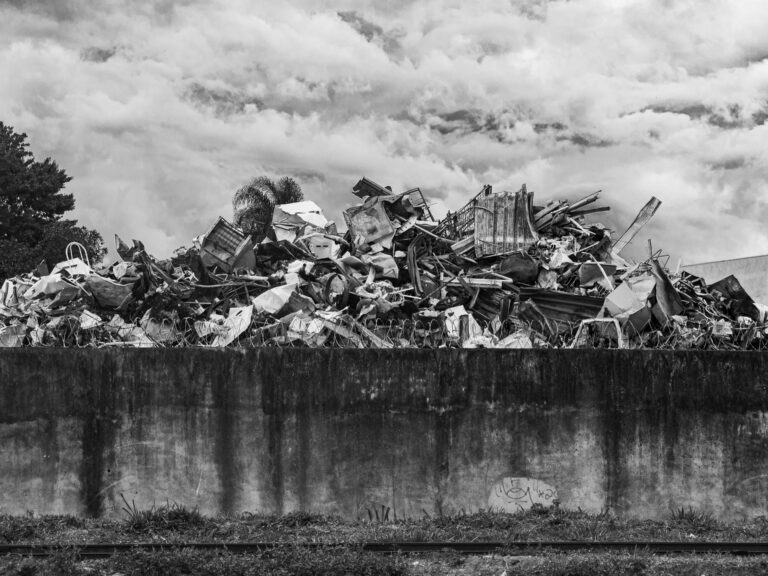
Recycling metal offcuts also helps recover valuable materials and reduces the need for additional primary production.
Monitor Energy Consumption
Energy monitoring systems help manufacturers identify which machines and production stages consume the most electricity and fuel.
Comparing energy consumption with production output makes it easier to identify inefficient equipment, improve operating schedules, and measure emissions reduction progress.
Does Metal Recycling Reduce Energy Consumption?
Yes. Metal recycling can significantly reduce the energy required to produce many metals compared with extracting and processing primary raw materials.
Aluminium provides a clear example. Recycling requires approximately 95% less energy than primary aluminium production, according to the International Aluminium Institute.
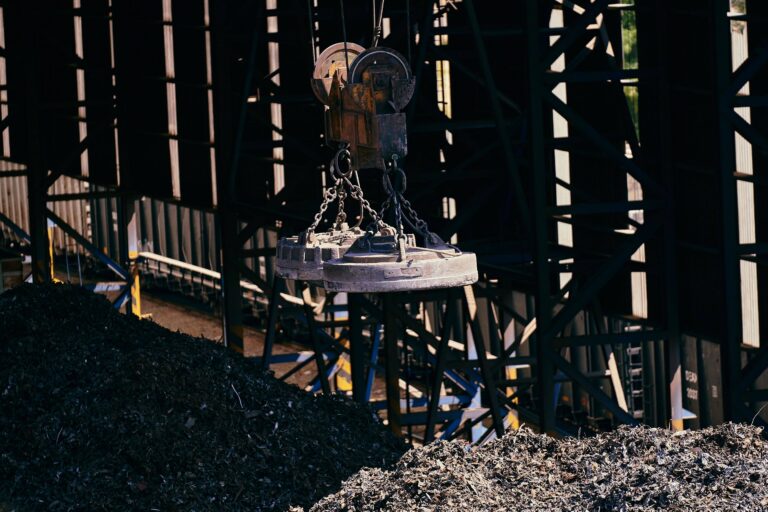
Recycling steel, copper, brass and other metals can also reduce the demand for energy-intensive mining, extraction and refining activities. Actual savings depend on the material, its quality and the recycling process.
Manufacturers can support these benefits by separating production scrap and arranging appropriate metal recovery. Using recovered materials reduces the demand for virgin resources and can lower the carbon footprint of manufacturing.
The Environmental Impact of Industrial Energy Consumption
High energy consumption can increase manufacturing costs and contribute to carbon emissions, particularly when facilities depend on fossil fuels.
Reducing energy demand helps manufacturers lower their environmental impact. Combining efficient machinery with renewable electricity, waste heat recovery and recycled raw materials can support further emissions reduction.
These improvements also contribute to industrial decarbonisation and a more resource-efficient manufacturing sector.
Industrial metal processing affects energy consumption through melting, forming, cutting, machining and heat treatment. Manufacturers can reduce energy use by improving equipment efficiency, minimising material waste and increasing metal recycling. These measures help control operational costs while reducing carbon emissions.