Metalworking is a key part of modern manufacturing. It helps make machines, tools, vehicles, and structural parts. But what is the difference between hot and cold metal working? The main difference is the temperature used to shape the metal. That affects strength, flexibility, surface finish, and other mechanical properties.
Hot working occurs above the new-grain temperature, while cold working happens below it, often at room temperature.
Both forming processes are widely used in engineering, construction, car making, and metal fabrication. The best method depends on the material, the size needed, cost, and the final part.
Hot working shapes heated metal and allows major deformation. Cold working shapes metal at lower temperatures, which improves strength, surface finish, and size accuracy.
What Is Hot Metal Working?
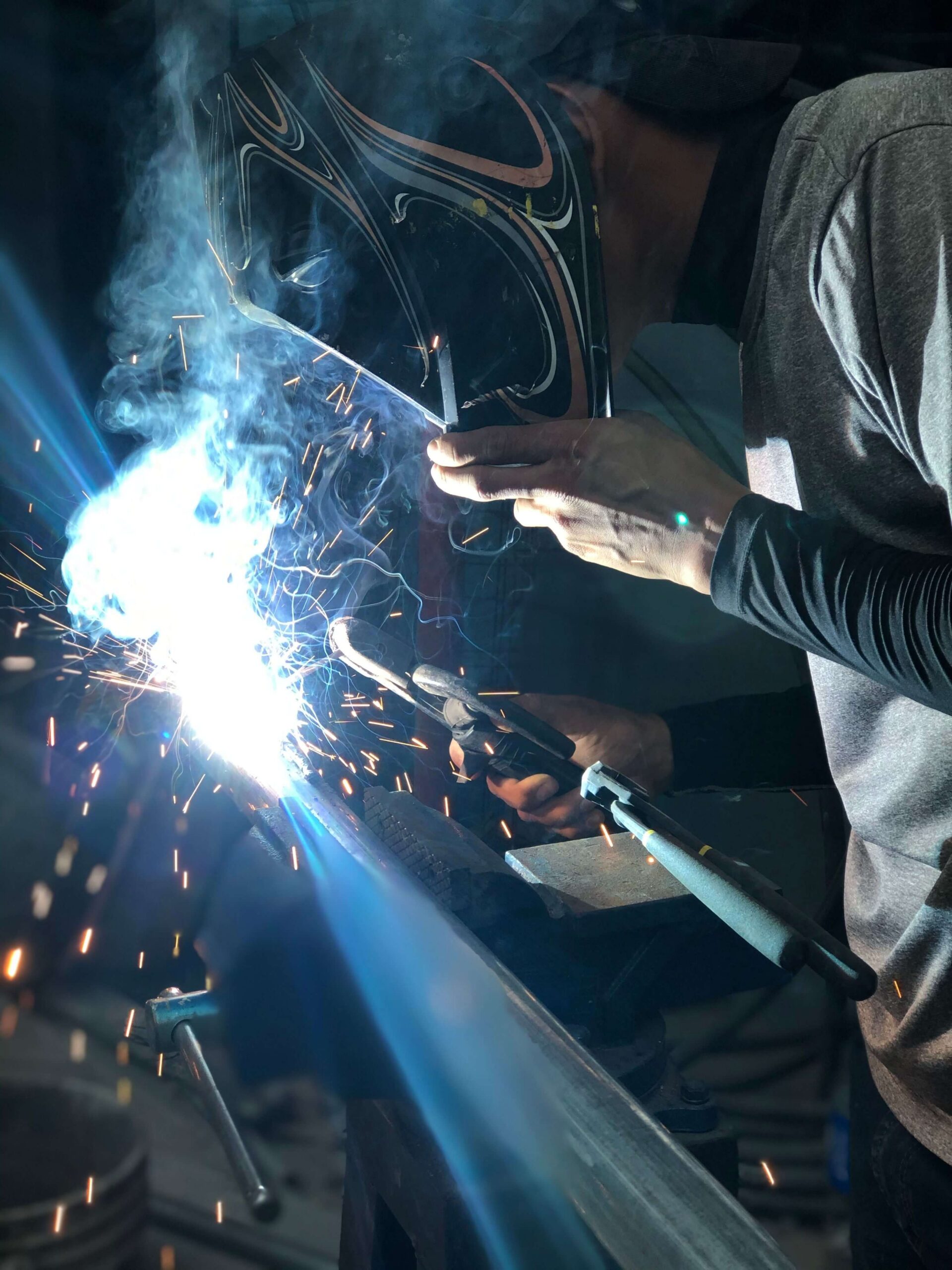
Hot metal working is a manufacturing process in which metal is heated above its new-grain temperature before it is shaped. This temperature changes based on the material and its mix.
Heating makes metal softer and easier to deform, so manufacturers can change its shape with less force. New grains form during the process, which helps limit strain hardening.
Hot work is especially useful for large parts that need heavy shaping. It can also break up cast structure and make the material more even.
Common hot work processes include hot rolling, hot forging, and hot extrusion.
How Does the Hot Working Process Work?
The process begins by heating a metal billet, slab, or workpiece to the right level. The temperature must be high enough for shaping but still below the melting point.
Once hot, the metal can pass through rollers, be pressed into dies, or be pushed through a shaped opening. These forming processes change its size and shape.
For example, hot rolling sends heated metal between rotating rollers to reduce its thickness. Hot forging uses compressive forces to shape hot metal into parts such as connecting rods, shafts, and industrial tools.
After forming, the metal cools in a controlled way or in open air, depending on the metal and the needed mechanical properties.
What Is Cold Metal Working?
Cold metal working changes the shape of metal below its new-grain temperature. It is often done at room temperature, though friction and deformation can still create heat.
Unlike hot working, cold working does not keep forming new grains during the process. Instead, the metal experiences strain hardening, which is also called cold work.
As the metal is plastically deformed, dislocations build up. This raises hardness and tensile strength but lowers ductility. So the metal becomes stronger but less able to stretch without cracking.
Cold work is common for precision parts, thin sheets, wires, and finished products.
How Does the Cold Working Process Work?
The cold working process begins with a workpiece that does not need high heat. Machines apply pressure, tension, or compression.
The metal is then shaped by cold rolling, bending, drawing, or pressing.
For example, cold rolling passes metal through rollers at or near room temperature to make thinner sheets with accurate size and a smoother surface. Wire drawing pulls metal through a die to reduce its diameter and make a steady cross-sectional shape.
Because cold working raises strength through deformation, manufacturers may use midway annealing when heavy shaping is needed. Annealing softens the metal and makes it easier to form before more processing.
Key Differences Between Hot Working and Cold Working
Hot working and cold working differ in processing temperature, strength, flexibility, and surface finish.
Hot Working
- Temperature: Above the new-grain temperature.
- Strength: Usually lower after forming.
- Ductility: Higher.
- Forming force: Needs less force.
- Surface finish: May develop oxidation and scale.
- Accuracy: Less exact because of temperature changes.
- Applications: Steel beams, billets, and structural sections.
Cold Working
- Temperature: Below the new-grain temperature.
- Strength: Usually higher because of work hardening.
- Ductility: Lower.
- Forming force: Needs more force.
- Surface finish: Usually smoother.
- Accuracy: Usually more exact.
- Applications: Metal sheets, wires, and precision parts.
Neither method is always better, because each has clear benefits.
Common Hot Metal Working Processes
Several industrial operations use high heat to make metal easier to deform. These processes are useful when manufacturers need large parts or big changes in size.
Hot Rolling
Hot rolling involves passing heated metal through a series of rollers to reduce its thickness or change its cross-sectional shape. It is widely used to make steel plates, structural beams, rails, and metal sheets.
The process allows large drops in thickness without needing as much force as cold rolling.
Hot Forging
Hot forging shapes heated metal with compressive forces from presses or hammers. It is commonly used to make heavy-duty parts with good mechanical properties.
Automotive parts, industrial machine parts, and engineering tools are examples.
Hot Extrusion
Hot extrusion forces heated metal through a special die to create products with a steady cross-sectional shape.
It is commonly used to make aluminium profiles, pipes, rods, and structural sections. The process is useful for complex shapes that may be hard to make with other forming methods.
Common Cold Metal Working Processes
Cold metal working includes several operations that give accurate sizes and improve the mechanical properties of metal products.
Cold Rolling
Cold rolling reduces metal thickness by passing it through rollers below its new-grain temperature. It produces smooth surfaces and steady dimensions.
This process is common for automotive panels, electrical parts, and precision steel sheets, including stainless steel products.
Cold Drawing
Cold drawing pulls metal through a die to reduce its diameter or change its cross-sectional shape. It is often used to make wires, rods, and tubes.
The process improves size control and can raise tensile strength through work hardening.
Cold Bending and Cold Forging
Cold bending changes the shape of metal without heating it to hot work temperatures. Machines bend sheets, bars, and tubes into the needed angles.
Cold forging uses mechanical pressure to shape metal at lower temperatures. It is suited to fasteners, bolts, and other precision parts. However, the metal must have enough ductility to handle the shape change without cracking.
Pros and Cons of Hot Metal Working
Hot metal working offers several benefits for manufacturers working with large pieces or materials that need major shaping.
One big benefit is lower forming resistance. Heat makes the metal easier to shape, so machines usually need less force to change its shape. The process also limits strain hardening during deformation.
Hot work can improve the inner structure of some materials by breaking up cast structure and encouraging new grain growth. This makes it useful for large metal sections and parts.
However, high heat also brings problems. Heating gear uses more energy and raises cost. Metal surfaces can form oxidation and scale, which may need extra cleaning or finishing.
Thermal expansion and cooling can also make tight size limits harder to hold. Depending on the process, cooling may create residual stresses that affect the final part.
Pros and Cons of Cold Metal Working
Cold metal working offers better size control and usually gives a smoother surface finish than hot working. Since the metal does not need high heat, manufacturers can also avoid some heating costs.
Another key benefit is work hardening. The deformation process raises the metal’s strength and hardness, so finished parts suit jobs that need more resistance to shape change.
Cold work is especially useful for thin sheets, precision parts, and products with steady dimensions.
However, the process needs greater forming force because metal is harder to shape at lower temperatures. It also lowers ductility, which can raise the risk of cracking if the part is deformed too much.
Manufacturers may need extra annealing steps to restore ease of forming. This adds time and can raise total cost. Cold work can also create residual stresses that matter during later machining or heat treatment.
Hot Working vs Cold Working: Which Process Is Better?
The choice between hot work and cold work depends on the part design and the manufacturing conditions.
Hot working is usually better when manufacturers need to shape large amounts of metal, make thick sections, or achieve major deformation. It is also useful when the metal needs more flow during shaping.
Cold working is often the better choice when exact size, smooth surfaces, and higher strength matter. It is especially good for thin metal sheets, wires, and precision-engineered parts.
Some production lines use both methods. A part may first go through hot rolling to get its basic size, then cold rolling to make the surface smoother and the thickness more exact.
Using both methods lets manufacturers gain the benefits of each one while meeting specific production needs.
Statistics: The Importance of Metalworking in Modern Industry
Metal forming supports a large global manufacturing industry. According to the World Steel Association, global crude steel production reached about 1,849.4 million tonnes in 2025. This shows the size of the industry that depends on metal processing and forming technologies.
The group’s 2026 publication, World Steel in Figures, also reports that global crude steel production rose from 850 million tonnes in 2000 to about 1,849 million tonnes in 2025.
These numbers refer to steel production, not the direct use of hot and cold working. Even so, they show how important manufacturing processes are for turning raw and semi-finished metals into useful products.
The Role of Metal Recycling in Metal Manufacturing
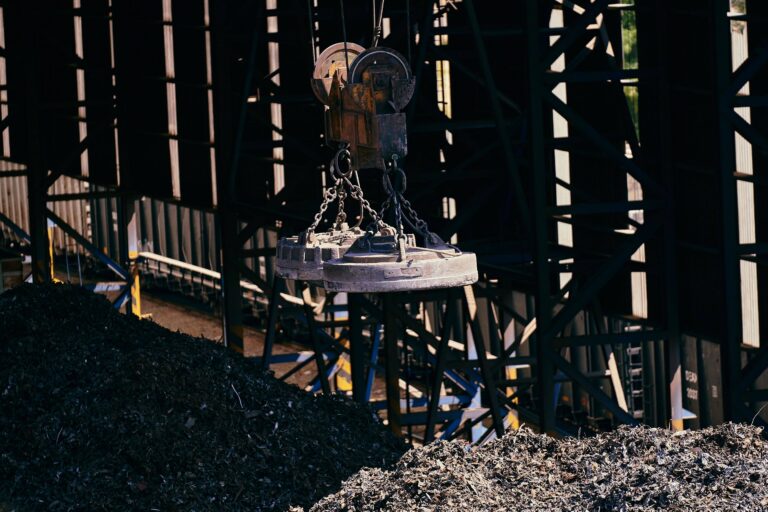
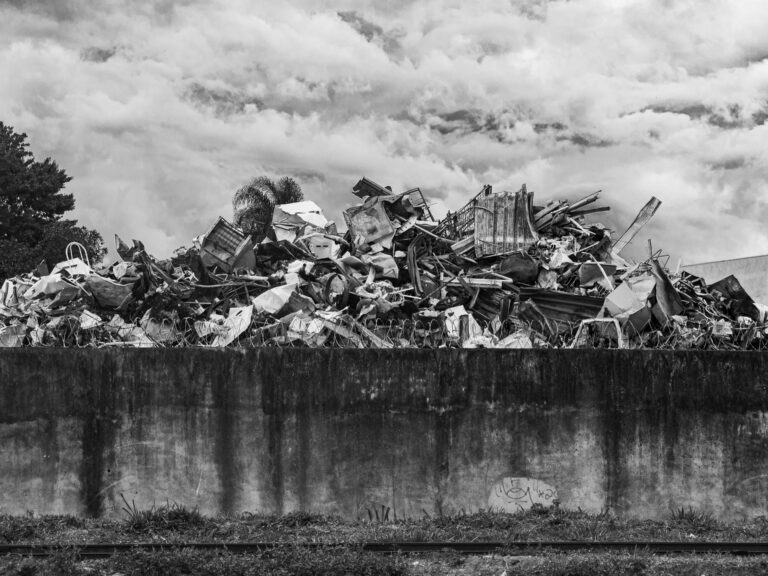
Both hot and cold metal working can create waste, including offcuts, metal shavings, rejected parts, and production scrap.
These materials can often be collected, sorted, and recycled, depending on their composition and impurity levels. Recovering usable metal helps cut waste and supports secondary raw materials for manufacturing.
Different metals need the right handling and processing methods to keep material quality high. Keeping metal grades separate can also improve recycling efficiency.
Manufacturers can support more sustainable production by using good scrap management and specialist services for metal recycling. Recovering valuable metals from industrial waste helps return useful materials to the manufacturing supply chain.
The main difference between hot and cold metal working is the temperature used to deform metal and the effect on material properties.
Hot working happens above the new-grain temperature, making metal easier to shape and better for major deformation. Cold working happens below this temperature, and it usually improves strength, hardness, surface finish, and size accuracy through work hardening.
Both processes play a key role in modern manufacturing. Choosing the right one helps manufacturers get the needed product quality, mechanical properties, and production efficiency.