Zinc Waste Management for UK Businesses

Zinc waste management helps UK businesses reduce waste, recover valuable metals and support responsible manufacturing through safe handling and recycling.

What Is Zinc Waste Management?

Zinc waste management for UK businesses involves collecting, sorting, storing, recycling, and disposing of zinc-containing materials responsibly. Manufacturers, construction companies, engineering firms and metal processors can use effective waste management practices to recover valuable materials and reduce unnecessary disposal.

Zinc is widely used because it resists corrosion and improves the durability of other metals. Common applications include galvanised steel, roofing materials, protective coatings, die-cast components and industrial products.

Manufacturing and maintenance activities can generate zinc scrap, metal offcuts, machining residues and unwanted components. Separating these materials from general waste helps businesses identify suitable recycling opportunities and improve resource efficiency.

Common Sources of Zinc Waste in UK Businesses

Understanding where zinc waste comes from helps businesses introduce better collection and recycling procedures.

Manufacturing and Metal Processing

Manufacturing facilities can produce zinc offcuts, rejected components, defective castings and machining residues. Collecting these materials separately makes it easier to assess their suitability for zinc recycling.

Keeping clean zinc scrap away from mixed metals, oils and other contaminants can improve recovery opportunities. Businesses should also review production processes to identify avoidable material losses.

Construction and Demolition

Construction and refurbishment projects may generate zinc roofing, guttering, cladding and galvanised steel. Contractors should identify these materials during removal and separate recyclable items where practical.

Some components contain several metals, coatings or attached materials. Their composition should be assessed before selecting an appropriate recycling route.

Galvanising and Surface Treatment

Galvanising protects steel from corrosion by applying a zinc coating. Related industrial processes can generate zinc-bearing residues, dross and other by-products.

These materials should not automatically be treated as ordinary scrap metal. Their composition and contamination levels determine the appropriate handling, classification and recovery arrangements.

Why Zinc Waste Management Matters

Effective waste management provides environmental and operational benefits for UK businesses.

Resource conservation: Zinc recycling reduces the need for newly extracted raw materials when recovered metal replaces primary zinc in manufacturing. This supports more efficient material use.

Cost control: Separating recyclable zinc scrap from general waste can reduce disposal volumes. Financial benefits depend on material quality, quantity, transport requirements and market prices.

Environmental protection: Poorly managed industrial residues can contaminate surrounding materials and potentially harm soil or water. Suitable storage and handling help prevent spills and uncontrolled releases.

Operational efficiency: Monitoring waste generation helps businesses identify production losses, improve processes and make better use of purchased materials.

How to Improve Zinc Waste Management

Businesses can improve their procedures by introducing consistent practices throughout production, storage and collection.

Identify and Separate Zinc Waste

Identify the zinc-containing materials produced by each department. Separate clean zinc scrap from general waste, mixed metals and materials requiring specialist assessment.

Avoid mixing recyclable materials with oils, chemicals, plastics or other contaminants. Contamination can limit recycling options and increase processing requirements.

Store Materials Safely

Use suitable, clearly labelled containers in designated storage areas. Protect zinc waste from contamination, unauthorised access and conditions that could cause spills or uncontrolled releases.

Zinc dust, fine residues and potentially hazardous materials may require additional controls. Assess the risks associated with each waste stream and follow appropriate workplace safety procedures.

Check Waste Classification

Do not assume every zinc-containing waste stream is non-hazardous. Classification depends on the material’s composition, contaminants and relevant hazardous properties.

Consult the applicable waste classification technical guidance and seek competent advice when necessary. Correct classification helps determine suitable storage, transport, documentation and treatment requirements.

Arrange Authorised Collection

Choose a waste contractor or metal recycler capable of handling your specific zinc waste. Check that relevant carrier registrations and receiving facility permits or exemptions cover the proposed activities and materials.

Provide an accurate description of the waste, including its quantity, composition and known contamination. Suitable zinc scrap can then be directed towards an appropriate recovery facility.

Maintain Accurate Records

Keep appropriate waste transfer documentation, collection records and evidence of contractor checks. Hazardous waste movements may involve additional documentation requirements.

Review records regularly to understand how much zinc waste your business produces, how much is recovered and where further improvements are possible.

UK Waste Regulations and Business Responsibilities

Businesses must manage waste according to the legislation applicable to their location and activities.

In England and Wales, the waste duty of care requires businesses to take reasonable steps to prevent waste from causing harm, prevent its escape and transfer it only to authorised persons. Waste must also be accurately described when transferred.

Requirements differ across England, Wales, Scotland and Northern Ireland. Businesses operating at multiple sites should check the rules applicable to each location.

Additional requirements may apply when zinc waste is classified as hazardous. These can affect storage, transportation, documentation and treatment. Businesses should establish the correct classification before arranging collection.

Read the official GOV.UK hazardous waste guidance for further information. Seek specialist advice when the classification or legal requirements are uncertain.

Choosing a Zinc Recycling Partner

Choosing an appropriate recycling partner is an important part of effective zinc waste management. Look for a provider that understands industrial metal waste and can explain its collection and recovery processes clearly.

Ask whether the provider accepts your particular zinc-containing materials, including offcuts, castings, galvanised components and production residues. Confirm collection arrangements, documentation requirements and any preparation needed before removal.

Discuss material quantities and collection frequency to find a suitable arrangement. Regular collections may suit businesses producing consistent volumes, while occasional collections may work better for smaller or irregular waste streams.

A reliable recycling partner should explain any material restrictions and provide the information needed to support your waste records.

Zinc waste management helps UK businesses control production waste, recover valuable metals and improve resource efficiency. By separating materials, storing them safely, checking waste classifications and choosing suitable recycling partners, businesses can manage zinc scrap responsibly.

Regular reviews help identify avoidable losses and ensure that zinc-containing materials are directed towards appropriate recycling or disposal routes.
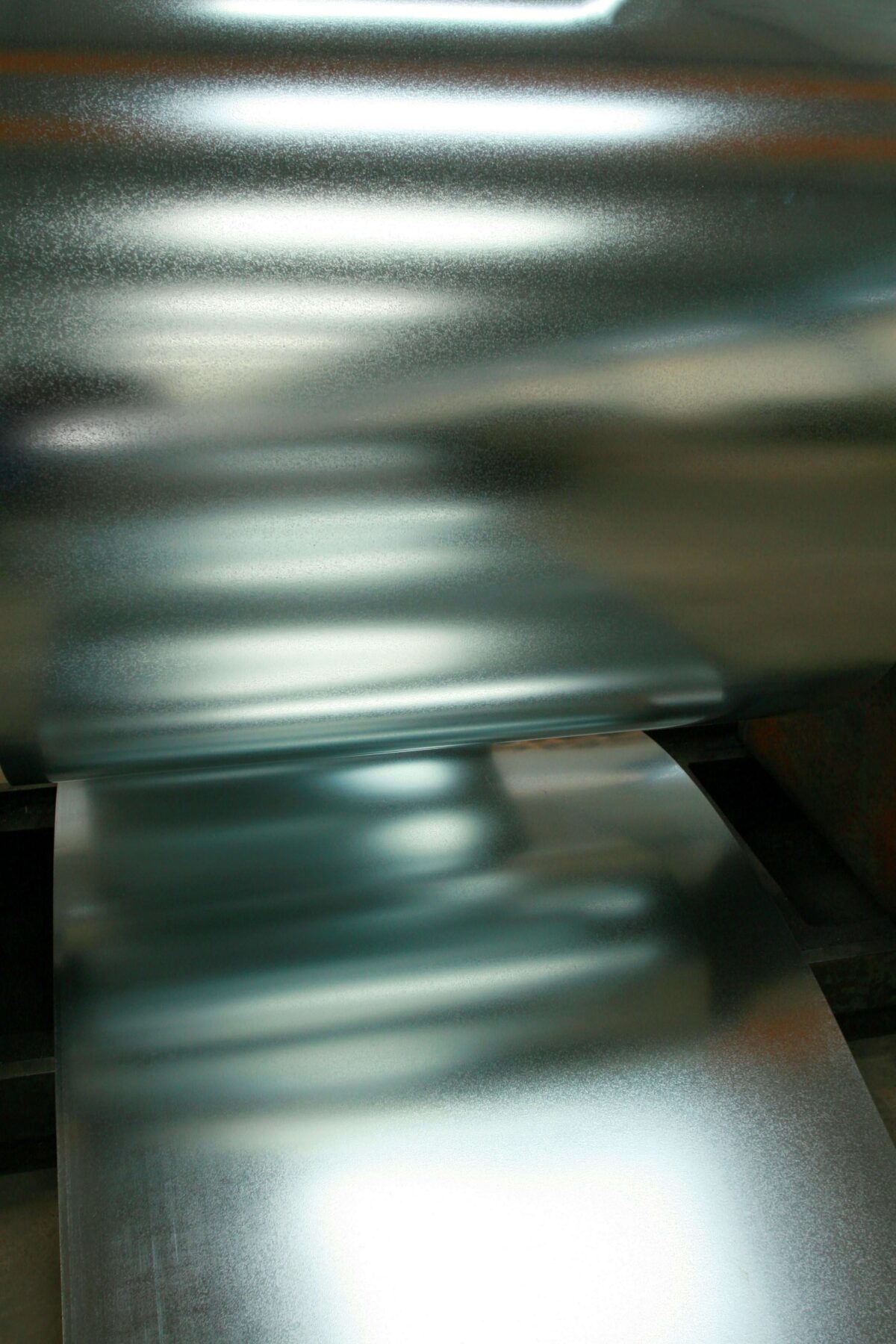
Why Zinc Recovery Supports Resource Conservation

Zinc recovery returns valuable metal to productive use, cuts avoidable waste, and helps conserve raw materials. Zinc recycling supports resource efficiency across UK industries.

It matters to manufacturers, construction firms, and other organisations that want to manage materials well. Zinc is a valuable base metal used in galvanised steel, roofing, vehicle parts, batteries, alloys, and many industrial products. When these products reach the end of their life cycle, the zinc they contain can often be recovered instead of being lost through disposal.

Recovering suitable zinc scrap gives existing materials another use and can cut demand for some newly mined resources. It also helps businesses see the value in their waste streams, improve segregation, and support a more circular economy. The benefit depends on the type and quality of the material, the recovery method, and the market for the metal produced.

What Is Zinc Recovery?

Zinc recovery is the process of collecting and treating zinc-bearing materials so the metal can be reused or returned to manufacturing. Sources include production offcuts, rejected parts, old galvanised products, and certain industrial residues. The right treatment depends on the material’s make-up, cleanliness, and form.

Zinc recovery and zinc recycling have a close link. Recovery means getting usable material from scrap or waste. Recycling means processing that material so it can be used again. Both help retain value in the supply chain when done safely and properly.

Why Zinc Recovery Supports Resource Conservation

Zinc comes from mineral ores as well as recovered materials. Mining and primary metal production need equipment, energy, transport, and other resources. Although virgin zinc remains important for many uses, recovered zinc gives industry another source of metal.

Reducing Demand for Virgin Raw Materials

A key benefit of zinc recovery is that it can reduce the need to source all metal supplies from newly mined ores. Mining involves extracting and processing mineral deposits, which can disturb land and use energy and water. The effects vary by place, mine design, and processing method, but using existing metal can ease pressure on primary resources.

When suitable scrap returns to production, manufacturers can use material that has already entered the economy. Recovered zinc may be used alongside primary zinc when it meets the technical and quality needs of the intended use. It cannot replace every source of newly mined metal, but it can add to a more varied and resource-efficient supply.

Keeping Valuable Materials in Circulation

Zinc is valued for its ability to protect steel from corrosion and for its role in alloys and manufactured parts. These qualities mean zinc can stay useful throughout a product’s service life. When a product is replaced or taken apart, its zinc content may still have practical and commercial value.

Zinc recycling helps return suitable material to the supply chain rather than treating it as waste. This supports a circular economy, where products and materials stay in use for as long as practical. The International Zinc Association provides information about zinc, its uses, and recycling through its official resources.

Making Better Use of Existing Resources

Resource conservation means using materials carefully and reducing avoidable losses. Businesses can support this goal by identifying zinc-bearing waste, keeping it separate from general rubbish, and arranging the right recovery route. Better sorting can cut impurities and make it easier for a recycling provider to assess the material.

For example, a metal fabricator may produce zinc offcuts during cutting and finishing. If staff collect the offcuts in a set container, the material can be assessed for recycling instead of being mixed with unrelated waste. This step can help protect scrap value and improve overall material use.

Where Zinc Waste Comes From

Construction and Demolition

Zinc is used in roofing, gutters, cladding, fasteners, and galvanised steel products. Renovation and demolition work can therefore produce zinc-bearing scrap. Separating suitable metal from mixed construction waste helps protect its value and makes later processing more straightforward.

Manufacturing and Metal Fabrication

Manufacturing can generate zinc offcuts, rejected parts, surplus material, and production residues. These streams may be suitable for recovery if their make-up is known and they are handled well. Keeping scrap clean and separate at the point where it is made can reduce sorting work later.

Automotive and Engineering

Zinc is used in corrosion protection, die-cast parts, and a range of engineering uses. End-of-life vehicles, machinery, and equipment may contain zinc-bearing parts, although these products often combine several materials. Taking them apart and separating them may therefore need specialist processes.

How Zinc Recovery Can Reduce Environmental Impacts

Conserving Natural Resources

Mining and refining metals need mineral resources, infrastructure, and energy. Recovering zinc from existing products provides another source of material and can reduce demand for some primary production. This helps conserve resources already available within the economy.

Supporting More Efficient Manufacturing

Recycling can reduce the environmental burden linked with making metal from primary ores, although the result varies with energy sources, transport distances, material quality, and processing method. Clean, well-sorted zinc scrap is generally easier to assess than mixed or tainted material.

Preventing Avoidable Waste

When recyclable zinc is mixed with general rubbish, recovery can become harder or more costly. In some cases, people may dispose of valuable material. Separating zinc-bearing scrap at the point of generation helps keep the material easy to identify and supports better waste management.

The UK waste hierarchy puts waste prevention first, then reuse, recycling, and other recovery, with disposal lower down. Recycling zinc should be part of a plan to reduce material use. Businesses can consult the government’s waste management guidance for relevant duties and good practice.

The Business Benefits of Zinc Recovery

Recovering Value from Scrap

Zinc scrap may have commercial value depending on its grade, purity, quantity, condition, and market demand. A business can schedule pick-ups for useful materials instead of paying to dispose of all metal waste. However, charges and returns vary, so businesses should ask for clear terms before arranging a service.

Improving Waste Management

A planned zinc recovery process helps a business track how much scrap it creates and where it comes from. This information can reveal repeated losses, support better stock control, and help teams review manufacturing processes. It can also make duties clearer for staff who sort and store waste.

Supporting ESG Reporting

Businesses may need reliable records to show how they manage waste and use resources. Recording quantities collected, transfer details, and available recovery documents can support internal reporting and environmental targets.

A collection record does not always prove how much zinc was finally recovered. Where recovery rates matter, businesses should ask providers what information they can supply and describe their results accurately. Clear records help make ESG claims more open and credible.

How Businesses Can Improve Zinc Recovery

Identify and Classify Materials

Start by reviewing production processes, equipment, and end-of-life products to find likely zinc-bearing waste streams. These may include offcuts, rejected parts, galvanised materials, and industrial residues. If the make-up is not clear, seek advice from a competent waste professional or recycling provider before deciding how to handle the material.

Separate and Store Scrap Correctly

Keep suitable zinc scrap separate from unrelated waste where practical. Avoid mixing it with oils, chemicals, general rubbish, or unsuitable metals unless the receiving facility has confirmed that the mix is acceptable. Use suitable containers and protect materials from unnecessary dirt.

Choose a Suitable Recovery Partner

Choose a provider that can handle the specific zinc waste stream and explain the intended route. Check relevant permits, collection arrangements, and documentation. Businesses remain responsible for meeting their waste duties, even when a contractor collects material.

Before collection, confirm accepted grades, packaging needs, collection quantities, and any charges. Clear communication helps prevent rejected loads and makes the process easier to manage. For broader metal recovery needs, businesses can review suitable zinc recycling services and confirm that the service matches their material.

Measure Results and Prevent Scrap

Track the amount of zinc scrap created and recovered over time. Comparing figures can show whether production changes are cutting waste and whether collection arrangements still work well. Keep records consistent so changes can be compared in a useful way.

Recovery should not be the only goal. Better product design, accurate cutting, improved stock control, and staff training can prevent unnecessary scrap from being created. Combining prevention with recycling helps businesses conserve more resources across their operations.

Zinc Recovery and the Product Life Cycle

Zinc recovery is most effective when considered across a product’s life cycle, from material choice and design to use, maintenance, and end-of-life management. Products that are durable, easy to repair, and easier to take apart may offer better chances for material recovery when they are no longer needed.

Manufacturers can support this approach by understanding which parts contain zinc and how they can be separated later. Construction firms can plan for the recovery of metal fixtures and roofing, while equipment owners can keep records that help identify materials during maintenance or removal.

Not every product will be recovered, and dirt or complex construction can limit recycling options. Even so, thinking about end-of-life needs earlier can reduce avoidable losses and make responsible material management easier.

Zinc recovery supports resource conservation by keeping valuable metal in use, cutting avoidable waste, and providing another source of raw material for manufacturing. As a useful base metal, zinc has uses across construction, engineering, transport, and industrial production, making its responsible management important to many businesses.

Effective zinc recycling depends on identifying materials correctly, keeping suitable scrap clean, using the right recovery provider, and maintaining reliable records. Businesses should also look for ways to prevent waste before it starts. By combining prevention with recovery, organisations can make better use of resources and support a more circular economy.

How Manufacturing Creates Zinc Scrap

Manufacturing creates zinc scrap through machining, casting, galvanising, and cutting. Recycling suitable waste helps recover metal and reduce losses.

Zinc products are used to make durable parts, protective coatings, and industrial items. But factory work can leave offcuts, rejected parts, and process residues.

Handled well, these materials can become a useful resource. Knowing how zinc scrap forms helps manufacturers spot waste, improve production, and plan zinc recycling. Good recovery can also return suitable material to the supply chain as secondary zinc.

Why Zinc Is Used in Manufacturing

Zinc is valued for its corrosion resistance, durability, and use in manufacturing. It is used in galvanised steel, die-cast parts, fittings, hardware, and many industrial uses.

Manufacturers also use zinc alloys to make parts with specific mechanical and physical traits. These materials are found in cars, building products, electrical gear, and machinery.

Although zinc supports efficient production, it can also create offcuts, machining residue, and defective parts. Waste levels depend on design, machine performance, and the method used.

Seeing these sources helps businesses spot where changes can cut material losses.

How Manufacturing Creates Zinc Scrap

Manufacturing creates zinc scrap at several stages, from cutting raw materials to finishing completed parts. Each process creates a different type of waste that may need separate collection and recycling.

Machining and Cutting Zinc Components

Machining is a common source of zinc scrap. Manufacturers use drills, milling machines, cutting tools, and other equipment to shape metal parts to exact sizes.

These operations remove extra material to make holes, grooves, edges, and finished surfaces. The resulting zinc swarf, chips, turnings, and offcuts can build up through production.

For example, a maker of zinc fittings may machine larger pieces of metal into smaller parts. The finished products keep their intended shape, while the removed material becomes a separate scrap stream.

Accurate cutting, good part design, and regular equipment upkeep can cut waste. Manufacturers should also keep zinc swarf apart from other metals and check whether cutting fluids or other residue affect recovery.

Die Casting and Component Production

Die casting is another key source of zinc scrap. Manufacturers melt zinc or zinc alloys and inject the molten metal into moulds to make parts with exact shapes.

Once the metal cools, the castings are removed and extra material is trimmed away. Runners, gates, and flash can become scrap in this step.

Defective castings may also be rejected because of size errors, surface flaws, or incomplete filling. These rejected zinc products can add to waste if they cannot be repaired or reused.

Businesses can cut scrap by controlling casting temperatures, keeping moulds in good condition, and monitoring quality. Clean production returns may be recovered, depending on their make-up and the ability of the processing site.

Galvanising and Protective Coatings

Galvanising protects steel from corrosion by adding a zinc coating. It is widely used in construction, infrastructure, manufacturing, and industrial equipment.

Zinc-bearing waste can arise during coating work, equipment upkeep, and the processing of galvanised parts. Hot-dip galvanising can create zinc ash and dross, which may contain oxides and other substances rather than clean metal.

Manufacturers may also create scrap when cutting, drilling, or rejecting galvanised steel products. These materials contain both steel and zinc, so they should not always be treated as pure zinc scrap.

Correct identification helps businesses choose the right recovery route. Keeping different materials separate also improves waste handling and lowers the risk of mix-ups.

Stamping, Pressing and Metal Forming

Stamping and pressing shape metal by applying force to sheets, strips, or other prepared materials. These methods are used to make brackets, fittings, covers, and other parts.

When manufacturers cut materials into set shapes, unused sections remain around the finished parts. These scraps may include narrow strips, irregular offcuts, and leftover sheet metal.

Poor cutting layouts and the wrong material size can increase scrap. Manufacturers can improve material use by planning part layouts carefully and choosing sheet sizes that fit the job.

Separating clean zinc offcuts from other metals also makes them easier to identify and send for suitable recycling.

Finishing and Quality Control

Manufacturing continues after a part has been shaped. Products may need deburring, surface finishing, assembly, and inspection before they are ready for use.

These stages can create more zinc scrap. Finishing removes small amounts of material, while checks find parts that do not meet specs.

Rejected products may come from surface flaws, wrong sizes, or damage during production. Where repair or reuse is not a good fit, these items may enter the scrap stream.

Regular checks and equipment upkeep can reduce avoidable defects. Looking into repeat problems also helps manufacturers see where methods need work.

Other Factors That Increase Zinc Scrap Production

Manufacturing processes are not the only cause of zinc scrap. Buying choices, production planning, and machine performance can also affect the amount of waste made.

Excess Raw Materials and Offcuts

Businesses may buy more zinc sheet, billets, or other stock than a run needs. Order changes and weak forecasts can leave unused material or extra stock.

Some materials may still be fit for later use, while others may no longer meet current specs. Checking stock levels and buying needs helps prevent unwanted build-up.

Where extra zinc cannot be reused, businesses should check its condition before collection or recycling.

Equipment Wear and Production Errors

Worn tools, poorly set machines, and uneven process settings can increase losses. These problems may lead to defective parts, repeat machining, and extra finishing work.

Planned upkeep helps find machine problems before they affect larger batches. Recording scrap by process can also show where losses are highest.

Manufacturers can then focus on changes that cut waste and make better use of raw materials.

Changes in Product Specifications

Product designs and customer needs can change during production. New sizes, updated specs, or discontinued products may leave existing material unusable for its original job.

Accurate records help businesses spot surplus parts and unused stock. Better communication between buying, engineering, and production teams can also stop needless orders.

These steps reduce avoidable waste and help manufacturers manage zinc materials more efficiently.

How Businesses Can Reduce Zinc Scrap

Businesses can reduce zinc scrap by finding where losses occur and improving production efficiency. Accurate buying, efficient cutting layouts, and regular upkeep can all help cut waste.

Manufacturers should review machining, casting, and finishing steps to find repeat defects. Fixing the causes of rejected parts can reduce material use and improve quality.

Suitable offcuts and production returns may be reused where technically practical. Material that cannot be reused should be sorted by make-up and condition.

Clear labels and set storage areas help keep zinc scrap separate from other metals or general waste. Zinc swarf, coated steel, and zinc-bearing residues may need different handling.

Businesses should work with a properly authorised waste carrier and a receiving facility able to accept the material. Clear waste notes and records support responsible management.

The GOV.UK waste duty of care guidance explains responsibilities for businesses transferring waste in England and Wales.

What Happens to Zinc Scrap After Collection?

After collection, zinc scrap is checked for its make-up, condition, and fit for recovery. Clean zinc, zinc alloys, galvanised steel, and manufacturing residues may need different processing methods.

Sorting helps identify suitable material and remove unwanted matter. Depending on the scrap type, more preparation may include size reduction, separation, or specialist treatment.

Suitable material can be processed to recover zinc for use as a secondary raw material. This secondary zinc can support the making of new products and reduce reliance on primary metal resources.

However, not every zinc-bearing material can follow the same recycling route. Oils, coatings, oxides, and mixed metal content can affect the treatment needed.

Manufacturers should give clear material details when arranging collection. Talking about make-up and any dirt with a recycling provider helps find the right recovery option.

Why Zinc Recycling Matters

Zinc recycling helps manufacturers recover useful material from production waste. Instead of losing suitable metal through wrong disposal, businesses can return recovered resources to the supply chain.

Using secondary zinc can reduce demand for newly mined raw material. The overall environmental gain depends on the scrap type, processing needs, transport distance, and energy used during recovery.

A well-run recycling system can also improve factory order and make material losses easier to track. Monitoring scrap volumes helps businesses see whether production changes are working.

Recycling works best alongside waste prevention and reuse. By cutting avoidable scrap first and recovering the rest, manufacturers can improve resource efficiency and support more responsible production.

Manufacturing creates zinc scrap through machining, die casting, galvanising, stamping, and finishing. Extra material, defective parts, and process residues can all add to waste.

Businesses can reduce these losses through better planning, equipment upkeep, quality control, and separate scrap collection. Suitable zinc scrap can then be recovered through the right recycling processes.

By knowing where zinc waste comes from, manufacturers can improve material efficiency, recover useful resources, and support more sustainable production.

Zinc Components at End of Life: What Happens?

End-of-life zinc components can be assessed, sorted, and recycled to recover valuable metal, reduce waste, and support resource conservation.

What Happens to Zinc Components at End of Life?

Zinc components at end of life can often be recycled instead of discarded. Zinc is used in construction, manufacturing, automotive parts, and protective coatings because it helps prevent corrosion and extends product life. When these components become damaged, worn, or no longer needed, recycling recovers their material value.

Zinc has the atomic number 30 and is a bluish-white metal under normal conditions. It is commonly used in galvanised steel, die-cast products and zinc alloys. Unlike ferrous metals such as iron and steel, zinc is a non-ferrous metal.

Businesses that generate zinc waste can help conserve resources by separating suitable materials and arranging responsible recycling. The correct route depends on the component’s composition, condition, and level of contamination.

Which Zinc Components Can Be Recycled?

Zinc is present in roofing sheets, gutters, pipes, fittings, die-cast components and protective coatings. Manufacturing operations can also produce zinc scrap through cutting, machining, stamping and equipment replacement.

Some components contain mostly zinc, while others combine it with aluminium, copper or other metals. Galvanised steel presents a different challenge because zinc coats the steel rather than forming the entire product. These materials may require different recovery methods.

Identifying the material correctly helps recyclers select suitable processing routes. Clean, separated zinc scrap is generally easier to assess than mixed waste containing plastics, oils or unknown substances.

How Are Zinc Components Collected and Sorted?

The process begins when a business identifies components that have reached the end of their useful life. These materials may come from manufacturing, building maintenance, demolition or machinery replacement.

Keeping zinc scrap separate from general waste can improve handling and help prevent contamination. Businesses should use suitable storage areas and clearly labelled containers to keep different metal types apart.

After collection, the material is inspected to establish its composition and condition. Depending on the scrap, recyclers may use visual checks, mechanical sorting or further testing. Mixed-metal items may need additional separation before they can enter a suitable recovery process.

Accurate information about the waste helps the receiving facility determine how it should be handled and processed.

What Happens During Zinc Recycling?

Once the material has been assessed, suitable zinc components are prepared for recycling. This may involve removing attachments, separating mixed metals, reducing the size of larger items or cleaning materials where appropriate.

The processing method depends on the type and quality of the zinc waste. Suitable scrap can enter metal recovery processes in which zinc is separated, recovered and refined for further use.

Zinc production from primary raw materials involves extracting and processing zinc-bearing ores. Recycling provides another source of metal and can reduce the need for newly mined resources. However, the environmental benefits depend on factors such as energy consumption, transport and the quality of recovered material.

Some zinc-containing waste requires specialist treatment. Contaminated residues, complex assemblies and certain industrial by-products may not be suitable for conventional recycling. These materials should be assessed before a treatment route is selected.

How Is Recovered Zinc Used Again?

Recovered zinc metal can return to manufacturing when it meets the quality requirements of the intended application. Its uses include galvanising steel, producing die-cast components and manufacturing zinc alloys for industrial products.

Galvanising uses zinc to protect steel against corrosion. Recovering zinc from suitable scrap can therefore help supply material for products that need this protective coating.

Zinc can also be processed into zinc oxide, a compound used in applications such as rubber manufacturing, ceramics and certain coatings. However, producing zinc oxide requires an appropriate process, and not every batch of recovered scrap is suitable for this purpose.

The final use depends on the recovered material’s purity, composition and processing requirements. Effective sorting and quality control help ensure that recovered zinc meets the standards needed for further production.

Why Is Responsible Zinc Recycling Important?

Responsible zinc recycling helps reduce waste and conserve valuable resources. Recovering metal from discarded components can reduce demand for primary raw materials and support more efficient use of resources.

For businesses, separating zinc scrap can improve waste management and create opportunities to recover value from unwanted materials. Consistent segregation also makes collection and processing more straightforward.

Zinc should not automatically be treated as harmless simply because it is a recyclable metal. Coatings, residues and other substances attached to components may affect how the waste must be handled. Businesses should assess the waste correctly and follow the relevant environmental requirements.

The Environment Agency provides guidance on classifying different types of waste. This helps businesses identify appropriate waste classifications and determine suitable management routes.

How Can Businesses Manage Zinc Components at End of Life?

Businesses can improve zinc waste management by identifying metal-containing products before equipment is dismantled or replaced. Separating zinc-rich materials from general waste helps prevent avoidable contamination and supports more efficient recovery.

Companies should also maintain appropriate storage arrangements, keep waste records and check that their chosen waste carrier and receiving facility are authorised for the relevant activities.

Where components remain functional, repair or reuse may be possible. When products can no longer serve their original purpose, recycling may offer a practical way to recover their metal content.

Working with a suitable metal recycling provider can help businesses understand their options for zinc scrap, collection and processing. Planning ahead is particularly useful for manufacturers that generate regular quantities of zinc offcuts or obsolete components.

Give Zinc Components a Responsible End-of-Life Route

Zinc components can retain material value long after their original use has ended. Through suitable assessment, sorting and recycling, businesses can help recover zinc metal and reduce unnecessary waste.

Identifying zinc-containing materials early and choosing an appropriate recovery route supports responsible waste management. It also helps manufacturers make better use of recovered resources and contribute to a more circular approach to production.

How Businesses Can Reduce Zinc Waste

Businesses can reduce zinc waste by planning better, reusing offcuts, and sorting scrap for zinc recycling. Better planning lowers losses, cuts costs, and saves raw materials.

By preventing dirt and working with professional metal recyclers, companies can recover usable zinc, support supply chains, and improve waste management.

Who Zinc Waste Reduction Matters For

Reducing zinc waste matters for manufacturers, metal fabricators, construction firms, and other users of zinc. This metal is used in:

  • Galvanised steel

  • Protective coatings

  • Alloys

  • Roofing

  • Industrial parts

Cutting, shaping, and processing zinc can create offcuts and scrap. If waste is not managed well, costs rise and useful material is lost. Dirty or mixed scrap is also harder to recover.

Good planning, careful handling, and the right recycling service help businesses reduce waste, recover metal, and support greener manufacturing.

Why Reducing Zinc Waste Matters

Zinc protects steel from corrosion and helps make strong products. But making and moving this raw material uses resources, energy, and equipment.

When businesses throw away reusable zinc or mix recyclable scrap with general waste, they lose value and pay more for handling and disposal. Avoiding these losses helps companies get more from the materials they buy.

Better waste control also supports supply chains. Good scrap can go back into production, which lowers the need for newly mined zinc.

For manufacturers that want to use resources well, zinc waste cuts can be part of a wider green plan. Better material use, lower production losses, and the right recycling steps help businesses improve efficiency while managing impact.

1. Improve Material Planning and Purchasing

One practical way businesses can reduce zinc waste is by improving how they buy and use materials. Extra stock, poor measurements, and weak planning all create avoidable waste.

Before ordering zinc sheets, parts, or other materials, businesses should review production needs and forecast demand. Accurate buying helps stop unnecessary stock buildup and lowers the risk of damage or obsolescence.

Manufacturers should also choose the right sheet sizes and part sizes to cut offcuts. For example, a fabrication company can review cutting plans to see how many parts it can make from each zinc sheet.

Using materials more efficiently significantly reduces avoidable losses and helps control buying costs.

Regular stock checks matter too. Businesses should use existing stock before placing new orders and store materials so staff can find them quickly.

Better planning lets companies buy only what they need and make the most of every delivery.

2. Improve Production Processes

Manufacturing work can create zinc waste through poor cutting, faulty parts, damaged coatings, and production errors. Reviewing these steps helps businesses see where losses happen.

Regular machine care can prevent defects caused by worn tools, wrong settings, and poor maintenance. Employees should check equipment before work starts and follow set steps.

Where suitable, design and cutting software can improve layouts and reduce offcuts. These tools help manufacturers plan work more accurately and use more of each sheet or part.

Quality control also matters. Finding defects early avoids repeat mistakes and cuts the amount of material rejected at the end of a run.

Businesses should look into repeat problems instead of treating scrap as a fixed cost. Reviewing production data can show ways to improve cut accuracy, equipment performance, and manufacturing methods.

These changes help businesses reduce waste while using labour, machines, and raw materials more effectively.

3. Separate Zinc Scrap from Other Materials

Good waste sorting is key to zinc recycling. When you mix zinc scrap with other metals, general waste, oils, or chemicals, sorting and recovery become harder.

Businesses should use clearly labelled bins for different scrap types. Sort zinc offcuts, zinc alloy parts, galvanised steel, and mixed-metal items properly instead of combining them.

These materials have different makeups and may need different recycling methods. Galvanised steel, for example, is mainly steel with a zinc coat. Do not treat it the same as fairly pure zinc scrap.

Employees need clear instructions on where each material goes. Labels near workstations and storage areas can reduce sorting mistakes and keep scrap clean.

Where the makeup of a material is unclear, businesses should ask a recycling specialist before mixing different scrap streams.

Good sorting protects material quality and helps recyclers choose the best recovery route. It also makes waste storage and collection more organised.

4. Reuse Suitable Zinc Offcuts

We can reuse some zinc offcuts instead of sending them straight for recycling. This depends on their size, condition, makeup, and intended use.

Manufacturers should check if they can use leftover materials in future production tasks. You can use suitable pieces for smaller parts, samples, or other jobs if they meet the needed specs.

A labelled storage system helps employees spot reusable materials by size, thickness, and type. This reduces the likelihood of throwing away useful offcuts because they are hard to find.

Businesses must check material quality before reuse. Offcuts that are dirty, damaged, or not fit for a given job should not go back into production without review.

Reusing suitable zinc lowers the need for new material and can improve production efficiency. You should check any scrap that cannot be reused for the right recycling route.

5. Prevent Dirt During Storage

The way businesses store zinc scrap affects its quality and fit for recycling. Poor handling can add dirt, oils, chemicals, and other materials that make recovery harder.

Businesses should use suitable bins and storage areas to keep scrap types apart. You should protect zinc waste from rain and other sources of dirt when necessary.

Employees should follow clear steps when moving scrap from production areas to storage points. Regular checks can spot overfull bins, mixed materials, and wrong sorting before these issues grow.

Companies should also consider how they handle scrap during loading and collection. Careful handling helps prevent material loss and keeps recyclable waste organised.

Businesses should verify the content and waste classification of zinc scrap for any hazardous substances before scheduling its collection. The right storage and handling steps depend on the material and the substances present.

Clean, well-organised storage makes zinc recycling easier to arrange and helps businesses retain the value of usable materials.

6. Train Employees to Reduce Zinc Waste

Employees play a significant role in how much waste a business creates. Even efficient production systems can produce extra scrap when staff lack clear instructions or training.

Businesses should train employees in:

  • Careful material handling

  • Cut efficiency

  • Machine use

  • Waste sorting

  • Safe storage

  • Identifying reusable offcuts

  • Placing different scrap types in the correct areas

Training should match each role. Fabrication teams may need help with cutting losses, while warehouse staff may need guidance on stock rotation and storage.

Managers should ask employees to report repeat defects, damaged materials, and ways to improve production methods.

Tracking the amount of zinc bought and the amount of scrap created can help companies measure progress. Regular reviews also indicate where more training or process changes may be needed.

When workers know zinc’s worth, cutting waste becomes a joint effort, not a solo task.

7. Arrange Professional Zinc Recycling

Even when businesses improve production and reuse materials, some zinc scrap will remain. Working with a suitable metal recycling specialist helps companies manage this waste in the right way.

A recycling provider can explain which zinc materials it accepts, how to sort scrap, and what preparation is needed before collection.

This guidance is useful for businesses handling zinc alloys, manufacturing offcuts, galvanised materials, and mixed-metal parts. Correct sorting helps set up suitable collection and recovery plans.

Before moving waste, businesses should check collection requirements and ensure carriers and sites have necessary permits.

For businesses in England, the official GOV.UK guidance on business and commercial waste explains key duties when arranging waste disposal and recovery. Businesses elsewhere in the UK should check the relevant national regulator.

Professional recycling services help recover value from suitable scrap, reduce avoidable disposal, and support better material management across supply chains.

8. Monitor Waste and Measure Progress

Businesses need to know where material losses happen before they can make real gains. Recording zinc purchases, production use, and scrap amounts gives a useful start.

Where practical, companies should separate:

  • Reusable offcuts

  • Recyclable scrap

  • Defective parts

  • Materials that need specialist handling

Regular reviews can show changes in waste levels. More scrap may point to machine problems, poor cutting, damaged stock, or rough handling.

Businesses can compare results across production lines to see which processes need attention. They can then set realistic targets for reducing losses and improving recycling rates.

Monitoring should look at more than the amount of scrap collected. Companies should also ask whether they are preventing waste, reusing suitable materials, and keeping scrap clean.

Tracking these measures helps businesses make informed decisions and judge whether their waste reduction steps are working.

Businesses can reduce zinc waste by improving material planning, better production, separating scrap, reusing suitable offcuts, and preventing dirt and mix-ups. Employee training and regular tracking help maintain these gains.

Professional zinc recycling gives a good route for scrap that cannot be reused directly. By combining prevention, reuse, and recycling, companies can save resources, control avoidable costs, and support more sustainable manufacturing.