End-of-life zinc components can be assessed, sorted, and recycled to recover valuable metal, reduce waste, and support resource conservation.
What Happens to Zinc Components at End of Life?
Zinc components at end of life can often be recycled instead of discarded. Zinc is used in construction, manufacturing, automotive parts, and protective coatings because it helps prevent corrosion and extends product life. When these components become damaged, worn, or no longer needed, recycling recovers their material value.
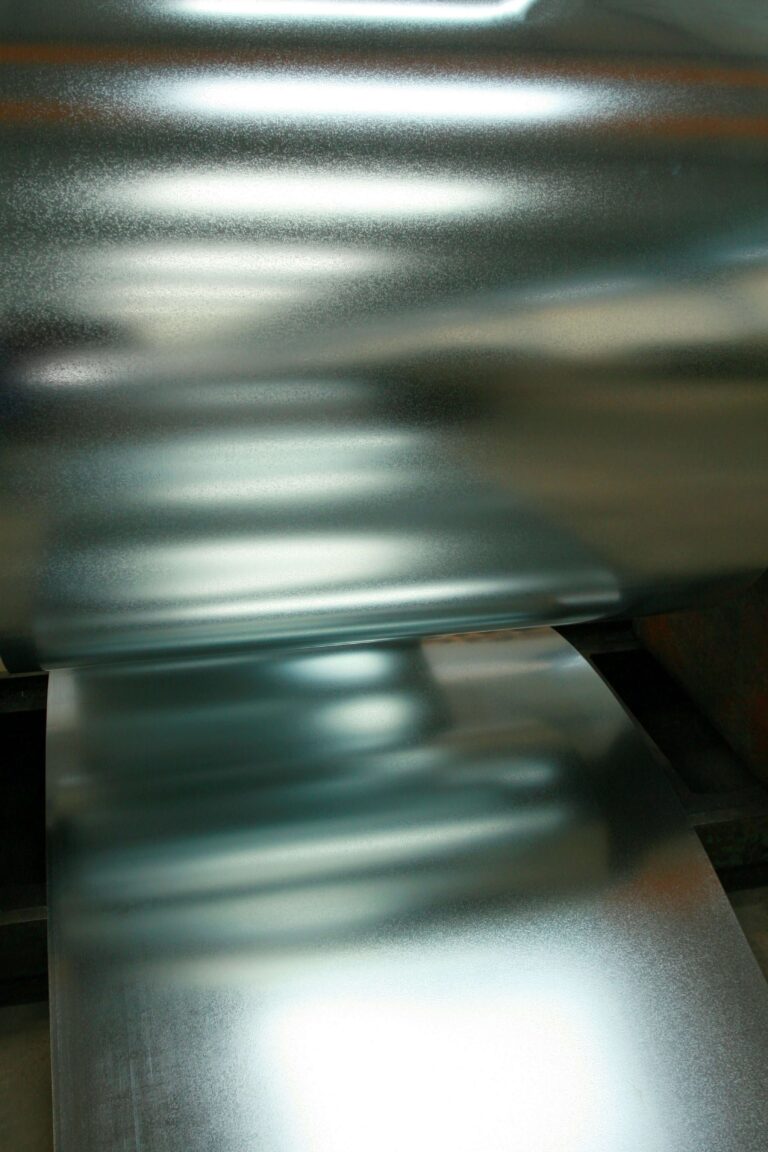
Zinc has the atomic number 30 and is a bluish-white metal under normal conditions. It is commonly used in galvanised steel, die-cast products and zinc alloys. Unlike ferrous metals such as iron and steel, zinc is a non-ferrous metal.
Businesses that generate zinc waste can help conserve resources by separating suitable materials and arranging responsible recycling. The correct route depends on the component’s composition, condition, and level of contamination.
Which Zinc Components Can Be Recycled?
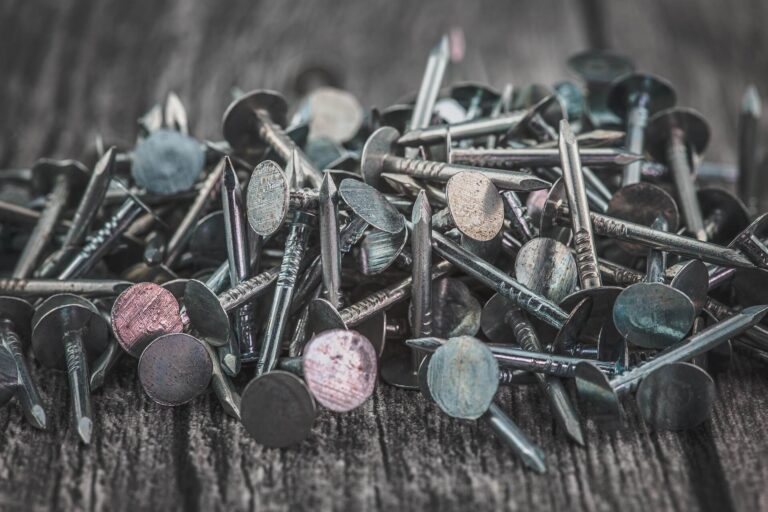
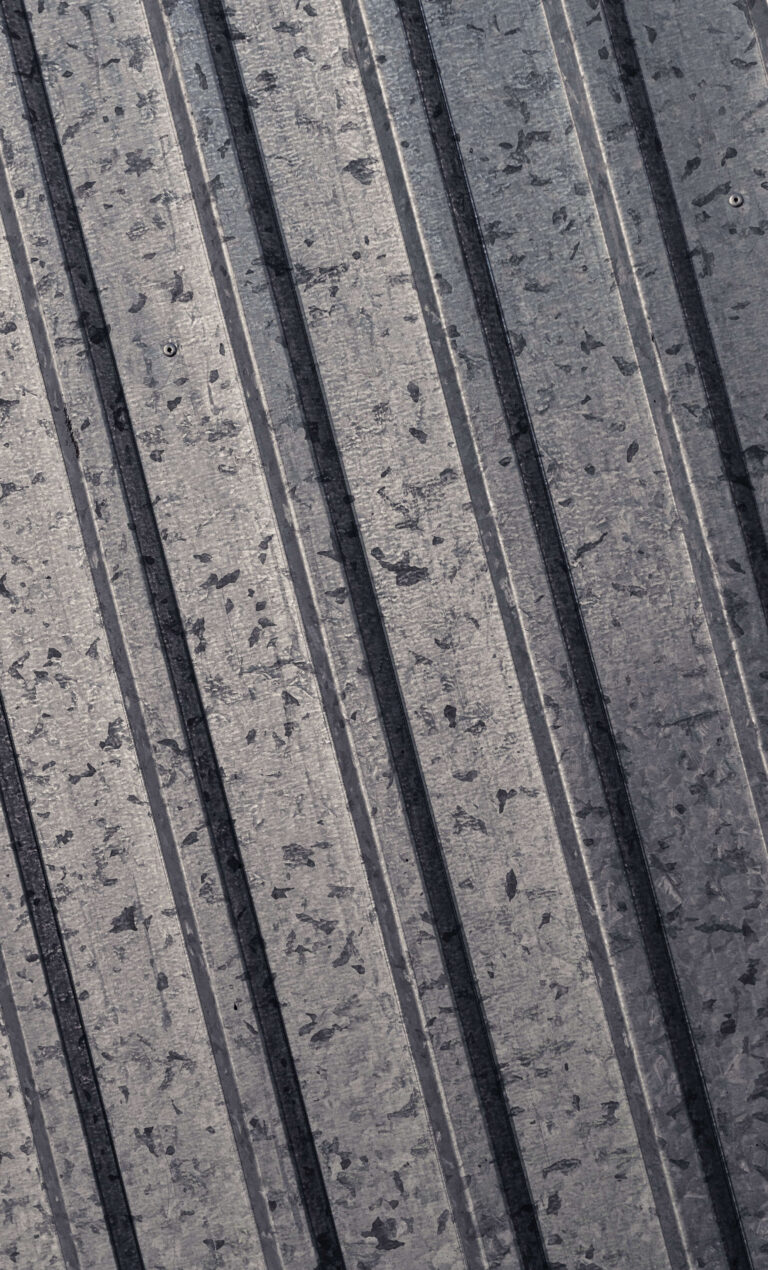
Zinc is present in roofing sheets, gutters, pipes, fittings, die-cast components and protective coatings. Manufacturing operations can also produce zinc scrap through cutting, machining, stamping and equipment replacement.
Some components contain mostly zinc, while others combine it with aluminium, copper or other metals. Galvanised steel presents a different challenge because zinc coats the steel rather than forming the entire product. These materials may require different recovery methods.
Identifying the material correctly helps recyclers select suitable processing routes. Clean, separated zinc scrap is generally easier to assess than mixed waste containing plastics, oils or unknown substances.
How Are Zinc Components Collected and Sorted?
The process begins when a business identifies components that have reached the end of their useful life. These materials may come from manufacturing, building maintenance, demolition or machinery replacement.
Keeping zinc scrap separate from general waste can improve handling and help prevent contamination. Businesses should use suitable storage areas and clearly labelled containers to keep different metal types apart.
After collection, the material is inspected to establish its composition and condition. Depending on the scrap, recyclers may use visual checks, mechanical sorting or further testing. Mixed-metal items may need additional separation before they can enter a suitable recovery process.
Accurate information about the waste helps the receiving facility determine how it should be handled and processed.
What Happens During Zinc Recycling?
Once the material has been assessed, suitable zinc components are prepared for recycling. This may involve removing attachments, separating mixed metals, reducing the size of larger items or cleaning materials where appropriate.
The processing method depends on the type and quality of the zinc waste. Suitable scrap can enter metal recovery processes in which zinc is separated, recovered and refined for further use.
Zinc production from primary raw materials involves extracting and processing zinc-bearing ores. Recycling provides another source of metal and can reduce the need for newly mined resources. However, the environmental benefits depend on factors such as energy consumption, transport and the quality of recovered material.
Some zinc-containing waste requires specialist treatment. Contaminated residues, complex assemblies and certain industrial by-products may not be suitable for conventional recycling. These materials should be assessed before a treatment route is selected.
How Is Recovered Zinc Used Again?
Recovered zinc metal can return to manufacturing when it meets the quality requirements of the intended application. Its uses include galvanising steel, producing die-cast components and manufacturing zinc alloys for industrial products.
Galvanising uses zinc to protect steel against corrosion. Recovering zinc from suitable scrap can therefore help supply material for products that need this protective coating.
Zinc can also be processed into zinc oxide, a compound used in applications such as rubber manufacturing, ceramics and certain coatings. However, producing zinc oxide requires an appropriate process, and not every batch of recovered scrap is suitable for this purpose.
The final use depends on the recovered material’s purity, composition and processing requirements. Effective sorting and quality control help ensure that recovered zinc meets the standards needed for further production.
Why Is Responsible Zinc Recycling Important?
Responsible zinc recycling helps reduce waste and conserve valuable resources. Recovering metal from discarded components can reduce demand for primary raw materials and support more efficient use of resources.
For businesses, separating zinc scrap can improve waste management and create opportunities to recover value from unwanted materials. Consistent segregation also makes collection and processing more straightforward.
Zinc should not automatically be treated as harmless simply because it is a recyclable metal. Coatings, residues and other substances attached to components may affect how the waste must be handled. Businesses should assess the waste correctly and follow the relevant environmental requirements.
The Environment Agency provides guidance on classifying different types of waste. This helps businesses identify appropriate waste classifications and determine suitable management routes.
How Can Businesses Manage Zinc Components at End of Life?
Businesses can improve zinc waste management by identifying metal-containing products before equipment is dismantled or replaced. Separating zinc-rich materials from general waste helps prevent avoidable contamination and supports more efficient recovery.
Companies should also maintain appropriate storage arrangements, keep waste records and check that their chosen waste carrier and receiving facility are authorised for the relevant activities.
Where components remain functional, repair or reuse may be possible. When products can no longer serve their original purpose, recycling may offer a practical way to recover their metal content.
Working with a suitable metal recycling provider can help businesses understand their options for zinc scrap, collection and processing. Planning ahead is particularly useful for manufacturers that generate regular quantities of zinc offcuts or obsolete components.
Give Zinc Components a Responsible End-of-Life Route
Zinc components can retain material value long after their original use has ended. Through suitable assessment, sorting and recycling, businesses can help recover zinc metal and reduce unnecessary waste.
Identifying zinc-containing materials early and choosing an appropriate recovery route supports responsible waste management. It also helps manufacturers make better use of recovered resources and contribute to a more circular approach to production.