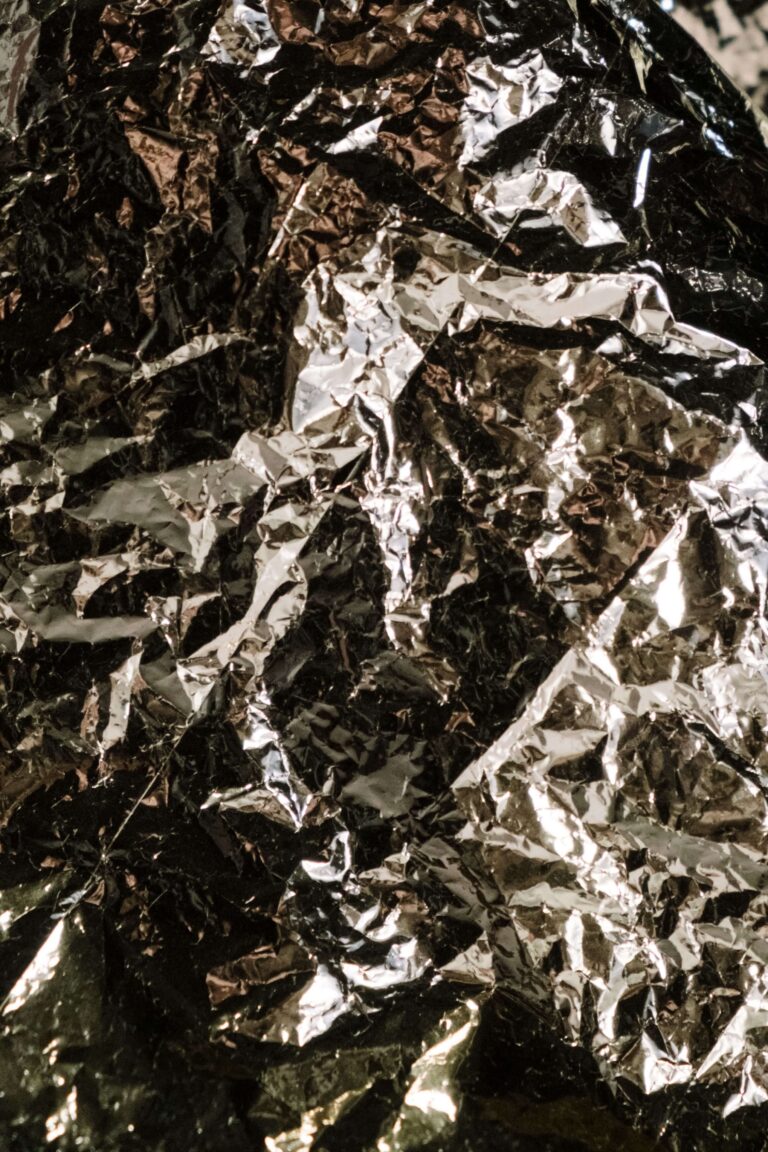
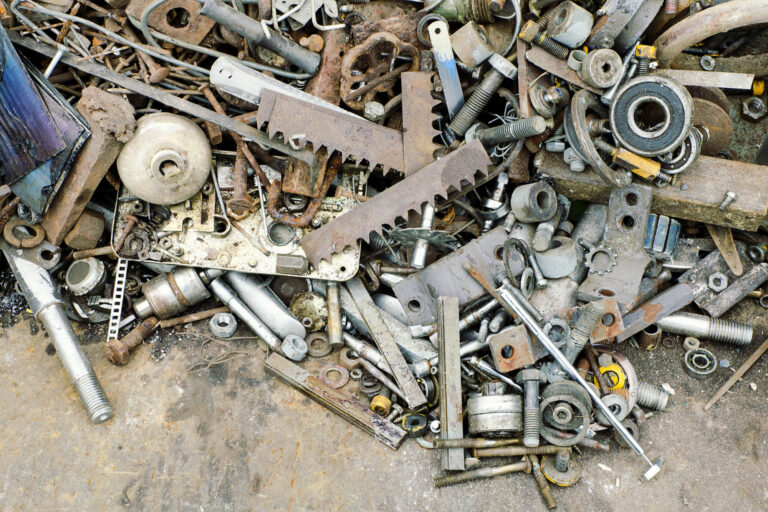
Metal fabrication produces aluminium offcuts, shavings and rejected parts. Recovering these recycled materials supports the recycling process, cuts waste and saves resources.
How metal fabrication creates recyclable aluminium waste is closely linked to cutting, shaping, drilling and finishing. These are common steps in modern manufacturing. Aluminium is widely used in construction, engineering, transport and industry because it is light, strong and corrosion-resistant. But turning raw material into finished aluminium products often leaves unused sections and factory residue.
These materials do not always need to become general waste. Many can be recovered, processed and returned to the supply chain. Understanding how aluminium waste develops helps businesses improve efficiency, reduce disposal costs and support more sustainable production.
How Metal Fabrication Creates Recyclable Aluminium Waste
Metal fabrication turns aluminium sheets, plates, bars and profiles into parts with exact shapes and sizes. Manufacturers use machines and special methods to meet the needed measurements and finishes.
During aluminium manufacturing, some material is cut away or left over. The amount depends on the design, cut pattern, machine accuracy, and production needs.
Common examples include aluminium offcuts, machining chips, drilling residue, and rejected parts. When collected separately and handled well, these materials can become valuable recyclable metal instead of unnecessary waste.
Common Sources of Aluminium Waste During Fabrication
Aluminium Offcuts from Cutting Processes
Cutting is one of the main sources of aluminium scrap in fabrication shops. Laser cutting, sawing, shearing, and waterjet cutting are used to make parts from bigger sheets and profiles.
These processes often leave sections that are too small or not fit for the original design. But these offcuts can still be recycled.
For example, makers of doors, structural panels and window frames may create leftover aluminium profiles and sheet sections. Careful cut plans and nesting software can reduce needless offcuts by placing parts more efficiently on the original sheet.
Aluminium Shavings from Machining
Milling, turning and drilling remove small amounts of aluminium to make exact sizes and smooth surfaces. These tasks create chips, shavings and swarf.
Although these materials are smaller than offcuts, they can still be recovered. But machining residues may contain oils, lubricants and cutting fluids.
Separating dirty swarf from clean aluminium scrap makes storage and recycling easier. Proper preparation also helps keep unwanted substances out of the recycling process.
Waste from Bending and Forming
Aluminium sheets and profiles are often bent, pressed and shaped to make different parts. These tasks are common in construction, automotive production and engineering.
Wrong measurements, damaged surfaces and poor forming conditions can lead to rejected material. Some parts may be repaired or reused, while others can be collected for recycling.
Rejected and Defective Components
Quality control helps manufacturers keep production standards steady. But incorrect dimensions, surface flaws, damaged sections, and other errors can still happen.
When a part cannot be repaired or reused, recovering its aluminium content gives another option. Separating these rejected products from general waste helps businesses keep valuable material in use.
Statistics Showing the Value of Aluminium Recycling
Aluminium recycling saves a large amount of energy compared with primary metal production. The International Aluminium Institute says recycling aluminium saves about 95.5% of the energy needed for primary production.
The institute also says primary aluminium production uses about 186 gigajoules per tonne. Recycled aluminium uses about 8.3 gigajoules per tonne. This gap shows the value of recovering existing materials instead of relying only on newly mined resources.
The International Aluminium Institute says more than 30 million tonnes of aluminium scrap are recycled each year around the world. This includes material recovered from factories, post-consumer scrap and other products.
Another key figure is that about 75% of all aluminium ever made is still in use today. Its long life and repeated reuse make aluminium an important material for circular manufacturing.
These figures show why collecting fabrication offcuts, machining residue and other recyclable aluminium matters to manufacturers and the wider supply chain.
How Manufacturers Can Reduce Aluminium Fabrication Waste
Reducing aluminium waste starts with better production planning. Manufacturers can review cut patterns, part designs and material needs to see where losses happen.
Computer-aided design (CAD) and computer-aided manufacturing (CAM) software help businesses plan production more accurately. Better part placement on aluminium sheets helps reduce offcuts and make better use of available material.
Regular machine maintenance is also important. Worn cutting tools, wrong settings, and inaccurate measurements can damage material and increase rejected parts. Regular checks help keep quality high and cut avoidable waste.
Businesses can also use material tracking systems to monitor aluminium use and scrap generation. This data helps identify weak points and opportunities to improve waste management.
Separating different aluminium waste streams at the source is another key step. Clean offcuts, machining swarf and other residues should be stored properly to reduce contamination and improve recovery.
The Aluminium Recycling Process for Fabrication Waste
Once collected, aluminium scrap can be sent to a suitable recycling facility. The recycling process usually starts by sorting the material by alloy type, condition and contamination level.
Different aluminium alloys contain different amounts of metals and other elements. Correct separation helps recycling facilities keep the quality and condition of recovered materials.
The sorted scrap may then be shredded, cleaned and prepared. You may need to remove oils, coatings, and other unwanted substances before melting the material.
During melting, prepared aluminium is heated in a special furnace until it becomes molten aluminium. The recovered metal can then be treated and cast into ingots or other forms for further production.
Some fabrication residues, especially aluminium dross, need separate handling. Dross forms during aluminium melting and contains a mix of metallic aluminium and oxide materials. Special treatment is needed to recover its value safely and properly.
The recovered metal can then be used to make new aluminium products. This helps reduce dependence on primary raw materials.
Environmental and Financial Benefits of Recycling Aluminium Waste
Recycling aluminium fabrication waste helps save natural resources and lower demand for primary aluminium production. Extracting and processing bauxite takes a lot of energy, while secondary production uses existing recycled materials.
Lower energy use can also help cut carbon dioxide emissions linked to aluminium production. The actual savings depend on energy sources, transport distance, processing methods and the quality of the recovered scrap.
There are also financial gains for manufacturers. Aluminium scrap has market value, so businesses can recover part of their material costs by selling suitable scrap to recycling companies.
Better collection and separation can also cut disposal costs and make production more efficient. For businesses that make large amounts of aluminium waste, these gains can support better resource management.
Improving Aluminium Waste Management in Manufacturing
Effective waste management needs clear procedures across the production process. Manufacturers should identify recyclable materials, separate different metal types and store aluminium scrap in designated containers.
Employees should know which materials can be recovered and how to prevent contamination. Clear collection procedures help ensure that aluminium offcuts, machining residues and rejected components are not mixed needlessly with general waste.
Working with specialist recycling companies can also help businesses arrange suitable scrap collections and recovery services. For manufacturers looking to improve their material recovery, professional aluminium recycling services provide a route for returning suitable scrap to the recycling supply chain.
Regularly reviewing waste volumes and recovery rates allows businesses to measure progress and find more ways to reduce material losses.
Metal fabrication creates recyclable aluminium waste through cutting, machining, forming and rejected parts. Recovering these materials helps manufacturers save resources, reduce disposal costs and support more efficient production.
By improving material planning, separating scrap and using suitable recycling services, businesses can turn manufacturing residue into valuable resources and help build a more circular aluminium industry.