Businesses generate aluminium waste in manufacturing, construction, packaging and equipment maintenance. Sorting it makes aluminium recycling easier and helps recover valuable metal.
The different types of aluminium waste businesses produce vary across manufacturing, construction, engineering and packaging. Common examples include aluminium offcuts, damaged sheets, used packaging, old machine parts and production residues.
Aluminium is popular because it is light, strong and resists corrosion. But making, building and replacing equipment can create metal that needs careful waste management.
Instead of sending recyclable material to disposal, businesses can sort aluminium waste and arrange suitable recycling. This helps recover useful resources and reduces demand for new raw materials.
Why Businesses Generate Aluminium Waste
Aluminium is used in many commercial and industrial jobs. Manufacturers use it for vehicle parts, machinery, electrical equipment and building materials. Construction firms also use aluminium for window frames, doors, roofing and structural fittings.
During production, material can be damaged, cut wrong or not fit the job. Equipment upgrades and building work create more scrap.
According to the UK Government’s September 2026 waste statistics, England generated about 32 million tonnes of commercial and industrial waste in 2024. That shows why good industrial waste management matters.
Different Types of Aluminium Waste Businesses Produce
1. Aluminium Manufacturing Offcuts
Manufacturing offcuts are one of the most common forms of aluminium waste. Businesses create them when they cut, drill, shape, or machine aluminium sheets, plates, bars, and profiles.
Fabrication shops and engineering sites often produce leftover strips, metal trimmings and unused sections when making parts to exact sizes.
Although these pieces may no longer suit their first use, they can still hold useful recyclable aluminium. Sorting clean offcuts from general waste makes collection and aluminium recycling easier.
2. Aluminium Sheet and Plate Waste
Aluminium sheets and plates are widely used in construction, vehicle making and industrial equipment production.
Businesses create this waste when cutting panels, making machine housings or producing structural parts. Wrong measurements, damaged surfaces and production faults can also leave unwanted material.
These sheets and leftover sections can often be recycled after sorting and basic prep. Keeping different aluminium grades apart helps protect the quality of recovered metal.
3. Aluminium Packaging Waste
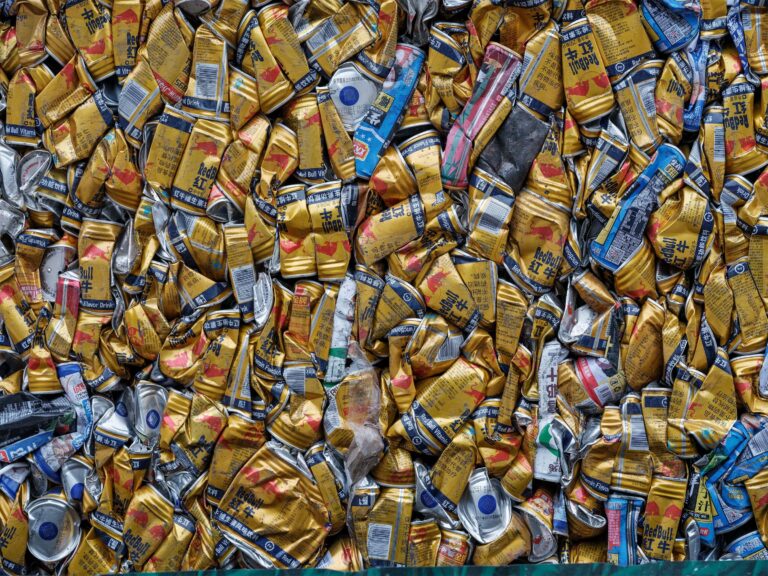
Packaging is another common source of aluminium waste. Food makers, catering firms, warehouses and distribution businesses may generate discarded cans, foil trays, containers and packaging parts.
Damaged stock, unused packaging and manufacturing rejects also add to this waste stream.
The latest UK Government statistics, published in September 2026, report that about 247,000 tonnes of aluminium packaging waste arose in 2025. Around 151,000 tonnes were recycled. That gave a provisional recycling rate of 61.1%.
These figures show why better packaging collection and sorting of recyclable aluminium from general rubbish are important.
4. Aluminium Profiles and Extrusion Waste
Aluminium profiles are commonly used in window frames, doors, furniture, curtain walls and industrial structures.
During making and fitting, businesses may produce extra lengths, damaged profiles and wrongly shaped sections. Construction contractors and window makers are common sources.
These materials can often be recycled after removing attached glass, rubber seals, plastic fittings and other unwanted parts.
5. Aluminium Cables and Electrical Components
Electrical contractors, infrastructure firms and equipment makers can generate aluminium waste from cables, conductors and electrical parts.
Examples include damaged cables, surplus installation material and old electrical equipment.
Some cables contain aluminium conductors, while others contain copper. Correct metal ID is therefore important before recycling.
Businesses may need to remove insulation and separate aluminium parts from other materials before recovery.
6. Aluminium Machinery and Equipment Scrap
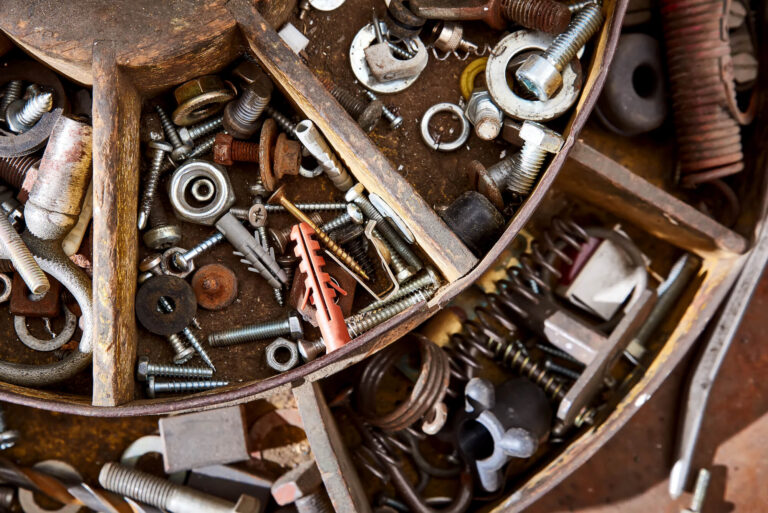
Industrial machines, production equipment and commercial appliances can contain useful aluminium parts.
When equipment becomes outdated or damaged, businesses may remove aluminium housings, panels, frames and structural sections.
Factories and engineering shops often create this scrap during machine upgrades, refits and equipment replacement.
Before recycling, businesses should check whether equipment or individual parts can be repaired or reused.
7. Aluminium Construction and Demolition Waste
Construction and demolition projects create aluminium waste when buildings are renovated, extended or taken apart.
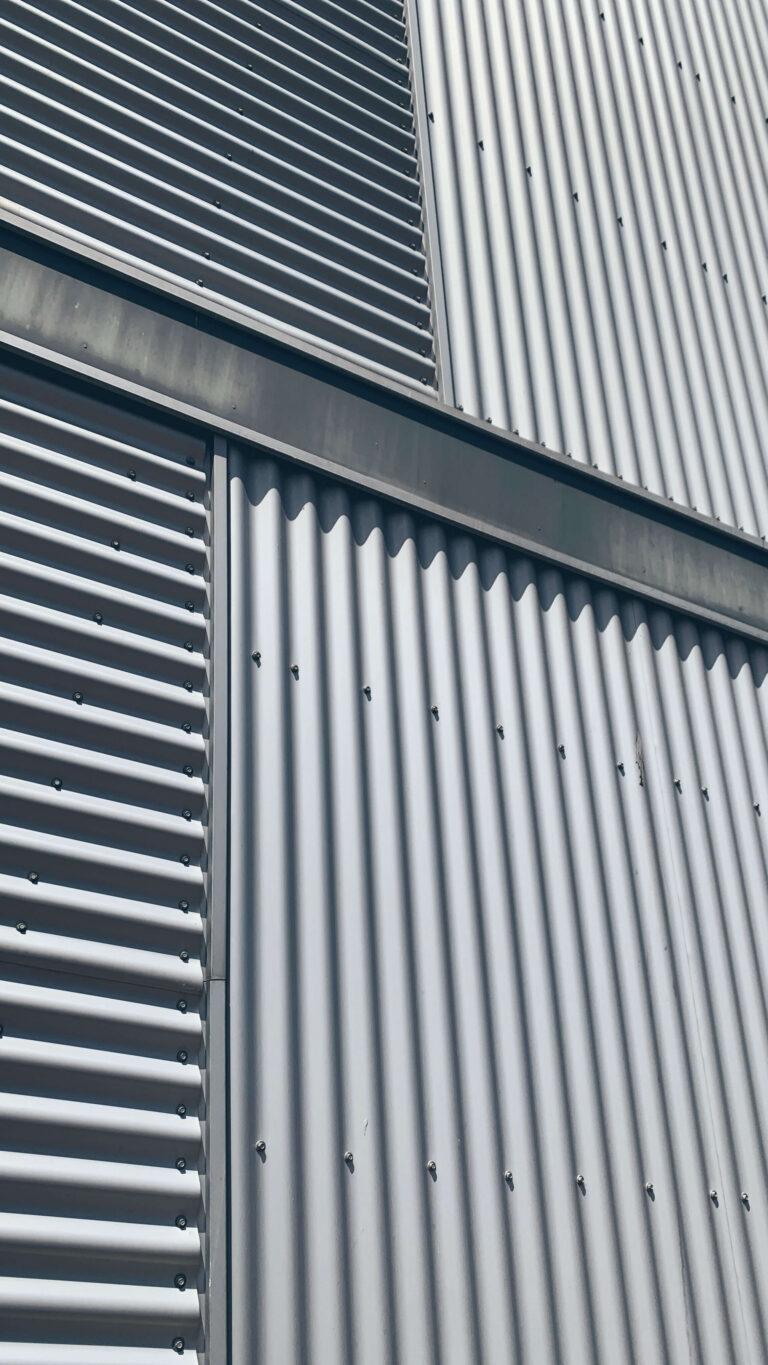
Common materials include window frames, door frames, roofing sections, cladding panels, partitions and aluminium fittings.
Contractors may also produce offcuts when fitting new building parts.
Separating aluminium from glass, timber, concrete and insulation improves recovery and makes prep for recycling easier.
8. Aluminium Dross and Production Residues
Aluminium dross is a residue made during aluminium melting and processing. It contains aluminium metal, aluminium oxides and other compounds.
Foundries, metal processors and aluminium production sites make dross during melting, casting and refining.
Unlike standard aluminium scrap, dross needs specialist handling and recovery processes. Businesses should arrange proper treatment rather than mixing it with clean offcuts.
How Businesses Can Improve Aluminium Waste Management
Good aluminium waste management starts with spotting where scrap is made. Businesses should review production areas, packaging stations, maintenance departments and construction work.
Separate bins for aluminium sheets, profiles, packaging and mixed metal parts can reduce mix-ups. Keeping materials dry and away from oils, chemicals and general rubbish also makes them better for recycling.
Businesses should identify different aluminium grades where possible. This helps recycling firms sort material and prepare it for the right recovery process.
Working with a professional recycling company can make collection and processing easier. Arranging suitable aluminium recycling also helps businesses recover useful scrap and manage unwanted metal responsibly.
Why Aluminium Recycling Matters
Aluminium recycling cuts demand for newly extracted raw materials and supports more efficient resource use. It also uses far less energy than making primary aluminium from raw materials.
According to the Aluminium Packaging Recycling Organisation, aluminium can be recycled many times without losing its key qualities. This makes recovered metal a valuable resource for new aluminium products.
For businesses, recycling can cut the amount of waste sent for disposal, improve material separation and create chances to recover value from unwanted scrap.
However, success depends on identifying, separating and handling materials correctly. Dirty or wrongly sorted waste may need extra processing.
Businesses produce aluminium waste through manufacturing, packaging, construction and equipment maintenance. Common materials include offcuts, sheets, profiles, cables, machine parts and aluminium dross.
Knowing these waste streams helps organisations improve sorting, arrange suitable collections and recover more recyclable material. Effective aluminium recycling supports better waste management and more efficient use of resources.