Global metal waste comes from manufacturing, construction, transport, and discarded products. Recycling helps recover valuable materials, save raw materials, and cut greenhouse gas emissions.
Metal waste is made worldwide through manufacturing, construction, mining, transport, and daily use. There is no single global number for every type of metal waste, but the data still show the scale of global scrap metal generation and recovery.
How much metal waste do countries generate globally each year?
There is no single agreed figure for the total amount of metal waste made each year. Different countries use different methods. Some reports count industrial scrap only. Others also include old products and end-of-life items.
Even so, global production and recycling data give a clear picture of the scale.
According to the World Steel Association, global crude steel output reached about 1,849 million tons in 2025. This shows the size of the iron and steel sector and the huge flow of material through manufacturing and construction supply chains.
The Bureau of International Recycling estimates that about 630 million tons of recycled steel are used in global steelmaking each year. That shows why steel scrap is such an important secondary raw material.
Metal waste also includes aluminium, copper, zinc, nickel, and other non-ferrous metals. These materials move through waste streams and offer more chances for recovery.
Which Metals Generate the Most Waste Worldwide?
Different industries create different kinds of waste. Steel makes up a large share because it is used so widely in construction, manufacturing, transport, and infrastructure.
Steel Waste
Steel waste comes from construction sites, vehicle plants, machinery production, and building demolition. Common examples include structural steel offcuts, discarded pipes, machine parts, and vehicle parts.
Steel is a ferrous metal that can be reused in new products. Recovering steel scrap reduces the need for virgin iron ore and supports more efficient production.
Aluminium Waste
Aluminium waste comes from packaging, construction, transport, and manufacturing. Common examples include drinks cans, window frames, vehicle parts, and industrial offcuts.
The International Aluminium Institute reported about 20 million tonnes of post-consumer aluminium scrap intake in 2019. Its research also shows the large energy savings from aluminium recovery.
Copper Waste
Copper waste comes from electrical wiring, plumbing, electronic equipment, and industrial machinery.
Copper keeps much of its value after recycling. Recovered copper can be made into new cables, pipes, electrical parts, and industrial products.
Other Non-Ferrous Metals
Nickel, cobalt, titanium, lead, zinc, and magnesium also add to global metal waste.
These materials are used in special alloys, industrial equipment, batteries, and electronic parts. Recovering them helps preserve valuable raw materials and supports manufacturing supply chains.
What Are the Main Sources of Global Metal Waste?
Metal waste is created across the full life of industrial and consumer products. Some materials become waste during manufacturing. Others are thrown away after years of use.
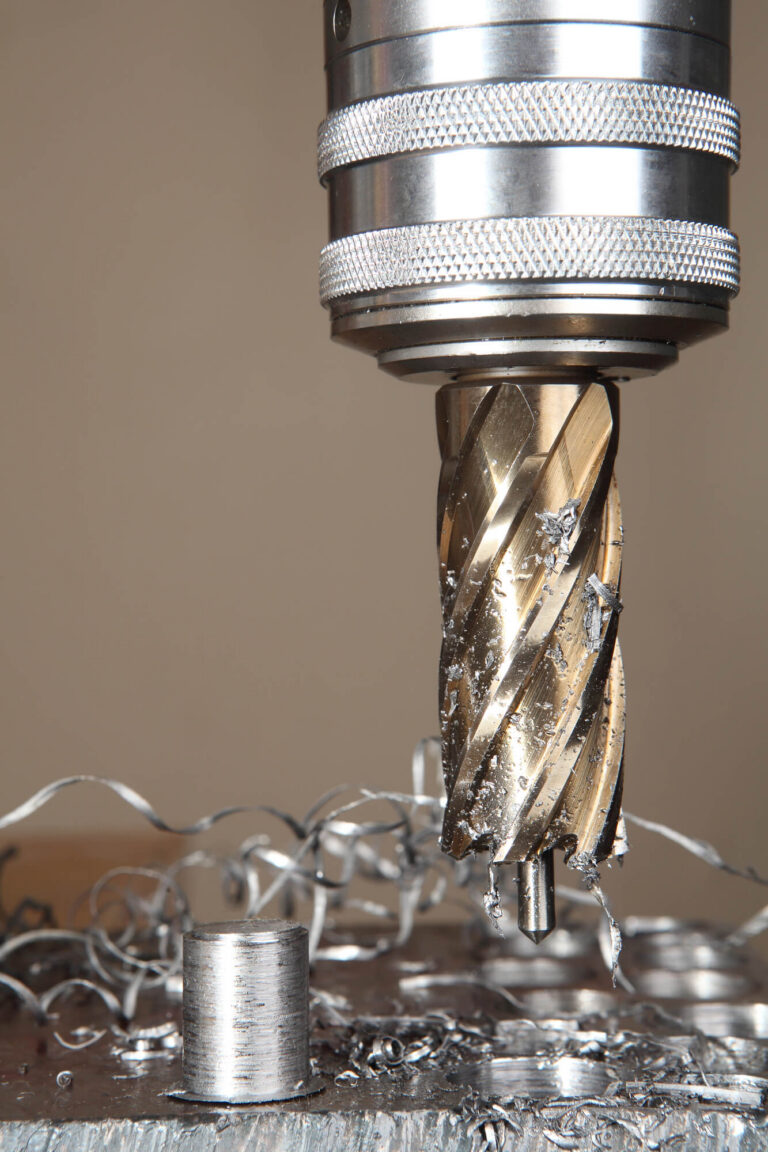
Manufacturing is a major source of scrap metal. Cutting, drilling, stamping, and machining create offcuts, turnings, and metal residue. Businesses can collect this material and send it to suitable recycling facilities.
Construction also produces a lot of metal waste. Demolition, renovation, and infrastructure projects create steel beams, aluminium frames, copper pipes, and other recyclable materials.
The automotive industries also add large amounts of waste through vehicle production, repair, and end-of-life vehicle processing. Old cars contain steel, aluminium, copper, and other metals that can be recovered.
Electrical and electronic equipment is another major source. The Global E-waste Monitor 2024 reported that about 62 million tonnes of electronic waste were generated worldwide in 2022. That waste held about 31 million tonnes of metals, or 31 billion kilograms.
These figures show why better metal recovery from discarded electrical equipment matters.
How Much Metal Waste Is Recycled Worldwide?
Metal recycling helps reduce disposal and gives manufacturers useful secondary materials.
According to the Bureau of International Recycling, about 630 million tons of recycled steel are used in global steelmaking each year. This recovery prevents nearly 950 million tonnes of carbon dioxide emissions each year.
Aluminium recycling also brings major environmental benefits. The International Aluminium Institute estimates that recycling aluminium uses about 95% less energy than making primary aluminium.
Copper is another valuable material to recycle. Recovered copper can be made into new electrical parts, cables, pipes, and industrial products.
However, not all discarded metal reaches recycling plants. Contaminants, poor collection systems, and weak sorting can stop valuable materials from being recovered.
Improving recycling processes is key to higher recovery rates and less waste.
Why Is Global Metal Waste Increasing?
Several factors affect how much metal waste is made around the world.
Population growth and city growth increase demand for buildings, transport infrastructure, electrical equipment, and consumer products. These needs use large amounts of metal and later create more waste.
Industrial expansion also raises waste levels. Manufacturing businesses create scrap during fabrication, machining, and part production.
New technology can speed up the replacement of electronic equipment, vehicles, and industrial machinery. Older products then enter waste systems, where they can still supply useful metals.
Product design also matters. Some products are hard to take apart because they use mixed materials, complex parts, or special metal blends.
Better manufacturing methods, repair options, and longer product life can all cut unnecessary waste.
What Are the Environmental Impacts of Global Metal Waste?
Poorly managed metal waste can harm the environment and put more pressure on natural resources.
Discarded metal products take up landfill space. They may also contain hazardous substances, depending on what they are made of.
Some waste streams need special handling to prevent contamination.
Metal extraction also affects natural resources. Mining uses land, energy, and water, while metal processing can create industrial emissions.
Recycling helps reduce these impacts. Recovering existing materials can lower demand for virgin metal production and cut greenhouse gas emissions.
For example, aluminium recycling uses much less energy than making aluminium from bauxite. Steel recycling also lowers the need for primary ironmaking materials.
Good collection, sorting, and processing are still needed to achieve these gains.
How Can Businesses Reduce Metal Waste?
Businesses can cut metal waste by managing materials better across their operations.
Manufacturers can review cutting patterns and production methods to reduce offcuts. Separating different metal types at the source also prevents contamination and improves recovery quality.
Regular waste audits can show where scrap is created and where losses can be reduced.
Businesses should also work with reliable recycling facilities that can collect, sort, and process suitable materials.
Keeping clear records of scrap quantities helps organisations track results and improve waste management practices.
The Future of Global Metal Waste and Recycling
Global demand for metals will stay strong as industry grows and infrastructure expands. Because of that, managing metal waste will matter more for manufacturers, construction companies, and the wider recycling industry.
Investment in better sorting technology, stronger collection networks, and more efficient recovery can help recycle metals more effectively.
Building circular supply chains will also encourage businesses to reuse scrap instead of relying only on newly extracted resources.
By improving recycling processes, industries can reduce waste, save raw materials, and support more sustainable manufacturing.
The exact amount of metal waste made globally each year is still hard to measure because reporting methods differ. Even so, steel recycling figures, aluminium data, and electronic waste data show the scale of global recovery opportunities.
Reducing industrial scrap, improving collection systems, and investing in effective recycling can help keep valuable metals in circulation. Responsible metal waste management will remain key to a more resource-efficient global economy.