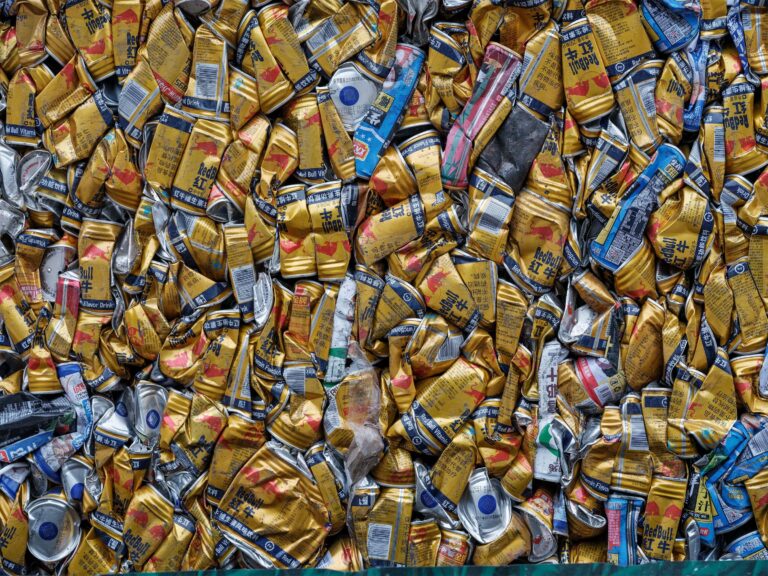
Scrap metal recycling gives industry valuable raw materials and helps the recycling industry cut waste. Recycling processes turn steel scrap, aluminium and copper into new products, and businesses recycle metals to save energy and lower greenhouse gas emissions. These metals support manufacturing, construction, automotive industries and infrastructure.
How Much Scrap Metal Do Countries Recycle Worldwide Each Year?
There is no single global total for all scrap metal because reports use different methods. Some track scrap collected. Others measure metal recovered, processed or used in manufacturing.
According to the Bureau of International Recycling (BIR), about 630 million tons of recycled steel are used in global steel production each year. This shows how important steel scrap is to the international recycling industry.
The International Aluminium Institute said 42.8 million tons of aluminium were recycled worldwide in 2024. That included 25.3 million tons of old scrap and 17.5 million tons of manufacturing scrap.
The International Energy Agency (IEA) estimated that recycled copper supplied about 11.7 million tons in 2025. This included direct-use scrap and secondary production, and it met around 35% of global copper demand.
These numbers should not be added together. They cover different metals and reporting methods. Even so, they show the scale of recycled materials in industrial production.
Global Scrap Metal Recycling Statistics
Steel, aluminium and copper are the biggest parts of global metal recovery. Lead, nickel, zinc and brass also supply important raw materials.
BIR said recycled steel use in key countries and regions reached about 480 million tons in 2025, up 4.5%.
According to the International Aluminium Institute, global aluminium recycling reached 42.8 million tons in 2024. Old scrap made up 25.3 million tons, while manufacturing waste added 17.5 million tons.
The IEA estimated that recycled copper supplied 11.7 million tons in 2025.
These figures show the size of worldwide metal recovery. But collection, processing and manufacturing all measure different stages of the recycling process.
What Percentage of Scrap Metal Is Recycled Worldwide?
There is no single recycling rate for all metals. Recovery rates change with the material, collection network, product life, and processing technology.
Steel from buildings may stay in use for decades before it enters the scrap stream. Aluminium packaging can reach collection systems much sooner. Copper wire may stay in electrical systems for many years.
Reported rates also differ by method. Collection rates show how much scrap is gathered. Recovery rates show how much is sorted and processed.
Manufacturing offcuts are usually easier to recycle than mixed scrap from complex products. So scrap quality has a strong effect on results.
Which Metals Do People Recycle the Most Worldwide?
Steel, aluminium and copper are the most widely recovered metals. Recycling facilities also process stainless steel, lead, nickel, brass, zinc, magnesium and titanium.
Ferrous metal recycling
Ferrous metals contain iron and steel, and they also include cast iron. Construction, automotive industries, machinery production and infrastructure projects create large amounts of ferrous scrap.
Structural steel, reinforcing bars, vehicle parts and manufacturing offcuts can be collected and reused. Magnets make many ferrous metals easy to find and separate.
Non-ferrous metal recycling
Non-ferrous metals include aluminium, copper, brass, zinc, lead, nickel, magnesium and titanium.
These metals have different uses. Aluminium is light, copper carries electricity well, nickel is used in specialist alloys, and titanium gives strength and corrosion resistance.
Specialist sorting equipment, sensor technology and density separation help recycling facilities recover these materials while reducing impurities.
Stainless steel, lead and nickel recycling
Stainless steel contains chromium and often nickel, which makes it useful in manufacturing and industrial work. Different grades must be identified and separated to keep quality high.
Lead is often recovered from vehicle batteries, industrial batteries and cable sheathing. Because lead is hazardous, recycling needs controlled handling and specialist processing.
Workers recover nickel from stainless steel, industrial machinery, batteries, and manufacturing offcuts. Its recovery also supports battery supply chains and demand for electric vehicles.
Brass and zinc recycling
Brass is mostly copper and zinc. It is common in plumbing fittings, valves and engineering parts. Manufacturers use zinc in galvanised steel, construction materials, and die-cast products.
Both metals can be recovered through sorting and processing. That reduces the need for primary metal production.
Which Countries Recycle the Most Scrap Metal?
Metal recycling takes place across major industrial economies. The amount recovered depends on manufacturing activity, industrial infrastructure, collection systems and scrap trade.
China
China is one of the world’s largest metal-producing economies. The World Steel Association said its crude steel production reached about 960.8 million tons in 2025.
BIR reported that China’s recycled steel use rose 8.3% to about 227 million tons in 2025. Its large construction, automotive and manufacturing sectors also create plenty of non-ferrous scrap.
United States
The United States has a mature recycling industry supported by vehicle dismantling, construction and manufacturing.
BIR said recycled steel use reached about 57 million tons in 2025. The country also recovers aluminium and copper from industrial offcuts, electrical cables, packaging and discarded equipment.
India
India’s growing construction, infrastructure and automotive sectors create large amounts of metal waste.
BIR reported that recycled steel use rose 17.9% to about 39.6 million tons in 2025. Future growth depends on domestic scrap supply, collection systems and processing capacity.
Japan
Japan has strong metal recovery systems supported by its automotive and manufacturing sectors. BIR reported that Japan exported about 7.71 million tons of recycled steel in 2025, up around 18% from the year before.
Germany and Other European Countries
Germany supports metal recycling through its automotive, engineering and construction sectors. The wider European market also plays an important role in global scrap trade.
BIR reported that the EU-27 exported about 16.68 million tons of recycled steel outside the bloc in 2025. Turkey imported about 10.82 million tons from the EU-27.
United Kingdom
The UK is also a major part of global scrap metal recovery. According to the UK Government’s 2025 Primary Steelmaking Review, the country recovers about 10-11 million tons of scrap steel each year. Just over 2 million tons are recycled at home, while most of the rest is exported.
What Industries Generate the Most Scrap Metal Worldwide?
Several industries produce large amounts of recyclable metal through manufacturing, construction and the disposal of old equipment.
Construction and demolition
Buildings, bridges, factories and infrastructure contain steel, aluminium, copper and other metals. Offcuts, structural parts, roofing, pipes and electrical cables can all enter recycling systems.
Separating materials before disposal helps cut impurities and improve recovery quality.
Automotive manufacturing and vehicle recycling
Automotive production creates scrap during cutting, stamping and fabrication. End-of-life vehicles also contain recoverable steel, aluminium and copper.
Specialist facilities dismantle vehicles and separate parts from body panels, engines, wiring and electrical equipment.
Electrical and electronics manufacturing
Computers, televisions, mobile phones, industrial control systems and electrical appliances contain many different metals. Specialist recycling operations dismantle equipment and recover valuable materials while managing risky parts.
Engineering and metal fabrication
Cutting, drilling, milling, turning and welding create steel offcuts, aluminium swarf, copper pieces and stainless steel turnings.
Keeping these materials separate lets businesses recover cleaner scrap and improve recycling efficiency.
Mining and metal processing
Mining and processing operations create metal-bearing residues, rejected parts and manufacturing by-products. Some materials need specialist treatment instead of standard scrap metal recycling.
How Is Scrap Metal Recycled Worldwide?
Although each metal needs its own treatment, most recycling systems follow a few main steps.
Collection and sorting
Scrap is gathered from businesses, homes, factories, construction sites, and discarded products. Facilities then sort material by metal type, grade, and condition. Magnets separate ferrous metal, while sensors and eddy-current systems help recover non-ferrous scrap.
Cleaning and preparation
Unwanted material such as plastic, rubber, insulation, coating and oil is removed where needed. Cables may need stripping, and large parts may need dismantling.
Shredding and size reduction
Industrial shredders, shears and cutting equipment break bulky material into smaller pieces. More sorting improves the purity of recovered metal.
Melting and reprocessing: Prepared scrap is melted or treated using processes that fit its composition. Steel may go into electric arc furnaces, while aluminium and copper need different melting and refining steps.
Manufacturing
Recovered metals become secondary raw materials for new products, including construction materials, vehicle parts, electrical equipment, packaging and machinery.
Why Is Scrap Metal Recycling Important for the Global Economy?
Scrap metal recycling supports industrial production by giving manufacturers another source of raw materials.
It reduces dependence on mining because manufacturers can use metals already in circulation. Primary extraction is still needed to meet growth, but secondary materials help conserve resources.
Recycling also strengthens supply chains. Local collection and processing can give manufacturers more material choices and reduce reliance on imported primary metals.
The industry creates jobs across collection, transport, sorting, processing, and manufacturing. It also supports a circular economy by keeping valuable materials in use instead of sending them to waste.
What Are the Environmental Benefits of Recycling Scrap Metal?
Lower greenhouse gas emissions
Primary metal production uses mining, ore processing and energy-heavy manufacturing. Recycled materials can reduce the need for some of these steps.
BIR estimates that using about 630 million tons of recycled steel each year helps prevent nearly 950 million tons of carbon dioxide emissions.
Reduced energy consumption
Making aluminium from scrap usually needs about 95% less energy than making primary aluminium from bauxite.
The International Copper Association also says copper recycling can use about 85% less energy than primary production. Actual savings depend on the process and material quality.
Conservation of natural resources
Recovering existing metals reduces demand for newly mined mineral resources. This matters especially for materials used in renewable energy systems, electrical infrastructure and automotive manufacturing.
Less waste sent to landfill
Recycling construction materials, industrial offcuts, vehicle parts and discarded machinery keeps recoverable metals in circulation. Proper sorting helps these materials reach the right recycling facilities.
What Challenges Affect Global Scrap Metal Recycling?
Despite its benefits, global recycling still faces several problems.
Uneven collection systems can keep valuable scrap out of formal channels. Some countries lack enough collection services, transport links and modern processing plants.
Impurities are another problem. Mixed metal grades, plastics, coatings and other unwanted material can raise costs and lower product quality.
Changing scrap prices also affect recycling businesses. Shifts in global demand, energy costs, transport costs and primary metal prices can affect profit.
Complex products may also need specialist identification and separation tools. International scrap shipments must follow environmental, customs and waste shipment rules.
How Is Technology Improving Worldwide Metal Recycling?
Modern technology is helping recycling facilities improve recovery rates and material quality.
Artificial intelligence and automated sorting systems can identify different materials on moving conveyors. Sensor-based equipment helps separate metal grades and non-ferrous materials.
Advanced shredders, magnetic separators and eddy-current systems improve the handling of mixed scrap. Digital tracking also helps businesses monitor collection, weighing, grading and transport across the recycling supply chain.
These tools can improve efficiency, cut impurities and support higher-quality secondary materials.
What Is the Future of Global Scrap Metal Recycling?
Demand for recycled metals should remain strong as manufacturing, infrastructure development, renewable energy and electric vehicle production grow.
Steel, aluminium and copper will keep supporting industrial supply chains, while battery technologies and specialist alloys will raise demand for more recovered metals.
Investment in modern recycling plants, collection networks and automated sorting systems should increase recovery capacity. Government rules will also shape how businesses collect, process and move scrap.
Improving the quality of recovered materials will stay important because manufacturers need secondary metals that meet exact technical and chemical standards.
How Can Businesses Increase Their Scrap Metal Recycling?
Businesses can improve metal recovery with better waste management.
Separating steel, aluminium, copper, brass and stainless steel into dedicated storage areas helps prevent impurities. Identifying manufacturing offcuts, swarf and rejected parts also keeps valuable material out of general waste.
Working with the right recycling facility is just as important, especially when handling specialist alloys, impure residues or lead-bearing materials.
Businesses should keep accurate weighing records, waste transfer papers and collection reports to track performance.
Reducing waste at source through better production planning, material buying and equipment maintenance can improve resource use. Where parts can still be used, reuse may be better than recycling.
MetalCycle supports businesses with metal waste collection and recovery. Its services include aluminium recycling and nickel recycling, along with other metal recovery options.
Worldwide scrap metal recycling supplies hundreds of millions of tons of secondary materials to industry every year. Steel, aluminium and copper remain major contributors, while other metals support specialist manufacturing and technology supply chains.
Increasing collection, improving sorting and investing in modern processing plants can help recover more valuable materials. For businesses, responsible scrap management offers a chance to cut waste, conserve resources and support a more circular industrial economy.