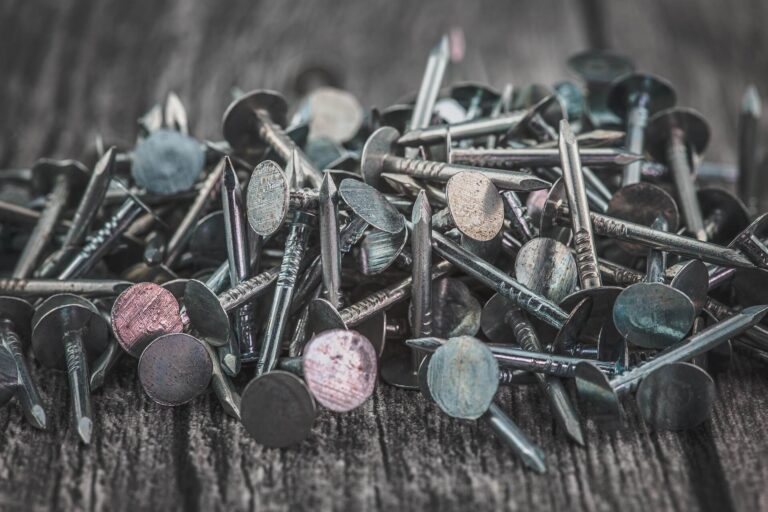
Titanium recovery helps manufacturers reduce scrap, conserve resources, and support sustainable manufacturing through effective titanium recycling.
What Is Titanium Recovery?
Titanium recovery is the process of reclaiming valuable metal from manufacturing waste and returning it to useful work. People use titanium in aerospace, engineering, medical equipment, and industrial parts because it is strong, light, and resists corrosion.
Manufacturing can create titanium offcuts, swarf, machining waste, and rejected parts. Rather than send suitable scrap for disposal, businesses can separate it and recover it for recycling.
Titanium recovery helps manufacturers use resources more efficiently and reduce material losses. It also supports a circular economy by keeping valuable metals in use.
Why Titanium Recovery Matters in Sustainable Manufacturing
Sustainable manufacturing aims to cut waste, save resources, and improve production efficiency. Titanium recovery supports these aims by giving manufacturers a way to reuse metal that would otherwise leave the supply chain.
Businesses that machine or make titanium often create scrap during cutting, shaping, and finishing. Separating this material from general waste makes it easier to assess and recycle.
Effective titanium recovery also helps manufacturers understand their waste streams. Businesses can reduce waste by tracking scrap generation and improving material handling to use purchased materials more effectively.
The environmental gains depend on scrap quality, the recycling process, and the energy needed for recovery. Even so, recycling suitable titanium can reduce reliance on primary metal production and support more responsible manufacturing.
How Titanium Recycling Reduces Industrial Waste
Titanium recycling turns suitable manufacturing scrap into a useful resource. We can often collect offcuts, surplus metal, and selected machining waste for assessment and processing.
Separation is an important first step. Keeping titanium apart from other metals helps preserve material identity and reduces the risk of impurities. Store different titanium grades and alloys separately where needed.
Clean, clearly identified scrap is usually easier to assess for recovery. Businesses can improve results by using labelled containers, setting clear handling steps, and arranging regular collections.
Manufacturers should also review production methods to prevent avoidable waste. Improved cutting plans, efficient machining, and stock control can lessen scrap production.
Combining waste prevention with titanium recycling helps businesses improve material efficiency and manage industrial waste more responsibly.
Environmental Benefits of Titanium Recovery
Producing primary titanium involves several processing stages that need energy and resources. Recovering suitable scrap creates another source of metal for manufacturing and may reduce demand for newly made material.
Titanium recovery can also divert valuable metal from disposal. This supports resource conservation and encourages businesses to consider the full lifecycle of their materials.
Recycling’s impact changes based on scrap condition, transport, processing, and metal quality standards. For this reason, businesses should consider the full recovery route when weighing eco benefits.
Responsible titanium recycling forms part of a wider effort to reduce manufacturing waste. When supported by efficient production and proper waste management, it can help companies move towards their environmental goals.
The Economic Value of Titanium Scrap Recovery
Titanium scrap can keep commercial value after its original manufacturing use has ended. Its value depends on grade, quantity, cleanliness, impurities, and market conditions.
Separating scrap correctly helps businesses identify material and present it for assessment. This may improve recovery chances and reduce unnecessary handling.
A structured recovery process can also help manufacturers track material losses and spot inefficient production practices. Cutting avoidable scrap may lower material purchase needs and improve overall resource use.
However, businesses should not expect guaranteed financial returns. Collection, transport, preparation, and processing costs can affect the outcome. They should review these factors when choosing a suitable titanium recycling route.
Titanium Recovery and the Circular Economy
A circular economy aims to keep resources in use for longer and reduce reliance on virgin materials. Titanium recovery supports this approach by returning suitable scrap to the recycling supply chain.
We may process recovered titanium into material for new manufacturing uses when it meets the required composition and quality standards. This can help preserve valuable resources and reduce unnecessary waste.
Keeping accurate records and separating different grades are essential for effective recovery. Mixing mismatched materials can complicate processing and limit possible uses.
Manufacturers can support a circular economy by working with suitable recycling providers and reviewing how materials move through their operations. These practices help retain value and encourage more efficient use of industrial resources.
Best Practices for Managing Titanium Waste
Businesses should identify the production activities that create titanium scrap and set up proper collection and storage steps. Separate containers help prevent impurities and make material easier to identify.
We should assess scrap according to its grade, condition, and planned recovery route. Machining swarf may need extra handling because of oils, coolants, or other contaminants. Businesses should follow proper workplace procedures and the receiving facility’s requirements.
Companies should also work with competent waste management providers and keep the required records. The GOV.UK waste sorting guidance helps businesses sort waste correctly.
The UK waste hierarchy guidance explains how waste prevention, reuse, and recycling fit into responsible waste management.
Regularly reviewing scrap amounts, recovery rates, and handling costs can help manufacturers identify areas for improvement. This can enhance their resource management practices.
The Future of Titanium Recovery
As manufacturers focus on resource efficiency, titanium recovery remains an important part of sustainable manufacturing. Better material identification, sorting, and recycling technologies may improve the recovery of suitable titanium scrap.
Businesses can support progress by improving segregation, tracking material flows, and working with suitable recycling specialists. These steps can help create more reliable routes for recovered metals.
The long-term goal is not just to recycle more titanium. It is to prevent unnecessary waste, retain material value, and improve the efficiency of manufacturing operations.
Titanium recovery in sustainable manufacturing helps save resources, reduce waste, and reuse metal efficiently. Effective segregation, responsible waste management, and suitable recycling routes help manufacturers improve material efficiency.
By adding metal recycling to their waste management procedures, businesses can support a more circular and resource-efficient manufacturing industry.