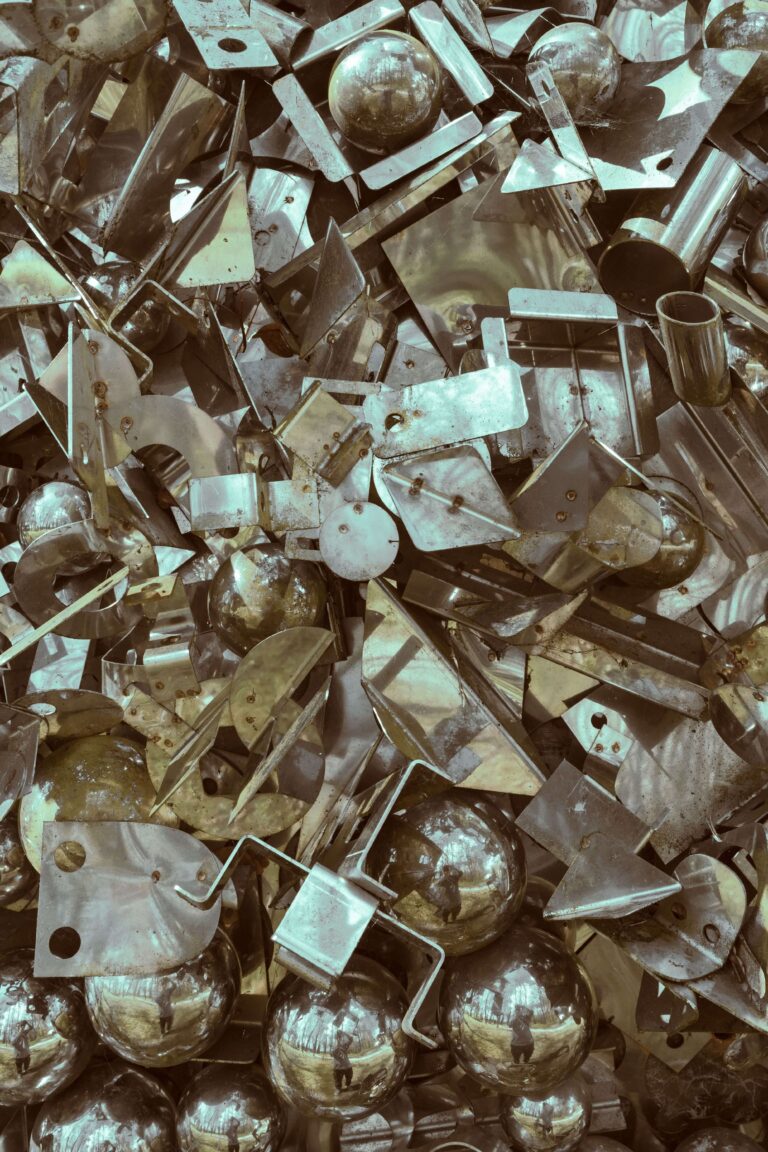
Businesses can cut brass waste by buying carefully, reusing offcuts, improving production, sorting scrap, and recycling the rest.
Plan Brass Purchases Carefully
One easy way to cut brass waste is to buy only what a job needs. Check orders, build plans, and stock before you buy brass sheets, bars, tubes, fittings, or other parts.
Careful buying reduces extra stock and helps stop unused materials from going old. Using the same sizes and specs where you can also makes leftover pieces easier to use later.
Improve Cutting and Manufacturing Processes
Brass offcuts can come from machining, drilling, turning, cutting, and fabrication. A review of production methods can show where too much material is being removed.
Accurate measurements and good cutting plans reduce scrap. Computer-controlled tools can help where they fit. Regular machine checks can also prevent errors, broken parts, and avoidable waste.
These changes can have a significant impact when used across a site.
Reuse Brass Offcuts Where Possible
Not every brass offcut needs to go for recycling right away. Clean, usable pieces may work for repairs, prototypes, maintenance, or other jobs.
A labelled storage area makes reuse easier. This supports waste reduction by keeping good material in use for longer.
Businesses should not keep damaged, dirty, or unsuitable pieces just to cut disposal amounts.
Separate Brass Waste from Other Materials
Sorting is an important part of scrap metal recycling. Keep brass out of general waste and separate it from other metals when you can.
If brass mixes with steel, aluminium, or dirty waste, sorting gets harder and the value of the metal can fall. Use dedicated bins so staff place brass in the right stream.
For businesses in England, workplace recycling rules make this part of good waste management.
Train Employees to Reduce Brass Waste
Workers affect how materials are used, stored, and thrown away. Simple training can help them spot brass waste, handle it well, and avoid damage.
Cover cutting methods, storage steps, sorting, and safe handling. Signs near bins can also cut mistakes.
Add waste reduction to toolbox talks and site reviews. Track results to see if training is working.
Track Where Brass Waste Comes From
Conducting a waste audit helps a business see how much brass it creates and where it comes from. Record the types of brass waste, the teams that make it, and why it is thrown away.
Common sources include offcuts, damaged fittings, old valves, plumbing parts, and spare engineering items. When you know the main sources, you can focus on the biggest fixes first.
Tracking waste can also show where buying, production, and storage can improve. This supports wider waste management goals.
How Can Businesses Reduce Brass Waste Through Recycling?
Even with good prevention, some brass scrap will remain. Use a trusted recycling service so useful metal does not go to general waste.
A good recycler can collect and sort brass scrap before sending it for recovery. Recycling brass returns copper and zinc to use and cuts the need for new raw materials.
Choose a recycling provider that can handle your waste volumes and collection needs. A set collection plan can stop bins from overflowing and make brass waste management easier.
For businesses that want to improve their wider recycling plan, choose a reliable brass recycling service.
Connect Brass Recycling with Wider Waste Management
Brass waste reduction works best as part of a wider business plan. Review brass with other recyclable materials, including aluminium, copper, steel, and other non-ferrous metals.
The waste hierarchy puts prevention and reuse first, before recycling and other recovery methods. So check if brass waste can be avoided or reused before you send it for recycling.
This can improve resource use, support reducing waste, and lower your environmental footprint.
Why Reducing Brass Waste Matters
Cutting brass waste can lower buying costs, improve stock control, and increase the amount of metal sent for recycling. It can also reduce the environmental footprint from making and disposing of materials.
Brass is valuable because it contains copper and zinc. Clean brass scrap can go back into use through standard recycling.
Small changes to buying, production, storage, and collection can have a significant impact over time.
Businesses can reduce brass waste by planning purchases, improving production accuracy, reusing usable offcuts, sorting scrap, training staff, and tracking waste sources. Send remaining brass through the right recycling service, not with general waste.
Making brass waste reduction part of daily work can improve resource use, support recycling, and give businesses more control over material use and waste management.