The Role of Lead Recovery in the Circular Economy

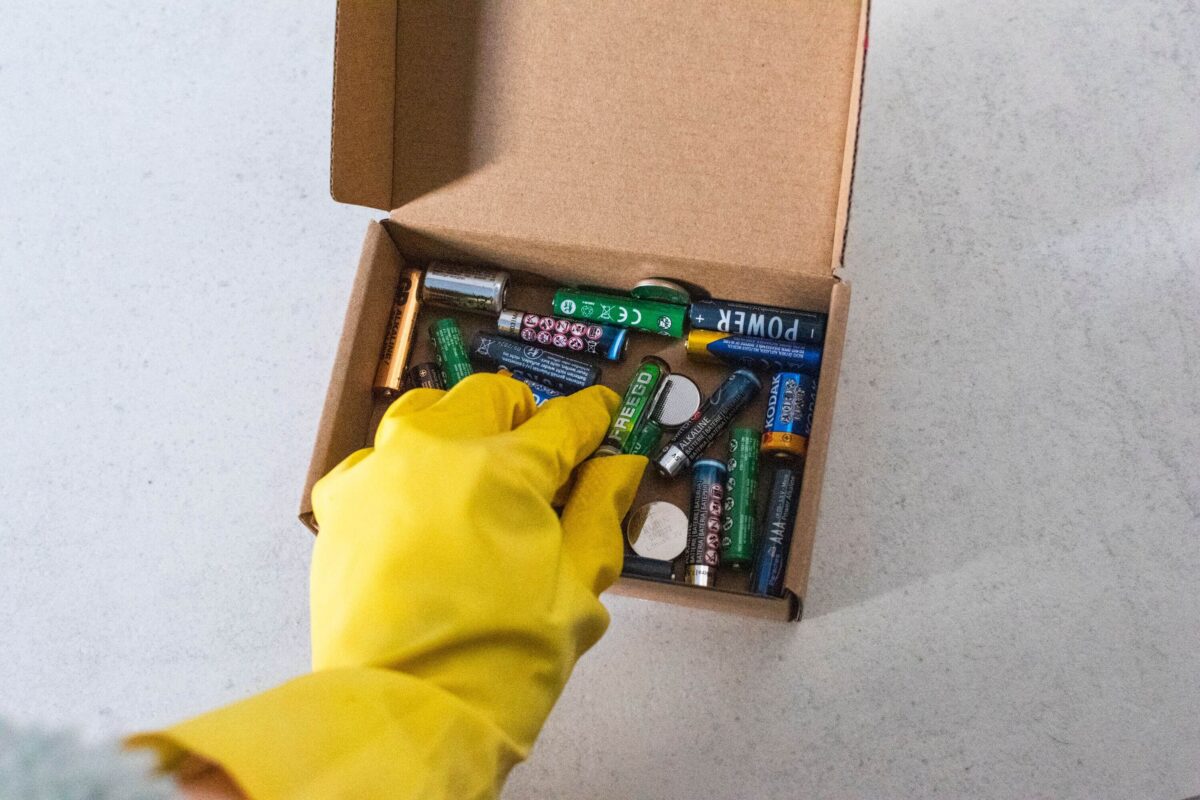
The role of lead recovery in the circular economy matters for businesses that create lead waste. Recovering lead from batteries, parts, cables, and other products helps keep valuable materials in use and cuts waste. It also supports careful use of resources by sending recovered metals back to manufacturing.
Lead recovery keeps useful metal in circulation and reduces avoidable waste.
Circular Economy Basics
A circular economy aims to keep materials in use for as long as possible. Businesses can recycle materials instead of disposing of them, allowing them to be reused in the supply chain.
Lead recovery supports this approach. Products can recover lead when they reach the end of their useful life. The recycled material can then become a secondary raw material for new manufacturing.
This process can help reduce pressure on primary resources while making better use of materials already in circulation.
Where Lead Waste Comes From
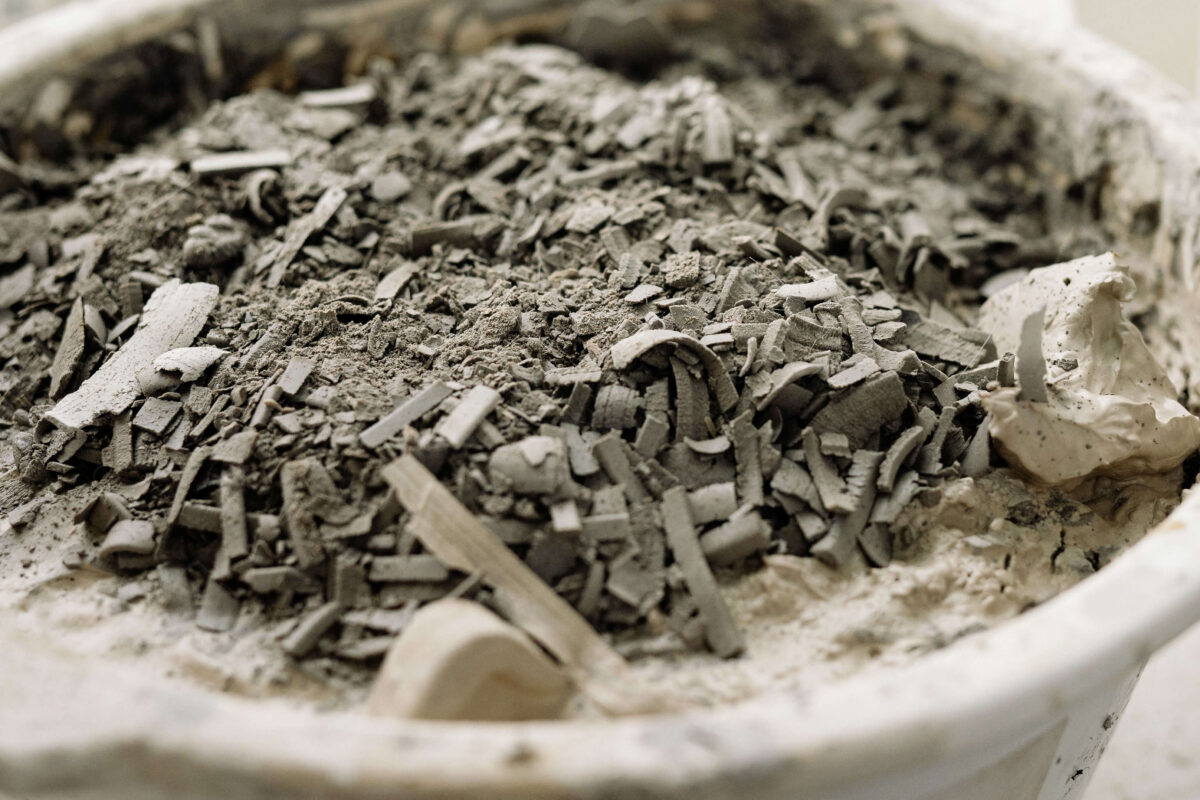
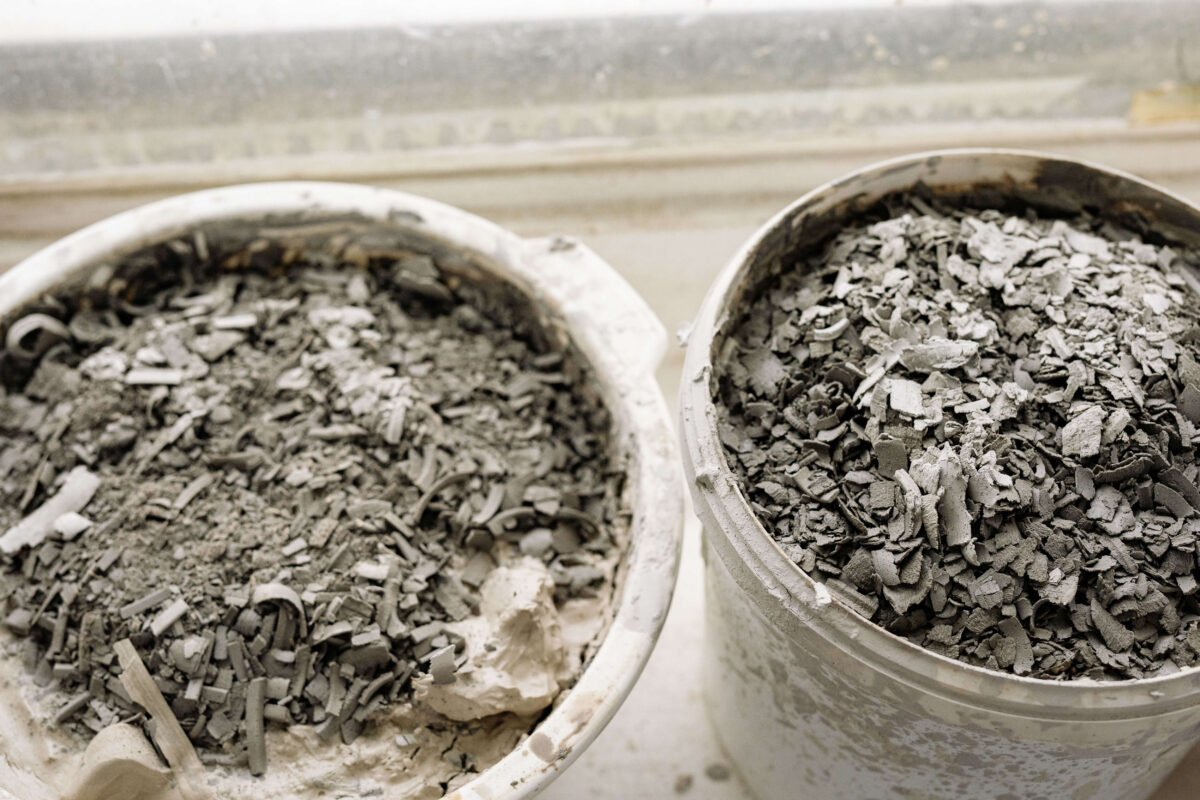
Lead waste comes from many commercial and industrial activities. Common sources include lead-acid battery waste, cable sheathing, roofing products, solder, pipes, radiation shielding, and manufacturing offcuts.
Spent batteries are an important source of reclaimed lead. Lead acid battery recycling can recover lead from batteries that are no longer fit for use.
Businesses may also create lead waste when they replace equipment, maintain machinery, or process lead-bearing parts. Spotting these materials early can improve segregation and support a more effective recycling process.
Lead Recovery and Material Recovery
Material recovery is a key part of the circular economy. It lets useful substances be separated from waste instead of being lost through disposal.
Lead is well suited to recovery because it can be recycled and used as a secondary material. Recycled lead can be processed for use in new products, helping keep valuable materials in the manufacturing cycle.
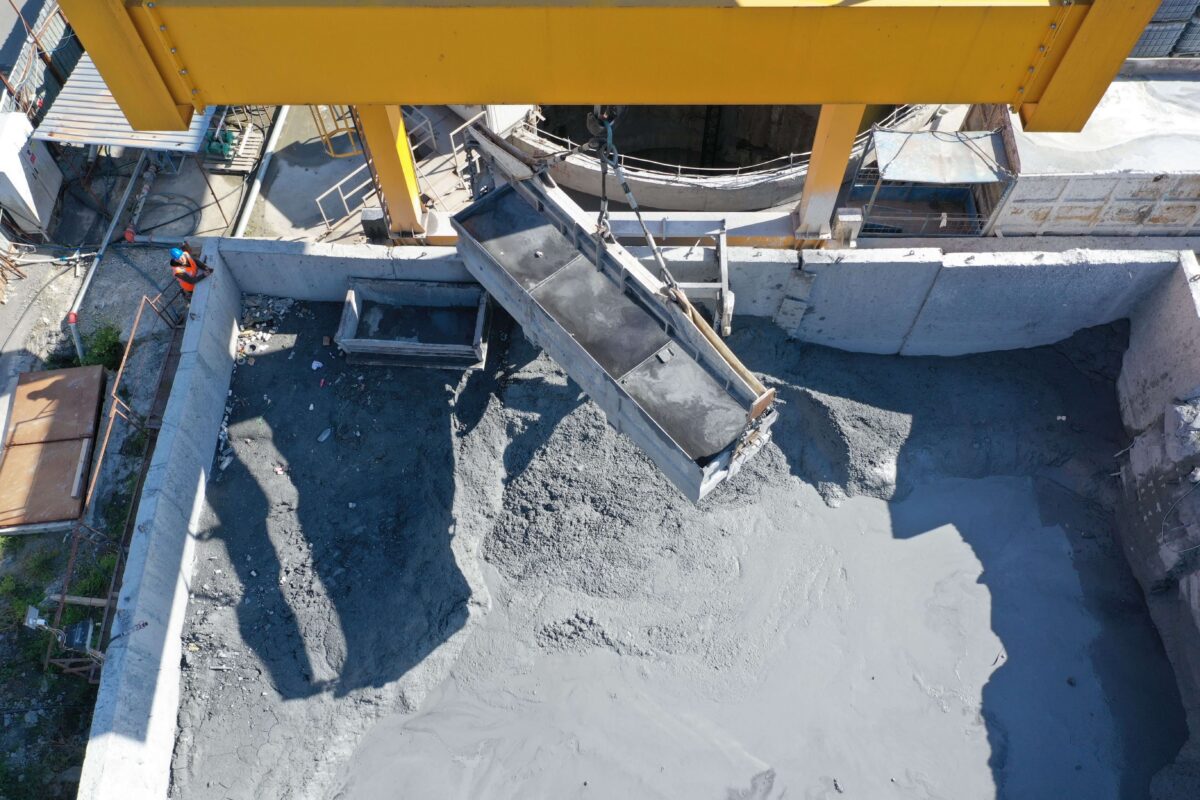
A recycling plant uses controlled steps to separate, treat, and recover materials. The exact recycling process depends on the type and condition of the waste received.
Good segregation before collection can make recovery more efficient. It can also cut pollution and help ensure that suitable waste reaches the right treatment route.
Recycling Spent Batteries
Spent batteries can contain materials with recovery value. Lead-acid batteries are different from lithium-ion batteries, which are now used more often in electric vehicles, portable electronics, and stationary energy storage systems.
Even though these battery types need different recycling methods, both show why it is important to recover materials at the end of a product’s useful life.
Lead battery recycling enables the recovery of lead from suitable waste batteries and its return to productive use. Businesses handling spent batteries should use proper storage, collection, and treatment arrangements.
Environmental Impact of Lead Recovery
Responsible lead recovery can help reduce the environmental impact linked to waste. Keeping recyclable metal out of disposal routes can conserve resources and support more efficient material use.
Recovery may also help cut the carbon footprint tied to the supply and processing of new raw materials. However, the environmental benefits depend on the recycling method, transport, energy use, and the quality of the recovered material.
For this reason, businesses should choose suitable recycling routes and work with properly licensed waste management providers.
The Environment Agency guides cover waste types and legal duties. Businesses should classify waste correctly before arranging collection or treatment.
Improving the Recycling Rate
Businesses can support a higher recycling rate by identifying lead waste at its source. Materials should be separated from unsuitable waste streams and stored correctly before collection.
Clear labels can help employees know which materials belong in each container. Staff training can also cut contamination and improve consistency.
Businesses that regularly create lead waste can review their collection records to see how much material is being recovered. This information can show where segregation can improve and where waste can be reduced.
Improving recycling helps manage resources and enables businesses to use materials more efficiently.
Recycled Lead in Manufacturing
Recycled lead can become a useful input for manufacturing. Returning recovered metal to production reduces the need to treat every end-of-life product as waste.
This approach supports the wider principles of the circular economy by keeping materials in productive use. It can also help businesses show more responsible resource management.
Lead recovery should be part of a wider waste strategy. Businesses should first look for ways to prevent unnecessary waste, then reuse where practical, and recycle where suitable.
Safe and Responsible Lead Recycling
Lead needs careful handling because exposure can pose risks to people and the environment. Businesses should therefore avoid placing lead-bearing waste into general waste streams.
Lead recycling should be arranged through proper and authorised routes. Waste should be correctly identified, stored, and transported before reaching a suitable recycling plant.
For lead acid battery waste, businesses should also check current regulatory requirements before arranging collection or treatment. The right route depends on the type and features of the waste.
Supporting a Circular Future
Lead recovery can help businesses move toward a more circular approach to resource management. Instead of letting useful metals become lost waste, recovery keeps them available for future use.
The long-term value of lead recovery comes from good segregation, responsible collection, and suitable recycling. These steps help protect valuable materials and support more efficient resource use.
For businesses that create lead waste, choosing suitable recycling routes can make a practical contribution to the circular economy while improving overall waste management.
The role of lead recovery in the circular economy is about keeping valuable materials in use. Recovering lead from suitable waste can support material recovery, reduce disposal, and provide recycled material for future manufacturing.
Businesses can strengthen this approach through correct waste classification, careful segregation, and responsible lead battery recycling. These actions support resource conservation and a more effective circular economy.