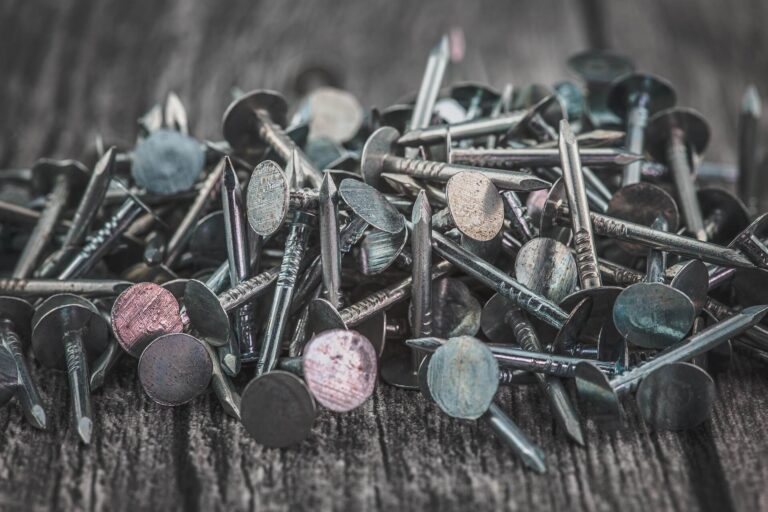
Lead recovery matters for resource conservation and is important for UK businesses that produce lead waste. Lead is used in batteries, cables, solder, shielding, and other products. When lead-bearing materials reach the end of their useful life, recovering the metal can cut waste, save raw materials, and keep resources in use. It also supports responsible scrap management and the circular economy.
Lead recovery helps businesses reuse valuable metal, cut waste, and save finite resources through recycling.
Why Lead Recovery Matters for Resource Conservation
Lead is a finite natural resource. Recovering it from used products can cut the need for new raw materials. Mining and making new lead use energy, land, and industrial work.
The UK waste hierarchy puts recycling above disposal. That makes material recovery a key part of good waste care. Businesses can sort lead-bearing waste and send it to specialist recycling facilities instead of treating it as general waste.
This keeps metal in use and makes better use of what is already available.
How Lead Recovery Supports Resource Conservation
Lead recovery lets businesses take metal from items they no longer need. The recovered lead can then be processed and used again as a secondary raw material.
Separating lead waste from other waste can also help recycling. Good sorting makes it easier to spot the right material and send it for the right treatment.
So recycling can cut the amount of lead waste sent to disposal and keep more material in use.
Where Recovered Lead Comes From
Lead waste can come from many business and industrial activities. Common sources include lead-acid batteries, cable sheathing, roofing materials, pipes, solder, factory offcuts, and old lead products.
Lead is also used in specialist applications, including electrical equipment, shielding systems, and storage batteries. Spotting these materials helps businesses see which waste streams may suit specialist recovery.
Lead-bearing materials should not be put in general waste by default. Businesses should sort and manage waste the right way before collection and recycling.
The Lead Recovery Process
The exact recycling process depends on the type and condition of the lead waste. Materials are usually collected and checked before treatment starts.
Lead waste may be sorted to separate recyclable metal from other material. More processing can then recover lead for use as a secondary raw material.
Battery waste needs extra care because lead-acid batteries can hold hazardous substances. Businesses should make sure waste is classed right and use the right waste handling.
The Environment Agency gives guidance on waste classes and the rules that apply when waste is collected, recovered, or disposed of.
Reducing the Need for Virgin Raw Materials
A key benefit of lead recycling is that it can cut demand for new resources. When recovered lead goes back into making goods, businesses can use more of what they already have instead of relying only on newly mined material.
Recycling does not replace new metal production. But it can give an extra source of usable material. This supports better resource use and keeps more metal in the supply chain.
For businesses that manage lead scrap, recovery can be part of a wider plan to cut waste and improve material use.
Lead Recovery and the Circular Economy
The circular economy aims to keep products and materials in use for as long as possible while cutting waste. Lead recovery supports this by giving suitable lead waste a chance to re-enter use.
When a product reaches end of life, its lead does not have to become final waste. Suitable material can be recovered, processed, and used again.
Businesses that sort lead scrap well can help improve resource management and material recovery.
For suitable lead-bearing materials, lead recycling provides a route into specialist recycling streams.
Why Businesses Should Manage Lead Waste Carefully
Lead needs careful handling because exposure to lead and lead compounds can pose health and environmental risks. Businesses should not treat lead waste as ordinary general waste.
Waste should be identified, stored well, and sent to an authorised organisation when needed. The GOV.UK waste duty of care guide explains that businesses must manage waste safely and correctly.
Businesses can also review GOV.UK waste hierarchy guidance when they build waste plans.
How Businesses Can Improve Lead Recovery
Good lead recovery starts with spotting where lead waste is made. Businesses can check production areas, repair work, storage areas, and old equipment to find lead-bearing material.
Keeping recyclable metals apart can improve material recovery and cut pollution. Good sorting also makes waste easier to class and manage.
Businesses should keep proper records and use the right waste class and codes. The Environment Agency gives guidance to help businesses decide how different waste types should be classed.
Using a specialist recycling provider can also support the right collection, handling, and recovery.
Supporting Better Resource Management
Lead recovery is not just a disposal choice. It gives businesses a way to keep valuable metal and use finite resources better.
By recovering suitable lead waste, UK businesses can cut needless disposal, improve scrap management, and support a more circular use of raw materials. Lead recycling also helps businesses make good use of materials already in the supply chain.
For businesses that generate lead scrap, responsible recovery can turn an unwanted waste stream into a useful secondary material.
Understanding why lead recovery matters for resource conservation can help businesses make better choices about lead waste. Recovering suitable lead keeps valuable metal in use, cuts reliance on new resources, and supports circular economy goals.
With the right waste classes, careful sorting, and good recycling options, businesses can manage lead waste well while making better use of what they already have.