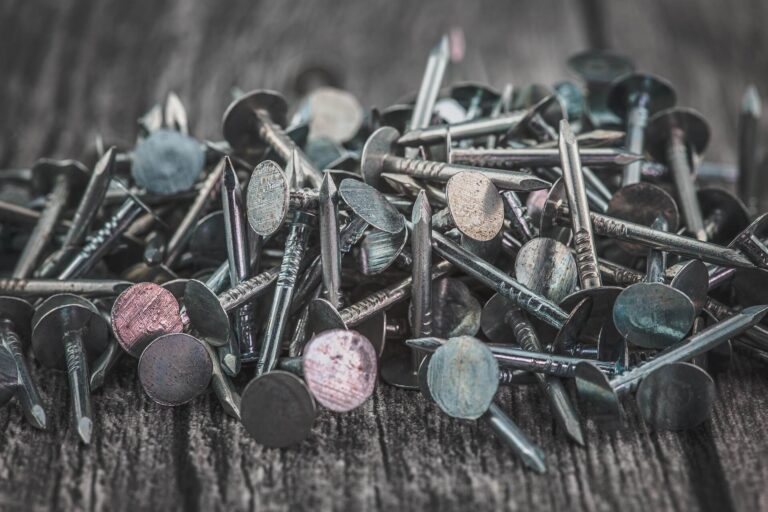
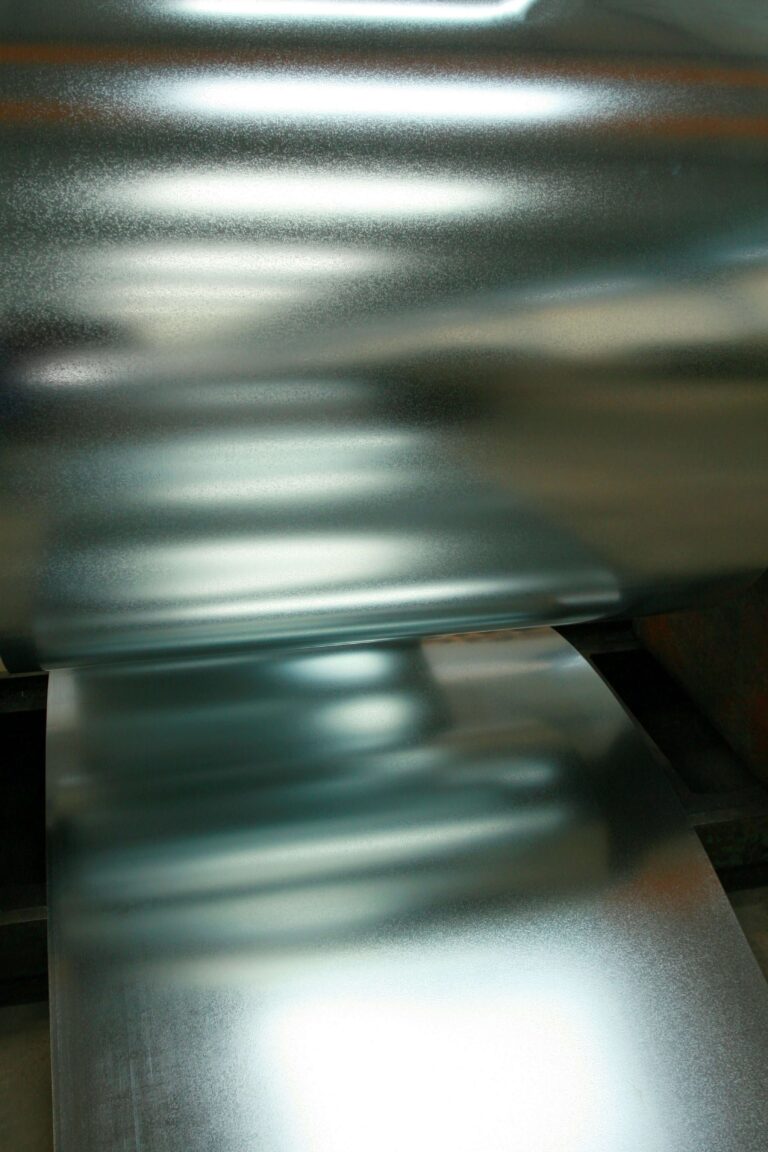
Businesses can reduce zinc waste by planning better, reusing offcuts, and sorting scrap for zinc recycling. Better planning lowers losses, cuts costs, and saves raw materials.
By preventing dirt and working with professional metal recyclers, companies can recover usable zinc, support supply chains, and improve waste management.
Who Zinc Waste Reduction Matters For
Reducing zinc waste matters for manufacturers, metal fabricators, construction firms, and other users of zinc. This metal is used in:
Galvanised steel
Protective coatings
Alloys
Roofing
Industrial parts
Cutting, shaping, and processing zinc can create offcuts and scrap. If waste is not managed well, costs rise and useful material is lost. Dirty or mixed scrap is also harder to recover.
Good planning, careful handling, and the right recycling service help businesses reduce waste, recover metal, and support greener manufacturing.
Why Reducing Zinc Waste Matters
Zinc protects steel from corrosion and helps make strong products. But making and moving this raw material uses resources, energy, and equipment.
When businesses throw away reusable zinc or mix recyclable scrap with general waste, they lose value and pay more for handling and disposal. Avoiding these losses helps companies get more from the materials they buy.
Better waste control also supports supply chains. Good scrap can go back into production, which lowers the need for newly mined zinc.
For manufacturers that want to use resources well, zinc waste cuts can be part of a wider green plan. Better material use, lower production losses, and the right recycling steps help businesses improve efficiency while managing impact.
1. Improve Material Planning and Purchasing
One practical way businesses can reduce zinc waste is by improving how they buy and use materials. Extra stock, poor measurements, and weak planning all create avoidable waste.
Before ordering zinc sheets, parts, or other materials, businesses should review production needs and forecast demand. Accurate buying helps stop unnecessary stock buildup and lowers the risk of damage or obsolescence.
Manufacturers should also choose the right sheet sizes and part sizes to cut offcuts. For example, a fabrication company can review cutting plans to see how many parts it can make from each zinc sheet.
Using materials more efficiently significantly reduces avoidable losses and helps control buying costs.
Regular stock checks matter too. Businesses should use existing stock before placing new orders and store materials so staff can find them quickly.
Better planning lets companies buy only what they need and make the most of every delivery.
2. Improve Production Processes
Manufacturing work can create zinc waste through poor cutting, faulty parts, damaged coatings, and production errors. Reviewing these steps helps businesses see where losses happen.
Regular machine care can prevent defects caused by worn tools, wrong settings, and poor maintenance. Employees should check equipment before work starts and follow set steps.
Where suitable, design and cutting software can improve layouts and reduce offcuts. These tools help manufacturers plan work more accurately and use more of each sheet or part.
Quality control also matters. Finding defects early avoids repeat mistakes and cuts the amount of material rejected at the end of a run.
Businesses should look into repeat problems instead of treating scrap as a fixed cost. Reviewing production data can show ways to improve cut accuracy, equipment performance, and manufacturing methods.
These changes help businesses reduce waste while using labour, machines, and raw materials more effectively.
3. Separate Zinc Scrap from Other Materials
Good waste sorting is key to zinc recycling. When you mix zinc scrap with other metals, general waste, oils, or chemicals, sorting and recovery become harder.
Businesses should use clearly labelled bins for different scrap types. Sort zinc offcuts, zinc alloy parts, galvanised steel, and mixed-metal items properly instead of combining them.
These materials have different makeups and may need different recycling methods. Galvanised steel, for example, is mainly steel with a zinc coat. Do not treat it the same as fairly pure zinc scrap.
Employees need clear instructions on where each material goes. Labels near workstations and storage areas can reduce sorting mistakes and keep scrap clean.
Where the makeup of a material is unclear, businesses should ask a recycling specialist before mixing different scrap streams.
Good sorting protects material quality and helps recyclers choose the best recovery route. It also makes waste storage and collection more organised.
4. Reuse Suitable Zinc Offcuts
We can reuse some zinc offcuts instead of sending them straight for recycling. This depends on their size, condition, makeup, and intended use.
Manufacturers should check if they can use leftover materials in future production tasks. You can use suitable pieces for smaller parts, samples, or other jobs if they meet the needed specs.
A labelled storage system helps employees spot reusable materials by size, thickness, and type. This reduces the likelihood of throwing away useful offcuts because they are hard to find.
Businesses must check material quality before reuse. Offcuts that are dirty, damaged, or not fit for a given job should not go back into production without review.
Reusing suitable zinc lowers the need for new material and can improve production efficiency. You should check any scrap that cannot be reused for the right recycling route.
5. Prevent Dirt During Storage
The way businesses store zinc scrap affects its quality and fit for recycling. Poor handling can add dirt, oils, chemicals, and other materials that make recovery harder.
Businesses should use suitable bins and storage areas to keep scrap types apart. You should protect zinc waste from rain and other sources of dirt when necessary.
Employees should follow clear steps when moving scrap from production areas to storage points. Regular checks can spot overfull bins, mixed materials, and wrong sorting before these issues grow.
Companies should also consider how they handle scrap during loading and collection. Careful handling helps prevent material loss and keeps recyclable waste organised.
Businesses should verify the content and waste classification of zinc scrap for any hazardous substances before scheduling its collection. The right storage and handling steps depend on the material and the substances present.
Clean, well-organised storage makes zinc recycling easier to arrange and helps businesses retain the value of usable materials.
6. Train Employees to Reduce Zinc Waste
Employees play a significant role in how much waste a business creates. Even efficient production systems can produce extra scrap when staff lack clear instructions or training.
Businesses should train employees in:
Careful material handling
Cut efficiency
Machine use
Waste sorting
Safe storage
Identifying reusable offcuts
Placing different scrap types in the correct areas
Training should match each role. Fabrication teams may need help with cutting losses, while warehouse staff may need guidance on stock rotation and storage.
Managers should ask employees to report repeat defects, damaged materials, and ways to improve production methods.
Tracking the amount of zinc bought and the amount of scrap created can help companies measure progress. Regular reviews also indicate where more training or process changes may be needed.
When workers know zinc’s worth, cutting waste becomes a joint effort, not a solo task.
7. Arrange Professional Zinc Recycling
Even when businesses improve production and reuse materials, some zinc scrap will remain. Working with a suitable metal recycling specialist helps companies manage this waste in the right way.
A recycling provider can explain which zinc materials it accepts, how to sort scrap, and what preparation is needed before collection.
This guidance is useful for businesses handling zinc alloys, manufacturing offcuts, galvanised materials, and mixed-metal parts. Correct sorting helps set up suitable collection and recovery plans.
Before moving waste, businesses should check collection requirements and ensure carriers and sites have necessary permits.
For businesses in England, the official GOV.UK guidance on business and commercial waste explains key duties when arranging waste disposal and recovery. Businesses elsewhere in the UK should check the relevant national regulator.
Professional recycling services help recover value from suitable scrap, reduce avoidable disposal, and support better material management across supply chains.
8. Monitor Waste and Measure Progress
Businesses need to know where material losses happen before they can make real gains. Recording zinc purchases, production use, and scrap amounts gives a useful start.
Where practical, companies should separate:
Reusable offcuts
Recyclable scrap
Defective parts
Materials that need specialist handling
Regular reviews can show changes in waste levels. More scrap may point to machine problems, poor cutting, damaged stock, or rough handling.
Businesses can compare results across production lines to see which processes need attention. They can then set realistic targets for reducing losses and improving recycling rates.
Monitoring should look at more than the amount of scrap collected. Companies should also ask whether they are preventing waste, reusing suitable materials, and keeping scrap clean.
Tracking these measures helps businesses make informed decisions and judge whether their waste reduction steps are working.
Businesses can reduce zinc waste by improving material planning, better production, separating scrap, reusing suitable offcuts, and preventing dirt and mix-ups. Employee training and regular tracking help maintain these gains.
Professional zinc recycling gives a good route for scrap that cannot be reused directly. By combining prevention, reuse, and recycling, companies can save resources, control avoidable costs, and support more sustainable manufacturing.