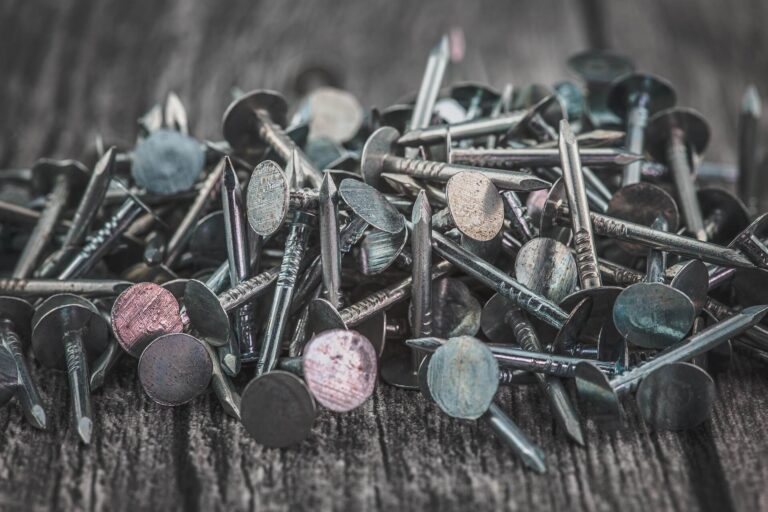
Businesses can recycle zinc offcuts, galvanised steel, alloy components, and certain industrial residues. Proper sorting supports efficient metal recovery.
Why Is Zinc Waste Valuable?
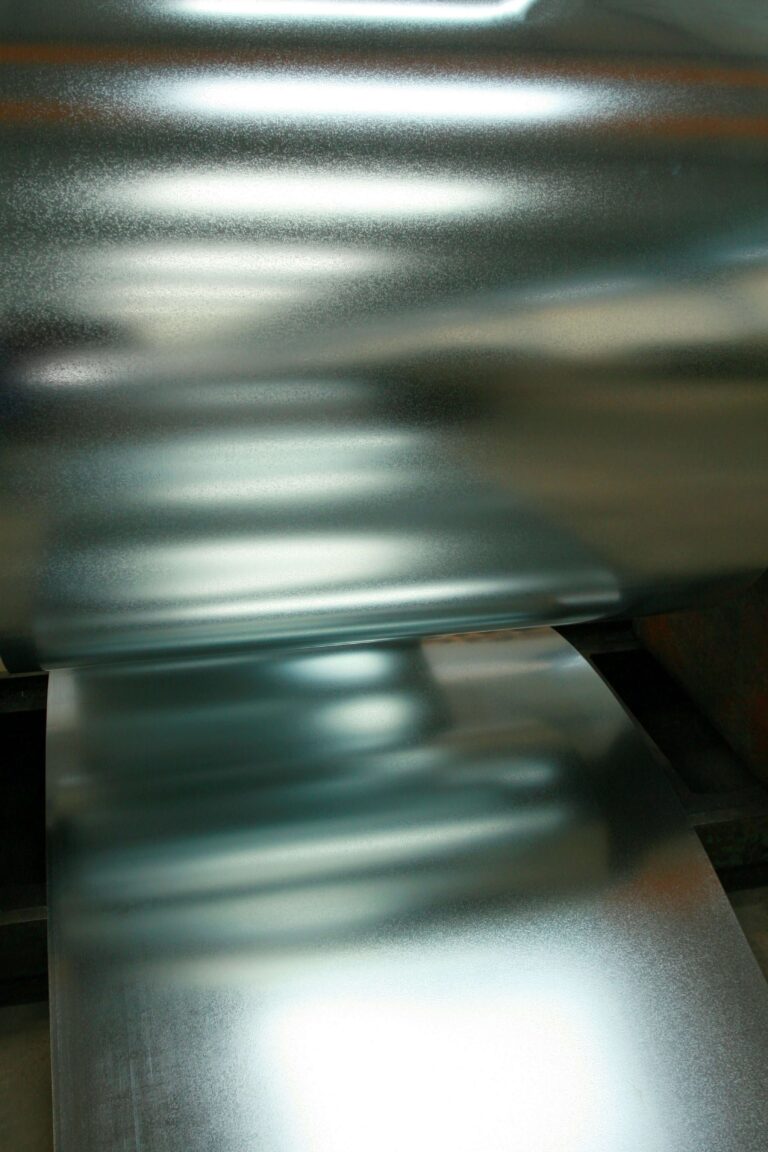
Zinc metal is widely used in construction, engineering, manufacturing and industrial equipment. Its corrosion resistance makes it useful for protecting steel and producing durable components.
However, manufacturing and maintenance activities can generate zinc waste, including unused materials, rejected components, and machining residues. Recycling suitable scrap allows businesses to recover valuable resources instead of sending recyclable materials for disposal.
The recycling route depends on the waste type, composition, and condition. Clean zinc scrap is generally easier to process than mixed or contaminated materials.
What Types of Zinc Waste Can Businesses Recycle?
1. Zinc Sheet Offcuts and Scrap
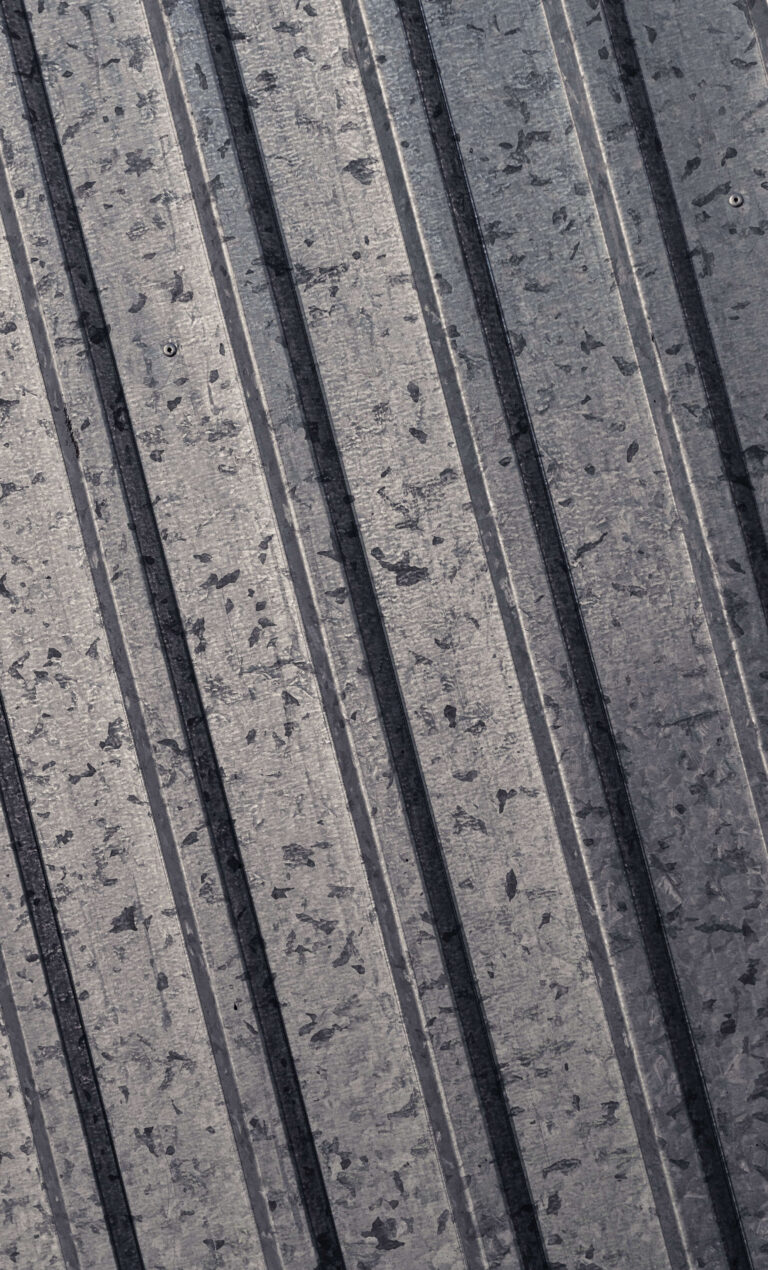
Zinc sheet is used in roofing, cladding, architectural features, and manufacturing. Cutting and shaping these products often leaves offcuts that are too small or unsuitable for further production.
Businesses can collect clean zinc sheet offcuts separately for assessment by a metal recycler. Damaged sheets and surplus zinc materials may also be suitable for recovery, depending on their condition and composition.
Keeping these materials separate from plastic, wood and other metals helps reduce contamination. It also makes the scrap easier to identify during collection.
2. Galvanised Steel Waste
Galvanised steel has a protective zinc coating that helps prevent corrosion. It is commonly found in construction materials, fencing, brackets, structural components, and industrial equipment.
Although galvanised steel contains zinc, it is primarily a steel product. Steel is a ferrous metal, meaning it contains iron. Its zinc coating must be considered when selecting the appropriate recycling process.
Damaged galvanised components and fabrication offcuts can often enter suitable metal recycling routes. Businesses should separate them from clean zinc scrap so the receiving facility can identify and process each material correctly.
3. Zinc Die-Cast Components
Zinc alloys are used to manufacture precision components for engineering, automotive applications, machinery and consumer products.
Production can generate rejected castings, defective parts and damaged components. These items may contain recoverable zinc and other metals.
Businesses can collect suitable zinc alloy scrap for assessment by a specialist recycler. Separating it from aluminium, brass, steel and plastic components helps improve material identification.
The alloy composition matters because different zinc grades may require different processing methods. Businesses should confirm the material type where possible before arranging collection.
4. Zinc Machining Swarf and Turnings
Machining operations produce swarf and metal turnings when components are drilled, milled, or shaped. These residues can accumulate quickly in busy engineering workshops.
Clean zinc turnings may be suitable for recycling when collected separately. However, swarf contaminated with lubricants, cutting fluids or other substances needs additional assessment before acceptance.
Businesses should store machining waste in suitable containers and follow the recycler’s handling instructions. Fine particles and dusty residues may require additional precautions to prevent exposure and material loss.
Separating zinc residues from other metals also makes it easier to identify suitable recycling options.
5. Zinc Ash, Dross and Galvanising Residues
Galvanising and metal processing can generate zinc-bearing residues, including zinc ash, dross and hard zinc. These materials may contain recoverable metal, but their composition differs from ordinary solid scrap.
Specialist recycling facilities may be able to recover zinc from certain industrial residues. Acceptance depends on the material’s properties, contamination, and available processing methods.
Businesses should not assume that every residue is suitable for standard scrap collection. Dusts, ash and process waste may require specialist handling and waste classification.
Keep these materials separate from clean zinc scrap and seek advice from an appropriate recycling provider before arranging collection.
6. Redundant Zinc Components
Businesses may generate zinc waste when replacing equipment, dismantling structures or clearing manufacturing facilities.
Examples include obsolete fittings, damaged castings, unwanted zinc components and redundant architectural products. Where the material contains identifiable zinc or zinc alloys, recycling may be possible.
Products containing rubber, plastics, electronics or several different metals may need further assessment or separation before recovery.
Identifying these materials early helps businesses avoid mixing recyclable metals with general waste.
How Can Businesses Prepare Zinc Waste for Recycling?
Effective waste management starts with identifying each material and separating different waste streams. Where practical, keep clean zinc scrap separate from galvanised steel, mixed alloys, machining residues, and industrial process waste.
Remove non-metallic attachments only when this can be done safely and appropriately. Do not burn coatings or use unapproved chemical treatments to prepare scrap.
Store materials in suitable containers and prevent contamination from oils, chemicals and general rubbish. Follow the receiving facility’s requirements for storage, transport and collection.
Businesses should also classify their waste correctly before arranging disposal or recovery. The Environment Agency’s waste classification guidance explains how to identify and classify different waste streams in England.
Some zinc-bearing residues may require specialist assessment. Their classification depends on their composition and properties, so businesses should not assume that all zinc waste has the same status.
What Are the Benefits of Zinc Recycling?
When businesses recycle zinc, they can recover valuable materials and reduce the amount of suitable scrap sent for disposal.
Recycling also supports resource efficiency by returning recovered metals to manufacturing. This can reduce demand for newly extracted raw materials, although the environmental benefits depend on the material and processing route.
Separating zinc waste at the source can improve storage, simplify collection, and help businesses identify recurring production waste.
Professional recycling services can help businesses assess suitable materials and establish appropriate recovery arrangements. The correct solution depends on the type, quantity, and condition of the zinc waste.
Arrange Zinc Waste Recycling
Zinc sheet offcuts, galvanised steel, zinc alloy components, machining turnings and certain industrial residues may all offer recycling opportunities.
Businesses should identify their waste streams, keep materials separate and confirm the appropriate handling requirements before collection.