Zinc waste management helps UK businesses reduce waste, recover valuable metals and support responsible manufacturing through safe handling and recycling.
What Is Zinc Waste Management?
Zinc waste management for UK businesses involves collecting, sorting, storing, recycling, and disposing of zinc-containing materials responsibly. Manufacturers, construction companies, engineering firms and metal processors can use effective waste management practices to recover valuable materials and reduce unnecessary disposal.
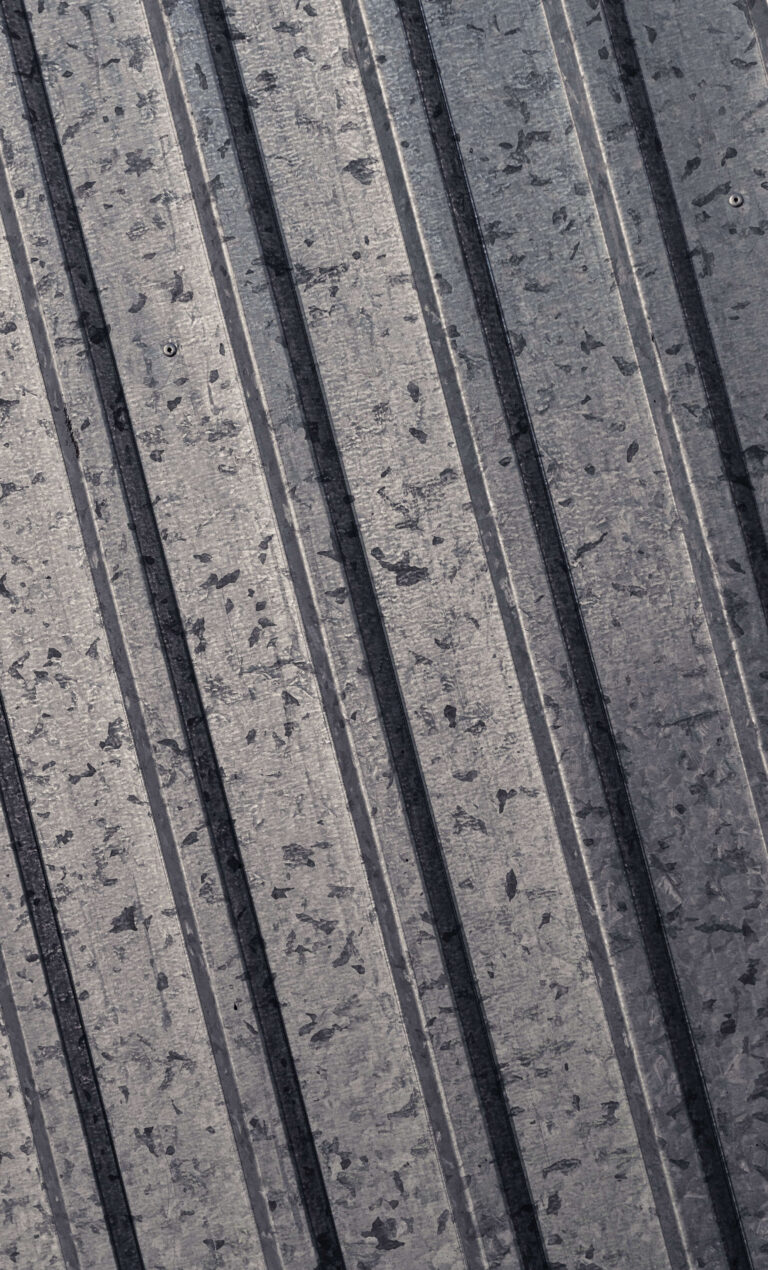
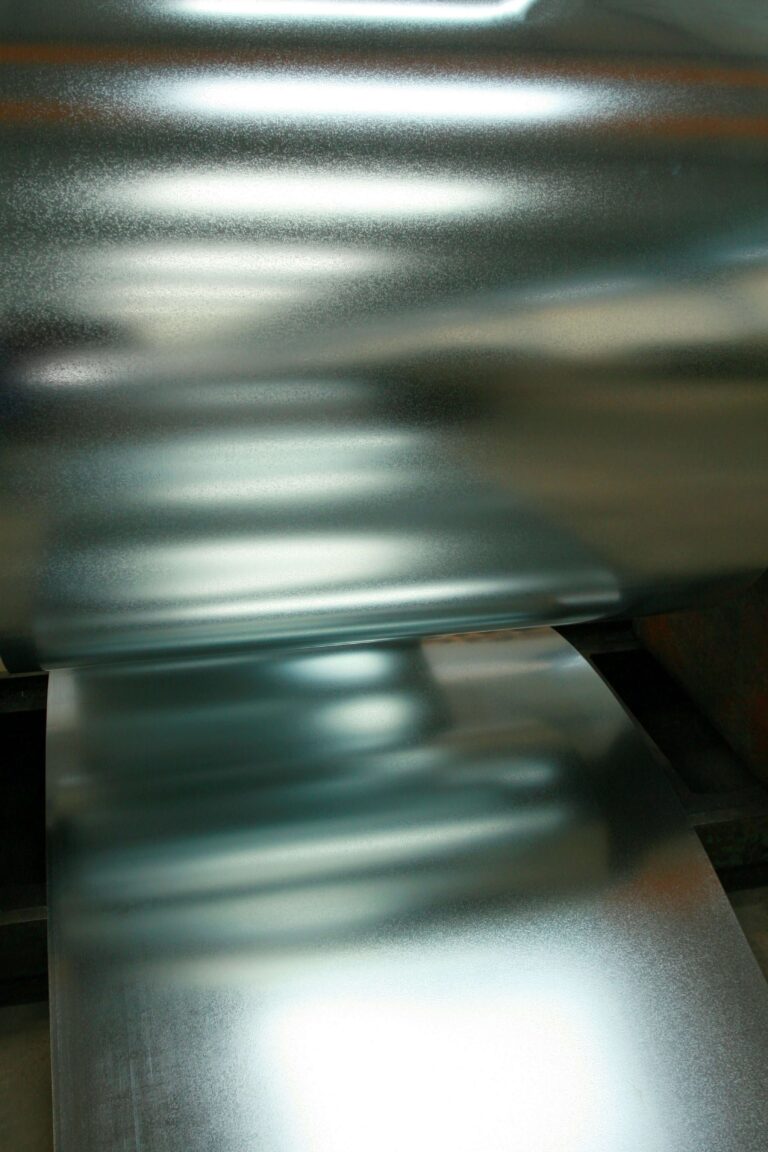
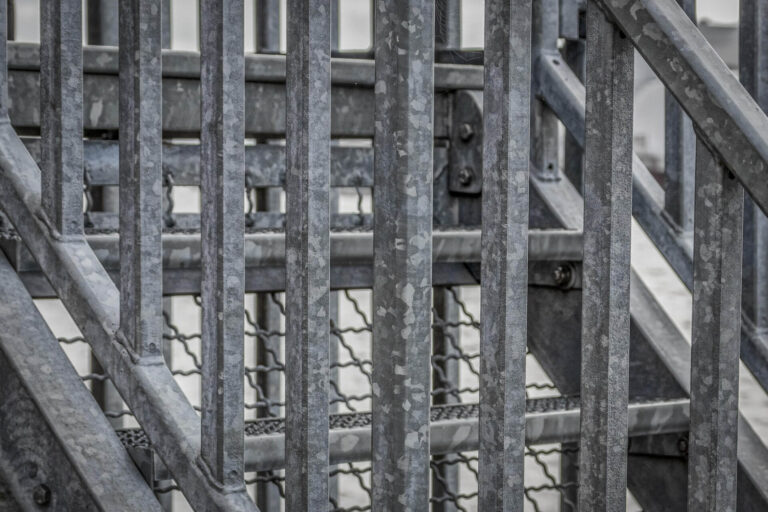
Zinc is widely used because it resists corrosion and improves the durability of other metals. Common applications include galvanised steel, roofing materials, protective coatings, die-cast components and industrial products.
Manufacturing and maintenance activities can generate zinc scrap, metal offcuts, machining residues and unwanted components. Separating these materials from general waste helps businesses identify suitable recycling opportunities and improve resource efficiency.
Common Sources of Zinc Waste in UK Businesses
Understanding where zinc waste comes from helps businesses introduce better collection and recycling procedures.
Manufacturing and Metal Processing
Manufacturing facilities can produce zinc offcuts, rejected components, defective castings and machining residues. Collecting these materials separately makes it easier to assess their suitability for zinc recycling.
Keeping clean zinc scrap away from mixed metals, oils and other contaminants can improve recovery opportunities. Businesses should also review production processes to identify avoidable material losses.
Construction and Demolition
Construction and refurbishment projects may generate zinc roofing, guttering, cladding and galvanised steel. Contractors should identify these materials during removal and separate recyclable items where practical.
Some components contain several metals, coatings or attached materials. Their composition should be assessed before selecting an appropriate recycling route.
Galvanising and Surface Treatment
Galvanising protects steel from corrosion by applying a zinc coating. Related industrial processes can generate zinc-bearing residues, dross and other by-products.
These materials should not automatically be treated as ordinary scrap metal. Their composition and contamination levels determine the appropriate handling, classification and recovery arrangements.
Why Zinc Waste Management Matters
Effective waste management provides environmental and operational benefits for UK businesses.
Resource conservation: Zinc recycling reduces the need for newly extracted raw materials when recovered metal replaces primary zinc in manufacturing. This supports more efficient material use.
Cost control: Separating recyclable zinc scrap from general waste can reduce disposal volumes. Financial benefits depend on material quality, quantity, transport requirements and market prices.
Environmental protection: Poorly managed industrial residues can contaminate surrounding materials and potentially harm soil or water. Suitable storage and handling help prevent spills and uncontrolled releases.
Operational efficiency: Monitoring waste generation helps businesses identify production losses, improve processes and make better use of purchased materials.
How to Improve Zinc Waste Management
Businesses can improve their procedures by introducing consistent practices throughout production, storage and collection.
Identify and Separate Zinc Waste
Identify the zinc-containing materials produced by each department. Separate clean zinc scrap from general waste, mixed metals and materials requiring specialist assessment.
Avoid mixing recyclable materials with oils, chemicals, plastics or other contaminants. Contamination can limit recycling options and increase processing requirements.
Store Materials Safely
Use suitable, clearly labelled containers in designated storage areas. Protect zinc waste from contamination, unauthorised access and conditions that could cause spills or uncontrolled releases.
Zinc dust, fine residues and potentially hazardous materials may require additional controls. Assess the risks associated with each waste stream and follow appropriate workplace safety procedures.
Check Waste Classification
Do not assume every zinc-containing waste stream is non-hazardous. Classification depends on the material’s composition, contaminants and relevant hazardous properties.
Consult the applicable waste classification technical guidance and seek competent advice when necessary. Correct classification helps determine suitable storage, transport, documentation and treatment requirements.
Arrange Authorised Collection
Choose a waste contractor or metal recycler capable of handling your specific zinc waste. Check that relevant carrier registrations and receiving facility permits or exemptions cover the proposed activities and materials.
Provide an accurate description of the waste, including its quantity, composition and known contamination. Suitable zinc scrap can then be directed towards an appropriate recovery facility.
Maintain Accurate Records
Keep appropriate waste transfer documentation, collection records and evidence of contractor checks. Hazardous waste movements may involve additional documentation requirements.
Review records regularly to understand how much zinc waste your business produces, how much is recovered and where further improvements are possible.
UK Waste Regulations and Business Responsibilities
Businesses must manage waste according to the legislation applicable to their location and activities.
In England and Wales, the waste duty of care requires businesses to take reasonable steps to prevent waste from causing harm, prevent its escape and transfer it only to authorised persons. Waste must also be accurately described when transferred.
Requirements differ across England, Wales, Scotland and Northern Ireland. Businesses operating at multiple sites should check the rules applicable to each location.
Additional requirements may apply when zinc waste is classified as hazardous. These can affect storage, transportation, documentation and treatment. Businesses should establish the correct classification before arranging collection.
Read the official GOV.UK hazardous waste guidance for further information. Seek specialist advice when the classification or legal requirements are uncertain.
Choosing a Zinc Recycling Partner
Choosing an appropriate recycling partner is an important part of effective zinc waste management. Look for a provider that understands industrial metal waste and can explain its collection and recovery processes clearly.
Ask whether the provider accepts your particular zinc-containing materials, including offcuts, castings, galvanised components and production residues. Confirm collection arrangements, documentation requirements and any preparation needed before removal.
Discuss material quantities and collection frequency to find a suitable arrangement. Regular collections may suit businesses producing consistent volumes, while occasional collections may work better for smaller or irregular waste streams.
A reliable recycling partner should explain any material restrictions and provide the information needed to support your waste records.
Zinc waste management helps UK businesses control production waste, recover valuable metals and improve resource efficiency. By separating materials, storing them safely, checking waste classifications and choosing suitable recycling partners, businesses can manage zinc scrap responsibly.
Regular reviews help identify avoidable losses and ensure that zinc-containing materials are directed towards appropriate recycling or disposal routes.