Businesses can cut solar equipment waste through careful buying, regular care, reuse, and responsible recycling. These steps help recover valuable materials, reduce needless disposal, and support renewable energy.
Why Businesses Should Reduce Solar Equipment Waste
Understanding how businesses can reduce solar equipment waste matters as commercial solar installations grow. Solar panels, inverters, cables, and mounting parts can all create waste during installation, care, and replacement.
Although solar energy helps cut fossil fuel use, solar equipment still needs raw materials, manufacturing, and transport. Throwing away working parts too soon wastes resources and raises the need for replacements.
Businesses can go greener by extending equipment life, avoiding damage, and choosing the right recycling options. These steps can also help control buying costs and improve waste management.
1. Choose Durable Solar Equipment
Reducing waste starts with buying choices. Businesses should compare product quality, expected life, warranties, repair options, and manufacturer support before buying solar equipment.
Manufacturers and installation contractors can help businesses select parts that fit the system and meet working needs. Good equipment and correct installation can reduce early failures and fewer replacements.
Businesses should also think about spare parts and technical support. Equipment that is easy to repair can stay useful longer, which lowers electrical waste over the system’s life.
2. Maintain Solar Panels and Inverters
Regular care helps stop small faults from becoming costly failures. Businesses should arrange suitable inspections, watch system performance, and fix problems when they appear.
Checks can spot damaged cables, loose connections, corrosion, inverter faults, and mounting issues. Solar panels should be cleaned when needed, following manufacturer guidance and safe work steps.
Watching power output can also show sudden changes that need review. Early action may prevent more damage and extend the life of existing equipment.
3. Repair Equipment Before Replacing It
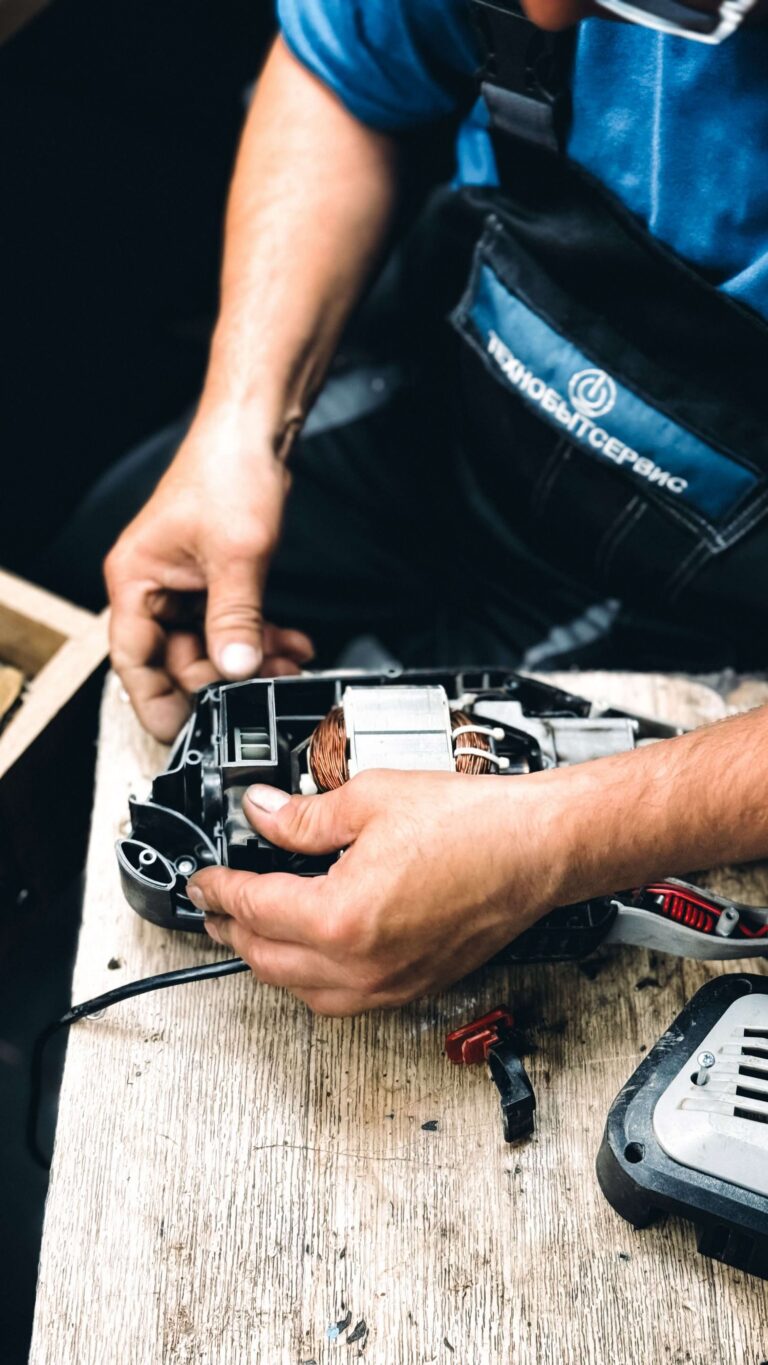
Faulty equipment does not always need to be thrown away. A qualified technician may be able to repair a solar inverter, replace a damaged part, or bring a system back to safe working order.
Before buying replacement equipment, businesses should compare repair costs, expected remaining life, efficiency, and warranty needs. Repairs work best when they offer a reliable fix without putting safety at risk.
If equipment cannot be repaired at a fair cost, businesses should check whether it can be reused elsewhere or sent for specialist recycling. This approach helps keep usable parts out of the waste stream needlessly.
4. Prevent Waste During Installation
Solar installation projects can create packaging, cable offcuts, extra mounting materials, and damaged parts. Careful planning can cut these materials before work begins.
Businesses should check measurements, confirm equipment needs, and order the right amounts. Contractors should also handle panels and electrical parts carefully to prevent avoidable breakage.
Separating recyclable packaging, metals, and electrical waste makes collection and recovery easier. Businesses should agree on waste handling roles with contractors before installation starts.
Unused materials should be checked for safe storage and future use rather than thrown away automatically. Accurate buying and organised storage can cut waste across more than one project.
5. Reuse Suitable Solar Equipment
Some equipment removed during upgrades may still work. Businesses should check whether suitable panels, inverters, cables, and mounting parts can be reused in another suitable installation.
Reuse can lower demand for new products and make better use of materials already made. However, equipment should be checked for condition and tested electrically before it is installed elsewhere.
Businesses should keep key product information and confirm it fits the intended system. Items that are damaged, unsafe, or not fit for reuse should be sent to the right recycling or treatment route.
For further information, businesses can review solar panel end-of-life management when planning equipment upgrades and replacements.
6. Arrange Responsible Solar Equipment Recycling
When equipment reaches the end of its useful life, recycling can recover valuable materials and reduce disposal. Solar panels contain glass, aluminium, and other materials whose recovery depends on panel design and the available process.
Specialist solar panel recycling facilities can process suitable panels and recover reusable materials. Electrical equipment, including inverters, may contain copper, aluminium, and electronic parts that need proper treatment.
Businesses should choose suitable waste contractors and confirm that the receiving site can accept the specific equipment. Panels and electrical parts should not be broken apart or placed in general waste without checking the rules that apply.
Solar inverter recycling is especially important when businesses replace faulty or old power conversion equipment. Specialist treatment can help recover materials while making sure electronic parts are handled properly.
In England, businesses can consult the GOV.UK guidance on waste electrical and electronic equipment to understand the rules. Requirements may differ elsewhere in the UK.
7. Handle Batteries and Electrical Waste Safely
Solar installations with battery storage need extra care when equipment is damaged or reaches the end of its service life. Batteries can create fire and environmental risks if stored, moved, or handled badly.
Businesses should follow manufacturer instructions and use trained professionals for inspection, removal, and collection. Manage damaged batteries through suitable specialist arrangements rather than mix them with ordinary waste.
Organisations should also check whether discarded parts need hazardous waste status or specific handling steps. Proper waste management helps protect workers, the public, and the environment.
8. Measure and Reduce PV Waste
Businesses can improve their approach by recording the types and amounts of PV waste created during installation, care, and replacement.
Reviewing these records can show repeat equipment failures, too much buying, and reuse opportunities. Organisations can then set realistic targets for cutting waste, extending equipment life, and improving recycling rates.
Procurement teams, maintenance staff, and installation contractors should understand their roles. Regular reviews help businesses find practical improvements and track progress toward greener operations.
Businesses can reduce solar equipment waste by selecting durable products, maintaining existing systems, repairing suitable parts, and choosing reuse. When equipment can no longer serve a useful purpose, responsible recycling helps recover materials and reduce needless disposal.
Putting these steps into buying, installation, and maintenance work supports better resource use and a cleaner renewable energy industry.