Electric motor recycling recovers useful metals, cuts waste, and saves resources. It also helps businesses manage unwanted equipment in a safe, responsible way.
Understanding why old electric motors should be recycled helps businesses make better choices about machinery and waste. Electric motors are used in factories, workshops, pumps, ventilation systems, and manufacturing lines. When they are damaged or reach the end of their life, recycling is a practical way to recover useful materials.
Rather than sending unwanted motors for disposal, businesses can arrange professional electric motor recycling. This helps save resources, cut waste, and support greener industrial practice.
Recover Valuable Metals from Electric Motors
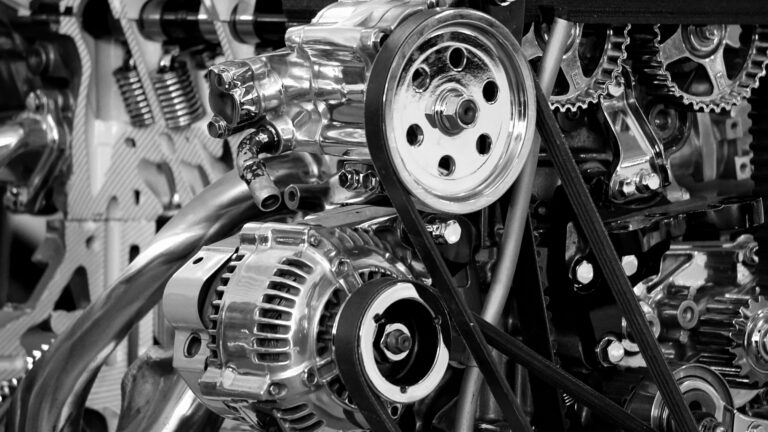
One main reason why old electric motors should be recycled is their metal content. Many electric motors contain copper windings, steel casings, aluminium parts, and other usable materials. The exact mix depends on the motor size, design, and use.
Copper is especially valuable because electricity flows through it so well. Steel and aluminium are also widely used in manufacturing, construction, and engineering. Recovering these metals lets them be used again as raw materials.
Specialist recyclers can take motors apart and separate the parts for recovery. This cuts the amount of useful metal lost through disposal and gives manufacturers materials for new products.
For businesses handling large amounts of scrap motors, recycling is a responsible way to manage unwanted equipment while recovering useful resources.
Reduce Industrial Waste
Old electric motors can take up valuable space in factories, warehouses, and maintenance workshops. When damaged equipment builds up, storage areas become harder to manage and waste handling gets more difficult.
Electric motor recycling helps move suitable materials away from disposal by separating recyclable parts from other waste. Instead of treating the whole motor as useless, recyclers can identify metals and parts that still have value.
Businesses can improve waste management by arranging collections when equipment is replaced or no longer fits the job. Keeping scrap motors separate from general waste also makes handling and collection simpler.
Less unnecessary disposal helps businesses manage waste more efficiently and use industrial resources more responsibly.
Conserve Natural Resources
Making new metals often means mining, refining, and processing raw materials. These tasks use energy and can affect land, water, and nearby ecosystems.
Recycling metals from electric motors keeps existing materials in use. Recovered copper, steel, and aluminium can be processed for new manufacturing jobs, reducing the need for virgin materials when recycled options are suitable.
Recycling does not remove the need for mining, but it does make better use of materials already taken from the earth. This supports resource efficiency and encourages manufacturers to consider recycled materials when they buy supplies.
Businesses that make recycling a priority can help with more responsible material use across their supply chains.
Support the Circular Economy
The circular economy keeps products and materials in use for as long as possible. Repair, reuse, refurbishment, and recycling all support this idea.
When electric motors stop working, they may still contain parts or materials that have value. Some motors can be repaired or refurbished if they are in good enough condition. When reuse is not possible, recycling gives another route for recovering resources.
This helps stop useful materials from becoming avoidable waste. It also encourages businesses to think about the full life of their equipment, from buying and maintenance to replacement and disposal.
Electric motor recycling therefore supports a more efficient use of resources across industrial operations.
Improve Business Waste Management
Businesses may produce scrap motors when they replace machinery, upgrade production lines, or maintain industrial equipment. Without a clear process, unwanted motors can build up and create storage and handling problems.
Using the right recycling provider helps businesses arrange collections and send materials to suitable treatment sites. Keeping accurate waste records can also help organisations track disposal and show responsible handling.
UK businesses should check the waste rules that apply to their equipment. Depending on the motor and the situation, waste electrical and electronic equipment (WEEE) rules may apply.
The GOV.UK guidance on waste electrical and electronic equipment explains the key rules. Businesses should confirm which rules apply to their waste and location.
Reduce the Environmental Impact of Metal Production
Mining and processing virgin metals can need a lot of energy and natural resources. Recovering metals from old electric motors can reduce demand for newly mined materials and may lower the environmental impact linked to producing certain metals.
The benefits depend on the metals recovered, transport distance, processing method, and recycling efficiency. Even so, recycling helps keep useful resources in the manufacturing supply chain instead of throwing them away.
Businesses can strengthen their environmental practices by combining recycling with maintenance, repair, and careful buying decisions.
Choose a Responsible Electric Motor Recycling Service
Choosing a suitable recycling service helps businesses manage unwanted motors safely and efficiently. The first step is to check whether equipment can be repaired, refurbished, or reused before considering material recovery.
Motors that cannot be reused may be taken apart so recyclable metals can be separated. Specialist facilities use the right methods to recover materials and handle parts that need separate treatment.
Businesses should store unwanted motors safely and make sure their chosen provider is authorised to handle the relevant waste, where needed. A steady collection process can also help organisations deal with regular amounts of industrial scrap.
For businesses that replace electric motors often, professional recycling offers a practical way to recover useful materials and improve waste management.
Old electric motors should be recycled because they contain valuable metals that can be recovered and used again. Electric motor recycling helps cut waste, save natural resources, and support the circular economy.
By focusing on suitable reuse and recycling, businesses can manage unwanted equipment more responsibly and make better use of existing materials.