Electric motors contain copper, steel, aluminium and other materials. Identifying these components helps businesses recover valuable metals, reduce waste, and support responsible recycling.
Common materials found in electric motors include copper, steel, aluminium, cast iron and insulating materials. These components work together to help electric motors convert electrical energy into mechanical movement.
Electric motors are used in industrial machinery, pumps, fans, manufacturing equipment and electric vehicles. Their materials vary according to their design, size, and purpose.
When equipment reaches the end of its working life, many of its components can still be useful. Electric motor recycling helps recover valuable metals and reduces the amount of material sent for disposal.
Understanding what an electric motor contains helps businesses identify recycling opportunities and manage unwanted equipment responsibly.
Copper Wires and Motor Windings
Copper is one of the most valuable materials found in many electric motors. It is widely used because it conducts electricity efficiently and can withstand demanding operating conditions.
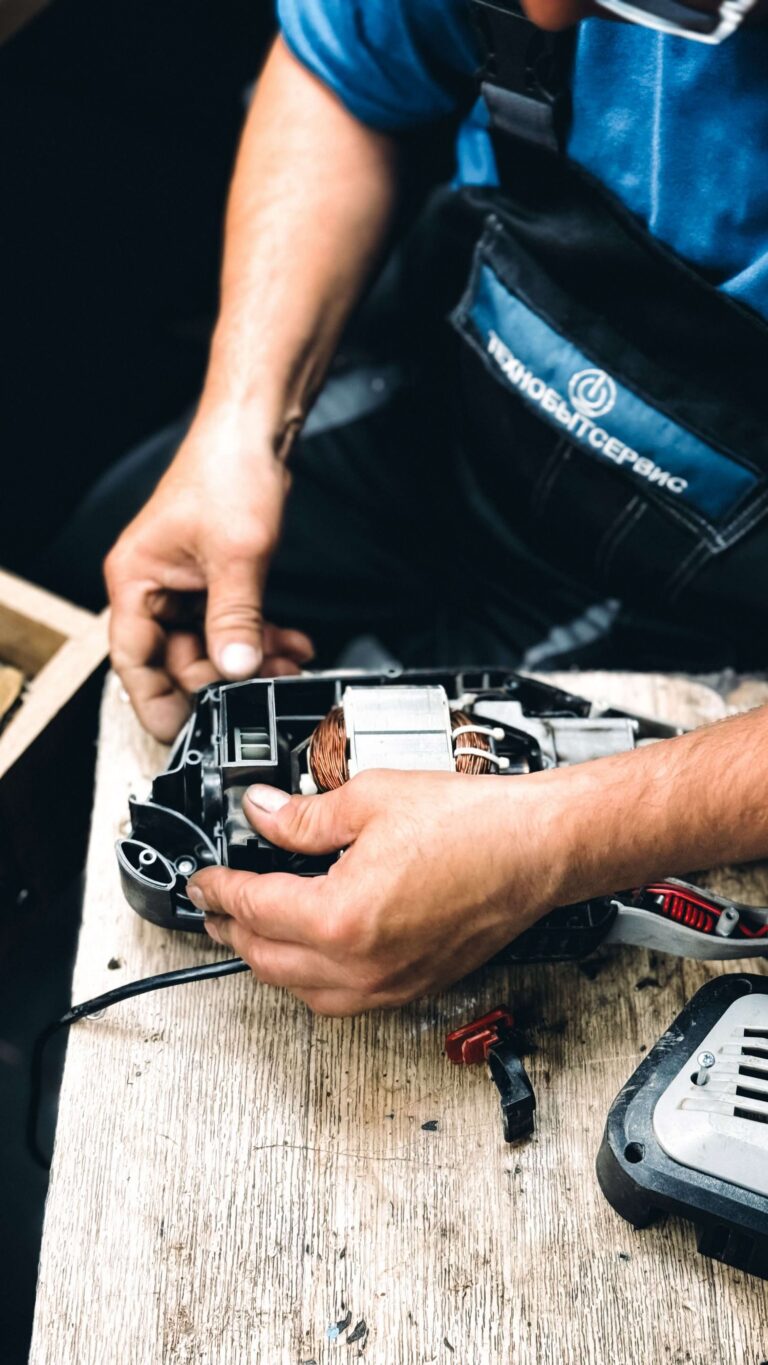
Copper wires are commonly arranged into motor windings inside the stator. The stator is the stationary part of the motor. When electricity passes through the motor windings, they generate a magnetic field that interacts with the rotor.
The rotor is the rotating component that produces mechanical movement. This process allows an electric motor to power machinery, fans, pumps and other equipment.
Copper is particularly important because efficient electrical conduction helps the motor operate as intended. The quantity of copper varies depending on the motor’s size, design and application.
Copper windings are also important during recycling. Once recovered and processed, copper can be used in new electrical products, wiring and industrial components.
Businesses disposing of old motors should consider the value of their copper content. Appropriate separation and processing can help recover this metal and keep it within the manufacturing supply chain.
Steel and Electrical Steel
Steel provides strength and structural support in many electric motors. It can be found in shafts, housings, fasteners and other mechanical components.
Electrical steel has a more specialised role. Manufacturers commonly use it in the stator and rotor cores because of its magnetic properties.
These cores often consist of thin layers of steel stacked together. This construction helps manage energy losses caused by changing magnetic fields and supports efficient motor operation.
Steel components are widely recyclable. Once collected and sorted, they can be processed for use in new steel products and industrial applications.
Separating steel from copper, aluminium and non-metallic materials helps improve the quality of recovered metals. Businesses handling redundant machinery can support this process by keeping motor waste separate from unrelated waste streams.
Aluminium Components
Aluminium is another common material found in electric motors. It is lightweight, corrosion-resistant and a useful conductor of heat and electricity.
Depending on the design, aluminium may be used in motor housings, end covers, cooling components and rotor conductors. Some induction motors use aluminium in their rotor construction instead of copper.
Its low weight makes aluminium suitable for applications where equipment weight matters. It can also support designs that require effective heat management.
Aluminium has strong recycling potential. Recovered aluminium can be processed into new products, helping conserve resources and reduce the need for primary metal production.
For businesses managing old electrical equipment, identifying aluminium components can improve material separation and support more efficient recycling.
Cast Iron and Motor Housings
Cast iron is commonly used in the housings of some larger industrial electric motors. It provides strength, rigidity and durability in demanding working environments.
The housing protects internal components and supports the motor assembly. Cast iron may be selected where a robust structure is required, although other motors use aluminium or steel housings.
Cast iron and steel are both ferrous metals, meaning iron is their main metallic component. However, their composition and properties differ, so recycling facilities may sort them separately.
Recovering cast iron from unwanted motors helps preserve useful resources. It also reduces the amount of metal that would otherwise be discarded.
Businesses should avoid assuming that every heavy motor contains cast iron. The material depends on the manufacturer’s design and the intended application.
Permanent Magnets and Specialised MetalsSome electric motors use permanent magnets to create a magnetic field. These magnets are common in brushless motors and certain electric vehicle drive systems.
Ferrite magnets are used in various applications, while high-performance motors may contain neodymium-iron-boron magnets. These are often known as NdFeB magnets.
NdFeB magnets contain rare earth elements, including neodymium, and may contain other elements depending on their composition. These materials can support strong magnetic performance in compact motor designs.
Recovering permanent magnets can be more complex than processing bulk steel or aluminium. Their location, construction and material composition affect how easily they can be separated.
Specialist recovery processes may help preserve valuable materials for further use. Where magnets are present, suitable handling and processing can improve resource recovery and reduce the loss of materials during recycling.
Plastics and Electrical Insulation
Electric motors also contain non-metallic materials. These include plastics, rubber, resins, varnishes and electrical insulation.
Plastic components may be found in terminal boxes, cooling fans and protective covers. Rubber can be used in seals, while insulation protects motor windings and separates conductive parts where necessary.
These materials help an electric motor operate safely and reliably. Without suitable insulation, electrical faults, overheating and equipment damage may occur.
However, non-metallic materials can be more difficult to recycle than clean metals. Some components contain bonded materials, coatings or mixtures that require additional processing.
Certain plastics may be recoverable when they can be identified and separated. Other materials may need specialist treatment or an alternative disposal route.
Businesses should use an appropriate recycling provider rather than assume every motor component can be recycled through the same process.
Brass, Bearings and Smaller Components
Brass, bearings and other small metal parts can also be present in electric motors.
Brass may be used in terminals, connectors and fittings. Bearings are commonly made from steel or specialised bearing alloys and allow rotating components to move with reduced friction.
Other parts, such as fasteners and retaining rings, may contain different metal grades.
Although these components can represent a small proportion of the total motor weight, separating them may improve material recovery. Bearings that remain in good condition may sometimes be suitable for reuse, while worn or damaged parts may require recycling.
The exact materials depend on the motor’s design, age and intended use. Correct identification helps recycling facilities direct each component towards a suitable recovery process.
Why Material Identification Matters for Electric Motor Recycling
Identifying the materials inside electric motors helps businesses choose an appropriate recycling route. Copper, steel, aluminium and permanent magnets have different properties and may require different separation methods.
Effective sorting can reduce contamination and improve the quality of recovered materials. It also helps recycling facilities identify components that may need specialist treatment.
Recycling supports resource conservation by keeping useful metals in circulation. Recovering existing materials can reduce demand for newly extracted raw materials and support more responsible manufacturing.
Businesses should assess whether unwanted motors can be repaired, refurbished or reused before arranging recycling. When equipment is no longer suitable for use, an appropriate recycling provider can advise on collection, handling and material recovery.
Motors should be disconnected safely before removal. Businesses must also follow applicable waste management requirements and use suitable arrangements for transporting and processing electrical equipment.
Managing Old Electric Motors Responsibly
A practical approach starts with identifying redundant motors and assessing their condition. Equipment that remains functional may be suitable for repair or reuse, while damaged or obsolete units may require recycling.
Businesses should store unwanted motors securely and protect them from unnecessary damage. Keeping them separate from general waste can make collection and processing easier.
A suitable recycling provider can assess the equipment and determine the appropriate recovery route. For companies with multiple motors, planned collections can help manage storage space and reduce unnecessary handling.
For further information, visit our page on electric motor recycling to learn how unwanted motors can be managed and valuable metals recovered.
Electric motors contain several useful materials, including copper, steel, aluminium, cast iron and, in some designs, permanent magnets. Plastics, brass, bearings and insulation also contribute to their construction.
Understanding these materials helps businesses manage redundant equipment more effectively. Repair and reuse should be considered where practical, while suitable recycling can recover metals and reduce waste when motors reach the end of their working life.