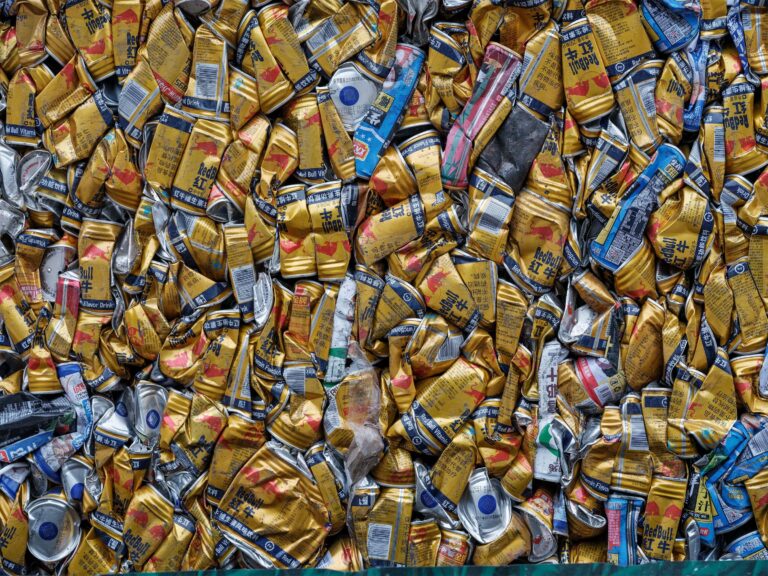
Manufacturing uses millions of tonnes of metal every year. Steel, aluminium, copper and other metals support vehicle production, construction, machinery and electronics.
How Much Metal Is Used in Manufacturing Each Year?
The manufacturing industry depends on a large supply of metals every year. Steel, aluminium, copper, zinc and other materials are essential for producing vehicles, machinery, electrical equipment, construction products and everyday goods.
However, there is no single figure showing exactly how much metal manufacturing uses worldwide. Different industries consume different materials, and global statistics often combine manufacturing with construction, infrastructure and other applications.
Looking at individual metals provides a clearer picture of annual demand. Global metal production and consumption figures also help explain how much pressure manufacturing places on natural resources and supply chains.
Global Metal Production and Consumption Statistics
Steel accounts for the largest share of metal use by weight. Other metals, including aluminium and copper, are also essential because of their strength, conductivity and other useful properties.
According to the World Steel Association, global crude steel production reached approximately 1,885 million tonnes in 2024. Apparent steel use, which measures finished steel products entering the market, reached approximately 1,742 million tonnes.
The following figures illustrate the scale of global metal production and demand.
Steel: Global crude steel production reached approximately 1,885 million tonnes in 2024. Steel is widely used in vehicle manufacturing, machinery, industrial equipment, buildings and infrastructure.
Iron ore: Global iron ore production reached approximately 2,500 million tonnes in 2024. Iron ore is a primary raw material used to produce iron and steel. Australia accounted for around 930 million tonnes of this production.
Aluminium: Global primary aluminium production reached approximately 72 million tonnes in 2024. Manufacturers use aluminium in vehicles, aircraft, electrical equipment, packaging and construction products. Global demand for primary aluminium was estimated at 71.4 million tonnes.
Copper: Global copper mine production reached approximately 22.9 million tonnes in 2024. Refined copper production, including secondary material, reached approximately 27.5 million tonnes. Copper is essential for electrical wiring, motors, electronics and power networks.
Rare earth metals: Global rare earth mine production reached an estimated 390,000 tonnes in 2024, measured as rare earth oxide equivalent. These materials are important for permanent magnets, electronics, electric vehicles and renewable energy equipment.
Mineral Commodity Summaries 2025
These figures cover different stages of the metal supply chain. They should not be added together as a single manufacturing consumption total.
Which Manufacturing Industries Use the Most Metal?
Different industries require different quantities and types of metal. Some depend heavily on steel, while others need aluminium, copper and specialist alloys.
Automotive Manufacturing
The automotive industry is a major consumer of industrial metals. Cars, vans, lorries and commercial vehicles contain steel, aluminium, copper and other metal components.
Steel is commonly used in vehicle frames, body panels, suspension systems and structural components. Aluminium helps reduce vehicle weight and is increasingly important in battery enclosures and other components.
Copper is also essential for electrical wiring, motors, sensors and electronic systems. The growth of electric vehicle manufacturing is increasing the importance of reliable copper and battery material supplies.
Construction and Infrastructure
Construction requires substantial quantities of metal. Steel is used in buildings, bridges, railways, industrial facilities and major infrastructure projects.
Aluminium is commonly used in windows, doors, roofing and building systems. Copper supports electrical installations, plumbing and heating equipment.
These applications create continued demand for metal ores and processed materials.
Electrical and Electronics Manufacturing
Electrical and electronics manufacturers rely on metals with specific physical properties. Copper is particularly important because of its excellent electrical conductivity.
It is used in cables, transformers, circuit boards, motors and electrical connections. Aluminium is also widely used in conductors and power transmission equipment.
Other materials, including nickel, cobalt, lithium and precious metals, support battery production and specialist electronic components.
Industrial Machinery and Equipment
Manufacturing machinery requires durable materials that can withstand pressure, friction and high temperatures.
Steel, stainless steel, nickel alloys and titanium are used in pumps, compressors, machine tools and industrial equipment. These materials help machinery operate reliably in demanding production environments.
What Factors Influence Annual Metal Consumption?
Global metal consumption depends on several economic and industrial factors.
Industrial growth increases demand for manufacturing raw materials. When factories produce more vehicles, machinery and electrical equipment, they generally require additional metal supplies.
Infrastructure investment also affects consumption. New roads, bridges, railways, buildings and electricity networks require large quantities of steel, aluminium and copper.
Technology creates further demand. Electric vehicles, renewable energy systems, battery storage and advanced electronics require different combinations of metals.
Manufacturing efficiency can also change the amount of metal needed. Improved product designs, lighter components and better production methods help businesses reduce material waste.
Finally, recycling availability influences the demand for newly mined resources. Recovered metals can replace some primary materials and help strengthen industrial supply chains.
Why Metal Recycling Is Important for Manufacturing
Manufacturing relies on a consistent supply of metals, but extracting and processing new raw materials requires energy and natural resources.
Metal recycling helps recover valuable materials from discarded products, industrial machinery, manufacturing offcuts and production waste.
Steel, aluminium, copper, brass, nickel and other metals can be collected, sorted and processed for reuse.
Aluminium recycling is particularly valuable because recycling aluminium can save approximately 95% of the energy needed to produce primary aluminium from raw materials.
Recovering industrial scrap also creates financial opportunities for manufacturers. Instead of treating usable metal as waste, businesses can send suitable materials to specialist recycling facilities.
For example, aluminium recycling helps recover valuable material for further industrial use. Similar recovery processes support copper, brass, nickel and other metal supply chains.
Metal recycling therefore helps reduce waste, conserve resources and support a more circular manufacturing industry.
How Has Global Metal Production Changed Over Time?
Global metal production has increased significantly alongside population growth, industrial development and urbanisation.
Steel provides a useful example. World crude steel production increased from approximately 850 million tonnes in 2000 to 1,885 million tonnes in 2024.
This represents an increase of more than 120% over 24 years. Although production and consumption are different measurements, the figures demonstrate the expansion of the global steel industry.
Iron ore production has also remained substantial because steelmaking requires a continuous supply of iron-bearing raw materials.
Meanwhile, copper production has expanded to support electrical infrastructure, electronics and industrial equipment. Aluminium production has also increased as manufacturers seek lightweight materials for transport and construction.
Will Manufacturing Use More Metal in the Future?
Metal demand is expected to remain important as industries invest in new technologies, infrastructure and cleaner energy systems.
Electric vehicle manufacturing, renewable energy installations, battery production and electricity networks require substantial quantities of copper, aluminium, nickel and other materials.
The International Copper Study Group reported that global refined copper usage reached approximately 27.4 million tonnes in 2024. Demand for copper is particularly important as electricity networks and industrial systems expand.
Rare earth materials will also remain important for permanent magnets, advanced electronics and renewable energy equipment.
These developments mean manufacturers will need reliable supplies of metals. Improving recycling systems and recovering materials from industrial waste will become increasingly important.
Final Thoughts on Annual Metal Consumption
Manufacturing depends on millions of tonnes of metal every year. Steel accounts for the largest volumes, while aluminium, copper, zinc and specialist materials support a wide range of industrial applications.
As manufacturing develops, metal recycling will play an important role in recovering valuable resources, reducing waste and supporting long-term material availability.