Which Countries Generate the Most Metal Waste?

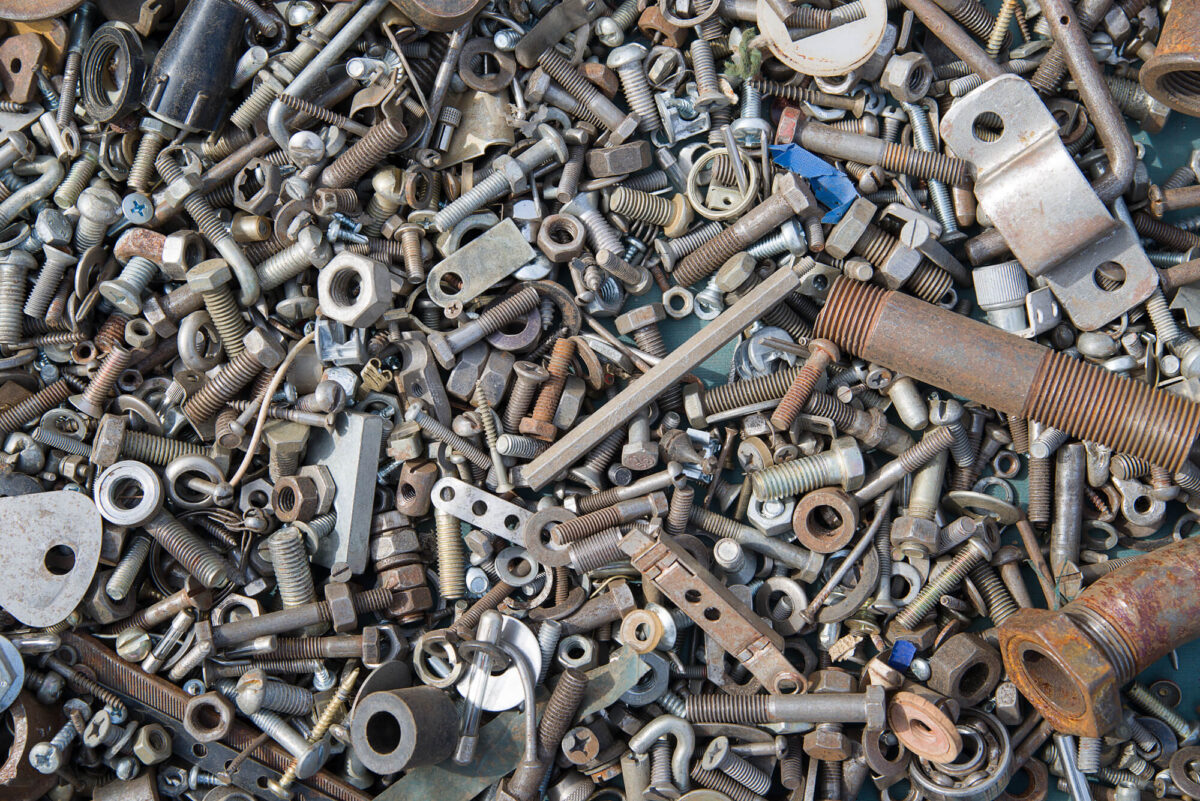
Metal waste is generated in large amounts by manufacturing, construction, transport, mining, and other industrial work. As economies grow, metal demand rises. That creates more offcuts, old products, damaged parts, and end-of-life material. But which countries generate the most metal waste, and what drives scrap output worldwide?
There is no single global database that ranks every country by total metal waste. Still, industrial output and scrap data give useful clues. Countries with strong steel, manufacturing, and construction sectors usually make large volumes of metal residue and end-of-life material. China, the United States, India, Japan, and several major European economies are key players.
Global Metal Waste Generation
The largest industrial economies are also major sources of metal scrap. They make steel, aluminium, vehicles, machinery, and infrastructure. China is the world’s largest steel producer, while India and the United States are also major producers.
But steel output is not the same as metal waste. Scrap use, scrap exports, and waste output are different measures. They are not the same. At a high level, they show different parts of the market.
Which Countries Generate the Most Metal Waste?
Countries with a high level of industrial activity tend to generate large amounts of metal waste. Their factories, building projects, transport networks, and engineering work produce production scrap and discarded metal goods.
China is a major contributor because of its huge manufacturing base and steel industry. The United States, India, Japan, Russia, South Korea, Türkiye, and Germany also have strong metal production and processing sectors. Their role in scrap markets depends on domestic activity, infrastructure age, product life spans, and recycling systems.
The following countries are among the most important in global metal production and scrap markets.
China
China is the world’s largest steel producer and a major source of industrial metal scrap. According to World Steel in Figures 2026 from the World Steel Association, China produced about 960.8 million tonnes of crude steel in 2025.
Its large construction, automotive, shipbuilding, machinery, and electronics sectors create strong demand for metals. Making products also creates steel offcuts, aluminium trimmings, and copper-bearing materials.
Older buildings, vehicles, appliances, and industrial equipment also become sources of usable scrap. This happens when they reach the end of their useful lives.
China’s large steel industry also uses a lot of recycled material. A 2026 study reported Chinese steel scrap use of about 209.67 million tonnes in 2024. That figure shows scrap used by the steel industry, not the total amount of metal waste made in the country.
United States
The United States is another major source of metal scrap. Its manufacturing, construction, automotive, aerospace, energy, and machinery sectors produce a wide range of ferrous and non-ferrous scrap.
The country generated about 73.6 million tonnes of steel scrap in 2024, according to figures discussed in the 2026 study on metal scrap value chains. Steel scrap use was about 63 million tonnes in the same year. These figures show the size of the American scrap market, but generation and use are different measures.
Metal waste comes from industrial fabrication, vehicle dismantling, building demolition, machinery replacement, and infrastructure care. Established collection networks and recycling facilities help recover valuable materials from these sources.
India
India is one of the world’s fastest-growing steel-producing economies. Its crude steel production reached about 164.9 million tonnes in 2025. That placed it second globally behind China, according to the World Steel Association.
Rapid urban growth, transport projects, manufacturing expansion, and construction all raise metal use. These activities create scrap through fabrication, demolition, equipment replacement, and industrial production.
As the country’s infrastructure and manufacturing capacity grow, more recoverable metal should appear. Better collection, sorting, and processing can send more of this material back into supply chains.
Japan
Japan has a well-established manufacturing industry. Its main sectors include automotive, shipbuilding, electronics, machinery, and engineering. These industries create metal residues during production and end-of-life scrap when products and equipment are replaced.
The country produced about 80.7 million tonnes of crude steel in 2025. Its mature industrial base also means that older vehicles, buildings, and machinery eventually enter recovery systems.
Established collection and processing networks support Japan’s scrap market. Recovering steel, copper, aluminium, and other metals gives manufacturers secondary raw material for later use.
Russia
Russia has major steel, mining, machinery, energy, and heavy engineering sectors. These industries create metal residues through extraction, processing, equipment care, and manufacturing.
The country produced about 67.9 million tonnes of crude steel in 2025. Industrial machinery, transport equipment, pipelines, and infrastructure can also become scrap when they are repaired, replaced, or taken out of service.
Recovery depends on collection infrastructure, transport distance, and processing capacity. Demand from domestic manufacturers also matters.
South Korea
South Korea is a major industrial economy with strong shipbuilding, automotive, electronics, steel, and engineering sectors. These activities generate both manufacturing scrap and old metal products.
Its crude steel production reached about 62.2 million tonnes in 2025. Steel offcuts, fabrication residues, discarded machinery, and end-of-life transport equipment are among the materials that can enter the scrap market.
Metal recovery matters for South Korea’s manufacturing supply chains. Secondary materials can support the production of new industrial goods.
Türkiye
Türkiye is an important participant in international scrap metal markets. Its steel industry produced about 38.1 million tonnes of crude steel in 2025, according to World Steel Association figures.
Construction, vehicle manufacturing, machinery production, and industrial fabrication all add to domestic metal waste. The country also relies heavily on scrap as a steelmaking input.
The 2026 metal scrap value-chain study reported domestic steel scrap generation of about 9.87 million tonnes in 2024. Steel scrap use was around 31.27 million tonnes.
The gap shows the importance of imported scrap in supporting Türkiye’s steel industry. It also shows why scrap use should not be treated as the same as waste generation.
Germany
Germany has one of Europe’s largest industrial economies. Its key sectors include automotive, machinery, construction, engineering, and metalworking. These activities generate steel, aluminium, copper, and other metal residues.
The country produced about 34.1 million tonnes of crude steel in 2025. Metal waste also comes from vehicle dismantling, building renovation, industrial equipment replacement, and electrical installations.
Germany has collection and recycling systems that support the recovery of metals from industrial and commercial sources. These systems return secondary raw materials to manufacturing and reduce the need for newly mined resources.
United Kingdom
The United Kingdom generates metal scrap through construction, demolition, manufacturing, automotive dismantling, engineering, and infrastructure maintenance. Steel, aluminium, copper, brass, lead, and other non-ferrous metals can all be recovered from these activities.
The United Kingdom produced about 2.6 million tonnes of crude steel in 2025, according to the World Steel Association. But domestic steel output does not show the country’s full metal waste picture.
Scrap also comes from imported products, buildings, vehicles, electrical equipment, and industrial machinery reaching the end of their working lives.
The United Kingdom has an established metal recycling sector. Specialist processors collect, sort, and prepare materials for reuse in manufacturing. Good waste management helps make sure valuable metals are recovered through proper recycling routes.
What Industries Generate the Most Metal Waste?
Metal waste is produced across many sectors. Some industries create especially large amounts because they use metals heavily or replace metal-based products often.
Construction and Demolition
Construction and demolition are major sources of metal waste. Buildings, bridges, roads, and other structures contain steel reinforcement, structural beams, aluminium frames, copper wiring, pipes, and metal fittings.
When workers renovate or demolish buildings, they can separate and recover these materials. Steel beams, aluminium parts, and copper cables may keep much of their value if they are collected cleanly.
Automotive Manufacturing and Vehicle Dismantling
Vehicle production creates metal offcuts and manufacturing residues. Car bodies, engines, transmissions, wheels, and other parts contain steel, aluminium, copper, and special alloys.
End-of-life vehicles are also a large source of usable metal. Dismantling and processing separate reusable parts from materials that can go to recycling facilities.
Manufacturing and Engineering
Factories create metal waste through cutting, stamping, machining, drilling, casting, and fabrication. Common examples include steel offcuts, aluminium swarf, brass turnings, copper wire, and machining chips.
Keeping these materials sorted by metal type and grade can improve recovery quality. Clean, sorted scrap is usually easier to process and better for new manufacturing.
Electrical and Electronics
Electrical equipment contains copper, aluminium, steel, and small amounts of other valuable metals. Motors, transformers, cables, circuit boards, and industrial control equipment can all become sources of metal-bearing waste.
Specialist processing matters because electronic products may contain mixed materials and parts that need careful separation. Recovering metals from these products helps reduce the loss of valuable resources.
What Factors Influence Metal Waste Generation?
The amount of metal waste a country produces depends on more than population or industrial output. Several economic and practical factors affect how much scrap is available.
Industrial production levels are a major factor. Countries with large steelworks, foundries, fabrication plants, and manufacturing facilities create production scrap during routine work.
Construction and infrastructure development also affect waste volumes. New projects create offcuts, while renovation and demolition release metals from older structures.
Product life spans and replacement rates decide when metal-containing goods become waste. Vehicles, machinery, appliances, and industrial equipment eventually need replacement. That creates recovery opportunities.
Collection and recycling infrastructure affect how much discarded material is captured. Countries with easy collection services and specialist processors may recover more scrap. Weak systems can let valuable materials be lost.
Trade and industrial demand also matter. A country may export large amounts of scrap or import material to feed steel and manufacturing plants. These trade flows can make use figures very different from domestic generation figures.
Why Metal Scrap Statistics Are Difficult to Compare
There is no single, consistent global standard for measuring total metal waste. National reporting systems may classify industrial scrap, discarded products, demolition materials, and manufacturing residues in different ways.
Steel scrap figures are also not the same as figures for all metals. They do not automatically include aluminium, copper, brass, nickel, lead, zinc, or other non-ferrous materials.
It is also important to separate three measures. Scrap generation is the amount of material produced or collected as scrap. Scrap use measures how much scrap is used by manufacturers or steelmakers. Scrap exports record material sent to other countries.
For example, a country with large steel production may use a lot of scrap without generating the same amount at home. Another country may generate a lot of scrap but export much of it for processing elsewhere.
These differences matter when comparing global metal waste statistics or identifying the largest scrap markets.
How Metal Recycling Supports Global Resource Recovery
Metal recycling helps recover materials that would otherwise be lost after manufacturing, construction, transport, and industrial use. Instead of relying only on newly mined resources, manufacturers can use recovered metals as secondary raw materials.
Steel, aluminium, copper, brass, nickel, lead, and other metals can be recycled through suitable processes. The exact treatment depends on the material’s composition, condition, contamination level, and intended use.
Recycling aluminium, for example, can save about 95% of the energy needed to make primary aluminium, according to the International Aluminium Institute. This shows the resource and energy gains from recovering metals rather than making all materials from virgin sources.
Effective recycling also supports industrial supply chains. Recovered scrap can give manufacturers a useful source of raw material, while good sorting and processing help keep quality high. Separating different metals before processing is especially important because mixed or dirty scrap can be harder to recover well.
As global demand for metals continues, better collection and recycling effort will stay important for cutting losses and supporting more circular manufacturing systems.
The Importance of Responsible Metal Waste Management
Countries with large manufacturing and construction sectors will keep generating metal waste as infrastructure grows and products reach the end of their useful lives. But the amount that becomes usable scrap depends on how businesses manage waste.
Separating metals at the point of production, storing scrap correctly, and using suitable recycling services can improve recovery. Businesses should also make sure waste moves through proper channels and follows environmental rules.
For industrial operators, working with specialist metal recyclers can help find recoverable materials and send them to suitable processing routes. MetalCycle supports metal recycling across a range of materials, helping businesses recover valuable metals from industrial and commercial waste streams.
China, the United States, India, Japan, Russia, South Korea, Türkiye, Germany, and the United Kingdom are among the key contributors to global metal production and scrap markets. Their manufacturing industries, construction work, transport networks, and infrastructure generate metal residues and end-of-life materials.
However, identifying which countries generate the most metal waste takes more than comparing steel production or scrap use. Good comparisons must account for different metal types, national reporting methods, recycling systems, and international trade.
Improving metal collection, sorting, and recycling can help recover valuable resources, cut waste, and support the long-term supply of materials needed by global industries.