Why Titanium Waste Is Valuable to Recover

Titanium scrap keeps value because it can be recovered and reused. Recycling titanium helps save resources, cut waste, and support a circular economy.
Titanium is strong, light, and has good resistance to corrosion. It is used in aerospace, engineering, medical devices, and the automotive sector. These uses need durable parts and steady supply chains.
Manufacturing titanium parts creates offcuts, chips, swarf, and extra stock. Even when these parts no longer fit the job, they can still hold useful metal. Recovery helps cut avoidable disposal and keeps material in use.
Where Does Titanium Waste Come From?
Titanium waste comes from many points in production and engineering. Knowing the source helps a business sort scrap and choose the right recycling process.
Manufacturing Offcuts
Cutting titanium sheets, plates, bars, and tubes leaves offcuts. They may be too small for the job, but they can still be valuable if the alloy is known.
Keep clean offcuts apart from other metals. Clear labels help a recycler check the material and judge its value.
Machining Chips and Swarf
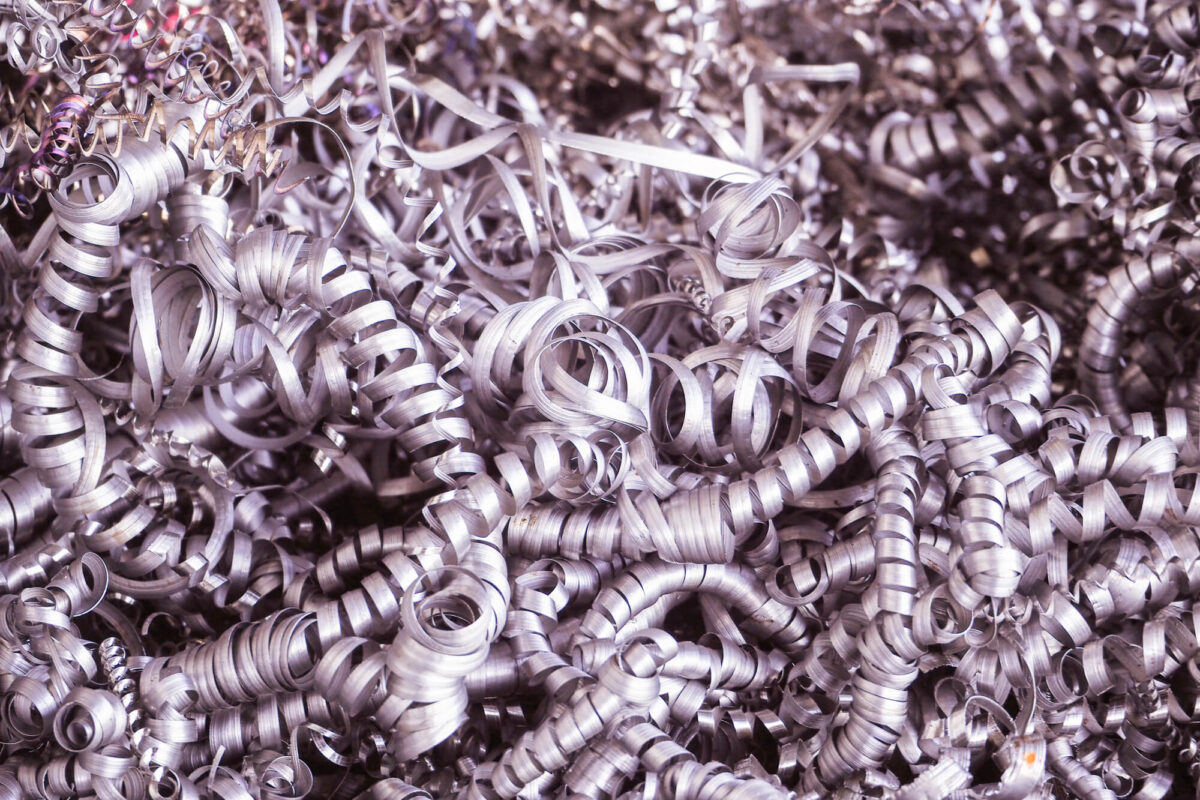
Precision work makes chips, turnings, and swarf. These can be collected for recycling titanium.
This scrap may hold oil, cutting fluid, moisture, or bits of other metals. Dirt can make processing harder, so follow the recycler’s advice on storage and prep.
End-of-Life Components
Old industrial gear, aerospace parts, and products from the automotive sector may contain titanium. When they reach end of life, some material may be recovered.
The titanium grade and condition must be checked first. Not every part can go back into the same use, especially when the mix or history is not clear.
How Titanium Recycling Creates Economic Value
Titanium production is energy intensive, so primary production uses a lot of energy. Recovering suitable scrap gives makers another source of metal and can reduce demand for virgin titanium.
Clean scrap is easier to check than mixed or dirty scrap. Its value depends on alloy type, titanium grade, amount, condition, and market demand.
Businesses may get paid for suitable scrap, but returns vary. Recycling titanium can also support buying choices by keeping usable metal in use and cutting disposal costs.
The process is not always cost effective. Collection, haulage, sorting, and treatment all affect the result. Ask for a quote based on the actual scrap and its condition.
The Environmental Benefits of Recycling Titanium
Recycling titanium keeps useful metal in use for longer. It can also reduce the need for virgin materials and lower the amount of scrap sent for disposal.
Saving Natural Resources
Primary production needs raw materials and special processing. Recovering suitable scrap can reduce demand for virgin titanium and help preserve resources used in titanium production.
This matters most for firms that create regular offcuts or machining waste. Better sorting gives these materials a better chance of being recovered rather than thrown away.
Supporting Energy Savings
Making primary titanium can use a lot of energy. Depending on the scrap and the process, recycling may offer energy savings compared with making new metal from raw materials.
The savings vary with scrap quality, haulage distance, process tech, and energy source. Do not assume every route has the same benefit.
Reducing Environmental Impact
Recovering titanium reduces the environmental impact of waste and disposal. It can also lower demand for new raw materials, though the result depends on how the scrap is gathered and processed.
Keeping good metal in use supports a circular economy. It helps firms see manufacturing waste as a resource, not trash.
Why Titanium Scrap Must Be Sorted by Grade
Titanium scrap is not all the same. Different alloys use different metal mixes, which change their strength, performance, and fit for specific uses.
Some titanium alloys include aluminium and vanadium. Mixing grades can hurt the quality of recovered metal and limit how it can be reused.
Other material can also lower the value of a batch. Steel bits, oils, and other foreign material may make processing harder or need extra treatment.
Keep titanium apart from aluminium, stainless steel, and other metals. If possible, keep certificates and production records to confirm the alloy mix. Clear labels help recyclers pick the right recovery route.
What Happens During the Titanium Recycling Process?
The recycling process depends on the form, grade, and condition of the material. But most industrial titanium scrap moves through a few common steps.
Collection and Inspection
The recycler gets the scrap and checks its amount, condition, and likely type. Photos, material specs, and certificates can help with the first check.
Sorting and Identification
The material is sorted by grade and type when possible. More testing may be needed if the type is not clear. Good identification helps keep poor material out of the mix.
Preparation and Processing
Depending on the scrap, prep may mean removing dirt, splitting mixed material, or cutting pieces to a useful size. Swarf with cutting fluid may need special handling before the next step.
Recovery and Reuse
Good titanium scrap can go to remelting or another recovery route. The recovered metal must meet the needs of the next use before it can go into manufacturing.
High-quality, well-marked scrap may have more reuse options than mixed or dirty material. Careful handling helps keep its value.
How Businesses Can Improve Titanium Waste Recovery
Businesses can improve recovery by sorting titanium waste at the point where it is made. Dedicated, labelled bins help stop contamination and make collection easier.
Keep solid offcuts apart from machining chips when the recycler asks for that. Record the scrap’s grade, source, and amount, and keep the right material specs. These steps make the waste easier to assess and recover.
Companies should also review collection plans and storage. Stopping extra dirt from getting in can reduce handling problems and help keep the material in good shape.
Choose a recycling provider that knows industrial metal recycling and can explain how the material will be handled. UK businesses should also check that waste moves through proper authorised arrangements and that records are kept.
Recover Value from Titanium Waste with MetalCycle
Titanium offcuts, machining waste, and extra parts can hold useful resources. Finding suitable scrap and arranging recovery helps businesses improve material use and reduce waste.
MetalCycle supports industrial metal recovery for businesses with different kinds of scrap. Explore the titanium recycling service to discuss your material, collection needs, and likely recovery options.
Recovering titanium waste can support better resource management, reduce dependence on virgin materials, and keep useful metal in use. With good sorting and the right recycling process, makers can turn production waste into a useful resource.