Where Does Zinc Waste Come From in UK Industry?

Zinc waste comes from galvanising, manufacturing, construction and metal finishing. Recycling suitable materials helps recover zinc and reduce waste.

Where Does Zinc Waste Come from in UK Industry?

 It mainly comes from galvanising, metal manufacturing, construction, surface treatment and engineering. These industries use zinc to protect steel against corrosion, manufacture components and produce durable products.

Industrial processes generate zinc offcuts, scrap metal, dust, ash and other residues. Some materials can be recycled, while others require specialist treatment. Understanding these sources helps businesses improve waste management, recover valuable metals and reduce their environmental impact. 

1. Hot-Dip Galvanising and Zinc Coating

Hot-dip galvanising is an important source of zinc waste. This process protects steel by coating it with molten zinc, helping prevent corrosion and extending the material’s service life.

During production, zinc can form ash and dross on the surface or within the galvanising bath. Hard zinc residues may also accumulate during processing. These materials can contain recoverable zinc, although their composition varies.

Galvanising facilities can separate suitable residues for assessment by specialist recyclers. Keeping zinc waste separate from general waste makes material identification easier and can improve recovery opportunities.

2. Metal Manufacturing and Engineering

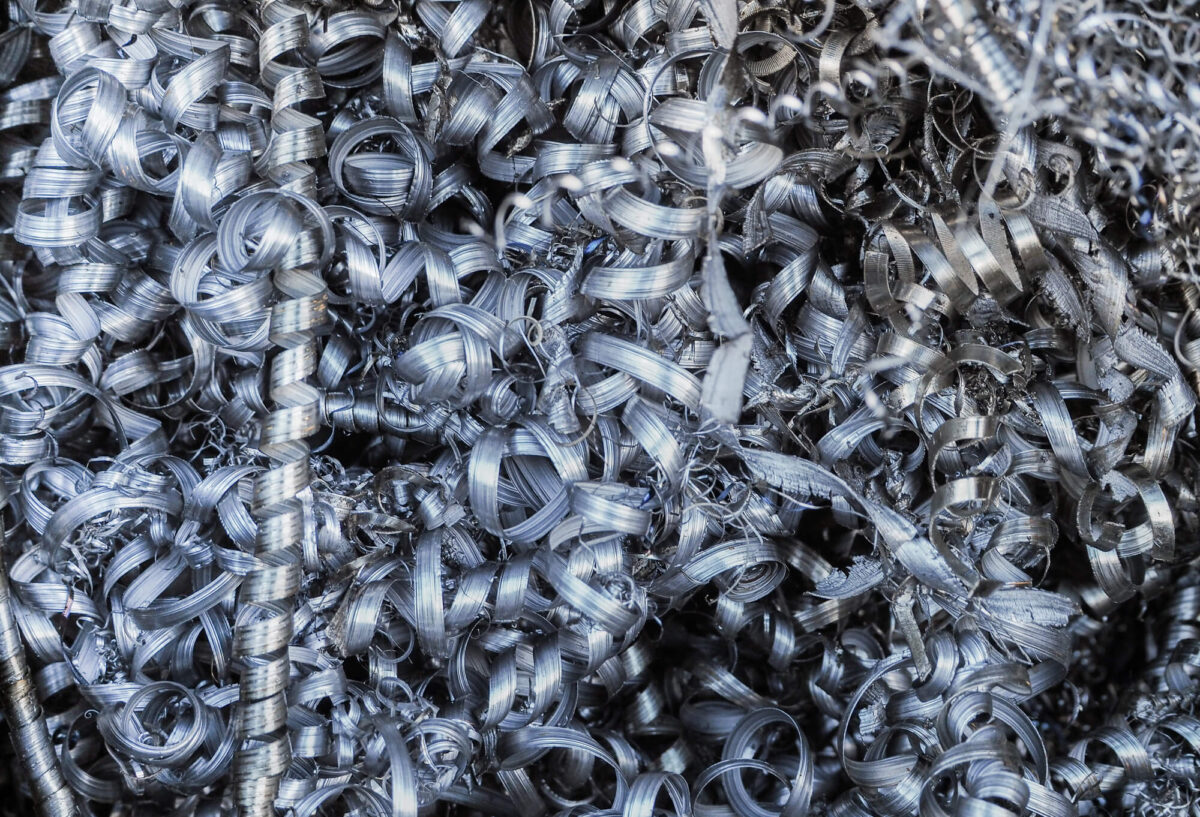
Manufacturing and engineering businesses generate zinc waste when they cut, drill, machine and shape metal components. These operations can produce offcuts, swarf, filings and rejected parts.

Die casting is another source. Manufacturers melt zinc alloys and inject the molten metal into moulds to produce components for machinery, fittings and industrial equipment. Excess material, faulty castings and production scrap can accumulate during manufacturing.

Clean zinc scrap may be suitable for metal recovery. However, swarf contaminated with oils, coatings or other substances may need additional processing. Separating different materials helps businesses manage waste more efficiently and identify suitable recycling routes.

3. Construction, Roofing and Demolition

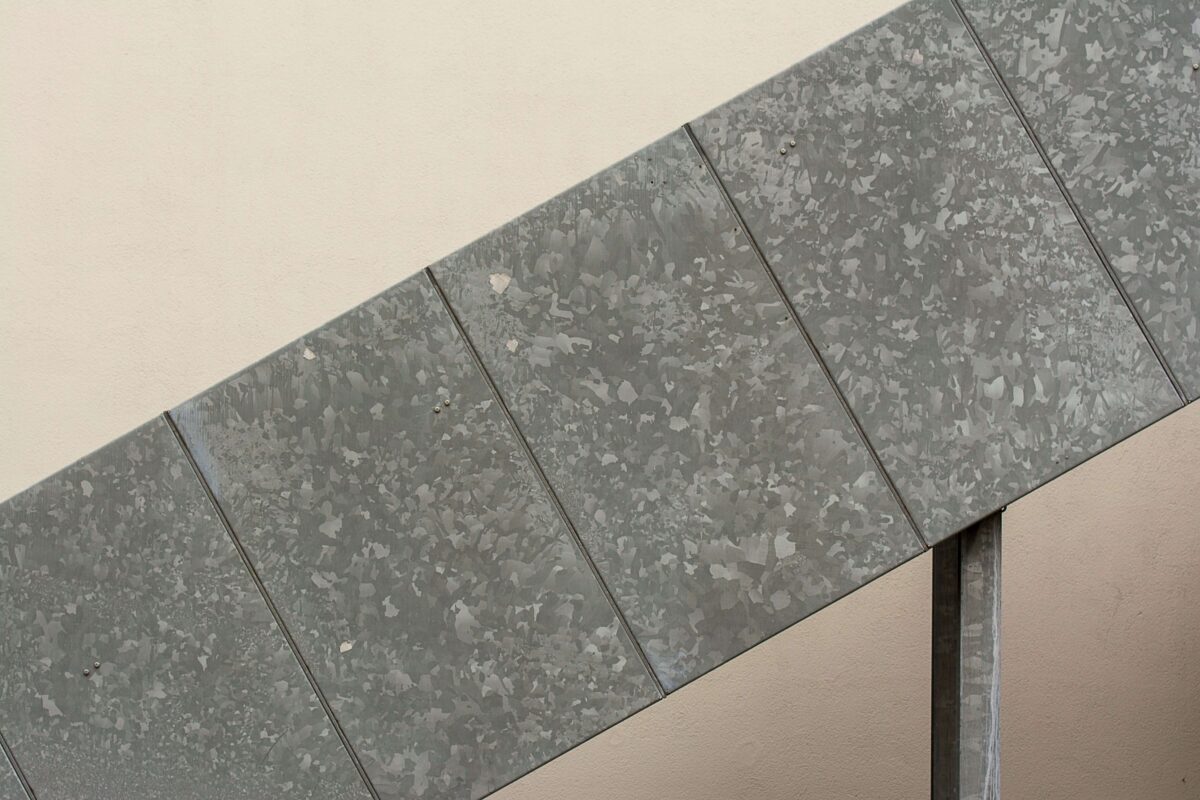
The construction industry generates zinc waste during installation, refurbishment and demolition. Zinc is commonly used in roofing, cladding, gutters, flashings and architectural features because of its durability and corrosion resistance.

Roofing contractors may produce unused sheet offcuts during installation. Renovation projects can generate damaged zinc components, while demolition work may remove older roofing and building materials.

Separating zinc products from rubble, timber, insulation and general construction waste helps preserve their recycling potential. Businesses should also identify whether the material is solid zinc, zinc-coated steel or another metal.

This distinction matters because each material may require a different recovery process. Painted, bonded or contaminated products may need further assessment before recycling.

4. Surface Treatment and Zinc Plating

Metal finishing operations produce zinc waste through plating, coating and chemical treatment. Zinc plating applies a thin protective layer to steel components, helping improve their resistance to corrosion.

Waste can arise from treatment baths, rinse water, filtration systems and wastewater treatment sludge. Some residues contain dissolved zinc, chemicals or other metals, making them different from ordinary scrap.

Zinc oxide can also occur in industrial residues and may be present in certain zinc-processing dusts or ash. Its presence and concentration depend on the process involved.

Businesses should not assume that zinc-bearing dust, sludge or chemical residues can enter a standard scrap-metal collection. Correct waste classification helps determine the appropriate handling, treatment and recovery route.

The Environment Agency provides official waste classification guidance to help businesses identify and manage different waste streams.

1. Automotive and Component Manufacturing

Automotive suppliers and engineering manufacturers use zinc in die-cast components, fasteners and protective coatings. Electrical equipment producers and industrial hardware manufacturers also use zinc-containing parts.

Waste arises when production creates rejected components, excess castings or machining residues. Maintenance and replacement work can generate additional scrap when zinc-coated products reach the end of their useful life.

However, zinc-coated steel is not the same as solid zinc. The steel forms the main structure, while zinc provides a protective surface. Identifying the material correctly helps determine whether it belongs in a steel recycling stream or a suitable zinc recovery process.

2. Zinc Processing and Refining

Zinc processing and refining can generate residues containing recoverable metal. These may include ash, dross, process dust and treatment sludge.

The amount of recoverable zinc depends on the material’s composition, contamination and processing history. Specialist facilities can assess whether the waste is suitable for recovery or requires further treatment.

Businesses should store and identify these materials according to their properties. Mixing different residues can complicate handling and make recovery more difficult.

How Can UK Businesses Manage Zinc Waste?

Effective zinc waste management starts with identifying where the material is generated. Businesses should separate clean zinc scrap from mixed metals, zinc-coated steel and chemical residues.

Clearly labelled storage areas help prevent contamination. Regular checks of production waste can also reveal where material losses occur and where better handling practices could reduce unnecessary waste.

Before arranging collection, businesses should confirm the waste classification and check that the receiving facility is authorised to accept the material. Hazardous residues may require additional controls.

The Environment Agency’s waste management guidance provides further information on responsible waste handling and applicable requirements in England.

Why Zinc Recycling Matters

Zinc recycling helps return useful metal to manufacturing, reducing the need for newly extracted resources. It can also reduce the quantity of suitable scrap sent for disposal and support more efficient material use.

Recovering zinc may offer environmental benefits because recycling can reduce demand for primary metal production. However, the overall environmental impact depends on transport, energy use, contamination and the recovery method.

Businesses can improve results by identifying recyclable materials early and keeping different waste streams separate. A suitable specialist recycling service can assess zinc scrap and advise on an appropriate recovery route.

For businesses managing industrial metal waste, a zinc recycling service can provide a route for assessing suitable scrap and recovering valuable materials.

Zinc waste comes from galvanising, manufacturing, construction, surface treatment, automotive production and metal processing. These industries generate different materials, from clean offcuts to zinc oxide residues and complex industrial waste.

Identifying each waste stream, improving segregation, and choosing an appropriate recycling route helps UK businesses recover valuable metals, manage waste responsibly, and reduce their environmental impact.
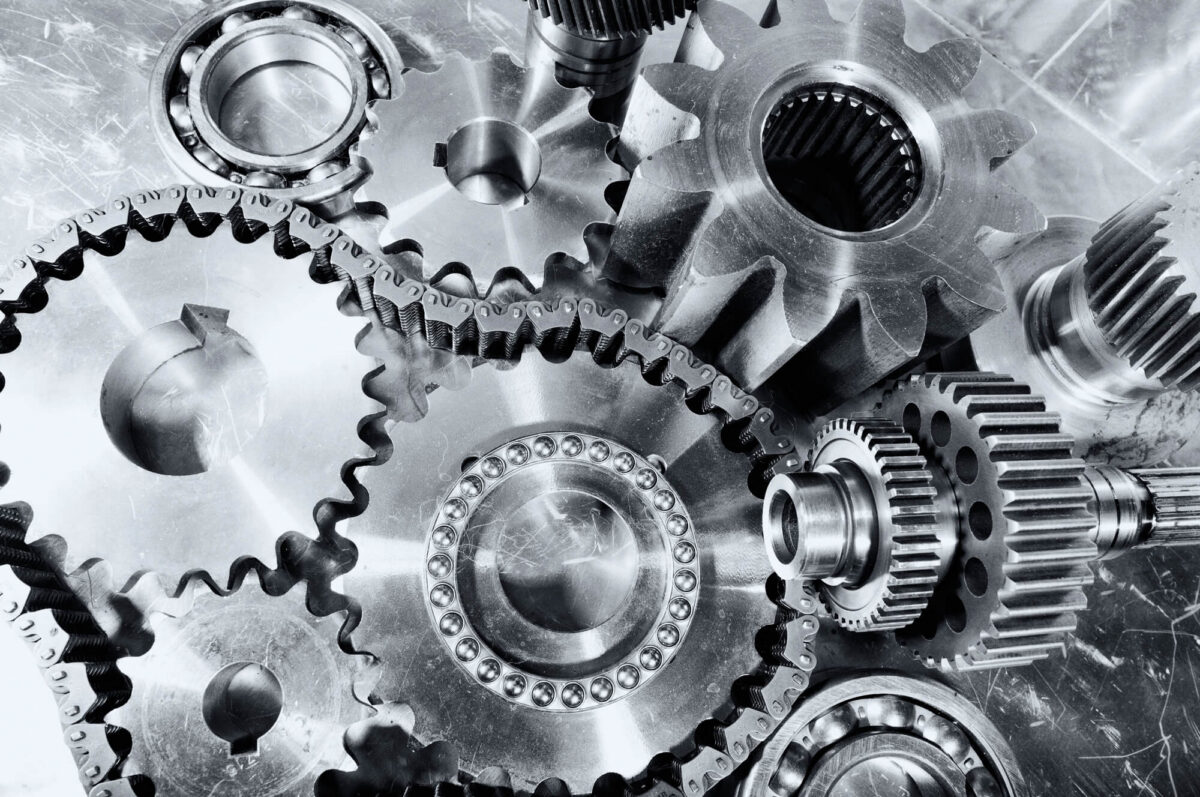

The Role of Titanium Recovery in Sustainable Manufacturing

Titanium recovery helps manufacturers reduce scrap, conserve resources, and support sustainable manufacturing through effective titanium recycling.

What Is Titanium Recovery?

Titanium recovery is the process of reclaiming valuable metal from manufacturing waste and returning it to useful work. People use titanium in aerospace, engineering, medical equipment, and industrial parts because it is strong, light, and resists corrosion.

Manufacturing can create titanium offcuts, swarf, machining waste, and rejected parts. Rather than send suitable scrap for disposal, businesses can separate it and recover it for recycling.

Titanium recovery helps manufacturers use resources more efficiently and reduce material losses. It also supports a circular economy by keeping valuable metals in use.

Why Titanium Recovery Matters in Sustainable Manufacturing

Sustainable manufacturing aims to cut waste, save resources, and improve production efficiency. Titanium recovery supports these aims by giving manufacturers a way to reuse metal that would otherwise leave the supply chain.

Businesses that machine or make titanium often create scrap during cutting, shaping, and finishing. Separating this material from general waste makes it easier to assess and recycle.

Effective titanium recovery also helps manufacturers understand their waste streams. Businesses can reduce waste by tracking scrap generation and improving material handling to use purchased materials more effectively.

The environmental gains depend on scrap quality, the recycling process, and the energy needed for recovery. Even so, recycling suitable titanium can reduce reliance on primary metal production and support more responsible manufacturing.

How Titanium Recycling Reduces Industrial Waste

Titanium recycling turns suitable manufacturing scrap into a useful resource. We can often collect offcuts, surplus metal, and selected machining waste for assessment and processing.

Separation is an important first step. Keeping titanium apart from other metals helps preserve material identity and reduces the risk of impurities. Store different titanium grades and alloys separately where needed.

Clean, clearly identified scrap is usually easier to assess for recovery. Businesses can improve results by using labelled containers, setting clear handling steps, and arranging regular collections.

Manufacturers should also review production methods to prevent avoidable waste. Improved cutting plans, efficient machining, and stock control can lessen scrap production.

Combining waste prevention with titanium recycling helps businesses improve material efficiency and manage industrial waste more responsibly.

Environmental Benefits of Titanium Recovery

Producing primary titanium involves several processing stages that need energy and resources. Recovering suitable scrap creates another source of metal for manufacturing and may reduce demand for newly made material.

Titanium recovery can also divert valuable metal from disposal. This supports resource conservation and encourages businesses to consider the full lifecycle of their materials.

Recycling’s impact changes based on scrap condition, transport, processing, and metal quality standards. For this reason, businesses should consider the full recovery route when weighing eco benefits.

Responsible titanium recycling forms part of a wider effort to reduce manufacturing waste. When supported by efficient production and proper waste management, it can help companies move towards their environmental goals.

The Economic Value of Titanium Scrap Recovery

Titanium scrap can keep commercial value after its original manufacturing use has ended. Its value depends on grade, quantity, cleanliness, impurities, and market conditions.

Separating scrap correctly helps businesses identify material and present it for assessment. This may improve recovery chances and reduce unnecessary handling.

A structured recovery process can also help manufacturers track material losses and spot inefficient production practices. Cutting avoidable scrap may lower material purchase needs and improve overall resource use.

However, businesses should not expect guaranteed financial returns. Collection, transport, preparation, and processing costs can affect the outcome. They should review these factors when choosing a suitable titanium recycling route.

Titanium Recovery and the Circular Economy

A circular economy aims to keep resources in use for longer and reduce reliance on virgin materials. Titanium recovery supports this approach by returning suitable scrap to the recycling supply chain.

We may process recovered titanium into material for new manufacturing uses when it meets the required composition and quality standards. This can help preserve valuable resources and reduce unnecessary waste.

Keeping accurate records and separating different grades are essential for effective recovery. Mixing mismatched materials can complicate processing and limit possible uses.

Manufacturers can support a circular economy by working with suitable recycling providers and reviewing how materials move through their operations. These practices help retain value and encourage more efficient use of industrial resources.

Best Practices for Managing Titanium Waste

Businesses should identify the production activities that create titanium scrap and set up proper collection and storage steps. Separate containers help prevent impurities and make material easier to identify.

We should assess scrap according to its grade, condition, and planned recovery route. Machining swarf may need extra handling because of oils, coolants, or other contaminants. Businesses should follow proper workplace procedures and the receiving facility’s requirements.

Companies should also work with competent waste management providers and keep the required records. The GOV.UK waste sorting guidance helps businesses sort waste correctly.

The UK waste hierarchy guidance explains how waste prevention, reuse, and recycling fit into responsible waste management.

Regularly reviewing scrap amounts, recovery rates, and handling costs can help manufacturers identify areas for improvement. This can enhance their resource management practices.

The Future of Titanium Recovery

As manufacturers focus on resource efficiency, titanium recovery remains an important part of sustainable manufacturing. Better material identification, sorting, and recycling technologies may improve the recovery of suitable titanium scrap.

Businesses can support progress by improving segregation, tracking material flows, and working with suitable recycling specialists. These steps can help create more reliable routes for recovered metals.

The long-term goal is not just to recycle more titanium. It is to prevent unnecessary waste, retain material value, and improve the efficiency of manufacturing operations.

Titanium recovery in sustainable manufacturing helps save resources, reduce waste, and reuse metal efficiently. Effective segregation, responsible waste management, and suitable recycling routes help manufacturers improve material efficiency.

By adding metal recycling to their waste management procedures, businesses can support a more circular and resource-efficient manufacturing industry.

Why Businesses Should Recover Titanium Waste

Titanium scrap can still hold value after manufacturing or engineering work. Recovering it helps businesses cut waste, save raw materials, and support greener production. Good sorting, storage, and metal recycling also protect quality and improve efficiency.

Why Businesses Should Recover Titanium Waste

Why businesses should recover titanium waste is an important question for manufacturers, aerospace suppliers, engineering firms, and other industrial organisations. Titanium is valued for its strength and low weight. It is also resistant to corrosion. It is used in the aerospace industry, medical devices, chemical plants, and other tough jobs.

During manufacturing, businesses may create offcuts, machining chips, swarf, rejected parts, and surplus material. These items may not suit their first use, but they can still hold usable metal.

Instead of treating every unwanted piece as general waste, businesses can check its recycling potential. A good recycling process can keep useful titanium in circulation and reduce avoidable disposal.

A structured titanium waste recovery process can also improve waste management, support green goals, and help companies use the materials they buy more efficiently.

1. Recover Valuable Titanium Scrap

One reason to recover titanium waste is its value. Titanium is light, strong, and resistant to corrosion. It is used in demanding parts for aerospace, medical devices, chemical processing, and industrial machinery.

These jobs can create offcuts and machining residue that still have value. Some advanced recycling technologies can help sort clean scrap and recover the metal with less loss.

For example, a company cutting titanium plates may create several offcuts. They may be too small for the original job, but a suitable recycling facility may be able to recover the metal.

The value of titanium scrap depends on the grade of titanium, cleanliness, quantity, and condition. Clear alloy records and separate storage help recyclers assess the scrap more accurately.

Businesses should avoid mixing titanium with unrelated metals or general waste. Keeping suitable material separate makes it easier to identify, check, and send for the right recovery route.

2. Reduce Waste Disposal and Handling Costs

Industrial waste can create costs beyond the disposal charge. Businesses may need storage space, collection services, containers, and records for different waste streams.

Recovering titanium scrap can reduce the volume of waste sent for disposal. Depending on the amount and quality of the scrap, businesses may also get value from material that would otherwise be thrown away.

But savings are not guaranteed. Collection charges, transport needs, dirt, processing costs, and market conditions can all change the result.

The best approach is to review how titanium waste is made and handled across the business. Companies should identify repeated waste streams, estimate the quantities produced, and compare suitable recovery options with current disposal arrangements.

Separating clean titanium offcuts from mixed waste can also make storage and collection easier. Clear rules help employees spot recyclable material before it becomes dirty or mixed with other waste.

Over time, better waste segregation can support smoother site operations and better control of industrial material costs.

3. Reduce Demand for Newly Produced Titanium

Recovering titanium waste keeps metal in use. That can reduce demand for titanium from new mining and processing, depending on the recovery route and the quality of the scrap.

Primary titanium production involves several steps, from extracting titanium-bearing minerals to making metal that can be used in manufacturing. These stages need energy, equipment, and support materials.

The recycling process offers another source of material for suitable applications. When titanium scrap is correctly identified and processed, it may return to the supply chain as feedstock for new products.

The benefit depends on the scrap type, the recycling technology used, energy use, transport distance, and the material that recycled titanium replaces.

Businesses should not assume every recycling process gives the same savings. Still, recovering suitable scrap can help manufacturers use existing resources better rather than relying only on newly produced metal.

This approach supports more efficient material use throughout industrial supply chains.

4. Support Sustainable Manufacturing

Green goals are now a key issue for businesses reviewing production methods and supply chains. Recovering titanium waste is a practical way to improve resource use without relying only on product redesign or new equipment.

When businesses separate recyclable titanium from general waste, they can direct suitable material towards recovery. This reduces avoidable disposal and supports a more circular approach to manufacturing.

A circular economy aims to keep useful materials in use for as long as possible. In metal processing, that means finding ways to recover scrap and return suitable material to production.

Businesses can strengthen this approach by tracking the amount of titanium purchased, the quantity used in finished products, and the scrap created during manufacturing.

These figures help show where material losses happen and where improvements may be possible. For example, repeated offcuts may show a chance to review cutting layouts or improve production planning.

Titanium recycling does not replace waste prevention at source. Instead, it supports it by making sure that leftover scrap is managed responsibly.

5. Improve Titanium Waste Management

Recovering titanium successfully starts with good waste management. Businesses need to know what material they make, how it should be stored, and whether it is fit for recycling.

Titanium waste can include solid offcuts, machining chips, fine swarf, and rejected parts. Each type may need different handling.

Clean, identifiable offcuts are often easier to assess than mixed or dirty scrap. Machining residues may contain cutting fluids, oils, or other substances that need extra control before recovery.

Businesses should set clear rules for separating titanium by grade and keeping it apart from other metals. Different grade titanium alloys need separate storage. Containers should suit the material, be clearly labelled, and be placed to stop accidental mix-ups.

Employees should also know which materials go in each container and how to report dirt or other problems.

These steps improve tracking and help recyclers assess the material. They also lower the chance of good titanium being rejected because its mix or condition is unclear.

Where dirt or hazardous substances may be present, businesses should seek the right advice before moving or processing the waste.

6. Maintain Material Quality Through Proper Segregation

Titanium alloys are made for different performance needs. Their mix can affect strength, corrosion resistance, and fit for particular manufacturing applications.

Mixing different titanium grades can make recycling harder because the final material may not meet the spec needed for a certain use.

For this reason, businesses should keep material identity wherever possible. Labels, purchase records, machining notes, and production data can help show the grade and origin of scrap.

Separate storage is especially important for companies handling several titanium alloys or working with titanium and other metals.

Dirt should also be avoided. Scrap mixed with steel, aluminium, dirt, plastics, or machining fluids may need extra sorting or treatment. In some cases, this can reduce its fit for some recovery routes.

Before arranging collection, businesses should ask their recycling provider about material specs, segregation rules, packaging, and acceptance criteria.

Good preparation makes it easier to send titanium scrap into the right recovery process and helps protect its value.

7. Strengthen Supply Chain Resource Efficiency

Many industrial businesses need metals that meet strict technical rules. Recovering titanium scrap can add another source of secondary metal.

Aerospace manufacturing, specialist engineering, and chemical processing all use titanium in jobs where performance matters. Recovered titanium may return to production when it meets the needed chemistry and quality.

However, not every type of titanium scrap can be used for every job. Some uses need tight control, testing, and certification.

Businesses should work with suitable recycling partners who understand the material and can explain how it will be managed.

Reliable recovery arrangements can also help companies plan collections, keep clearer records, and improve visibility over the materials leaving their sites.

Although recycling alone cannot remove supply chain risk, it can form part of a wider resource plan that values both newly produced and recovered materials.

8. Meet Waste Management Responsibilities

Recovering titanium waste should be part of a responsible waste system. UK businesses must understand the legal rules for classifying, storing, moving, and treating waste.

In England, the Environment Agency guides checks on whether material is waste. This matters when businesses review production residues and decide how they should be handled.

Companies should also check that their waste contractor and receiving facility are properly authorised for the work involved. Waste transfer records and other documents should be kept where required.

The Environment Agency’s guidance on scrap metal explains the limits of the T9 exemption in England. Businesses should not assume that this exemption covers every titanium waste treatment task.

Rules may differ in England, Scotland, Wales, and Northern Ireland. Companies should check the rules for their location and the specific waste operation.

Responsible recovery supports better tracking while helping businesses show that their waste is handled through the right route.

How Businesses Can Start Recovering Titanium Waste

Businesses do not need to rebuild their whole waste system at once. A practical first step is to find where titanium scrap is made and how it is handled now.

Review manufacturing processes to find common sources, including machining, cutting, fabrication, part replacement, and quality rejects. Estimate the amount produced and check whether different grades or material types are being mixed.

Next, set up storage and segregation procedures. Keep identifiable titanium scrap apart from unrelated metals and general waste, and follow the recycling provider’s rules for handling machining residues and dirt.

Contact a specialist metal recycling provider to discuss the material’s grade, condition, quantity, collection arrangements, and possible recovery route. Ask what paperwork is available and whether the provider can explain how the scrap will be processed.

Finally, track the results. Record the amount of titanium recovered, the material sent for disposal, and any changes in handling or collection costs. This information can help show improvements over time.

Businesses can also review their titanium recycling options when choosing suitable routes for industrial titanium scrap.

Recovering titanium waste helps businesses protect material value, cut avoidable disposal, and make better use of existing resources. Good segregation and the right recycling arrangements can also support sustainable manufacturing and improve control over industrial waste.

The results depend on scrap quality, recovery costs, and the needs of the receiving facility. By finding waste streams, keeping materials separate, and working with suitable recycling partners, businesses can make titanium recovery part of their resource plan.

For manufacturers and engineering companies, responsible titanium waste recovery gives them a way to turn leftover production material into a useful resource rather than letting usable metal go to waste.

How Engineering Businesses Can Manage Titanium Scrap

Titanium recovery helps manufacturers reduce scrap, conserve resources, and support sustainable manufacturing through effective titanium recycling.

What Is Titanium Recovery?

The role of titanium recovery is to reclaim valuable metal from manufacturing waste and return suitable material to productive use. Titanium is widely used in aerospace, engineering, medical equipment, and industrial applications because of its strength, low weight, and corrosion resistance.

Manufacturing processes can generate titanium offcuts, swarf, machining waste and rejected components. Instead of sending suitable scrap for disposal, businesses can separate and recover it for recycling.

Titanium recovery helps manufacturers manage resources more efficiently while reducing unnecessary material losses. It also supports a circular economy by keeping valuable metals in circulation.

The Role of Titanium Recovery in Sustainable Manufacturing

Sustainable manufacturing aims to reduce waste, conserve resources and improve production efficiency. Titanium recovery supports these objectives by creating opportunities to reuse metal that would otherwise leave the manufacturing supply chain.

Businesses that machine or fabricate titanium often generate scrap during cutting, shaping and finishing. Separating this material from general waste makes it easier to assess and recycle.

Effective titanium recovery also helps manufacturers understand their waste streams. By monitoring scrap generation and improving material handling, businesses can identify opportunities to reduce waste and make better use of purchased materials.

The environmental benefits depend on the quality of the scrap, the recycling process and the energy required for recovery. However, recycling suitable titanium can reduce reliance on primary material production and support more responsible manufacturing practices.

How Titanium Recycling Reduces Industrial Waste

Titanium recycling turns suitable manufacturing scrap into a potential resource. Offcuts, surplus metal and selected machining waste can often be collected for assessment and processing.

Segregation is an important first step. Keeping titanium separate from other metals helps preserve material identity and reduces the risk of contamination. Different titanium grades and alloys should also be stored separately where necessary.

Clean, correctly identified scrap is generally easier to assess for recovery. Businesses can improve results by using labelled containers, establishing clear handling procedures and arranging regular collections.

Manufacturers should also review production methods to prevent avoidable waste. Better cutting plans, efficient machining and careful stock management can reduce the amount of scrap generated in the first place.

Combining waste prevention with titanium recycling helps businesses improve material efficiency and manage industrial waste more responsibly.

Environmental Benefits of Titanium Recovery

Producing primary titanium involves several processing stages that require energy and resources. Recovering suitable scrap provides another source of metal for manufacturing and may reduce demand for newly produced material.

Titanium recovery can also divert valuable metal from disposal. This supports resource conservation and encourages businesses to consider the entire lifecycle of their materials.

The environmental impact of recycling varies according to the scrap condition, transport requirements, processing method and quality standards for the recovered metal. For this reason, businesses should consider the complete recovery route when assessing sustainability benefits.

Responsible titanium recycling forms part of a wider approach to reducing manufacturing waste. When supported by efficient production and appropriate waste management, it can help companies make progress towards their environmental objectives.

The Economic Value of Titanium Scrap Recovery

Titanium scrap can retain commercial value after its original manufacturing purpose has ended. Its value depends on factors such as grade, quantity, cleanliness, contamination and market conditions.

Separating scrap correctly helps businesses identify material and present it for assessment. This may improve recovery opportunities and reduce unnecessary handling.

A structured recovery process can also help manufacturers monitor material losses and identify inefficient production practices. Reducing avoidable scrap may lower material purchasing requirements and improve overall resource use.

However, financial returns are not guaranteed. Collection, transport, preparation and processing costs can affect the final outcome. Businesses should assess these factors when choosing a suitable titanium recycling route.

Why titanium scrap needs care

A good scrap plan helps firms keep quality high, control waste, and recover useful metal. It also supports metal recycling and more efficient titanium production.

1. Find where titanium scrap comes from

  • Titanium scrap often comes from milling, turning, drilling, cutting, and finishing.

  • Unused stock, damaged parts, and offcuts also add to waste.

  • Regular checks can indicate where material is lost and where cuts can be made more exact.

  • They can also help with storage and collection plans.

2. Sort titanium alloys by grade

  • Correct sorting is key to titanium recycling.

  • Different titanium alloys have different mixes and uses. Mixing them with other metals makes recovery harder.

  • Keep titanium apart from aluminium, stainless steel, nickel alloys, and general waste.

  • Where possible, mark each grade titanium lot and keep it in labelled bins.

  • This matters most for titanium alloy scrap from aerospace work.

  • Aerospace alloys often have strict specs, so tracking matters all through recovery.

  • Keeping scrap separate helps recycling services judge whether it is fit for processing and cuts the risk of dirt and mix-ups.

3. Stop dirt and oil during handling

  • Dirt, oil, cutting fluid, and metal bits can lower the value of titanium scrap.

  • Keep clean offcuts apart from oily turnings and dirty machining waste.

  • Use the right bins and clear steps so waste streams do not mix.

  • Fine titanium swarf and turnings need extra care because their form can raise handling and fire risks.

  • Follow site risk checks and get specialist advice on safe storage.

  • Do not assume all titanium waste can be handled in the same way.

4. Use safe storage and collection

  • Good storage makes titanium scrap easier to manage and collect.

  • Set aside storage areas to stop mix-ups, and use clear labels so staff can find material fast.

  • Choose bins that fit the size, state, and form of the scrap.

  • Large offcuts, solid parts, and fine turnings may need different handling.

  • Check storage areas often for damaged bins, full containers, and wrongly sorted material.

  • Train staff in safe handling and manual handling.

  • Before collection, send the recycling provider the scrap type, amount, grade, and condition.

  • This helps them plan safe handling and transport.

5. Keep waste records

  • Good records help firms track scrap and improve production plans.

  • Record the amount, type, and source of titanium waste to spot weak points and cut losses.

  • Keep waste transfer papers up to date and check the rules for your area.

  • In England, waste producers must follow the waste duty of care when they move controlled waste.

  • The GOV.UK waste duty of care guidance explains these duties.

  • Clear records also support accountability and help firms review their recycling plans over time.

6. Choose the right recycling service

  • The right recycling service helps firms recover value in a safe and lawful way.

  • Before collection, check that the provider can handle the exact titanium scrap and its state.

  • Give them the grade, amount, and any dirt or oil on the material.

  • Also check waste carrier registrations and site permits.

  • Depending on the load, the recycling process may include inspection, sorting, prep, and specialist recovery.

  • Some advanced recycling steps need clean, well-sorted scrap.

  • Recovered titanium can then return to manufacturing if it meets the right specs.

  • Companies using aerospace alloys or other industrial materials must carefully track grades and material identity.

7. Cut titanium waste at the source

  • Recycling is important, but it is even better to avoid scrap in the first place.

  • Review production methods to improve material use.

  • Better cut plans can reduce offcuts.

  • Better machining settings can reduce rejected parts.

  • Stronger stock control can stop unused titanium from becoming surplus.

  • Where it is allowed, we can use clean offcuts again in production.

  • But firms must check specs, tracking, and quality rules before reuse.

  • Regular talks with production teams can help spot avoidable waste and simple fixes.

  • These changes can cut raw material demand and improve manufacturing efficiency.

The Benefits of Responsible Titanium Scrap Management

Good titanium scrap management helps firms organise waste, protect material quality, and recover valuable resources.

Proper sorting can make titanium recycling more efficient.

Good records also support better buying and production choices.

Titanium recycling helps the circular economy by sending suitable material back into manufacturing instead of relying only on new metal.

As demand for titanium rises, careful scrap control becomes more important.

Because demanding industrial applications use titanium, it is important to keep its identity and quality intact.

Clear handling steps help firms manage scrap well while using resources wisely.

Engineering companies can handle titanium scrap by identifying waste sources, sorting grades, preventing contamination, storing safely, and selecting proper recycling services.

Good records and waste cuts at the source can improve material use and support a more sustainable manufacturing process.

Titanium Recovery and the Circular Economy

A circular economy aims to keep resources in use for longer and reduce reliance on virgin materials. Titanium recovery contributes to this approach by returning suitable scrap to the recycling supply chain.

Recovered titanium may be processed into material for new manufacturing applications when it meets the required composition and quality standards. This can help preserve valuable resources and reduce unnecessary waste.

Maintaining accurate records and separating different grades are essential for effective recovery. Mixing incompatible materials can complicate processing and limit potential uses.

Manufacturers can support a circular economy by working with suitable recycling providers and reviewing how materials move through their operations. These practices help retain value and encourage more efficient use of industrial resources.

Best Practices for Managing Titanium Waste

Businesses should identify the production activities that generate titanium scrap and establish appropriate collection and storage procedures. Separate containers help prevent contamination and make material easier to identify.

Scrap should be assessed according to its grade, condition, and intended recovery route. Machining swarf may require additional handling because of oils, coolants or other contaminants. Businesses should follow appropriate workplace procedures and the receiving facility’s requirements.

Companies should also work with competent waste management providers and maintain the required documentation. The GOV.UK waste classification guidance helps businesses identify and classify waste correctly.

The UK waste hierarchy guidance explains how waste prevention, reuse and recycling fit into responsible waste management.

Regular reviews of scrap quantities, recovery rates and handling costs can help manufacturers identify improvements and strengthen their resource management practices.

The Future of Titanium Recovery

As manufacturers focus on resource efficiency, titanium recovery remains an important part of sustainable manufacturing. Better material identification, sorting, and recycling technologies may improve the recovery of suitable titanium scrap.

Businesses can support progress by improving segregation, tracking material flows, and working with appropriate recycling specialists. These steps can help create more reliable routes for recovered metals.

The long-term objective is not simply to recycle more titanium. It is to prevent unnecessary waste, retain material value, and improve the efficiency of manufacturing operations.

The role of titanium recovery in sustainable manufacturing is to conserve resources, reduce scrap and return suitable metal to productive use. Effective segregation, responsible waste management, and appropriate recycling routes help manufacturers improve material efficiency.

By integrating titanium recycling into their waste management procedures, businesses can support a more circular and resource-efficient manufacturing industry.

Businesses seeking information about suitable recovery options can visit the titanium recycling service page for further details.

Titanium Waste From Aerospace: What Can Be Recovered?

Titanium waste from aerospace includes swarf, offcuts, and rejected components. Clean scrap can be recovered for manufacturing through specialist recycling technologies.

Closed-loop recycling helps the aerospace industry recover usable titanium alloy scrap for new manufacturing. By separating each grade titanium stream and controlling impurities, recycling technologies can keep more material for suitable aerospace applications. This can reduce reliance on primary titanium production, support energy savings, and lower environmental impact. It can also help manage production costs and make the recovery route more cost effective. Results still depend on scrap quality and the recycling process.

Why Does the Aerospace Industry Produce Titanium Waste?

The aerospace industry uses titanium because it offers strength, low weight, and corrosion resistance. Those properties make it useful for aircraft structures, engine parts, fasteners, and other demanding aerospace applications.

However, making these parts creates waste. Machining removes excess metal from billets, plates, and forged parts to reach exact sizes. The leftover material can include titanium swarf, turnings, and solid offcuts.

Titanium production also needs heavy processing, so material recovery matters to manufacturers. Throwing away usable scrap wastes resources and increases demand for newly produced metal.

Businesses can improve resource efficiency by separating suitable scrap and sending it to specialist recyclers. This supports material recovery, reduces avoidable waste, and helps build a more sustainable circular economy.

What types of titanium waste from aerospace can we recover?

1. Titanium Machining Swarf

Titanium swarf is made of small chips and turnings from machining. Aerospace manufacturers create it when cutting titanium alloy parts to exact dimensions.

Swarf can hold valuable metal, but impurities may affect its fit for recycling. Cutting fluids, moisture, and particles from cutting tools can complicate the recycling process.

Clean, separate swarf may be suitable for specialist recovery. Manufacturers should keep different grades apart and follow the recycler’s guidance on storage and preparation.

2. Titanium Offcuts and Remnants

Offcuts are leftover pieces of titanium plate, bar, billet, or other stock. They often keep their original material mix and can be easier to handle than loose swarf.

Clean offcuts with known specifications may be suitable for direct reuse or recycling. Keeping each grade titanium stream separate helps preserve material quality and makes it easier to choose the right recovery route.

3. Rejected Aerospace Components

Manufacturing checks may identify components that fail dimensional or quality requirements. Although these parts may not be fit for their original use, their titanium content can still have recovery value.

Before recycling, businesses should check for coatings, inserts, fasteners, and other materials that may need removal. Confidential designs and identification marks may also need controlled handling.

Recovered metal must not be treated as fit for aircraft use by default. Reuse in aerospace applications needs proper technical approval and quality assurance.

4. Surplus Titanium Alloy Stock

Unused bars, plates, and billets can remain after projects finish or manufacturing needs change. If the material keeps its certification, tracking, and required condition, reuse may be better than recycling.

Where reuse is not practical, we can assess suitable stock for recovery. Good records help recyclers identify the material and judge its potential value.

What can aerospace titanium scrap recover?

The main recovered material is titanium, including the alloying elements in the original metal. For example, Ti-6Al-4V contains titanium, aluminium, and vanadium.

The recovery result depends on the scrap’s composition, cleanliness, and processing history. Identifying the material before collection helps prevent unsuitable grades from being mixed.

Titanium and Aerospace Grade Alloys

Suitable scrap can be processed into feedstock for new titanium ingots. Specialist facilities may use vacuum arc remelting or cold hearth melting, depending on the material and the required quality controls.

Aerospace grade titanium has strict limits for composition and material quality. Recycled scrap must meet the relevant specifications before it can be used in applications that need those properties.

The BSI standards catalogue provides a starting point for checking applicable aerospace material and recycling standards.

Alloying Elements

Some titanium alloys contain aluminium, vanadium, or other elements that give specific mechanical properties. During suitable recovery processes, these elements can remain part of the recovered alloy.

However, mixing mismatched grades or introducing contaminants can affect the final composition. Proper segregation helps maintain material quality and reduces the risk of creating scrap that is unsuitable for its intended recycling route.

Feedstock for New Manufacturing

Recovered titanium may be processed into material for later manufacturing. The available route depends on the scrap type, its condition, and the receiving facility’s capabilities.

Researchers have also studied ways to recover titanium machining waste through solid-state processing. One example is field-assisted sintering technology followed by forging, which has been studied for titanium alloy swarf.

These recycling technologies show the potential to recover more value from manufacturing waste. However, not every scrap stream is suitable for the same method.

How Does the Titanium Recycling Process Work?

The recycling process begins with inspection and identification. The recycler checks the material type, alloy grade, and condition to see whether the scrap meets acceptance rules.

Next, we sort and prepare the material. Solid offcuts are separated from swarf, while impurities such as cutting fluids or foreign metals are checked and managed with suitable procedures.

You can then send the prepared material for specialist processing. Depending on its composition and intended use, this may involve remelting or another suitable recovery method.

Quality checks help confirm that the recovered material meets the required specifications. Tracking records can also support material identification and help show whether the recovered alloy is suitable for a particular manufacturing route.

Businesses should discuss preparation requirements with their recycling provider before arranging collection. This helps avoid unnecessary handling and improves the chance of successful recovery.

Why Is Titanium Scrap Segregation Important?

Keeping titanium scrap separate improves recovery potential. When different alloys are mixed, it becomes harder to identify the original composition, and the material may need extra processing.

Manufacturers should provide clearly labelled containers for different grades and keep swarf separate from solid offcuts. Where possible, records should include the alloy specification and relevant production information.

Swarf also needs suitable storage because residual machining fluids and moisture can affect handling and processing. Staff should follow site procedures and the recycler’s instructions.

Good segregation can help preserve scrap quality, reduce avoidable waste, and make recovery more cost effective.

Environmental Impact and Business Benefits

Titanium recovery can reduce the amount of valuable metal sent for disposal and lower demand for virgin raw materials. This can help limit the environmental impact linked to new titanium production.

Primary titanium production involves several energy-intensive stages. Recycling suitable scrap can offer energy savings, although the actual benefit depends on collection, transport, preparation, and processing needs.

There may also be financial benefits. Clean, identified scrap can be easier to assess and process than mixed material. Better segregation may therefore improve recovery opportunities and help businesses manage waste-related costs.

The benefits support a circular economy by keeping useful resources in circulation for longer. However, recycling is not always the best option for every item. Suitable surplus stock should be assessed for reuse before it is sent for material recovery.

How Can Aerospace Businesses Improve Titanium Recovery?

Manufacturers can start by identifying where titanium waste arises during cutting, machining, and component production. Reviewing these steps helps show which waste streams offer the greatest recovery potential.

Separate collection systems should be set up for different alloy grades and material types. Staff should understand how impurities and mixing can affect the value and fit of scrap.

Businesses should also keep accurate records and work with specialist recyclers to confirm acceptance rules. This can help identify the right recovery route and reduce unnecessary handling.

Consider reusing before recycling when appropriate. Specialist recovery may still offer value to material that cannot be reused.

To learn more about managing suitable titanium scrap, visit any titanium recycling service location.

Titanium waste from aerospace manufacturing can contain valuable material, including swarf, offcuts, rejected components, and surplus alloy stock. We can recover suitable scrap for further manufacturing, helping reduce material losses and support more efficient resource use.

Accurate identification, careful segregation, and suitable processing are essential. By improving scrap management and choosing the right recycling route, aerospace businesses can recover more value from titanium waste.

What Happens to Titanium Scrap After Collection?

Titanium scrap is sorted, prepared, and processed for material recovery. Suitable metal returns to manufacturing, reducing waste and supporting resource efficiency.

What happens to titanium scrap after collection?

The recycling process involves inspection, sorting, preparation, and material recovery. These stages help turn unwanted metal into a valuable resource for manufacturing.

Titanium is widely used in aerospace, engineering, medical devices, and industrial equipment. Its strength, low weight, and corrosion resistance make it useful in demanding applications. However, manufacturing titanium components also creates waste, including machining swarf, metal turnings and titanium offcuts.

Through professional titanium recycling, businesses can recover suitable materials instead of sending valuable scrap for disposal. Understanding the process helps manufacturers manage waste streams more effectively and support a circular economy.

1. Scrap Collection and Transportation

Scrap collection is the first stage of the recycling process. Businesses may generate titanium waste during machining, cutting, fabrication, maintenance, and component replacement.

Common materials include titanium offcuts, sheet remnants, rejected components, metal turnings and machining swarf. The quantity, grade and condition of the scrap determine how it should be stored and transported.

Before collection, businesses should separate titanium from other metals and general waste wherever possible. Keeping materials identifiable helps prevent contamination and makes sorting easier at the recycling facility.

Suitable containers should be used to store the scrap safely. Fine swarf and turnings require particular attention because their physical form and possible contamination can affect handling requirements.

A specialist recycling service can help businesses arrange collection based on the type, quantity and condition of their titanium scrap.

2. Inspection and Sorting by Grade

After collection, the titanium scrap is inspected and sorted according to its composition, condition, and potential for reuse.

Different titanium materials have different chemical compositions. Commercially pure titanium, for example, differs from titanium alloys designed for demanding industrial applications.

Grade 5 titanium, also known as Ti-6Al-4V, contains aluminium and vanadium. Mixing this grade with other titanium materials can affect the composition and quality of the recovered metal.

Recyclers may use material markings, supplier records, and specialist testing equipment to identify the grade. Where the composition is uncertain, further checks may be necessary before processing.

Once identified, the scrap is separated into suitable categories. Clean titanium offcuts may be handled differently from mixed components or contaminated swarf.

Accurate sorting helps maintain material quality and improves the chances of recovering titanium for suitable manufacturing applications.

3. Removing Contamination

The next stage involves checking whether the scrap contains substances that could affect material recovery.

Machining swarf and metal turnings may contain oils, lubricants, cutting fluids or residues from manufacturing. Some titanium components may also have coatings, attached fasteners or parts made from other metals.

Depending on the material, recyclers may need to separate unwanted components or arrange appropriate cleaning and treatment before further processing.

Contamination matters because unwanted substances can affect the recovered metal’s quality. Certain residues may also introduce additional handling and safety requirements.

Businesses can help by keeping clean titanium scrap separate from mixed waste at the point of production. Clear labels and suitable storage arrangements also make it easier to identify the material.

Fine titanium waste requires particular care. Businesses should follow relevant safety procedures and their recycling provider’s instructions rather than attempting unsuitable cleaning methods.

4. Preparing Titanium Scrap for Recycling

Once the scrap has been inspected and sorted, it is prepared for the next stage of the recycling process.

Preparation may include cutting larger pieces into manageable sizes, removing unsuitable attachments and separating material according to its condition. These steps help make handling and processing more efficient.

The method depends on the type of scrap. Large titanium components may need size reduction, while clean offcuts may require relatively little preparation.

Swarf and turnings often need different handling from solid metal pieces because they have a greater surface area and may retain machining fluids.

The recycling facility also checks whether the material meets the requirements of its intended recovery route. Scrap that contains excessive contamination or has an uncertain composition may need further treatment.

Effective preparation helps protect material quality and supports efficient titanium recycling.

5. Melting and Material Recovery

At a specialist recovery facility, suitable titanium scrap may be melted and processed into reusable metal. Not every collection or sorting facility performs this stage itself; some send prepared material to specialist processors.

Titanium requires controlled processing because it reacts readily with oxygen and certain other elements at high temperatures. Depending on the grade and intended application, recovery may involve vacuum melting or processing under a controlled inert atmosphere.

The selected method depends on the scrap’s composition, condition, and required quality. Operators must manage the metal’s chemistry to help ensure that the recovered material meets the appropriate specification.

Some scrap may require additional refining or alloy adjustments. Mixed or contaminated material can need more extensive preparation before it becomes suitable for recovery.

Clean, correctly identified titanium scrap can simplify processing because its composition is easier to establish. This makes effective sorting and contamination control important throughout the recycling process.

Material recovery allows suitable titanium to re-enter the supply chain rather than being lost through disposal.

6. Quality Testing and Inspection

Recovered titanium must be checked before it can be used in manufacturing. Quality testing helps establish whether the material meets the requirements of its intended application.

Depending on the specification, testing may examine chemical composition, mechanical properties and traceability. Manufacturers may also require documentation confirming the material’s grade and compliance with relevant standards.

Applications such as aerospace equipment and medical devices can have strict material requirements. Recycled titanium is not automatically suitable for every application; its use depends on the recovery process, test results, and the manufacturer’s approval requirements.

Once the recovered metal meets the necessary specification, it can be prepared for further processing. This may involve producing ingots, billets or other forms used to manufacture new products.

Reliable quality control helps ensure that recycled titanium materials are suitable for their intended purpose.

7. Returning Recycled Titanium to Manufacturing

After passing the necessary checks, recovered titanium can return to the manufacturing supply chain.

Depending on its grade and quality, recycled metal may be used to produce industrial equipment, engineering products and selected titanium components. Potential applications include aerospace parts, automotive components and specialist machinery.

The final use depends on the material’s composition and the requirements of the end user. High-performance applications may require strict testing, traceability and approval before recycled material can be accepted.

Recycling helps retain valuable titanium within the supply chain. Instead of treating manufacturing leftovers as waste, businesses can recover material that may support future production.

This approach improves resource efficiency and supports a circular economy. It can also reduce dependence on virgin titanium, although the overall environmental benefits depend on the recovery method and processing requirements.

Why Is Titanium Recycling Important?

Titanium recycling helps businesses recover valuable metal from manufacturing waste streams. When suitable scrap is collected and processed correctly, it can offer several benefits.

Resource conservation is one important advantage. Recovering titanium reduces the amount of usable metal lost through disposal and can lower demand for newly produced material.

Recycling can also reduce energy requirements compared with some primary production routes. The actual savings depend on the material’s condition, the technology used and the specification of the recovered product.

There may also be commercial benefits. Clean, separated titanium scrap can have a market value based on its grade, quantity, condition and prevailing demand. Keeping different grades separate can help preserve this value.

For manufacturers, an organised recycling arrangement provides a practical way to manage titanium offcuts, machining waste and unwanted components. It supports more efficient resource use while helping businesses meet their waste management responsibilities.

How Businesses Can Prepare Titanium Scrap for Collection

Businesses can improve recycling outcomes by separating titanium scrap from other materials as soon as it is generated. Where the grade is known, different titanium materials should be stored separately to reduce the risk of mixing.

Scrap should be kept in suitable containers and protected from avoidable contamination. Fine turnings and swarf must be managed according to appropriate safety controls.

Providing accurate information about the material also helps. Businesses should tell their recycling provider about the known grade, quantity, physical form and any oils, coatings or attached components.

It is equally important to use an appropriately authorised waste contractor and confirm the destination of the material. Businesses in England and Wales should follow applicable waste duty of care requirements and maintain the necessary transfer documentation.

Businesses can improve resource efficiency by arranging suitable recycling services for titanium scrap, including offcuts, swarf and other industrial metal waste.

What happens to titanium scrap after collection depends on its grade, condition, and intended use. Through inspection, sorting, preparation, material recovery, and quality testing, suitable scrap can return to manufacturing.

By separating titanium waste and arranging professional collection, businesses can recover valuable materials, reduce avoidable disposal, and support more efficient resource management.

How Manufacturing Creates Titanium Waste

Titanium waste comes from machining, cutting, finishing, and rejected parts. Recycling titanium scraps helps recover metal and cut manufacturing waste.

How manufacturing creates titanium waste matters for businesses that use titanium in production. This light, strong, and corrosion-resistant metal is common in the aerospace industry, medical devices, automotive work, and specialist shops.

But turning raw metal into finished parts creates waste at many stages. Machining processes remove extra metal, cutting makes offcuts, and finishing creates residues. Rejected parts also add to scrap.

Understanding the processes of titanium production helps businesses spot where material is lost, improve output, and recover metal through suitable recycling technologies.

Why Manufacturing Processes Generate Titanium Waste

Titanium parts often need exact sizes, specific metal traits, and smooth finishes. Makers must shape and refine the metal to meet strict specs.

These manufacturing processes create many kinds of waste, such as titanium swarf, sheet offcuts, dust, and rejected parts. The amount depends on the part design, titanium alloy, production method, and quality rules.

Producing titanium parts can also be hard because titanium stays strong at high heat and can react with cutting tools when machining conditions are wrong. Teams must control tools, cutting speed, and cooling with care.

Better production planning helps cut down on extra metal loss. Still, some scrap is inevitable, so good collection and recycling are important for businesses that want to cut waste.

Machining Processes Create Titanium Swarf

Machining processes are a major source of titanium waste. Milling, turning, drilling, and grinding remove extra material to make parts with accurate sizes.

These jobs create titanium swarf: small chips, curls, or fragments from machining. Depending on the job, fine dust and tiny particles may also form.

The aerospace industry is a clear example. Makers often machine large titanium blocks or forged parts into complex aircraft components. Reaching the final shape can remove a lot of material, even when the finished part meets every spec.

Businesses can reduce these losses by improving cutting plans, maintaining equipment, and using efficient computer-controlled machining. Separating titanium swarf from other metals and dirt also makes it easier to assess the material for recycling.

Cutting and Fabrication Produce Titanium Offcuts

Cutting and fabrication create more titanium waste. Makers cut sheets, plates, bars, and tubes to the sizes needed for each product.

The leftover material may include narrow strips, odd-shaped pieces, and unused sections. These titanium offcuts can still have real value, especially when their alloy and condition are known.

Some pieces can be reused in later production runs. Others may suit recycling titanium scraps through a metal recovery plant.

Manufacturers can reduce offcuts by improving cutting layouts, checking measurements before production, and planning material use more closely. These simple steps help businesses use more of each sheet or bar and reduce avoidable waste.

For firms that produce regular titanium scrap, titanium recycling services offer a practical route for recovering suitable material instead of sending it needlessly for disposal.

Titanium Production and the Kroll Process

Understanding titanium waste also means looking at how the metal is made. Primary titanium production often uses the Kroll process, which turns titanium-bearing raw material into titanium sponge.

During this process, TiCl4 reacts with magnesium under controlled conditions. The result is titanium sponge, which is then processed into forms ready for later manufacturing.

Titanium sponge is a key mid-stage material, but it is not the same as finished titanium products or manufacturing scrap. Making usable parts needs more steps, such as melting, forging, rolling, and machining.

Each stage has its own material needs and possible waste. Recycling suitable manufacturing scrap can help return titanium to the supply chain and reduce demand for some newly made material.

Finishing and Quality Control Generate More Scrap

After machining and fabrication, titanium parts may need grinding, polishing, or other surface work. These steps improve surface quality and help parts meet their specs.

However, finishing can create fine particles and residues. Some may contain titanium mixed with abrasive material, oils, or other substances, which can make recovery harder.

Quality control also adds to waste. Parts may be rejected because of size errors, surface defects, or failure to meet technical rules.

Depending on their condition, rejected parts may be reworked, reused, or recycled. Manufacturers can prevent avoidable losses through regular equipment maintenance, accurate measurements, and checks throughout production.

Keeping different waste streams separate helps protect material quality and makes it easier to find the right recovery option.

The Environmental Impact of Titanium Waste

The environmental impact of titanium manufacturing depends partly on how well businesses use their material and manage waste.

Primary titanium production uses a lot of energy. This includes making titanium sponge and the later melting and forming steps. When usable scrap is thrown away, the resources used to make and process that material are lost too.

Recycling suitable titanium waste can help reduce demand for virgin raw material and support better resource use. But the environmental gain depends on scrap quality, transport needs, processing methods, and the energy used in recovery.

Businesses can improve performance by tracking waste amounts, reducing unnecessary machining, and finding chances to reuse or recycle material.

Closed-Loop Recycling and Titanium Recovery

Closed-loop recycling aims to send recovered material back into production for new products. For titanium, this can help keep valuable metal in manufacturing supply chains when the scrap suits the planned use.

Successful recovery depends on identifying the titanium grade, separating different alloys, and controlling impurities. Clean, clearly marked scrap is usually easier to assess than mixed material with oils, other metals, or workshop residues.

Modern recycling technologies help process suitable scrap into material that can return to manufacturing. The best route depends on the material mix, cleanliness, and the planned use of the recovered titanium.

Not every waste stream can go straight back into its original use, but good sorting and recovery can reduce disposal and support a more circular approach to material use.

Managing Titanium Waste in UK Manufacturing

UK manufacturers can improve titanium waste management by identifying scrap at each production stage, storing it properly, and arranging collection through suitable recycling providers.

Businesses should check whether material can be reused on site before choosing recycling. Scrap that cannot be reused should be assessed by its composition and condition. Dirty residues may need different handling from clean titanium offcuts.

Companies must also follow waste rules. The GOV.UK guidance on classifying different types of waste explains how businesses should identify waste before recovery or disposal.

MetalCycle offers titanium recycling services to businesses that want to recover suitable titanium scrap. Sharing the material type, amount, and condition helps set up the right recycling route.

Manufacturing creates titanium waste through machining, cutting, finishing, and quality control. By improving production efficiency, separating scrap, and using suitable recycling technologies, businesses can recover valuable metal, cut avoidable waste, and support more sustainable UK manufacturing.

Titanium Offcuts: What Can Businesses Recycle?

Businesses can recycle suitable titanium offcuts, swarf, bar ends, and alloy scrap. Proper sorting helps recover valuable metal and reduce waste.

What Are Titanium Offcuts?

Titanium offcuts are leftover pieces created when businesses cut, machine or shape titanium materials during manufacturing. Although these pieces may no longer suit their original purpose, they can still be valuable for recycling.

Titanium is strong, lightweight, and corrosion-resistant, making it useful in aerospace, medical equipment, automotive engineering, and specialist industrial applications. However, manufacturing these products often creates surplus metal that businesses can recover instead of sending for disposal.

Through titanium recycling, suitable offcuts can re-enter the supply chain as raw material for new products. This helps businesses manage production waste, conserve resources, and support more efficient metal recycling.

Which Titanium Offcuts Can Businesses Recycle?

Several types of titanium waste may be suitable for industrial recycling. Their suitability depends on the material grade, condition, and level of contamination.

Titanium Sheet and Plate Offcuts

Manufacturers cut titanium sheets and plates to produce components for engineering and fabrication projects. The remaining pieces may be too small for the original job but can still contain valuable metal.

Clean, separated offcuts are generally easier to assess and process. Businesses should store them away from other metals and retain any available information about their composition.

Titanium Swarf and Machining Turnings

Machining operations produce titanium swarf, chips and turnings during milling, drilling and turning. These materials can be recycled, but cutting fluids, oils and mixed metal particles may affect their suitability.

Businesses should collect machining waste in appropriate containers and follow specialist handling advice. Fine titanium particles can present fire risks under certain conditions, so they must not be treated like ordinary metal scrap.

Titanium Bar and Rod Offcuts

Cutting titanium bars and rods produces short lengths that may no longer meet manufacturing requirements. These remnants can often enter a suitable recycling process if their composition and condition are acceptable.

Keeping different grades separate helps prevent contamination and makes the material easier for recycling providers to identify.

Titanium Alloy Scrap

A titanium alloy combines titanium with other elements to achieve specific properties. Different grades are used in aerospace engineering, medical devices, and industrial equipment.

Aerospace-grade titanium, for example, may have strict composition and quality requirements. Businesses should keep identifiable alloy scrap separate and provide material specifications where available.

Mixing different grades can reduce the usefulness of recovered material or require additional sorting and testing before processing.

Rejected Components and Industrial Titanium

Quality control may leave businesses with rejected components, unused parts and damaged products made from industrial titanium. These items may be suitable for recycling when their composition can be established.

Components containing coatings, adhesives, inserts or other metals may require additional assessment. Businesses should explain these details to their recycling provider before collection.

How Does Titanium Recycling Work?

Titanium recycling begins with collection, identification, and sorting. Businesses gather suitable titanium scrap and provide information about its grade, quantity, and condition.

The recycling provider assesses the material and separates it according to composition and processing requirements. Contaminants may need to be removed before the scrap moves to the next stage.

Depending on the material, processing can involve cutting, size reduction and specialist preparation. Suitable scrap may then undergo melting at high temperature under controlled conditions, followed by further processing to meet the requirements of its intended application.

Recovered titanium can become feedstock for new products when it meets the necessary quality standards. The exact process depends on the alloy, contamination levels, and intended use.

Careful segregation before collection helps businesses reduce avoidable contamination and supports more efficient recovery.

Why Should Businesses Recycle Titanium Offcuts?

Reduce Manufacturing Waste

Titanium recycling allows businesses to recover suitable production leftovers instead of sending them for disposal. Separating recyclable materials at the source also helps improve waste management practices.

Recover Valuable Metal

Titanium is used in demanding applications, making suitable scrap a potentially valuable resource. Clean offcuts and identifiable alloys are easier to assess than mixed or contaminated waste.

The value of titanium scrap depends on its grade, quantity, condition, and current market demand. Businesses should request an assessment rather than assume all offcuts have the same value.

Support Resource Efficiency

Producing primary titanium involves energy-intensive processing. Recovering suitable scrap can reduce demand for newly produced material and help retain useful metals within manufacturing supply chains.

Although recycling also requires energy, effective recovery supports resource efficiency and a more circular approach to industrial production.

Improve Industrial Waste Management

A structured collection system helps businesses monitor the amount of titanium waste generated during manufacturing. This information can highlight opportunities to reduce offcuts, improve material use, and organise storage more effectively.

Separating titanium from other metals also makes it easier to manage different waste streams and arrange appropriate recycling routes.

How Can Businesses Prepare Titanium Scrap for Collection?

Businesses should identify the types of titanium waste produced on site and store them in clearly labelled, suitable containers. Keep sheet offcuts, bar ends, swarf and identifiable alloys separate wherever practical.

Prevent contamination from other metals, oils and chemicals. Retain material certificates or grade information when available, as these details can help the recycling provider assess the scrap.

Machining waste requires additional care. Follow site-specific safety procedures and obtain specialist advice when handling fine particles, reactive residues or swarf containing cutting fluids.

Before arranging collection, provide an estimated quantity and explain the material’s condition. Businesses should also confirm storage, transport and waste documentation requirements with their provider.

In England, the Environment Agency provides guidance on classifying different types of waste. Correct classification helps businesses understand their responsibilities when arranging recycling or disposal.

Choosing Titanium Recycling Services for Businesses

Choosing suitable recycling services for businesses starts with understanding the materials being collected. A specialist provider can assess titanium offcuts, advise on segregation and identify appropriate recovery options.

Businesses should share available grade information, estimated quantities and details of contamination before collection. They should also confirm that the provider can manage the material safely and supply the required waste documentation.

Companies that generate several types of metal waste may benefit from reviewing their wider titanium recycling options alongside other metal recycling services. A coordinated approach can simplify collection arrangements and improve material recovery.

Titanium sheet offcuts, bar ends, machining swarf, alloy scrap and rejected components may all be suitable for recycling. Separating materials, preventing contamination and identifying their grades helps businesses improve recovery opportunities.

By working with an appropriate recycling provider, businesses can recover useful titanium materials, reduce manufacturing waste and support more efficient industrial recycling.

Where Does Titanium Waste Come From?

Titanium waste comes from making, cutting, and fitting titanium parts. It also comes from aerospace, medical, and other industrial applications. Businesses can recycle titanium scrap and recover useful metal.

Titanium alloys are strong, light, and resist corrosion. That makes them useful in hard jobs. But the work can also create offcuts, chips, swarf, and failed parts.

Much of this material still has value. Sorting titanium waste can recover metal, cut disposal costs, and make waste handling easier.

Aerospace Manufacturing and Titanium Scrap

The aerospace industry is a major source of titanium scrap. Aircraft makers use titanium alloys in engines, frames, and other parts where strength and low weight matter.

During production, workers machine large billets into exact shapes. This creates swarf, turnings, and offcuts. Parts that fail checks can also become scrap.

Maintenance and the retirement of old aircraft also create more recovery chances. Replaced parts may still contain titanium that we can reuse or recycle.

Sorting aerospace titanium scrap by grade matters. Makers often need tight material tracking, so mixed or dirty scrap may not fit some recovery routes.

CNC Machining and Metal Fabrication

CNC machining and metal fabrication create titanium waste when businesses cut, drill, mill, and shape raw material. The scrap type depends on the machine and the job.

Machining produces small chips that make up titanium swarf. Turnings come from turning work, while offcuts are the leftover pieces of sheets, bars, plates, and billets.

Workshops may also produce extra stock and rejected parts. These items may not fit their first use, but a specialist recycler may still recover the metal.

Businesses should keep titanium scrap apart from other metals and remove dirt where needed. Clear labels can help protect material quality and make collection easier.

Medical Equipment and Healthcare Manufacturing

The medical industry uses titanium in implants, surgical tools, and specialist equipment. Its strength, corrosion resistance, and use in many medical applications make it useful for products that need steady performance.

Making these products creates scrap through precise cutting, machining, and finishing. Offcuts, chips, and failed parts can build up during production.

End-of-life medical equipment may also hold titanium parts. But healthcare material needs care, because dirt, tracking, and handling rules can affect recovery.

Manufacturers should not use medical-grade titanium in new medical devices without processing, testing, and approval. In many cases, recycling is the more practical route.

Automotive and Transport Industries

Some automotive, motorsport, and transport parts use titanium. Its strength, low weight, and corrosion resistance make it useful for special parts.

Making these parts can create offcuts, machining swarf, and rejected items. Maintenance and replacement can also create titanium scrap when parts wear out.

Businesses should check these materials before disposal. Based on mix and condition, the scrap may be fit for recycling instead of general waste.

Recovering titanium helps manufacturers use existing material well and reduce demand for newly made metal.

Industrial Applications and Chemical Processing

Industries widely use titanium for industrial applications that need corrosion resistance. Chemical plant equipment, heat exchangers, pipes, valves, tanks, and special fittings may contain titanium or titanium alloys.

These products generate waste during manufacturing, alteration, maintenance, or replacement. Cutting creates offcuts, while fabrication and maintenance can produce unwanted parts and extra material.

Industrial titanium scrap needs close inspection. Chemical residue, coatings, and attached materials can affect handling and recycling.

Businesses should note the scrap source and tell their waste contractor about any known residue. This helps set the right storage, transport, and recovery plan.

End-of-Life Products and Surplus Materials

Titanium waste does not come only from making parts. Old machinery, retired equipment, replaced parts, and unused stock can also provide usable material.

Some items may be fit for repair or reuse. Others need to be taken apart so titanium can be separated from other metals and materials.

The best recovery route depends on condition, mix, and dirt level. Not every titanium product can be recycled in a cost-effective way, so you should check it first.

Keeping extra titanium stock in order and recording its grade, when known, can make later recycling easier.

How to Recycle Titanium Waste

  1. To recycle titanium, businesses should first identify the material and separate it from other metals. Titanium alloys can differ in mix, so correct ID helps stop bad blends.

  2. Next, check the scrap for dirt, coatings, and attached materials. Depending on its condition, prep may include cleaning, removing unwanted parts, and cutting it to size.

  3. Experts can use methods like vacuum remelting or cold hearth melting to produce titanium for future use. The method depends on the scrap grade and end use.

  4. Businesses should store titanium scrap in proper containers and follow the recycler’s handling guide. Keeping machining residue away from oils, chemicals, and other waste makes checking and recovery easier.

Why Businesses Should Recycle Titanium Scrap

Recycling titanium scrap helps recover valuable material that might otherwise be thrown away. Producing titanium needs much energy, so recycling can lessen the need for new production.

Good sorting also helps with material tracking and makes waste control more efficient. Clean, clearly labeled scrap is usually easier to assess than mixed metal waste.

The environmental and business gains depend on scrap quality, transport needs, and the recycling process available. Businesses should work with a suitable recycler to find the best recovery route.

Arrange Titanium Recycling with MetalCycle

Businesses with titanium offcuts, swarf, surplus stock, or unwanted parts can benefit from a suitable scrap recovery plan.

MetalCycle provides titanium recycling services for businesses across the UK. Specialist recycling helps companies assess titanium waste and choose the best option for recovering valuable material.

Before collection, separate titanium from other metals where possible and share the grade and condition if known. Disclose any known residue so we can assess the material properly.

Titanium waste comes from aerospace manufacturing, medical equipment, CNC machining, metal fabrication, and industrial applications. Sorting titanium scrap helps businesses recover valuable metal, cut avoidable waste, and use resources better.

How Is Titanium Scrap Recovered and Reused?

Titanium scrap is sorted, cleaned, and processed for reuse in manufacturing. This cuts waste and saves resources.

 The process starts with scrap collection. Then workers sort, clean, and process discarded titanium materials so they can become feedstock for new products. Good titanium recycling helps makers recover useful metal, reduce waste, and support a circular economy.

Titanium is valued for strength, low weight, and corrosion resistance. It is used in aircraft components, medical devices, chemical processing equipment, and specialist engineering. Recovering good scrap helps businesses reuse titanium, make better use of these titanium materials, and rely less on fresh metal.

Where Does Titanium Scrap Come From?

Titanium scrap comes from manufacturing, engineering, and industrial work. During production, businesses cut, drill, and machine titanium materials into set shapes. These steps create offcuts, turnings, swarf, and reject parts that may be fit for recycling.

The aerospace industry creates scrap when making aircraft parts and other precision items. Medical production also creates offcuts when making devices and implants. Other waste streams come from car work, marine use, and chemical plants.

Even if these materials cannot do their first job, they may still hold value. Keeping titanium scrap apart from other metals helps protect quality and makes the recycling process more efficient.

How Is Titanium Scrap Recovered and Reused?

Scrap Collection and Sorting

The first stage of titanium recycling is scrap collection. Businesses gather unwanted titanium parts, production offcuts, and machining waste before sending them to a suitable recycling site.

The material must be sorted with care because different titanium grades have different chemical makeups and properties. Keeping known grades apart lowers the risk of mix-ups and helps recyclers find the right recovery route.

Businesses can improve recovery by marking bins, keeping titanium separate from other metals, and storing materials properly. These steps also make collections easier to plan.

Identifying Different Titanium Grades

Titanium comes in commercially pure grades and alloys made for set uses. For example, Ti-6Al-4V contains aluminium and vanadium and is widely used in demanding engineering work.

Recyclers assess the material to learn its makeup and whether it is fit for reuse. Visual checks can help with first sorting, while specialist ID tools or lab tests may be needed to confirm the grade.

Correct ID matters because mixing alloys can hurt the quality of the recovered metal. Some uses, especially in aerospace and medical production, need strict specs and clear tracking.

Cleaning and Preparing Titanium Materials

After sorting, titanium materials are checked for oil, dirt, coatings, and other grime. Machining swarf may hold cutting fluids, while used parts can carry surface treatments or attached items.

The right prep method depends on the scrap’s condition and form. Recyclers may remove extra parts, clean the material, and prepare it for the next stage.

Dirt and other unwanted matter must be checked with care before treatment. Businesses should share useful details about coatings, oils, and past uses to help choose the right handling method.

Processing and Melting Titanium Scrap

Once prepared, titanium scrap can enter a suitable recovery route. Solid offcuts may be cut into smaller sizes, while fine turnings and swarf may need more prep to control moisture and dirt.

Specialist recycling technologies allow suitable titanium to be processed and, when needed, melted under controlled conditions. Titanium reacts with oxygen and some other elements at high heat, so processing needs close control.

Depending on the end use, the recovered metal may go through refining, alloy adjustment, remelting, and quality tests. These steps help make sure the material meets its next use.

Testing and Reusing Recovered Titanium

Recovered titanium must meet the right quality specs before reuse. Testing may confirm its chemical mix and check other properties needed for the intended use.

Suitable material can return to manufacturing as feedstock for new products. Depending on grade and quality, recycled titanium may be used in engineering parts, industrial equipment, and selected aircraft parts.

Not all recovered material fits every use. Aerospace components and medical devices may need demanding quality checks, so the final reuse route depends on verified composition, material condition, and industry needs.

Why Is Titanium Recycling Important?

Conserving Valuable Resources

Titanium recycling helps recover metal that would otherwise stay unused or go to disposal. Reusing suitable scrap can lower demand for virgin titanium and make better use of existing resources.

For makers, effective material recovery can also improve scrap management and create chances to recover value from production waste.

Reducing Environmental Impact

Making virgin titanium uses a lot of energy. Using recovered titanium can reduce the need for some stages of primary production, although the real environmental impact depends on the material, process, and transport needs.

Sorting scrap well and choosing the right recovery route can improve resource use. These steps help businesses manage their environmental impact while supporting more responsible manufacturing.

Supporting a Circular Economy

A circular economy keeps useful materials in use for as long as possible. Titanium recycling supports this approach by turning production offcuts and unwanted parts into resources for future manufacturing.

Businesses can help by reducing avoidable material loss, finding recyclable waste streams, and arranging regular collections with suitable recycling partners.

How Can Businesses Prepare Titanium Scrap for Recycling?

Businesses should keep titanium separate from steel, aluminium, and other metals wherever possible. Clear labels help identify known grades, while proper storage limits grime and keeps materials tidy.

Machining swarf and solid offcuts may need separate bins, depending on the recycler’s needs. Companies should also share details about alloy mix, coatings, and cutting fluids before collection.

Choosing the right waste contractor is equally important. Businesses in England can consult the official guidance on sorting waste types to understand their waste sorting duties.

Working with a specialist recycling company can help businesses set up the right collection plan and find the best route for their titanium scrap.

Choosing a Titanium Recycling Partner

A good recycling partner should understand titanium grades, dirt risks, and industrial metal recovery. Businesses should ask how materials are identified, separated, processed, and sent for reuse.

It is also useful to confirm collection plans, paperwork needs, and any prep needed before transport. Clear steps can cut delays and help protect the value of reusable titanium.

Makers producing regular offcuts or machining waste may benefit from an organised scrap collection programme. This makes it easier to manage materials in a steady way and spot chances for better recovery.

We recover titanium scrap through collection, sorting, cleaning, processing, and quality testing. Suitable recovered material can then be reused in manufacturing, including selected engineering and aerospace uses.

Effective titanium recycling helps conserve valuable resources, reduce avoidable waste, and support a circular economy. By separating materials correctly and working with a suitable recycling partner, businesses can make better use of titanium throughout its life.