What Happens to Aluminium Waste After Collection?

We collect, sort, prepare, melt, and cast aluminium waste into new products.

Aluminium waste enters the recycling process after collection. Businesses create aluminium scrap in production, construction, engineering, packaging, vehicle repair, and maintenance.

After collection, the material goes to a recycling plant for checks, sorting, and prep.

The route depends on the condition, amount, and type of aluminium waste. Clean, well-separated metal is easier to process than mixed or dirty waste.

Good waste management also helps the recycling process run more smoothly.

Where Does Aluminium Waste Go After Collection?

Collected aluminium usually goes to a sorting plant or a recycling plant. Workers check the load and separate aluminium scrap from other metals and unwanted items.

Different alloys may also stay apart because they have different mixes and uses. Eddy current separators can recover aluminium from mixed waste streams.

Commercial scrap may include sheets, profiles, frames, cans, cast parts, and machine cut-offs. Keeping these items out of general waste protects their value.

How Is Aluminium Scrap Sorted and Prepared?

Sorting matters because aluminium can carry coatings, plastic, steel parts, oil, dirt, or other waste. These must often be removed before melting.

Workers can cut, crush, or shred aluminium scrap into smaller pieces. They can also remove paint and lacquer.

The goal is cleaner feed. That means faster processing and better recovery of recycled materials.

What Happens to Aluminium Waste During Melting?

After sorting and prep, workers send aluminium scrap for melting. In a furnace, the metal heats until it becomes molten aluminium.

Workers can remove impurities before casting the metal. It can then become ingots, billets, or other forms.

This turns aluminium scrap into recycled aluminium that can return to production.

Can we use recycled aluminum in new products?

Yes. Recycled aluminium can be used in many products. It can become sheets, packaging, vehicle parts, and building and engineering products.

The quality of the recovered metal depends partly on sorting and prep. Keeping different grades and poor material apart can create a more even recycled feed.

People can recycle aluminum again and again. That makes it useful in a circular economy.

Used metal can return to production instead of becoming waste.

Why Does Aluminium Recycling Reduce Energy Requirements?

Making aluminium from raw ore uses a lot of energy. We must take the metal from bauxite and refine it.

Recycling aluminium avoids most of the energy used in primary aluminium production. The International Aluminium Institute says recycled aluminium needs much less energy than making new aluminium from ore.

This makes recovered metal a useful way to cut energy requirements in aluminium production. Recycling also lowers the need for fresh raw material extraction.

Keeping aluminium in circulation helps manufacturers use metal that has already been made.

How Does Aluminium Recycling Support Waste Management?

Effective aluminium recycling helps businesses keep valuable metal out of general waste. Sorting aluminium at the source makes collection and processing simpler.

Proper storage and set collection times can stop recyclable material from mixing with other waste streams. This supports waste management and the circular economy by putting aluminium back to productive use.

Why Is Aluminium Scrap Valuable After Collection?

Aluminium scrap stays useful after the original product reaches the end of use. Its physical traits, the recycling system, and demand from manufacturers make it valuable in scrap metal recycling.

The value of a load can change with alloy, cleanliness, amount, condition, and market prices. Clean, well-separated aluminium is usually easier to process than mixed or dirty material.

Businesses can gain by separating aluminium waste and booking collections with the right recycling provider.

Arrange Aluminium Waste Recycling

Businesses that produce aluminium waste can arrange collection so their material enters the right recycling route. MetalCycle’s waste recycling service offers aluminium waste recycling for businesses across the UK, including collection, sorting, and processing.

The Aluminium Recycling Process Keeps Material in Use

What happens to aluminium waste after collection is not just disposal. The material can move through collection, sorting, prep, melting, and casting before returning to production as recycled aluminium.

Good separation and careful waste management keep aluminium scrap in good condition and support efficient scrap metal recycling. Recycling metal saves resources, cuts energy use, and supports the circular economy by reusing materials.
How Can Businesses Reduce Aluminium Waste?

Businesses across manufacturing, construction, engineering, and fabrication can create aluminium offcuts, swarf, sheets, profiles, and damaged components. Reducing this waste can improve material efficiency, recover valuable metal, and support a circular economy that depends on reuse and recovery.

Businesses can reduce aluminium waste through better purchasing, reuse, sorting, storage, and recycling, although each stage works best when the process is managed as one system rather than as a set of isolated tasks.

How Can Businesses Reduce Aluminium Waste at Source?

Preventing waste before it is created is usually the most effective way to improve aluminium use, because the design, buying, cutting, and processing stages largely determine how much scrap is produced. Businesses should review those steps together rather than treating them as separate issues.

Ordering suitable material sizes can reduce offcuts that would otherwise be discarded. Design and production teams can also review cutting plans to make better use of sheets, plates, and profiles, which can improve yield and reduce the need for further processing.

Computer-aided design and cutting software can help firms calculate material requirements more accurately. That can reduce avoidable waste, improve production efficiency, and support tighter control over stock.

Businesses should also monitor damaged stock, since poor storage or handling can leave aluminium unsuitable for its intended use. If materials are protected correctly, much of that waste can be prevented before it becomes a loss.

Reuse Aluminium Offcuts Where Possible

Clean aluminium offcuts can often be reused for smaller jobs, prototypes, repairs, or other suitable applications. A dedicated storage area makes reusable material easier to identify, sort, and retrieve when it is needed.

Businesses can separate offcuts by size, grade, or type where practical. Clear labelling allows employees to check existing materials before ordering new stock, which can reduce both cost and waste.

Reusing suitable aluminium keeps material in use for longer and reduces demand for new resources. When internal reuse is not possible, suitable material may still be directed to another appropriate use or sent through a recycling route.

Improve Aluminium Scrap Separation

Effective segregation is a key part of aluminium waste management. Aluminium should be kept separate from general waste and, where practical, from other metals and contaminants.

Clean aluminium is easier to identify and process when it has not been mixed with plastic, wood, soil, or other waste. Separating different grades can also help maintain material quality and make later processing more reliable.

The UK Government’s recycling assessment methodology includes aluminium among recyclable materials and guides collection, sorting, and reprocessing. That kind of framework supports more consistent recovery and helps businesses treat aluminium as a recoverable asset rather than as disposable waste.

Store Aluminium Waste Correctly

Once aluminium waste is produced, businesses should store it safely and apart from general waste. Clearly labelled containers and designated scrap areas can make segregation easier and reduce the chance of mixing materials by mistake.

Good storage also helps prevent dirt. Aluminium should be protected from needless contact with other waste so that it can stay suitable for recycling.

For businesses in England, GOV.UK guidance says commercial waste producers should keep waste to a minimum by preventing, reusing, recycling, or recovering it in that order. Businesses must also sort and store waste safely and securely, which makes compliance easier and supports better waste control.

Train Employees to Reduce Aluminium Waste

Employees have an important role in preventing aluminium waste. Simple workplace guidance can explain which materials should be reused, separated, and recycled, and why those steps matter in day-to-day operations.

Clear signs near production areas and storage points can remind staff where aluminium scrap should go. Teams should also be encouraged to report repeated problems such as cutting errors, damaged stock, or unnecessary material use, because those issues often point to a wider process failure.

Measure Aluminium Waste Regularly

Measuring aluminium waste helps businesses see where material is being lost. Companies can record the amount of aluminium bought, used in finished products, and collected as scrap, then compare those figures over time.

Comparing the numbers can show changes in production efficiency and reveal where better purchasing, cutting, storage, or handling may reduce waste. Regular monitoring creates a clearer picture of aluminium use and helps businesses spot practical ways to improve.

Choose Professional Aluminium Recycling

When aluminium cannot be reused, recycling gives businesses a way to recover the material. Professional recycling services can collect suitable business aluminium scrap and send it through the right processing routes.

Recycling allows valuable metal to remain in circulation instead of being needlessly disposed of. Recovered aluminium can become recycled aluminium for use in new products and manufacturing processes, which supports both resource efficiency and wider recovery goals.

Why Reducing Aluminium Waste Matters

Reducing aluminium waste can improve material efficiency and help businesses make better use of resources. Aluminium scrap also holds material value, so segregation and recycling are key parts of responsible waste management rather than optional extras.

Using recycled aluminium can reduce reliance on newly extracted raw materials. Keeping aluminium in productive use also supports the circular economy, where materials are recovered and reused rather than treated as disposable.

The waste hierarchy places prevention, reuse, and recycling above recovery and disposal. Businesses can therefore look for ways to prevent aluminium waste first, reuse suitable material next, and recycle remaining scrap.

Build a Practical Aluminium Waste Plan

A practical aluminium waste plan should cover purchasing, production, reuse, storage, and recycling. Businesses can review how much aluminium they buy, identify common sources of waste, and improve the way scrap is separated.

Employees must understand how to handle reusable material and know where to store different types of aluminium scrap. Regular reviews can then show further opportunities to reduce waste and make the system more consistent.

We do not limit reducing aluminum waste to recycling alone. By preventing unnecessary waste, reusing suitable offcuts, improving segregation, and recycling remaining scrap, businesses can use aluminium more efficiently and keep valuable materials within the circular economy.

Why Is Aluminium Waste Valuable After Use?

Aluminium waste remains valuable because it is a recyclable material that can be recovered and used again. Businesses create aluminium waste in manufacturing, construction, engineering, maintenance, and other industrial work. Rather than sending useful metal to disposal, businesses can recover aluminium scrap through recycling aluminium and return it to the manufacturing cycle.

Aluminium waste has value because it can be recovered, recycled, and reused as recycled metal.

Why Is Aluminium Waste Valuable After Use?

Aluminium is widely used because it is light, strong, resists corrosion, and is easy to shape. When an aluminium product reaches the end of its useful life, the metal itself can still have value.

Aluminium waste can include sheets, profiles, castings, machining swarf, parts, and manufacturing offcuts. The value of each waste stream can depend on its grade, cleanliness, quantity, and level of dirt.

Keeping different aluminium waste streams separate can make recovery easier. Clean, well-sorted aluminium scrap is usually a better fit for efficient recycling because less preparation is needed before processing.

How Recycling Aluminium Recovers Value

The aluminium recycling process usually starts with collection and sorting. They separate aluminum from other materials before preparing it for processing. Depending on the waste stream, unwanted materials and dirt may need to be removed.

We can process and melt the prepared scrap to produce recycled metal. This material can be used to make new aluminium products, helping keep useful resources in use.

Recycling aluminium can also cut demand for primary aluminium production. Making aluminium from recycled material can need less energy than making primary aluminium from raw materials.

Aluminium Waste and Environmental Benefits

Recovering aluminium can support better resource use and help cut waste sent for disposal. Recycling can also lower energy demand and related gas emissions compared with primary metal production.

Cutting CO2 emissions is another important point, since the environmental benefits depend on the recycling method, energy source, material quality, and other stages of the supply chain.

The international aluminium industry relies on both primary and recycled material to meet demand. Increasing the recovery of suitable aluminium waste can therefore support a more circular way to use materials.

Which aluminium waste can we recycle?

Many commercial aluminium waste streams can be a good fit for recycling. These may include aluminium sheets, profiles, extrusions, castings, machining waste, parts, and manufacturing offcuts.

Businesses should identify aluminium waste where it is created and keep suitable materials separate from mixed waste. Good separation can help protect material quality and make the recycling process more efficient.

Why Businesses Should Recycle Aluminium Waste

Recycling aluminium lets businesses recover a material that still has practical and commercial value after its first use. It can reduce disposal, support resource efficiency, and return recovered metal to manufacturing.

For businesses that produce regular aluminium waste, working with a suitable recycling service can provide a clear way to collect, sort, and process these materials.

Common Sources of Aluminium Waste in Industry

Aluminium is widely used across modern industry because it is lightweight, durable, corrosion resistant and easy to shape. As a result, Common Sources of Aluminium Waste in Industry can be found across manufacturing, construction, engineering, packaging, transport and maintenance. Much of this material can be separated and sent for aluminium recycling rather than being placed in general waste.

Industrial aluminium waste commonly includes offcuts, sheets, profiles, swarf, packaging and damaged components. Separating these materials can support efficient recycling and better waste management.

Manufacturing and Engineering

Aluminium manufacturing is a major source of industrial aluminium waste. Factories may cut, drill, mill, press or shape aluminium to produce finished products and components. These processes can create aluminium offcuts, trimmings, rejected parts and unused sections.

Engineering workshops can also produce aluminium scrap when components are repaired, modified or manufactured. Cutting and machining can create smaller pieces, while fabrication work may leave larger sections. Keeping aluminium separate from other metal waste can make collection and recycling aluminium more efficient.

Construction and Building Work

Construction projects generate aluminium waste from doors, windows, roofing systems, cladding, frames, partitions and other building components. Cutting materials to fit specific structures can leave aluminium profiles, aluminium sheets and other offcuts.

Renovation and demolition work can also produce significant amounts of aluminium scrap. Old frames, profiles and fittings may be removed during refurbishment. Separating aluminium before it becomes mixed with other waste can support better material recovery.

Packaging and Food Manufacturing

Packaging is another important source of aluminium waste. Food manufacturers, catering businesses, warehouses and distribution operations may use aluminium trays, foil, containers and other packaging products.

Manufacturing sites can also produce rejected or damaged packaging that cannot be used. Clean aluminium is generally easier to sort and process than material contaminated with other substances. Appropriate storage can therefore help businesses maintain cleaner waste streams.

Transport and Automotive Industries

The transport and automotive sectors use aluminium in vehicle bodies, panels, frames, components and other applications. Manufacturing and repair activities can therefore produce aluminium offcuts, damaged parts and machining waste.

Automotive and engineering workshops may also generate aluminium swarf. This consists of small chips and fragments created when aluminium is cut or shaped. Keeping aluminium swarf contained and separated can make it easier to handle as a recoverable metal stream.

Electrical and Industrial Equipment

Aluminium is used in electrical and industrial equipment because of its low weight, conductivity and corrosion resistance. Manufacturing and maintenance activities can generate aluminium housings, components, fabrication offcuts and other aluminium waste.

Equipment upgrades and replacements can also leave redundant aluminium parts. Separating these materials from mixed waste can help businesses identify suitable materials for aluminium recycling.

Common Sources of Aluminium Waste in Industry

The sources of aluminium waste vary between industries and production processes. Manufacturing and aluminium production can generate offcuts, rejected products and machining residues. Construction can produce profiles, sheets, frames and fittings, while transport and engineering businesses may generate damaged components and aluminium swarf.

Packaging operations can create trays, foil and containers, while maintenance and equipment replacement can leave unwanted aluminium parts. Identifying these sources allows businesses to understand where aluminium waste is generated and establish suitable collection arrangements.

Common Forms of Aluminium Waste

Aluminium waste can occur as sheets, profiles, extrusions, pipes, plates, cans, trays, foil, machining swarf, offcuts and damaged components. Some materials may contain paint, coatings, oils or other substances, which can affect how they should be stored and processed.

The Environment Agency classifies aluminium under waste code 17 04 02 within the non-ferrous metal waste stream. Its guidance covers activities including sorting, grading, baling and cutting suitable scrap metal.

Why Separating Aluminium Waste Matters

Separating aluminium where it is generated can make industrial waste management more organised. It can reduce contamination, support more efficient collection and help businesses recover a material that can be processed into new products.

The UK Government’s recycling assessment methodology recognises aluminium as a recyclable material, while also noting that non-aluminium content can affect material recovery. Keeping aluminium separate from unsuitable waste can therefore support cleaner recycling streams.

Businesses can use suitable containers, clear labels and dedicated storage areas to prevent different waste streams from becoming unnecessarily mixed. The appropriate approach will depend on the type, quantity and condition of the aluminium waste.

How Businesses Can Manage Aluminium Waste

Effective waste management starts with identifying where aluminium is generated. Businesses can then separate aluminium offcuts, swarf, packaging and larger aluminium scrap into suitable waste streams.

Regular collections can help prevent storage areas from becoming overcrowded. Staff training can also reduce cross-contamination by ensuring employees understand which materials belong in each container.

For regulated waste activities, businesses should check the requirements that apply to their location and operations. In England, the Environment Agency provides guidance covering environmental permits for metal recycling and waste activities.

Metal Fabrication and Product Assembly

Metal fabrication businesses can generate aluminium waste while producing frames, brackets, panels, housings and specialist components. Cutting and drilling can create smaller pieces, while fabrication can leave longer aluminium offcuts that remain suitable for recovery.

Product assembly areas may also generate aluminium waste when components are replaced during quality checks or manufacturing changes. Where aluminium is coated, painted or attached to other materials, businesses should describe the waste accurately when arranging collection.

Different aluminium grades and alloys can have different properties, making clear identification useful during recycling. Good segregation can also help businesses measure how much aluminium each department produces and identify opportunities to reduce avoidable waste.

Common Sources of Aluminium Waste in Industry include manufacturing, engineering, construction, packaging, transport, automotive work and industrial equipment. Aluminium offcuts, sheets, profiles, swarf, packaging and damaged components can often be separated for recovery.

Identifying aluminium at the point of generation and keeping it separate from unsuitable waste can create cleaner waste streams and support more effective aluminium recycling. A consistent collection process can also make industrial aluminium waste easier to manage across busy industrial sites.

For businesses looking to improve their recovery process, relevant services such as aluminium recycling, scrap metal recycling, metal waste management and industrial waste collection can provide useful next steps.

How Is Aluminium Scrap Recovered and Reused?

Aluminium scrap is a valuable material. It can be recovered and reused instead of being sent to general waste. Businesses create aluminium scrap in manufacturing, construction, engineering, maintenance, and other industrial work. Recovering scrap metal keeps useful materials in use, cuts demand for new raw materials, and supports better resource use.

Aluminium scrap is collected, sorted, cleaned, melted, and cast into new material for aluminium products.

What Is Aluminium Scrap?

Aluminium scrap is surplus or unwanted aluminium from products, production, buildings, vehicles, equipment, and packaging. Common types of aluminium scrap include sheets, profiles, extrusions, cans, foil, castings, machining offcuts, and industrial scrap.

The material can arise during cutting, drilling, machining, fabrication, or demolition. Some scrap is clean. Other scrap may have paint, coatings, oils, plastics, or other metals. Good sorting helps recyclers recover the aluminium more efficiently.

How Is Aluminium Scrap Recovered and Reused?

The recycling process usually starts with collection. Businesses can arrange for suitable scrap aluminium to be collected and taken to a recycling or metal processing site. Keeping aluminium separate from other waste streams can make handling, sorting, and recovery easier.

Once we collect the scrap, we sort it. Steel is a ferrous metal, but aluminium is not, so magnets do not sort it in the same way. Recycling facilities use different methods and equipment to separate aluminium from mixed waste streams.

Then the scrap may be cut, crushed, or shredded into smaller pieces. Smaller material is easier to sort and process. Depending on the type of scrap, unwanted material can also be removed at this stage.

Cleaning and preparation matter before melting. Paint, lacquer, dirt, and other coatings can be removed with suitable treatment. The aim is to produce cleaner aluminium that can go back into production as a consistent recycled material.

The furnace then melts the prepared scrap. This allows the aluminium to be recovered without making it again from bauxite. During melting, impurities can be removed and the molten metal can be prepared for casting.

You can then cast the molten aluminum into ingots or other forms. These recovered materials can be supplied to manufacturers. They may then be rolled, extruded, cast, or processed into new products.

What can people use recovered aluminum for?

Recovered aluminium has many uses. Depending on its grade, mix, and method, recycled aluminium may be used to make cans, sheets, vehicle parts, building products, engineering parts, packaging, and other metal products.

Aluminium scrap from industrial work can return to manufacturing instead of becoming a disposal problem. This supports the circular economy by keeping useful materials in use for longer.

The aluminium industry uses recovered metal alongside other raw materials, helping manufacturers keep supply steady while reducing reliance on entirely new inputs.

Why Is Aluminium Scrap Valuable?

Aluminium is valuable because it has useful physical traits and can be recycled well. It is light, durable, and resistant to corrosion, so it is useful in many industries.

Recycling also reduces the need to produce aluminium from primary raw materials. Recycling aluminium can use around 5% of the energy needed to make primary aluminium from bauxite. This makes secondary aluminium an important resource for better material use.

The UK has established aluminium recycling infrastructure. Government data indicates that the UK recycled 157,000 tonnes of aluminium packaging in 2024, resulting in a recycling rate of 65.9% for aluminium packaging.

Aluminium recycling therefore has an important role in reducing the resources and energy tied to aluminium production, while keeping recovered material in the manufacturing cycle.

What Affects Aluminium Scrap Recovery?

The value and recovery route of aluminium scrap can depend on its alloy, cleanliness, quantity, and condition. Mixed metals, attached parts, and impurities may require extra sorting or treatment.

Keeping different aluminium streams separate can help recyclers identify the material and choose the right process. Clear descriptions of the scrap can also support better collection planning and handling.

Post-consumer scrap may need different preparation from clean manufacturing offcuts because it may contain coatings, mixed materials, or other waste. Knowing the condition of the material helps determine the best recovery process.

How Businesses Can Improve Aluminium Scrap Recovery

Businesses can improve recovery by identifying where aluminium waste is created and keeping it apart from unsuitable materials. Production offcuts, machining scrap, old profiles, and other aluminium items should be stored in suitable containers to keep them clean.

Clear waste segregation can make collections easier and help preserve the quality of recovered material. Businesses should work with a recycling provider that can assess the material, arrange collection, and direct it to suitable processing facilities.

It is also useful to know the type and condition of the scrap before collection. Clean, separated aluminium may be easier to process than mixed material containing other metals or dirt.

Environmental Benefits of Aluminium Recycling

Recovering aluminium helps reduce the amount of valuable metal sent to disposal. It also lowers demand for new raw material extraction and supports a more circular approach to manufacturing.

Aluminium can be recycled many times without losing its main properties. This means the same metal can move through multiple product cycles when it is collected and processed correctly.

For businesses, recycling aluminium can support waste reduction and responsible resource management. It can also help organisations make better use of materials already present in their operations.

We do not have to treat aluminium scrap as unwanted waste. Through collection, sorting, preparation, cleaning, melting, and casting, aluminium can be recovered and returned to manufacturing.

Recovered aluminium can become new packaging, engineering parts, construction products, and many other items. For businesses producing aluminium waste, separating scrap at the source and arranging suitable recycling can help keep valuable material in use while supporting a more circular economy.

What Types of Aluminium Waste Can Businesses Recycle?

Many commercial and industrial businesses produce aluminium scrap. They can sort, collect, and recover it instead of sending it to general waste. Recycling aluminium keeps a useful material in use and reduces disposal. It also supports the use of recycled raw materials in new products.

Aluminium is a non-ferrous metal, not a ferrous metal like steel. Keeping aluminium in separate waste streams makes sorting easier and helps protect material quality.

A clear separation system also helps staff spot recyclable metal fast, cuts accidental mixing, and makes regular collections easier for businesses that produce scrap aluminium often.

For businesses, good waste separation starts where the waste is made. A fabrication workshop may create sheet offcuts. An engineering company may produce swarf and machining pieces. Offices, catering firms, and retailers may generate cans, trays, and foil. Spotting these materials early makes scrap metal collection easier.

Why Recycle Aluminium Waste?

Aluminium can be recovered and turned into material for new products. Keeping aluminium apart from other waste streams makes sorting easier and can help protect the quality of the material.

A clear separation system also helps staff spot recyclable metal fast, cuts accidental mixing, and makes regular collections easier for businesses that produce scrap aluminium often.

What Types of Aluminium Waste Can Businesses Recycle?

Scrap Aluminium and Offcuts

Scrap aluminium includes unwanted pieces left after cutting, fabrication, manufacturing, or installation. Sheets, plates, sections, and small offcuts can often be collected as scrap metal if they stay separate from other materials.

Manufacturing firms may make these offcuts during production. Construction and engineering teams may have aluminium sections left after fitting or fabrication. Keeping clean pieces together makes them easier to sort and recover.

Aluminium Cans and Containers

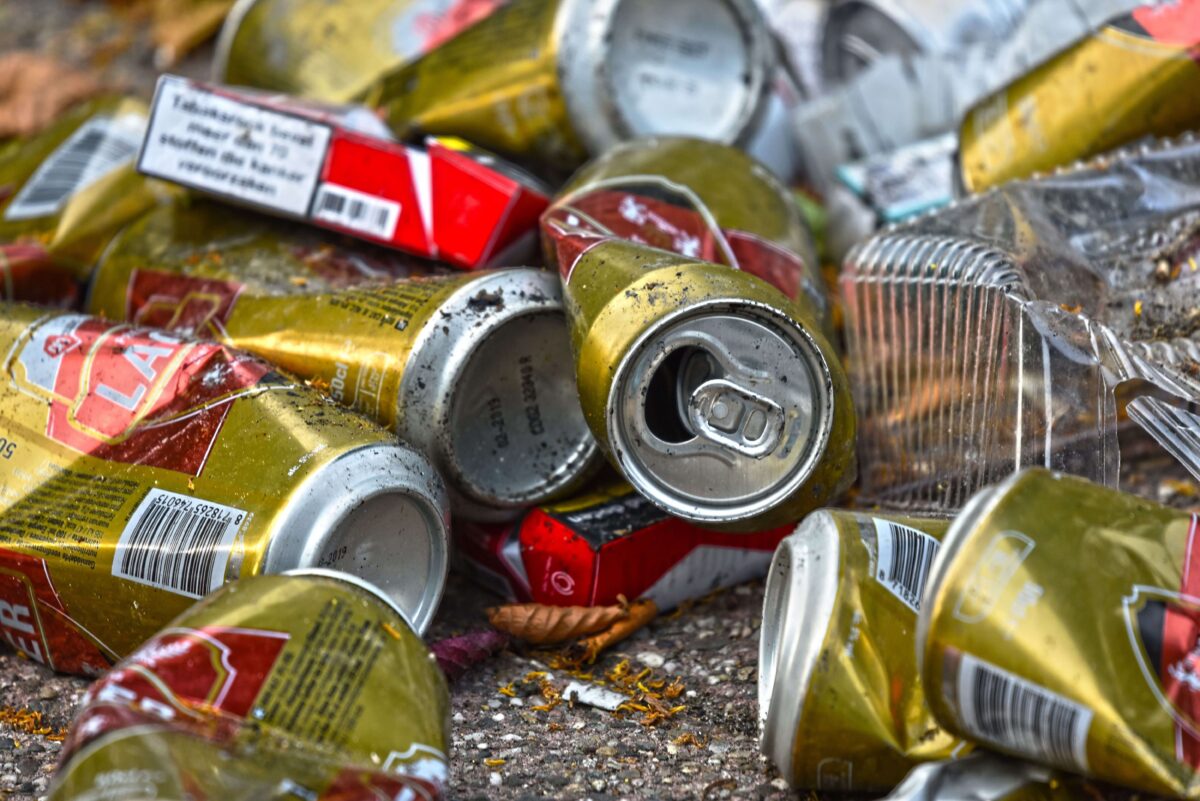
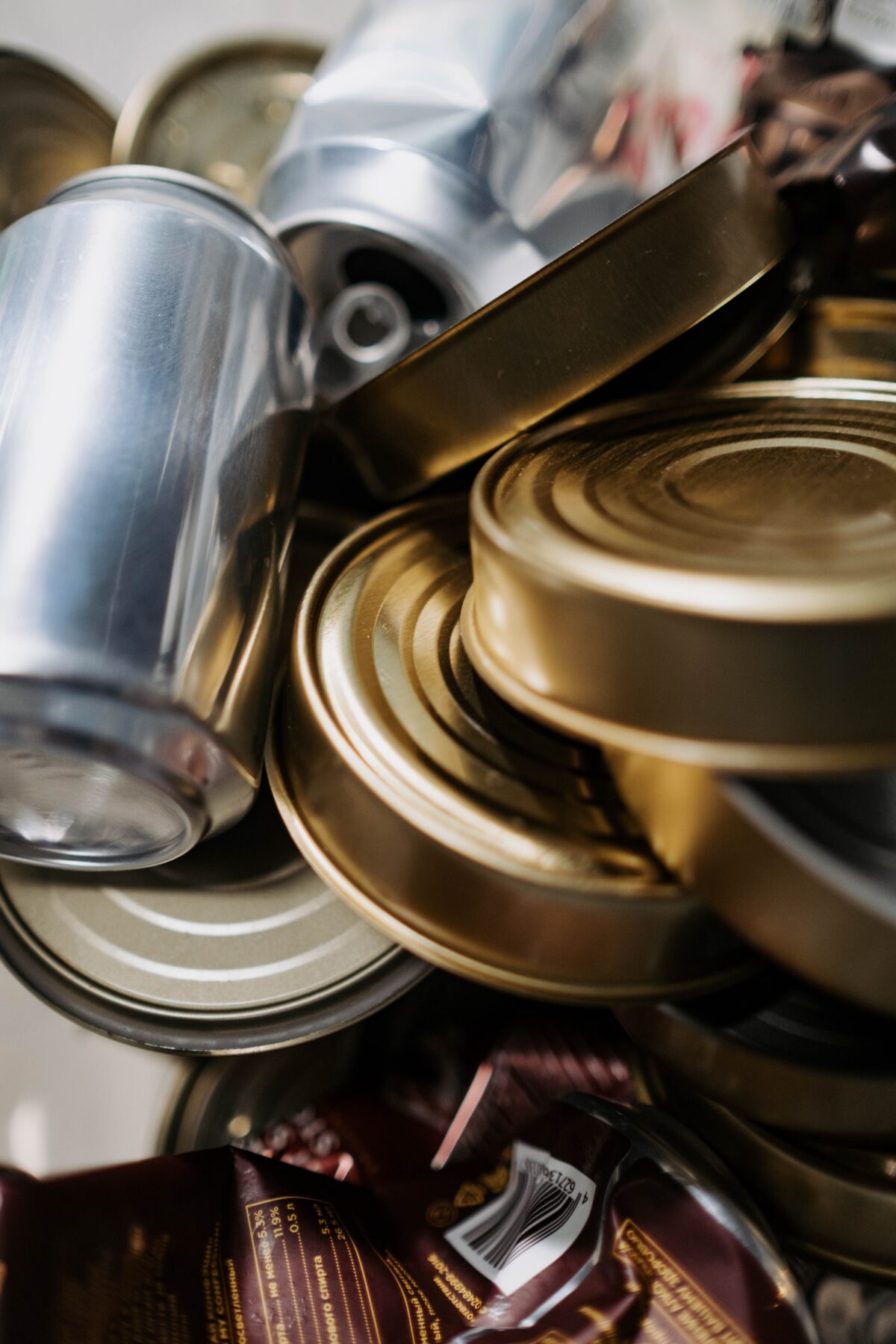
Aluminium cans are a common recyclable waste stream. Businesses in retail, catering, food production, and offices can produce large amounts of cans and containers. Separate collection helps stop aluminium mixing with general waste.

Aluminium trays and containers may also be recyclable, depending on their condition and the rules of the collection service. Food residue, plastic, and other material can affect how these items are handled, so businesses should follow their provider’s guidance.

Aluminium Foil

Clean aluminium foil can be collected for recycling in suitable commercial waste streams. Catering firms, restaurants, food makers, and food service venues may produce foil during food prep and packaging.

Keep used foil away from unsuitable material where possible. Sorting it at source makes recycling easier and cuts soiling.

Aluminium Sheets and Plates

Aluminium sheets and plates are widely used in manufacturing, engineering, construction, and fabrication. Cutting these materials can create valuable scrap aluminium in different sizes and shapes.

Aluminium Profiles and Extrusions

Profiles and extrusions are used in construction, manufacturing, glazing, and engineering. They can include frames, sections, and other shaped aluminium parts.

When these items are no longer needed, they can often enter a dedicated aluminium recycling stream. Removing attached parts where proper can help improve sorting, although businesses should confirm prep needs before processing or taking items apart.

Aluminium Machining Scrap and Swarf

Engineering and manufacturing work can create aluminium chips, turnings, and swarf during machining. These materials can be recyclable, but their condition matters.

Swarf may contain cutting fluids, oils, or other residues. Businesses should tell their recycling provider about any soiling before collection. This lets the provider choose the right handling and recycling route.

Aluminium Cable and Components

Some industrial and electrical work produces aluminium cable, components, and manufacturing offcuts. These items may also include insulation, plastic, or steel, so they should not be treated as clean aluminium straight away.

Giving accurate details about the material helps a recycler decide whether more sorting or processing is needed.

How Should Businesses Prepare Aluminium for Recycling?

Businesses should keep aluminium apart from general waste and other metals wherever practical. Clean material should be stored safely and protected from avoidable soiling.

Different types of aluminium can have different alloys, coatings, or attached parts. The Environment Agency gives guidance on waste sorting and the right waste code before collection. Businesses can use this to support proper waste management and records.

Recycling Aluminium and Recovering Raw Materials

Recycling aluminium lets recovered material return to manufacturing instead of being lost through disposal. This supports wider use of secondary raw materials and cuts the need to rely fully on newly mined resources.

A business that sorts aluminium at source can help create a cleaner recycling stream. This is especially useful where large amounts of scrap are made often.

How Can Businesses Improve Aluminium Recycling?

Businesses can start by finding the places and tasks that create aluminium waste. Put clearly labelled containers near those spots to cut mixing with general waste.

Regular collections can also help businesses manage larger amounts of scrap. Before booking a collection, businesses should confirm the material type, amount, condition, and any soiling with the recycling provider.

Businesses should also use a properly registered waste carrier and keep the required waste records. GOV.UK gives guidance on business waste duties and waste codes.

The main types of aluminium waste businesses can recycle include scrap aluminium, sheets, plates, profiles, extrusions, cans, foil, trays, machining scrap, and swarf. The recycling route depends on the material, alloy, condition, and level of soiling.

Keeping aluminium separate from other waste streams helps businesses recover useful material and supports the continued use of recycled raw materials. With safe storage, sorting, and collection, aluminium waste can stay in the recycling cycle instead of becoming needless disposal waste.

How Is Metal Made?

Metal is one of the most important materials in human history, shaping everything from tools and buildings to transport and technology. But how is metal made? The journey of metal, from raw ore to the products we use every day, is a fascinating process that combines natural geology, human ingenuity, and modern recycling methods.

At MetalCycle, we specialise in collecting and recycling scrap metal across the UK. Understanding how metal is made highlights not only the value of this resource but also why recycling is so essential.

The Origins of Metal

Metals are naturally occurring elements found in the Earth’s crust. Some, like gold and copper, can be discovered in a relatively pure state. Others, such as iron and aluminium, exist within ores; rocks that contain concentrated amounts of metal combined with other minerals.

Mining is the first step in the process of making new metal. Ores are extracted from the ground, then transported to refineries where they undergo separation and processing.

Extracting Metal from Ore

The way metal is made depends on the type of ore:

  • Smelting: For metals like iron, copper, and lead, smelting is the most common method. The ore is heated to very high temperatures in a furnace with a reducing agent (such as carbon). This process removes oxygen and leaves behind purified metal.
  • Electrolysis: Metals like aluminium require electrolysis, where an electric current is passed through a molten or dissolved ore to separate the metal.
  • Chemical Reduction: Certain metals, including titanium, are extracted using chemical reactions with other elements to isolate the pure metal.

Refining and Shaping Metal

Once extracted, the raw metal is refined to remove impurities and improve its strength, durability, or conductivity. Common refining methods include:

  • Electrolytic refining for producing ultra-pure copper and silver.
  • Alloying, where metals are combined (such as iron with carbon to make steel).
  • Casting and rolling, shaping the purified metal into sheets, bars, or wires ready for manufacturing.

Recycling: The Sustainable Way Metals Are Made

While mining and smelting are essential, making metal from raw ore consumes enormous amounts of energy and produces significant carbon emissions. This is where recycling plays a vital role.

At MetalCycle, we help businesses across the UK recycle their scrap metal efficiently. Recycling metal uses far less energy compared to producing new metal:

  • Aluminium recycling saves up to 95% of the energy required to make it from ore.
  • Steel recycling reduces energy use by around 60% and prevents waste from going to landfill.

In many ways, recycling is simply another stage in the process of how metal is made; turning old, unused products back into valuable raw materials.

Why Understanding Metal Production Matters

Knowing how metal is made helps us appreciate its value and the importance of keeping it in circulation. From ancient furnaces to modern recycling plants, the story of metal is one of innovation and sustainability.

By choosing to recycle with MetalCycle, UK businesses not only save money but also contribute to a greener future. This ensures that metals can be used again and again without losing their quality.

If your business has waste metal to recycle, get in touch with our team today. We make recycling straightforward, cost-effective, and sustainable.