Electric motors can be repaired, reused, or recycled when they stop working. Electric motor recycling recovers valuable metals and helps reduce industrial waste.
What Happens to Electric Motors at End of Life?
What happens to electric motors at end of life depends on their condition, design, and remaining value. Motors used in factories, pumps, manufacturing equipment and commercial machinery may be repaired, reused or recycled when they are no longer needed.
Rather than treating every unwanted motor as waste, businesses can assess whether it remains useful. Repairing a motor can extend its working life, while recycling allows valuable materials to be recovered when further use is not practical.
The best option depends on the motor’s condition, repair costs, safety and potential for material recovery.
Can Electric Motors Be Repaired or Reused?
Electric motors may develop faults because of worn bearings, damaged windings, overheating or electrical failures. However, these problems do not always mean the motor has reached the end of its useful life.
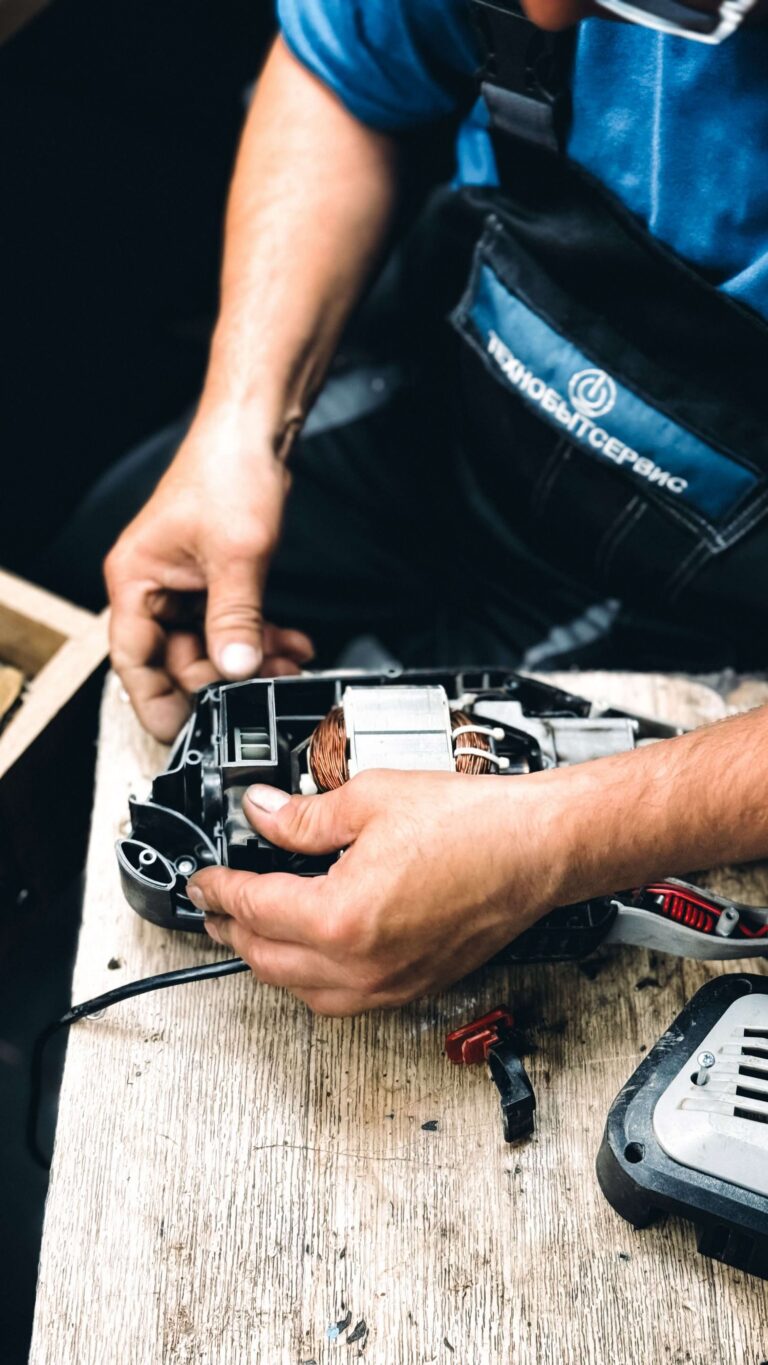
A qualified technician can inspect the equipment and determine whether repairs are practical. Replacing worn components or repairing damaged parts may allow the motor to return to service.
Reuse is another option for motors that remain in suitable working condition. Businesses should check their performance, safety and compatibility before installing them in other equipment.
Repair and reuse can reduce waste and delay the need for replacement. However, when a motor is severely damaged, inefficient or too expensive to restore, recycling may be the more appropriate choice.
How Does Electric Motor Recycling Work?
Electric motor recycling involves several stages that prepare the equipment for material recovery. The process varies according to the motor’s size, construction, and the facilities available.
Collection and Inspection
The process begins with collection and inspection. A recycling specialist assesses the motor’s condition, identifies its main components and determines the most suitable handling method.
Businesses should provide accurate information about the equipment and arrange collection through an appropriate waste contractor. This helps ensure that unwanted motors are managed safely and correctly.
Dismantling Electric Motors
The motor is dismantled using suitable tools and equipment. Depending on its design, this may involve removing the outer casing, shaft, bearings, rotor, stator and other components.
Separating these parts makes it easier to identify different materials. Safe handling is essential because electric motors can be heavy and may have sharp edges or other mechanical hazards.
Sorting Valuable Materials
After dismantling, the components are separated according to their material type. Copper windings, steel parts and aluminium housings are common examples of recoverable materials.
Some electric motors also contain plastics, insulation and other components that require separate handling. The materials recovered depend on the motor’s construction and the recycling facility’s capabilities.
Processing Recovered Metals
The sorted materials are prepared for further processing. Depending on their type and quality, metals may be cut, shredded, graded or sent to specialist processors.
Recovered metals can then be used as raw materials in manufacturing. This helps keep useful resources in circulation and reduces the need to rely entirely on newly extracted materials.
What Valuable Materials Can Be Recovered from Electric Motors?
Electric motors contain several materials that may have recycling value.
Copper is commonly used in motor windings because it conducts electricity effectively. Once recovered and processed, it can be used in new electrical products and other manufacturing applications.
Steel is often found in shafts, casings and structural components. Recycling steel allows the material to be processed for use in new metal products.
Aluminium is present in some motor housings and components. It can be recovered and reprocessed for further manufacturing.
Other materials may include plastics, insulation and additional metals. Their recovery depends on the motor’s design and the available separation methods.
The amount of material recovered varies between motors. Size alone does not determine the quantity or value of copper and other metals, so an individual assessment is useful when estimating recycling value.
Why Is Electric Motor Recycling Important?
Electric motor recycling helps businesses manage industrial waste more responsibly. Recovering metals reduces the amount of useful material sent for disposal and supports the efficient use of existing resources.
Recycling can also reduce demand for virgin raw materials. Producing metals from recovered material may require less energy than primary production, although the environmental benefits depend on the material and processing method.
There may also be financial benefits. Copper, steel and aluminium can have commercial value, but returns depend on material quality, market prices, transport costs and processing requirements.
For businesses that regularly replace machinery, recycling provides a practical way to manage unwanted equipment. Including electric motors in a wider waste management plan can improve material separation and support responsible disposal practices.
How Should Businesses Manage Electric Motors at End of Life?
Businesses should first determine whether unwanted motors can be repaired or reused. If neither option is suitable, they should arrange recycling through an appropriate waste contractor.
Keeping motors separate from general waste where practical can make collection and material recovery easier. Businesses should avoid unsafe dismantling and ensure that equipment is handled by people with suitable training and tools.
UK organisations must also consider applicable waste regulations. In England, the Environment Agency provides guidance on when electrical and electronic equipment becomes waste. Businesses should check the relevant requirements for their location, as regulations can differ across the UK.
Choosing a suitable recycling route helps ensure that unwanted equipment is handled appropriately and valuable materials are recovered where possible.
Give Old Electric Motors a Useful Next Life
Electric motors can remain valuable after they stop working. Repair and reuse may extend their service life, while electric motor recycling recovers metals for further use.
By assessing each motor carefully and choosing an appropriate recovery route, businesses can reduce avoidable waste, conserve resources and improve industrial waste management.