Common Materials Found in Electric Motors

Electric motors contain copper, steel, aluminium and other materials. Identifying these components helps businesses recover valuable metals, reduce waste, and support responsible recycling.

Common materials found in electric motors include copper, steel, aluminium, cast iron and insulating materials. These components work together to help electric motors convert electrical energy into mechanical movement.

Electric motors are used in industrial machinery, pumps, fans, manufacturing equipment and electric vehicles. Their materials vary according to their design, size, and purpose.

When equipment reaches the end of its working life, many of its components can still be useful. Electric motor recycling helps recover valuable metals and reduces the amount of material sent for disposal.

Understanding what an electric motor contains helps businesses identify recycling opportunities and manage unwanted equipment responsibly.

Copper Wires and Motor Windings

Copper is one of the most valuable materials found in many electric motors. It is widely used because it conducts electricity efficiently and can withstand demanding operating conditions.

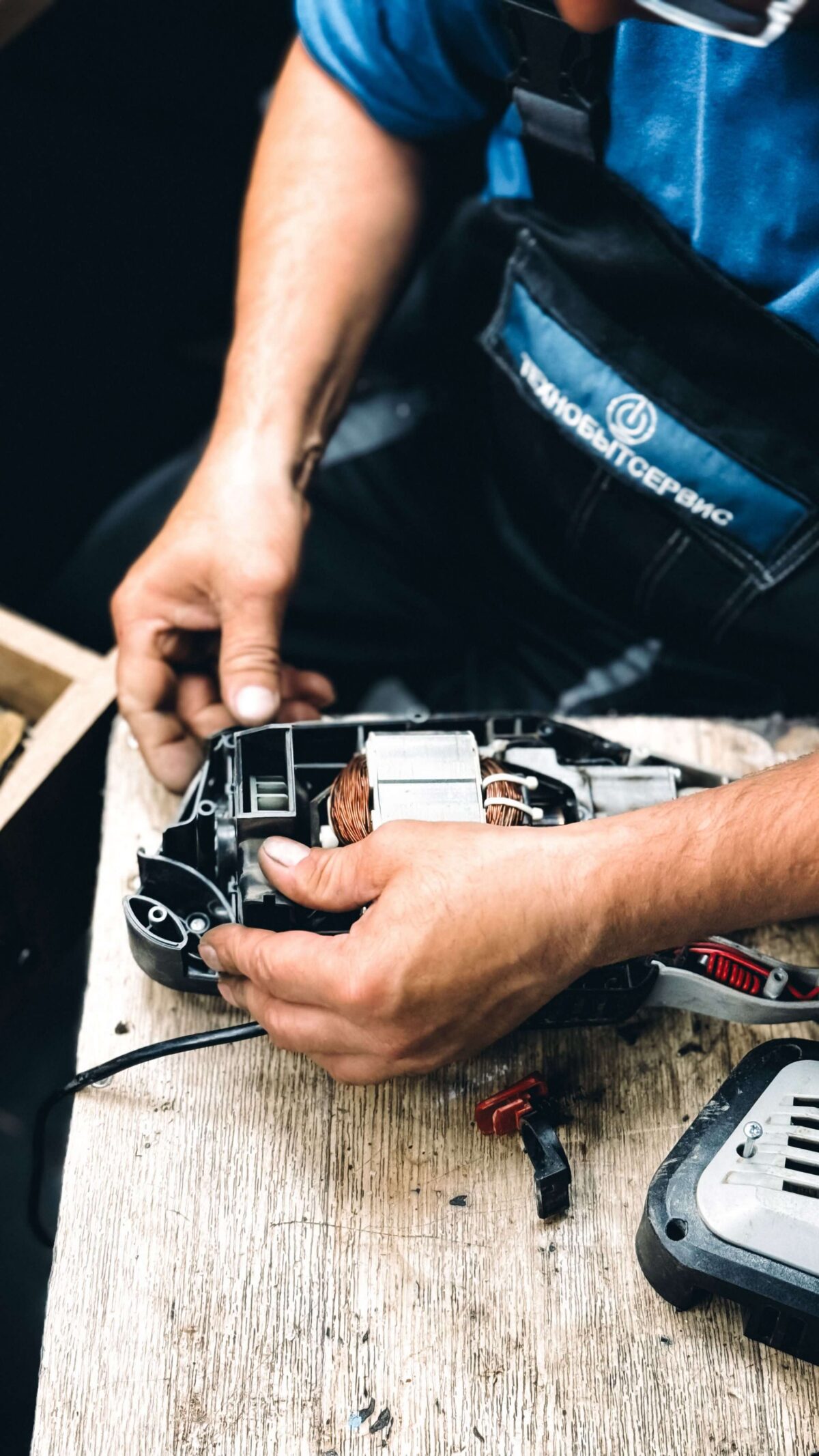
Copper wires are commonly arranged into motor windings inside the stator. The stator is the stationary part of the motor. When electricity passes through the motor windings, they generate a magnetic field that interacts with the rotor.

The rotor is the rotating component that produces mechanical movement. This process allows an electric motor to power machinery, fans, pumps and other equipment.

Copper is particularly important because efficient electrical conduction helps the motor operate as intended. The quantity of copper varies depending on the motor’s size, design and application.

Copper windings are also important during recycling. Once recovered and processed, copper can be used in new electrical products, wiring and industrial components.

Businesses disposing of old motors should consider the value of their copper content. Appropriate separation and processing can help recover this metal and keep it within the manufacturing supply chain.

Steel and Electrical Steel

Steel provides strength and structural support in many electric motors. It can be found in shafts, housings, fasteners and other mechanical components.

Electrical steel has a more specialised role. Manufacturers commonly use it in the stator and rotor cores because of its magnetic properties.

These cores often consist of thin layers of steel stacked together. This construction helps manage energy losses caused by changing magnetic fields and supports efficient motor operation.

Steel components are widely recyclable. Once collected and sorted, they can be processed for use in new steel products and industrial applications.

Separating steel from copper, aluminium and non-metallic materials helps improve the quality of recovered metals. Businesses handling redundant machinery can support this process by keeping motor waste separate from unrelated waste streams.

Aluminium Components

Aluminium is another common material found in electric motors. It is lightweight, corrosion-resistant and a useful conductor of heat and electricity.

Depending on the design, aluminium may be used in motor housings, end covers, cooling components and rotor conductors. Some induction motors use aluminium in their rotor construction instead of copper.

Its low weight makes aluminium suitable for applications where equipment weight matters. It can also support designs that require effective heat management.

Aluminium has strong recycling potential. Recovered aluminium can be processed into new products, helping conserve resources and reduce the need for primary metal production.

For businesses managing old electrical equipment, identifying aluminium components can improve material separation and support more efficient recycling.

Cast Iron and Motor Housings

Cast iron is commonly used in the housings of some larger industrial electric motors. It provides strength, rigidity and durability in demanding working environments.

The housing protects internal components and supports the motor assembly. Cast iron may be selected where a robust structure is required, although other motors use aluminium or steel housings.

Cast iron and steel are both ferrous metals, meaning iron is their main metallic component. However, their composition and properties differ, so recycling facilities may sort them separately.

Recovering cast iron from unwanted motors helps preserve useful resources. It also reduces the amount of metal that would otherwise be discarded.

Businesses should avoid assuming that every heavy motor contains cast iron. The material depends on the manufacturer’s design and the intended application.

Permanent Magnets and Specialised MetalsSome electric motors use permanent magnets to create a magnetic field. These magnets are common in brushless motors and certain electric vehicle drive systems.

Ferrite magnets are used in various applications, while high-performance motors may contain neodymium-iron-boron magnets. These are often known as NdFeB magnets.

NdFeB magnets contain rare earth elements, including neodymium, and may contain other elements depending on their composition. These materials can support strong magnetic performance in compact motor designs.

Recovering permanent magnets can be more complex than processing bulk steel or aluminium. Their location, construction and material composition affect how easily they can be separated.

Specialist recovery processes may help preserve valuable materials for further use. Where magnets are present, suitable handling and processing can improve resource recovery and reduce the loss of materials during recycling.

Plastics and Electrical Insulation

Electric motors also contain non-metallic materials. These include plastics, rubber, resins, varnishes and electrical insulation.

Plastic components may be found in terminal boxes, cooling fans and protective covers. Rubber can be used in seals, while insulation protects motor windings and separates conductive parts where necessary.

These materials help an electric motor operate safely and reliably. Without suitable insulation, electrical faults, overheating and equipment damage may occur.

However, non-metallic materials can be more difficult to recycle than clean metals. Some components contain bonded materials, coatings or mixtures that require additional processing.

Certain plastics may be recoverable when they can be identified and separated. Other materials may need specialist treatment or an alternative disposal route.

Businesses should use an appropriate recycling provider rather than assume every motor component can be recycled through the same process.

Brass, Bearings and Smaller Components

Brass, bearings and other small metal parts can also be present in electric motors.

Brass may be used in terminals, connectors and fittings. Bearings are commonly made from steel or specialised bearing alloys and allow rotating components to move with reduced friction.

Other parts, such as fasteners and retaining rings, may contain different metal grades.

Although these components can represent a small proportion of the total motor weight, separating them may improve material recovery. Bearings that remain in good condition may sometimes be suitable for reuse, while worn or damaged parts may require recycling.

The exact materials depend on the motor’s design, age and intended use. Correct identification helps recycling facilities direct each component towards a suitable recovery process.

Why Material Identification Matters for Electric Motor Recycling

Identifying the materials inside electric motors helps businesses choose an appropriate recycling route. Copper, steel, aluminium and permanent magnets have different properties and may require different separation methods.

Effective sorting can reduce contamination and improve the quality of recovered materials. It also helps recycling facilities identify components that may need specialist treatment.

Recycling supports resource conservation by keeping useful metals in circulation. Recovering existing materials can reduce demand for newly extracted raw materials and support more responsible manufacturing.

Businesses should assess whether unwanted motors can be repaired, refurbished or reused before arranging recycling. When equipment is no longer suitable for use, an appropriate recycling provider can advise on collection, handling and material recovery.

Motors should be disconnected safely before removal. Businesses must also follow applicable waste management requirements and use suitable arrangements for transporting and processing electrical equipment.

Managing Old Electric Motors Responsibly

A practical approach starts with identifying redundant motors and assessing their condition. Equipment that remains functional may be suitable for repair or reuse, while damaged or obsolete units may require recycling.

Businesses should store unwanted motors securely and protect them from unnecessary damage. Keeping them separate from general waste can make collection and processing easier.

A suitable recycling provider can assess the equipment and determine the appropriate recovery route. For companies with multiple motors, planned collections can help manage storage space and reduce unnecessary handling.

For further information, visit our page on electric motor recycling to learn how unwanted motors can be managed and valuable metals recovered.

Electric motors contain several useful materials, including copper, steel, aluminium, cast iron and, in some designs, permanent magnets. Plastics, brass, bearings and insulation also contribute to their construction.

Understanding these materials helps businesses manage redundant equipment more effectively. Repair and reuse should be considered where practical, while suitable recycling can recover metals and reduce waste when motors reach the end of their working life.
Why Old Electric Motors Should Be Recycled

Electric motor recycling recovers useful metals, cuts waste, and saves resources. It also helps businesses manage unwanted equipment in a safe, responsible way.

Understanding why old electric motors should be recycled helps businesses make better choices about machinery and waste. Electric motors are used in factories, workshops, pumps, ventilation systems, and manufacturing lines. When they are damaged or reach the end of their life, recycling is a practical way to recover useful materials.

Rather than sending unwanted motors for disposal, businesses can arrange professional electric motor recycling. This helps save resources, cut waste, and support greener industrial practice.

Recover Valuable Metals from Electric Motors

One main reason why old electric motors should be recycled is their metal content. Many electric motors contain copper windings, steel casings, aluminium parts, and other usable materials. The exact mix depends on the motor size, design, and use.

Copper is especially valuable because electricity flows through it so well. Steel and aluminium are also widely used in manufacturing, construction, and engineering. Recovering these metals lets them be used again as raw materials.

Specialist recyclers can take motors apart and separate the parts for recovery. This cuts the amount of useful metal lost through disposal and gives manufacturers materials for new products.

For businesses handling large amounts of scrap motors, recycling is a responsible way to manage unwanted equipment while recovering useful resources.

Reduce Industrial Waste

Old electric motors can take up valuable space in factories, warehouses, and maintenance workshops. When damaged equipment builds up, storage areas become harder to manage and waste handling gets more difficult.

Electric motor recycling helps move suitable materials away from disposal by separating recyclable parts from other waste. Instead of treating the whole motor as useless, recyclers can identify metals and parts that still have value.

Businesses can improve waste management by arranging collections when equipment is replaced or no longer fits the job. Keeping scrap motors separate from general waste also makes handling and collection simpler.

Less unnecessary disposal helps businesses manage waste more efficiently and use industrial resources more responsibly.

Conserve Natural Resources

Making new metals often means mining, refining, and processing raw materials. These tasks use energy and can affect land, water, and nearby ecosystems.

Recycling metals from electric motors keeps existing materials in use. Recovered copper, steel, and aluminium can be processed for new manufacturing jobs, reducing the need for virgin materials when recycled options are suitable.

Recycling does not remove the need for mining, but it does make better use of materials already taken from the earth. This supports resource efficiency and encourages manufacturers to consider recycled materials when they buy supplies.

Businesses that make recycling a priority can help with more responsible material use across their supply chains.

Support the Circular Economy

The circular economy keeps products and materials in use for as long as possible. Repair, reuse, refurbishment, and recycling all support this idea.

When electric motors stop working, they may still contain parts or materials that have value. Some motors can be repaired or refurbished if they are in good enough condition. When reuse is not possible, recycling gives another route for recovering resources.

This helps stop useful materials from becoming avoidable waste. It also encourages businesses to think about the full life of their equipment, from buying and maintenance to replacement and disposal.

Electric motor recycling therefore supports a more efficient use of resources across industrial operations.

Improve Business Waste Management

Businesses may produce scrap motors when they replace machinery, upgrade production lines, or maintain industrial equipment. Without a clear process, unwanted motors can build up and create storage and handling problems.

Using the right recycling provider helps businesses arrange collections and send materials to suitable treatment sites. Keeping accurate waste records can also help organisations track disposal and show responsible handling.

UK businesses should check the waste rules that apply to their equipment. Depending on the motor and the situation, waste electrical and electronic equipment (WEEE) rules may apply.

The GOV.UK guidance on waste electrical and electronic equipment explains the key rules. Businesses should confirm which rules apply to their waste and location.

Reduce the Environmental Impact of Metal Production

Mining and processing virgin metals can need a lot of energy and natural resources. Recovering metals from old electric motors can reduce demand for newly mined materials and may lower the environmental impact linked to producing certain metals.

The benefits depend on the metals recovered, transport distance, processing method, and recycling efficiency. Even so, recycling helps keep useful resources in the manufacturing supply chain instead of throwing them away.

Businesses can strengthen their environmental practices by combining recycling with maintenance, repair, and careful buying decisions.

Choose a Responsible Electric Motor Recycling Service

Choosing a suitable recycling service helps businesses manage unwanted motors safely and efficiently. The first step is to check whether equipment can be repaired, refurbished, or reused before considering material recovery.

Motors that cannot be reused may be taken apart so recyclable metals can be separated. Specialist facilities use the right methods to recover materials and handle parts that need separate treatment.

Businesses should store unwanted motors safely and make sure their chosen provider is authorised to handle the relevant waste, where needed. A steady collection process can also help organisations deal with regular amounts of industrial scrap.

For businesses that replace electric motors often, professional recycling offers a practical way to recover useful materials and improve waste management.

Old electric motors should be recycled because they contain valuable metals that can be recovered and used again. Electric motor recycling helps cut waste, save natural resources, and support the circular economy.

By focusing on suitable reuse and recycling, businesses can manage unwanted equipment more responsibly and make better use of existing materials.

How Businesses Can Manage Waste Motors

Businesses can manage waste motors by checking equipment, reusing parts, storing unwanted units safely, and arranging responsible electric motor recycling. These steps recover useful materials, reduce waste and support a stronger circular economy.

Managing waste motors is a key part of waste management for manufacturers, workshops, engineering firms and maintenance teams. When motors become damaged, slow or outdated, they can take up space and hold useful materials.

A clear management system helps businesses sort scrap, turn it into recycled materials and lower their environmental impact. It also makes disposal safer and easier to track.

Why businesses need to manage waste motors

Electric motors are used in pumps, conveyors, fans, machinery and plant equipment. Even at the end of life, they may still contain value.

Depending on their design, motors may contain copper windings, steel casings, aluminium parts and other usable metals. Sending suitable motors to specialist recycling sites lets these resources enter new production instead of being thrown away needlessly.

Poor waste management can also create storage problems, raise handling risks and make records harder to keep. A clear management system helps staff find unwanted equipment, plan collections and keep good records.

Assess motors before disposal

First, inspect each motor and decide whether it can be repaired, refurbished, reused or recycled. Some units may only need a small fix.

Separate reusable equipment from damaged units and note the numbers removed. This helps teams make better choices and keeps useful items out of the waste stream too soon.

Separate motors from other waste materials

Keep unwanted motors apart from general rubbish whenever possible. Mixing motors with other waste materials can slow handling and make recovery less efficient.

A set collection area helps staff spot items that need assessment or recycling. Keep motor types sorted when this makes handling safer or recycling easier.

Do not strip motors without the right training, tools and steps. Specialist recyclers can explain how to prepare items safely.

Store waste motors safely

Safe storage protects staff, visitors and the site. Place motors on stable surfaces or suitable pallets in a place that does not block walkways, exits or normal work.

Large motors may need lifting gear because they are heavy. Staff should follow workplace handling rules and use the right kit when moving them.

Where motors contain oil, grease or other harmful substances, businesses should stop leaks and arrange proper handling. Storage areas should stay secure and easy for approved collection teams to reach.

Arrange electric motor recycling

Electric motor recycling allows suitable metals and parts to be recovered for later use. Copper windings can be especially valuable, while steel and aluminium may also be recovered, depending on the motor and the site’s process.

Businesses should speak with a suitable recycling provider to confirm accepted materials, collection amounts and transport plans. Ask how the motors will be processed and what paperwork will be provided.

For firms that produce waste regularly, planned collections can help prevent needless build-up. The best plan depends on scrap volume, storage space and collection needs.

Choose reuse and recycling over disposal

Reusing or refurbishing suitable motors can extend their life and reduce demand for new equipment. When repair is not practical, recycling is the next best option.

These choices support a circular economy, where products and materials stay in use for longer. Recovering metals can also create recycled materials for new products and reduce reliance on newly mined resources.

Understand UK waste management duties

Businesses must make sure waste is handled and passed on in the right way. Rules vary across England, Wales, Scotland and Northern Ireland, so companies should check the rules for their area.

In England and Wales, the waste duty of care says waste holders must manage waste responsibly and use approved parties. Some transfers need proper records, and hazardous waste may need extra controls.

Businesses should check whether unwanted motors contain anything that needs special handling. They should also confirm the rules before arranging transport or disposal.

Read the UK Government’s waste duty of care guidance for more on safe waste handling and transfer.

Benefits of responsible waste motor management

A steady waste management process can improve site order, support material recovery and reduce avoidable disposal. Good records also help businesses track removed equipment and spot ways to improve resource use.

Recovering metals can provide feedstock for manufacturing and other industrial uses. Depending on metal prices, motor condition, processing costs and collection plans, businesses may also receive value for suitable scrap.

These benefits support environmental goals and show responsible resource use.

Improve your waste motor management system

Businesses can make waste motor management better by building disposal into regular maintenance. Staff should know where unwanted motors go, how to report damaged units and who to contact for collections.

Recording collection dates, quantities and the receiving provider gives a clearer view of waste generation. Reviewing these records can show repeat problems, improve storage and help reduce waste over time.

Working with the right recycling provider can also make collection planning and material recovery easier.

Managing waste motors well depends on safe storage, careful checks, responsible collections and proper recycling. Reuse where possible, and recover useful metals when repair is not practical. This helps cut waste and supports a more sustainable circular economy.

With a reliable management system, businesses can improve waste management, protect resources and lower their environmental impact.

What Happens to Electric Motors at End of Life?

Electric motors can be repaired, reused, or recycled when they stop working. Electric motor recycling recovers valuable metals and helps reduce industrial waste.

What Happens to Electric Motors at End of Life?

What happens to electric motors at end of life depends on their condition, design, and remaining value. Motors used in factories, pumps, manufacturing equipment and commercial machinery may be repaired, reused or recycled when they are no longer needed.

Rather than treating every unwanted motor as waste, businesses can assess whether it remains useful. Repairing a motor can extend its working life, while recycling allows valuable materials to be recovered when further use is not practical.

The best option depends on the motor’s condition, repair costs, safety and potential for material recovery.

Can Electric Motors Be Repaired or Reused?

Electric motors may develop faults because of worn bearings, damaged windings, overheating or electrical failures. However, these problems do not always mean the motor has reached the end of its useful life.

A qualified technician can inspect the equipment and determine whether repairs are practical. Replacing worn components or repairing damaged parts may allow the motor to return to service.

Reuse is another option for motors that remain in suitable working condition. Businesses should check their performance, safety and compatibility before installing them in other equipment.

Repair and reuse can reduce waste and delay the need for replacement. However, when a motor is severely damaged, inefficient or too expensive to restore, recycling may be the more appropriate choice.

How Does Electric Motor Recycling Work?

Electric motor recycling involves several stages that prepare the equipment for material recovery. The process varies according to the motor’s size, construction, and the facilities available.

Collection and Inspection

The process begins with collection and inspection. A recycling specialist assesses the motor’s condition, identifies its main components and determines the most suitable handling method.

Businesses should provide accurate information about the equipment and arrange collection through an appropriate waste contractor. This helps ensure that unwanted motors are managed safely and correctly.

Dismantling Electric Motors

The motor is dismantled using suitable tools and equipment. Depending on its design, this may involve removing the outer casing, shaft, bearings, rotor, stator and other components.

Separating these parts makes it easier to identify different materials. Safe handling is essential because electric motors can be heavy and may have sharp edges or other mechanical hazards.

Sorting Valuable Materials

After dismantling, the components are separated according to their material type. Copper windings, steel parts and aluminium housings are common examples of recoverable materials.

Some electric motors also contain plastics, insulation and other components that require separate handling. The materials recovered depend on the motor’s construction and the recycling facility’s capabilities.

Processing Recovered Metals

The sorted materials are prepared for further processing. Depending on their type and quality, metals may be cut, shredded, graded or sent to specialist processors.

Recovered metals can then be used as raw materials in manufacturing. This helps keep useful resources in circulation and reduces the need to rely entirely on newly extracted materials.

What Valuable Materials Can Be Recovered from Electric Motors?

Electric motors contain several materials that may have recycling value.

Copper is commonly used in motor windings because it conducts electricity effectively. Once recovered and processed, it can be used in new electrical products and other manufacturing applications.

Steel is often found in shafts, casings and structural components. Recycling steel allows the material to be processed for use in new metal products.

Aluminium is present in some motor housings and components. It can be recovered and reprocessed for further manufacturing.

Other materials may include plastics, insulation and additional metals. Their recovery depends on the motor’s design and the available separation methods.

The amount of material recovered varies between motors. Size alone does not determine the quantity or value of copper and other metals, so an individual assessment is useful when estimating recycling value.

Why Is Electric Motor Recycling Important?

Electric motor recycling helps businesses manage industrial waste more responsibly. Recovering metals reduces the amount of useful material sent for disposal and supports the efficient use of existing resources.

Recycling can also reduce demand for virgin raw materials. Producing metals from recovered material may require less energy than primary production, although the environmental benefits depend on the material and processing method.

There may also be financial benefits. Copper, steel and aluminium can have commercial value, but returns depend on material quality, market prices, transport costs and processing requirements.

For businesses that regularly replace machinery, recycling provides a practical way to manage unwanted equipment. Including electric motors in a wider waste management plan can improve material separation and support responsible disposal practices.

How Should Businesses Manage Electric Motors at End of Life?

Businesses should first determine whether unwanted motors can be repaired or reused. If neither option is suitable, they should arrange recycling through an appropriate waste contractor.

Keeping motors separate from general waste where practical can make collection and material recovery easier. Businesses should avoid unsafe dismantling and ensure that equipment is handled by people with suitable training and tools.

UK organisations must also consider applicable waste regulations. In England, the Environment Agency provides guidance on when electrical and electronic equipment becomes waste. Businesses should check the relevant requirements for their location, as regulations can differ across the UK.

Choosing a suitable recycling route helps ensure that unwanted equipment is handled appropriately and valuable materials are recovered where possible.

Give Old Electric Motors a Useful Next Life

Electric motors can remain valuable after they stop working. Repair and reuse may extend their service life, while electric motor recycling recovers metals for further use.

By assessing each motor carefully and choosing an appropriate recovery route, businesses can reduce avoidable waste, conserve resources and improve industrial waste management.

What Metals Can Be Recovered From Old Electric Motors?

Old electric motors contain recyclable copper, steel, iron, and aluminium. Specialist recycling recovers these materials for reuse.

What Metals Can Be Recovered from Old Electric Motors?

Understanding what metals can be recovered from old electric motors helps businesses identify valuable materials in redundant equipment. Electric motors power industrial machinery, pumps, ventilation systems, manufacturing equipment and household appliances. When these units stop working or become obsolete, their components can often be processed through specialist recycling.

Most conventional electric motors contain copper windings, steel or iron components and a metal housing. Some also contain aluminium, brass, stainless steel and other metals, depending on their design and application.

Through electric motor recycling, businesses can recover these resources rather than sending valuable metal scrap for disposal. The exact materials and quantities depend on the motor’s construction, size, and condition.

1. Copper From Old Electric Motors

Copper is one of the most valuable metals commonly recovered from old electric motors. It is usually found in the windings that conduct electricity and create the magnetic fields required for the motor to operate.

Manufacturers use copper because it offers excellent electrical conductivity, durability and recyclability. Once recovered and processed, copper can be used in electrical cables, wiring, electrical equipment and other industrial products.

The quantity of copper varies between motors. Large industrial units may contain substantial copper windings, while smaller motors from household appliances generally contain less. The ease of separating the windings also affects the recycling process.

Recovering copper helps conserve resources and supplies manufacturers with material that can be processed into new products.

2. Steel and Iron in Electric Motors

Steel and iron provide strength and structural support in many electric motors. They may be present in the motor shaft, internal core, fasteners and outer casing.

Many industrial motors use cast iron housings, while other designs contain steel components. These ferrous metals are widely recycled and can be separated from non-ferrous materials using magnetic equipment.

After collection and sorting, recovered steel and iron can enter established metal processing and manufacturing supply chains. Recycling these materials reduces demand for newly extracted resources and helps businesses manage industrial scrap more responsibly.

3. Aluminium From Motor Housings

Aluminium is another recyclable material found in many electric motors. It is commonly used in housings, end covers and cooling fins because it is lightweight, corrosion-resistant and conducts heat effectively.

During recycling, aluminium components are separated from other metals and prepared for further processing. The recovered material can then be melted and used to manufacture new products.

Not every motor contains aluminium. Some use cast iron or steel housings instead, so recyclers assess the equipment before determining which materials can be recovered.

Keeping aluminium separate from incompatible materials can improve scrap quality and support more efficient processing.

4. Brass and Stainless-Steel Components

Certain electric motors also contain brass and stainless steel. Brass may appear in terminals, connectors, and fittings, while stainless steel can be used in selected fasteners, shafts or specialist components.

These metals are not present in every motor, and their quantities depend on the equipment’s design. However, separating them correctly helps prevent valuable materials from being mixed with other scrap grades.

Brass and stainless steel both have established recycling applications. Their recovery allows useful materials to re-enter manufacturing rather than being unnecessarily discarded.

5. Other Metals in Specialist Electric Motors

Some specialist electric motors contain additional metals. Permanent-magnet motors, for example, may use magnets containing rare-earth elements such as neodymium. Certain components or alloys may also contain nickel or zinc.

These materials are not found in every motor, and recovering them can require specialist equipment and processing methods. Their recovery depends on the motor’s construction, the quantities present, and the available recycling technology.

For this reason, professional assessment is important when dealing with unfamiliar or specialised equipment. Recyclers can identify the main material types and determine the most appropriate recovery route.

How Does Electric Motor Recycling Work?

Electric motor recycling begins with collection, inspection, and sorting. Recyclers assess the motors according to their type, size, condition, and composition. Units suitable for repair may be refurbished, while damaged or obsolete equipment can proceed to material recovery.

During processing, motors are dismantled or mechanically treated to separate their main components. Copper windings are removed using suitable methods, and magnetic separation can help isolate iron and steel. Aluminium, brass and other non-ferrous metals are sorted separately where practical.

The recovered metals are then prepared for onward processing. Insulation, plastics, oils and other non-metal components must also be handled appropriately.

Safe dismantling requires suitable equipment and procedures, particularly where motors contain contaminated parts or other materials that need special handling.

Why Is Recycling Old Electric Motors Important?

Recycling old electric motors helps businesses recover useful materials from redundant machinery. It can reduce disposal volumes, conserve natural resources and support more efficient material use.

Copper, aluminium, steel and iron all have established recycling routes. Separating these materials correctly can improve scrap quality and help ensure that each metal reaches a suitable processor.

Manufacturers, engineering companies, maintenance contractors and facilities managers can benefit from including motor recycling in their waste management procedures. Businesses replacing machinery can arrange electric motor recycling to help recover materials from redundant equipment.

Responsible Electric Motor Disposal in the UK

Businesses should use appropriate waste contractors and meet their applicable waste management responsibilities when disposing of unwanted electric motors. Depending on the equipment and circumstances, waste electrical and electronic equipment requirements may apply.

The UK Government provides guidance on waste electrical and electronic equipment regulations. Businesses should check the requirements relevant to their location because regulatory arrangements can differ across the UK.

Motors should not be dismantled without appropriate training, equipment and safety precautions. Specialist recycling helps ensure that recoverable metals are separated and remaining waste is managed responsibly.

Old electric motors commonly contain copper, steel, iron and aluminium, while some designs also include brass, stainless steel and specialist metals. The materials recovered depend on the motor’s construction and the recycling methods available.

Choosing appropriate electric motor recycling helps businesses recover valuable resources, reduce waste and manage redundant equipment responsibly.