Metal production generates billions of tonnes of mining waste worldwide. Ore grade, extraction methods and processing efficiency determine the amount of waste produced. Recycling can reduce demand for newly mined resources and limit the environmental impact.
Mining operations produce large quantities of waste rock, overburden and mineral processing residues before valuable metals can be recovered. In some cases, millions of tonnes of material must be moved to produce relatively small quantities of refined metal. Understanding these figures highlights the environmental impact of metal production and the importance of metal recycling.
How Much Mining Waste Is Generated to Produce Metals?
Metal production generates substantial amounts of mining waste worldwide. Research published in Environmental Science & Technology in 2022 estimated that approximately 37.6 billion metric tonnes of ore and waste rock were associated with producing 25 mineral commodities in 2018.
The research found that iron ore, copper and gold accounted for approximately 83% of this total. These findings demonstrate how heavily mining waste is concentrated in the production of a relatively small number of major commodities.
More recently, S&P Global estimated that approximately 131 billion metric tonnes of mine tailings were produced globally between 1991 and 2025. Tailings are the materials left after valuable minerals have been separated from mined ore.
These statistics cover different waste categories and periods, so they should not be combined. However, they demonstrate the enormous amount of waste product generated throughout the mining industry.
Why Does Metal Production Generate So Much Mining Waste?
Metals are naturally found in mineral deposits, where valuable elements are mixed with other rocks and minerals. Mining companies must extract and process large quantities of material to separate the metals needed for manufacturing.
The amount of waste depends largely on ore grade. Higher-grade ores contain greater concentrations of valuable minerals, meaning less material may need to be processed to recover a particular quantity of metal.
Lower-grade deposits require more excavation, crushing and processing. As accessible high-grade resources become less common, mining operations increasingly depend on deposits containing smaller concentrations of valuable metals.
The extraction process also generates waste at different stages, including surface removal, mineral separation and the treatment of remaining residues.
Main Types of Waste Generated During Metal Mining
Mining waste is produced throughout the extraction and processing stages. Three major categories account for much of the material generated.
1. Overburden and Waste Rock
Overburden refers to soil, vegetation and rock covering a mineral deposit. It must be removed before mining operations can access valuable materials underneath.
Waste rock consists of unwanted rock extracted alongside the ore. Although it may contain small quantities of minerals, processing it is not always economically viable.
Open-pit mining operations can generate particularly large quantities because extensive areas must be excavated to reach deeper deposits.
2. Mine Tailings
Tailings are the finely ground materials remaining after valuable minerals have been separated from crushed ore.
They commonly contain rock particles, water and residual processing chemicals. Depending on the mineral deposit, tailings may also contain substances that require careful environmental management.
These materials are generally stored in specially designed facilities or managed through alternative disposal and recovery methods.
Copper and gold mining are particularly important contributors to global tailings production because of the quantities of ore processed to recover these metals.
3. Processing and Smelting Waste
Additional waste is generated when mineral concentrates are processed into usable metals.
Smelting separates metals from other substances using high temperatures, producing residues such as slag. Other processing stages can generate dust, wastewater and chemical residues.
These materials require appropriate treatment, storage or recovery to reduce environmental risks.
How Much Waste Is Generated When Producing Different Metals?
The amount of mining waste varies considerably between metals. Gold, copper, cobalt and iron have different ore characteristics and processing requirements.
Research by the US Geological Survey (USGS) highlights significant differences in rock-to-metal ratios across mineral commodities.
Gold has particularly high ratios, with estimates ranging between 100,000 and 1,000,000 units of ore and waste rock for each unit of refined metal. Iron ore and aluminium have considerably lower ratios, generally around tens of units.
Cobalt also demonstrates substantial variation. The 2022 research reported a global rock-to-metal ratio of approximately 859, with individual operations showing considerable differences.
These figures show why a single estimate cannot accurately represent every metal. Ore grade, mineral concentration, extraction techniques, and processing efficiency all influence the amount of waste produced.
Environmental Impact of Mining Waste
Large volumes of mining waste can create significant environmental challenges, particularly when materials are not managed correctly.
Waste rock and overburden can permanently alter landscapes, disturb natural habitats, and contribute to soil erosion. Large waste storage areas also require considerable land.
Tailings present additional risks because they can contain residual chemicals and potentially harmful elements. Poorly managed storage facilities may cause contamination if materials escape into surrounding land or waterways.
Another concern is acid mine drainage. This can occur when sulphide minerals are exposed to oxygen and water, producing acidic conditions that allow metals to dissolve and enter surrounding water systems.
Mining and mineral processing also consume substantial amounts of energy and water, contributing to greenhouse gas emissions and pressure on local resources.
Can Metal Recycling Reduce Mining Waste?
Metal recycling can reduce the demand for newly mined materials by recovering valuable metals from existing products, industrial scrap and manufacturing waste.
Unlike primary metal production, recycling does not require the extraction of fresh ore from mineral deposits. This can reduce the need for additional mining activities and the associated removal of overburden and waste rock.
Recycling also allows valuable materials to remain in circulation rather than being discarded after their initial use.
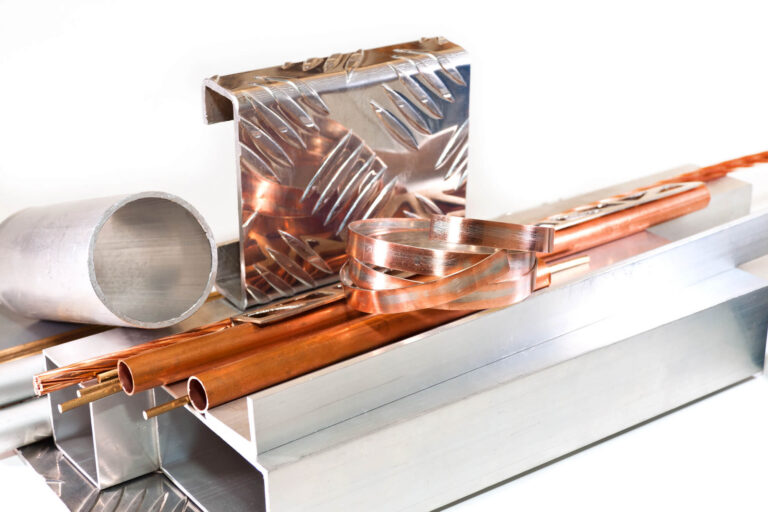
For example, aluminium, copper, nickel and other recyclable metals can be recovered from industrial equipment, electrical components, manufacturing offcuts and end-of-life products. Businesses can support this process by using professional metal recycling services to recover suitable scrap materials.
However, recycling does not eliminate mining waste entirely. Demand for metals continues to require primary production, while recycling processes also generate some residues. Improving collection, sorting, and recovery rates can nevertheless reduce dependence on virgin resources.
How Can Mining Waste Be Reduced?
Mining companies can reduce waste generation by improving extraction and processing efficiency. More accurate geological surveys help identify valuable deposits and reduce unnecessary excavation.
Advanced mineral separation technologies can improve recovery rates, allowing more valuable material to be extracted from the same quantity of ore.
Mining waste can also be reused where its properties make this practical. Certain waste rock and mineral processing residues can be suitable for construction materials, mine backfilling or other industrial applications, subject to appropriate testing and environmental controls.
Reprocessing historic tailings provides another opportunity to recover metals that earlier technologies could not economically extract.
Combining improved mining practices with greater metal recycling can support more efficient resource management.
Mining waste is an unavoidable part of producing metals, but its quantity varies significantly depending on the mineral, ore grade and extraction process. Global research demonstrates that billions of tonnes of ore and waste rock are handled during metal production.
Improving extraction technologies, recovering valuable materials from mining residues and increasing metal recycling can help reduce the environmental pressures associated with primary production. Making better use of existing metal resources is an important step towards a more sustainable and circular materials industry.