How Much Mining Waste Is Generated to Produce Metals?

Metal production generates billions of tonnes of mining waste worldwide. Ore grade, extraction methods and processing efficiency determine the amount of waste produced. Recycling can reduce demand for newly mined resources and limit the environmental impact.

Mining operations produce large quantities of waste rock, overburden and mineral processing residues before valuable metals can be recovered. In some cases, millions of tonnes of material must be moved to produce relatively small quantities of refined metal. Understanding these figures highlights the environmental impact of metal production and the importance of metal recycling.

How Much Mining Waste Is Generated to Produce Metals?

Metal production generates substantial amounts of mining waste worldwide. Research published in Environmental Science & Technology in 2022 estimated that approximately 37.6 billion metric tonnes of ore and waste rock were associated with producing 25 mineral commodities in 2018.

The research found that iron ore, copper and gold accounted for approximately 83% of this total. These findings demonstrate how heavily mining waste is concentrated in the production of a relatively small number of major commodities.

More recently, S&P Global estimated that approximately 131 billion metric tonnes of mine tailings were produced globally between 1991 and 2025. Tailings are the materials left after valuable minerals have been separated from mined ore.

These statistics cover different waste categories and periods, so they should not be combined. However, they demonstrate the enormous amount of waste product generated throughout the mining industry.

Why Does Metal Production Generate So Much Mining Waste?

Metals are naturally found in mineral deposits, where valuable elements are mixed with other rocks and minerals. Mining companies must extract and process large quantities of material to separate the metals needed for manufacturing.

The amount of waste depends largely on ore grade. Higher-grade ores contain greater concentrations of valuable minerals, meaning less material may need to be processed to recover a particular quantity of metal.

Lower-grade deposits require more excavation, crushing and processing. As accessible high-grade resources become less common, mining operations increasingly depend on deposits containing smaller concentrations of valuable metals.

The extraction process also generates waste at different stages, including surface removal, mineral separation and the treatment of remaining residues.

Main Types of Waste Generated During Metal Mining

Mining waste is produced throughout the extraction and processing stages. Three major categories account for much of the material generated.

1. Overburden and Waste Rock

Overburden refers to soil, vegetation and rock covering a mineral deposit. It must be removed before mining operations can access valuable materials underneath.

Waste rock consists of unwanted rock extracted alongside the ore. Although it may contain small quantities of minerals, processing it is not always economically viable.

Open-pit mining operations can generate particularly large quantities because extensive areas must be excavated to reach deeper deposits.

2. Mine Tailings

Tailings are the finely ground materials remaining after valuable minerals have been separated from crushed ore.

They commonly contain rock particles, water and residual processing chemicals. Depending on the mineral deposit, tailings may also contain substances that require careful environmental management.

These materials are generally stored in specially designed facilities or managed through alternative disposal and recovery methods.

Copper and gold mining are particularly important contributors to global tailings production because of the quantities of ore processed to recover these metals.

3. Processing and Smelting Waste

Additional waste is generated when mineral concentrates are processed into usable metals.

Smelting separates metals from other substances using high temperatures, producing residues such as slag. Other processing stages can generate dust, wastewater and chemical residues.

These materials require appropriate treatment, storage or recovery to reduce environmental risks.

How Much Waste Is Generated When Producing Different Metals?

The amount of mining waste varies considerably between metals. Gold, copper, cobalt and iron have different ore characteristics and processing requirements.

Research by the US Geological Survey (USGS) highlights significant differences in rock-to-metal ratios across mineral commodities.

Gold has particularly high ratios, with estimates ranging between 100,000 and 1,000,000 units of ore and waste rock for each unit of refined metal. Iron ore and aluminium have considerably lower ratios, generally around tens of units.

Cobalt also demonstrates substantial variation. The 2022 research reported a global rock-to-metal ratio of approximately 859, with individual operations showing considerable differences.

These figures show why a single estimate cannot accurately represent every metal. Ore grade, mineral concentration, extraction techniques, and processing efficiency all influence the amount of waste produced.

Environmental Impact of Mining Waste

Large volumes of mining waste can create significant environmental challenges, particularly when materials are not managed correctly.

Waste rock and overburden can permanently alter landscapes, disturb natural habitats, and contribute to soil erosion. Large waste storage areas also require considerable land.

Tailings present additional risks because they can contain residual chemicals and potentially harmful elements. Poorly managed storage facilities may cause contamination if materials escape into surrounding land or waterways.

Another concern is acid mine drainage. This can occur when sulphide minerals are exposed to oxygen and water, producing acidic conditions that allow metals to dissolve and enter surrounding water systems.

Mining and mineral processing also consume substantial amounts of energy and water, contributing to greenhouse gas emissions and pressure on local resources.

Can Metal Recycling Reduce Mining Waste?

Metal recycling can reduce the demand for newly mined materials by recovering valuable metals from existing products, industrial scrap and manufacturing waste.

Unlike primary metal production, recycling does not require the extraction of fresh ore from mineral deposits. This can reduce the need for additional mining activities and the associated removal of overburden and waste rock.

Recycling also allows valuable materials to remain in circulation rather than being discarded after their initial use.

For example, aluminium, copper, nickel and other recyclable metals can be recovered from industrial equipment, electrical components, manufacturing offcuts and end-of-life products. Businesses can support this process by using professional metal recycling services to recover suitable scrap materials.

However, recycling does not eliminate mining waste entirely. Demand for metals continues to require primary production, while recycling processes also generate some residues. Improving collection, sorting, and recovery rates can nevertheless reduce dependence on virgin resources.

How Can Mining Waste Be Reduced?

Mining companies can reduce waste generation by improving extraction and processing efficiency. More accurate geological surveys help identify valuable deposits and reduce unnecessary excavation.

Advanced mineral separation technologies can improve recovery rates, allowing more valuable material to be extracted from the same quantity of ore.

Mining waste can also be reused where its properties make this practical. Certain waste rock and mineral processing residues can be suitable for construction materials, mine backfilling or other industrial applications, subject to appropriate testing and environmental controls.

Reprocessing historic tailings provides another opportunity to recover metals that earlier technologies could not economically extract.

Combining improved mining practices with greater metal recycling can support more efficient resource management.

Mining waste is an unavoidable part of producing metals, but its quantity varies significantly depending on the mineral, ore grade and extraction process. Global research demonstrates that billions of tonnes of ore and waste rock are handled during metal production.

Improving extraction technologies, recovering valuable materials from mining residues and increasing metal recycling can help reduce the environmental pressures associated with primary production. Making better use of existing metal resources is an important step towards a more sustainable and circular materials industry.
What Is the Carbon Footprint of Metal Manufacturing?

The carbon footprint of metal manufacturing measures the greenhouse gas emissions released during metal production. These emissions come from extracting raw materials, processing metal ores, operating industrial machinery, transporting materials and manufacturing finished products. Understanding these impacts helps manufacturers reduce emissions, improve energy efficiency, and adopt more sustainable production methods.

Metal manufacturing generates emissions through mining, processing, and energy consumption. Recycling metals and improving production efficiency can reduce its environmental impact.

What Does the Carbon Footprint of Metal Manufacturing Include?

The carbon footprint of metal manufacturing covers greenhouse gas emissions released throughout the production process. Carbon dioxide (CO₂) is the main gas associated with industrial energy use, although methane and nitrous oxide also contribute to global warming.

Manufacturing emissions are commonly divided into three categories. Scope 1 covers direct emissions from activities such as burning fuel in industrial furnaces. Scope 2 includes indirect emissions from purchased electricity, heating and cooling. Scope 3 covers other indirect emissions, including mining, transportation, purchased materials and waste management.

Considering all three categories provides a clearer picture of the environmental impact of metal production.

How Much Carbon Does Metal Manufacturing Produce?

The amount of carbon emitted depends on the metal, production method, energy source, and quantity manufactured.

According to the World Steel Association, producing one tonne of steel generated an average of 2.18 tonnes of CO₂ equivalent in 2024, including Scope 1, 2 and 3 emissions. The global steel industry’s total emissions reached approximately 4.1 billion tonnes of CO₂ equivalent that year.

Aluminium manufacturing also has a substantial carbon footprint. The International Aluminium Institute reported that the average cradle-to-gate footprint of primary aluminium was approximately 14.8 tonnes of CO₂ equivalent per tonne in 2023.

These figures show why reducing emissions from metal manufacturing is important. However, production methods and electricity sources can create considerable differences between manufacturers.

What Factors Increase Greenhouse Gas Emissions?

Several activities contribute to the carbon footprint of metal manufacturing.

Extraction of Raw Materials

Mining iron ore, bauxite, copper, and other metal ores requires heavy machinery, transportation, and substantial energy. Diesel-powered equipment and processing facilities release greenhouse gases before manufacturing even begins.

Energy-Intensive Production Processes

Metal manufacturing often requires extremely high temperatures to melt, refine and shape materials. Blast furnaces, industrial ovens and smelting equipment consume considerable amounts of energy.

When facilities depend on coal, oil or natural gas, these processes generate additional carbon emissions. Electricity consumption can also increase the environmental impact when power comes from fossil fuel sources.

Transportation and Supply Chains

Moving raw materials, semi-finished products and finished metals between mines, processing facilities and manufacturing sites creates further emissions.

Long-distance transportation, inefficient logistics and repeated material handling can increase the overall carbon footprint of metal production.

Industrial Waste

Poor material management can result in valuable metals being discarded during cutting, machining, and fabrication. Replacing wasted materials requires additional extraction and manufacturing, creating avoidable emissions.

How Does Metal Recycling Reduce the Carbon Footprint?

Metal recycling is one of the most effective ways to reduce the environmental impact of metal manufacturing. Instead of relying entirely on newly extracted ores, manufacturers can use recovered scrap metal as a secondary raw material.

Recycling generally requires less energy than producing metals from primary sources. According to the International Aluminium Institute, recycling aluminium saves approximately 95% of the energy required for primary aluminium production.

Steel recycling also offers substantial benefits. World Steel Association data for 2024 shows that scrap-based electric arc furnace production generated approximately 0.71 tonnes of CO₂ equivalent per tonne of crude steel. By comparison, the blast furnace-basic oxygen furnace route generated approximately 2.66 tonnes.

These figures demonstrate the potential of secondary metal production to reduce manufacturing emissions.

Recycling also helps conserve natural resources, reduce landfill waste and limit the environmental damage associated with mining. Many recyclable metals, including aluminium, steel, copper and brass, can be recovered and processed into new products.

Manufacturers can support these benefits by using established metal recycling services and ensuring suitable scrap materials are recovered rather than discarded.

Ways to Reduce the Carbon Footprint of Metal Manufacturing

Reducing industrial emissions requires improvements throughout the manufacturing process.

Use Recycled Raw Materials

Incorporating recovered steel, aluminium, copper and other metals reduces dependence on primary production. This can lower energy consumption and reduce demand for newly extracted resources.

Switch to Renewable Energy

Solar, wind and other renewable electricity sources can reduce emissions associated with powering manufacturing facilities. Cleaner energy supplies are particularly important for energy-intensive metal processing.

Improve Energy Efficiency

Upgrading furnaces, maintaining industrial equipment, and recovering waste heat can help manufacturers reduce unnecessary energy consumption.

Reduce Material Waste

Better production planning, accurate cutting and efficient fabrication techniques help maximise material use. Recovering manufacturing offcuts also allows valuable metals to return to the recycling supply chain.

Improve Transportation

Optimising delivery routes, consolidating shipments and sourcing materials closer to manufacturing facilities can reduce transport-related emissions.

Monitor Industrial Emissions

Measuring Scope 1, Scope 2 and Scope 3 emissions helps businesses identify major sources of pollution and establish realistic reduction targets.

Why Is Sustainable Metal Manufacturing Important?

Reducing the carbon footprint of metal manufacturing supports wider environmental and industrial sustainability goals. Lower emissions help limit the contribution of manufacturing activities to climate change.

More efficient production can also reduce energy costs, improve resource management, and help businesses prepare for changing environmental regulations and customer expectations.

The UK is making progress in reducing industrial emissions. According to the Office for National Statistics, UK manufacturing emissions fell by 7.4% between 2023 and 2024, decreasing from 70 million to 65 million tonnes of CO₂ equivalent.

The transition towards a circular economy is another important development. Recovering and reusing metals keeps valuable materials in circulation, reduces demand for virgin resources and supports more sustainable manufacturing supply chains.

The carbon footprint of metal manufacturing depends on the materials used, production methods, energy sources and transportation requirements. Although primary metal production can generate significant greenhouse gas emissions, manufacturers have opportunities to reduce their environmental impact.

Using recycled metals, improving energy efficiency, adopting renewable electricity, and reducing industrial waste can all contribute to lower-carbon production. Metal recycling will remain an important part of building a more resource-efficient manufacturing industry.

What Is the Difference Between Metal Reuse and Recycling?

Metal reuse and recycling are two ways to cut waste and save natural resources. Knowing the difference helps businesses choose how to handle unwanted metal. Although both support green goals, they use different processes. Metal reuse keeps products or parts in use. Metal recycling turns scrap into material for new products.

Metal reuse extends a product’s life. Metal recycling recovers material for new metal products. Both reduce waste and lower the impact on the environment.

What Is Metal Reuse?

Metal reuse means using an existing metal product, part, or material again. It does not turn it into new raw material. Instead of being thrown away, an item is cleaned, fixed, refurbished, or adapted for another use.

This extends the useful life of metal products and keeps suitable material out of the waste stream. It can also cut the need for replacements.

For example, steel beams taken from an old building may be checked and reused in another project. Aluminium sheets, storage containers, machine parts, and industrial equipment can sometimes be reused after a condition check.

Metal reuse works best when products are still strong and meet the needed quality and safety standards. Items should be checked for damage, corrosion, and grime before reuse.

What Is Metal Recycling?

Metal recycling is the process of collecting unwanted metal and turning it into secondary raw material. These recovered materials can then be used to make new products.

Unlike reuse, recycling usually changes the shape of the original material. Scrap metal may be sorted, cleaned, shredded, melted, and refined before it is ready for manufacturing.

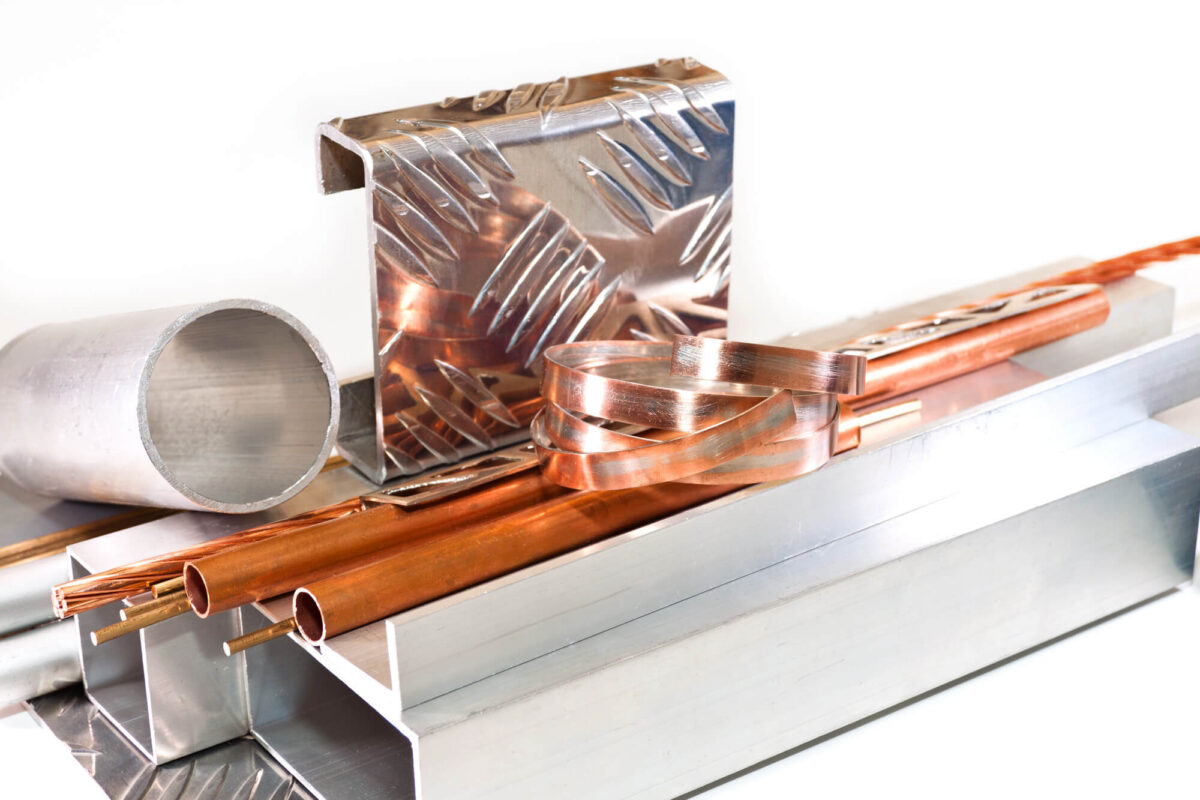
Common recyclable metals include aluminium, copper, brass, steel, stainless steel, lead, and nickel. These types of metals are used in construction, transport, electronics, and manufacturing. Ferrous metals such as steel are especially common in scrap metal recycling.

For example, workers can collect and process discarded copper pipes and electrical cables to recover copper. Scrap steel can be melted and turned into recycled steel for new uses.

Metal recycling reduces the need for virgin raw material and helps keep valuable resources in circulation.

What Is the Difference Between Metal Reuse and Recycling?

The main difference between metal reuse and recycling is how existing materials are handled. Reuse keeps a product or part in service. Recycling turns the material into a form that can be used to make new products.

With metal reuse, the original item keeps most of its structure and function. Recycling recovers and processes the material, often by melting and refining it.

For example, using an old steel frame in another building project is metal reuse. Melting the same frame to make new steel products is metal recycling.

Both methods reduce waste, but reuse usually needs less processing because the material does not need to be broken down and made again.

Key Benefits of Metal Reuse

Metal reuse can bring green and money benefits, especially for businesses that handle industrial equipment, construction materials, and metal parts.

One key benefit is waste prevention. Keeping metal products in use reduces the amount of unwanted material sent for disposal. It also helps businesses get more from what they already have.

Reuse can cut manufacturing needs because fewer replacement products have to be made. This may lower energy use, transport needs, and the carbon footprint linked to manufacturing.

Another benefit is cost savings. Businesses may lower purchase costs by repairing or reusing suitable machines, parts, and structural materials instead of buying new ones.

Metal reuse also helps conserve natural resources by making longer use of materials that already took energy and resources to make.

Key Benefits of Metal Recycling

Metal recycling offers important benefits when products can no longer be reused or when industrial work creates offcuts and scrap.

One major benefit is saving natural resources. Recovering metals from existing products reduces the need for new mining and processing of virgin ores.

Recycling can also cut energy use. According to the International Aluminium Institute, recycling aluminium needs about 95% less energy than making primary aluminium from raw materials. This can lower greenhouse gas emissions and the impact on the environment.

Another benefit is reducing the amount of waste sent to landfill. Scrap metal can become a useful secondary resource instead of being treated as waste.

Metal recycling also supports manufacturing by giving access to high quality recovered materials. This improves supply and supports greener production.

Metal Reuse vs Metal Recycling: How Do the Processes Compare?

Although both approaches aim to extend the life of metal materials, their practical steps are different.

Metal reuse usually involves checking, cleaning, repairing, and refurbishing an existing product. Once it meets the needed quality and safety standards, it can be used again.

Scrap metal recycling involves collecting unwanted materials, identifying the types of metals, separating them, removing residue, and processing them into reusable raw materials.

For example, a reusable brass fitting may only need cleaning and inspection before it is installed again. However, damaged brass fittings that cannot be safely reused can be sent for brass recycling.

The same applies to aluminium recycling and nickel recycling. The best option depends on the material’s condition, composition, and intended use.

Statistics: Why Metal Reuse and Recycling Matter

UK recycling statistics show the value of recovering metals. According to Defra’s UK Statistics on Waste, 682,000 tonnes of metal packaging waste were generated in 2024. About 536,000 tonnes were recycled, which is a recycling rate of 78.7%.

Steel packaging reached an 85.5% recycling rate, while aluminium packaging reached 65.9%. These figures show the role of metal recycling in resource recovery.

The International Aluminium Institute also reports that aluminium recycling saves about 95.5% of the energy needed for primary aluminium production. This shows how recovering existing materials can cut energy use and the carbon footprint of making new products.

These statistics show why recycling matters. However, reusing suitable products before they become waste can help keep their value for longer.

Where Does Metal Reuse and Recycling Fit in the Waste Hierarchy?

The UK waste hierarchy ranks waste management options by environmental priority. Under the Waste (England and Wales) Regulations 2011, the order is prevention, preparing for reuse, recycling, other recovery, and disposal.

This means preparing products for reuse usually comes before recycling when it is technically and environmentally suitable.

For businesses, this gives a useful guide for handling unwanted metal materials. Products that are still suitable for their original use should be kept in service. Materials that cannot be reused should be checked for recycling.

The best option depends on environmental impact, technical fit, and economic viability. Businesses can use the GOV.UK waste hierarchy guidance for more information.

Should Businesses Choose Metal Reuse or Recycling?

Businesses should check the condition and possible value of their metal materials before deciding how to manage them.

If machinery, parts, or structural materials are still safe and working, reuse may be the best option. Repairing or refurbishing these items can extend their life and reduce replacement costs.

If materials are damaged, not fit for further use, or created as manufacturing scrap, scrap metal recycling offers an effective alternative.

In many industrial settings, both methods work together. Reusable parts can stay in service, while damaged parts, offcuts, and unwanted metal products are separated for recycling.

Working with an appropriate metal recycling specialist can help businesses identify recyclable metals, improve material recovery, and manage industrial scrap more effectively.

Metal reuse and recycling both play important roles in sustainable resource management. Reuse extends the working life of existing products, while recycling recovers materials for new products.

Putting reuse first and recycling materials that cannot be reused helps businesses reduce waste, conserve natural resources, and support a circular economy.

What Technologies Are Used to Improve Metal Recovery?

Metal recovery technologies separate and extract valuable metals from scrap, industrial waste, and electronic equipment. Advanced sorting and extraction methods improve recovery efficiency and reduce waste.

Modern recycling facilities use advanced equipment and processing methods to identify, separate, and extract valuable metals from different waste streams. These technologies help recover materials from industrial scrap, electronic waste, discarded appliances, and end-of-life vehicles.

Traditional sorting methods remain important, but modern systems offer greater accuracy and improved processing efficiency. Magnetic separation, eddy current systems, X-ray fluorescence (XRF), and automated sorting equipment help recycling facilities recover different metal grades.

Advanced extraction methods also make it possible to recover metals from complex materials that cannot be separated through physical processes alone. These developments support metal recycling, conserve valuable resources, and reduce environmental impact.

What Technologies Are Used to Improve Metal Recovery?

Several technologies improve metal recovery by separating materials according to their magnetic, electrical, chemical, and physical properties. The most suitable method depends on the metal type, particle size, material composition, and contamination levels.

1. Magnetic Separation Technology

Magnetic separation is widely used to recover ferrous metals from mixed waste. It uses magnetic fields to attract iron-containing materials, including steel and cast iron.

Overband magnets and magnetic drum separators remove ferrous materials from conveyor belts. This allows magnetic metals to be separated from non-magnetic materials such as aluminium, copper, plastics and glass.

This technology improves processing speed and reduces the need for manual sorting. It is particularly useful when processing construction waste, vehicle scrap, household appliances and industrial metal waste.

However, magnetic separation cannot recover every metal. Aluminium, copper and brass require alternative separation technologies.

2. Eddy Current Separation

Eddy current separation is an important technology for recovering non-ferrous metals from mixed waste streams. It uses a rapidly rotating magnetic rotor to generate changing magnetic fields.

When conductive metals pass through this field, electrical currents develop inside the particles. These currents create opposing magnetic forces that push the metals away from the remaining waste.

The technology is commonly used to recover aluminium, copper, and brass from shredded scrap, electronic waste, and end-of-life vehicles.

Unlike conventional magnetic separators, eddy current systems can separate conductive non-ferrous metals without attracting them directly to a magnet.

3. Sensor-Based Sorting Technology

Sensor-based sorting improves metal recovery by identifying materials according to their physical and chemical properties.

These systems use specialised sensors to recognise different metals as they move along conveyor belts. Automated air jets or mechanical equipment then direct the identified materials into separate collection areas.

Common technologies include X-ray fluorescence, laser-induced breakdown spectroscopy, infrared sensors and optical sorting systems.

These methods are particularly useful for separating mixed metal grades and identifying valuable alloys. Accurate sorting also reduces contamination and improves the quality of recovered materials.

4. X-Ray Fluorescence (XRF) Technology

X-ray fluorescence is an analytical technology used to identify the elemental composition of metals and alloys.

The equipment directs X-rays towards a material sample, causing its elements to emit characteristic fluorescent X-rays. A detector analyses these signals to identify the elements present.

XRF analysers are widely used to distinguish between stainless steel, copper alloys, nickel alloys and aluminium alloys.

This technology helps recycling facilities identify valuable materials before processing. It also prevents incompatible metal grades from being mixed, improving the quality and potential value of recovered scrap.

Portable XRF analysers are useful for inspecting individual scrap items, while automated systems support larger sorting operations.

5. Laser-Induced Breakdown Spectroscopy (LIBS)

Laser-induced breakdown spectroscopy is another advanced technology used to identify and classify metals.

LIBS directs a high-energy laser pulse towards a material’s surface. This creates a small plasma that produces light containing information about the material’s elemental composition.

Specialised detectors analyse the emitted light to identify different elements.

LIBS is particularly useful for distinguishing aluminium alloys and other mixed metal grades that may look similar during visual inspections. Its ability to identify multiple elements makes it valuable for automated scrap sorting and high recovery operations.

6. Hydrometallurgical Processing

Hydrometallurgy uses chemical solutions to extract metals from ores, industrial residues, and recycled materials.

The process generally involves three stages: leaching, separation, and metal recovery. During leaching, chemical solutions dissolve selected metals. The resulting liquid is then treated to separate the target metals from impurities.

Finally, metals can be recovered through precipitation, solvent extraction or electrowinning.

Hydrometallurgical processing is useful for recovering copper, nickel, cobalt and precious metals from electronic waste and industrial residues.

A 2025 review published in RSC Sustainability reported that certain hydrometallurgical processes, particularly acid leaching and solvent extraction, can achieve metal recovery efficiencies of up to 95% in electronic waste applications. Actual results depend on the material and processing conditions.

7. Pyrometallurgical Processing

Pyrometallurgy uses high temperatures to extract and recover metals from scrap, electronic waste, and metal-bearing residues.

The process involves heating materials in specialised furnaces to melt metals or trigger chemical reactions that separate valuable components from unwanted substances.

Smelting is one of the most established techniques. During processing, metals separate from slag and other unwanted materials, allowing valuable metals to be collected for further refining.

Common applications include recovering copper, lead, nickel, and precious metals.

Although pyrometallurgy can process complex materials, it requires substantial energy and suitable emission-control systems.

8. Electrostatic Separation

Electrostatic separation uses differences in electrical conductivity and surface properties to separate materials.

During processing, particles pass through an electrically charged field. Conductive and non-conductive materials respond differently, allowing them to move into separate collection areas.

This technology is useful for processing finely shredded electronic waste, metal powders and mixed material fractions.

For example, electrostatic separators can help separate conductive copper and aluminium particles from non-conductive plastics.

Particle size, moisture content and material preparation influence separation performance.

9. Artificial Intelligence and Automated Sorting

Artificial intelligence (AI) and machine learning are increasingly being introduced into modern metal recycling facilities.

These technologies analyse information collected by cameras, sensors and automated inspection equipment to recognise different materials.

AI-powered systems can identify metal types, distinguish between scrap grades and detect unwanted contaminants. Machine learning can also improve sorting decisions by analysing patterns in previously processed materials.

Combining AI with XRF and LIBS can improve alloy identification and support more accurate separation.

These developments help facilities process larger volumes of scrap while reducing material losses.

10. Bioleaching Technology

Bioleaching uses microorganisms to extract metals from waste materials through biological and chemical reactions.

Certain bacteria and other microorganisms produce substances that help dissolve metals from electronic waste, mine residues and industrial materials.

The dissolved metals can then be separated and recovered through additional processing techniques.

Bioleaching is being investigated for recovering copper, nickel and cobalt. It may provide an alternative to some conventional chemical extraction processes.

However, processing times can be longer, and carefully controlled conditions are required. Its commercial suitability depends on the material, recovery targets and operating requirements.

Statistics on Metal Recovery Technologies

Research highlights the potential of advanced technologies to improve metal recovery and reduce environmental impact.

A 2025 review published in RSC Sustainability reported that hydrometallurgical methods can achieve up to 95% metal recovery efficiency in certain electronic waste applications.

The same review identified a potential 30–50% reduction in environmental impact from biometallurgical approaches compared with conventional chemical methods.

The research also reported recovery efficiencies of 80–95% for hydrometallurgical processes involving precious metals and 50–85% for certain biometallurgical applications. These figures vary according to the materials and processes studied.

These findings demonstrate the importance of selecting suitable technologies to recover valuable materials efficiently.

How Do Metal Recovery Technologies Improve Efficiency?

Modern technologies improve recycling operations by increasing sorting accuracy and recovering materials that might otherwise remain in waste streams.

Advanced sensors identify different metal types and alloys, while magnetic and eddy current separators remove ferrous and non-ferrous materials. Chemical and biological extraction methods recover metals from complex residues.

Automated equipment also reduces manual handling and helps facilities process larger quantities of scrap. Producing cleaner metal fractions improves material quality and makes recovered metals more suitable for manufacturing.

Together, these methods reduce waste, conserve valuable resources, and support more efficient metal recycling.

What Factors Influence the Choice of Metal Recovery Technology?

Not every technology is suitable for every recycling operation. Facilities must consider the type of metal, particle size, contamination levels, and composition of incoming materials.

Processing costs, energy consumption, recovery targets, and environmental requirements also influence equipment selection.

For example, magnetic separation is suitable for ferrous metals, while eddy current systems are designed for conductive non-ferrous materials. Hydrometallurgy may be more appropriate for extracting metals from complex electronic waste.

Many facilities combine different technologies to achieve better separation and higher recovery.

The Future of Metal Recovery Technologies

Metal recovery is becoming increasingly dependent on automation, advanced sensors, and more efficient extraction processes.

Developments in artificial intelligence, robotics and real-time material identification could help recycling facilities process mixed scrap with greater accuracy. Research into greener solvents and bioleaching may also improve the recovery of valuable metals from electronic waste and industrial residues.

A greater focus on energy efficiency, process control and material identification could help reduce waste and environmental impact.

As recycling requirements evolve, investment in suitable recovery technologies will remain important for conserving valuable resources and supporting a circular economy.

Metal recovery technologies play an essential role in modern recycling operations. Magnetic separation, eddy current systems, sensor-based sorting, XRF, LIBS, and advanced extraction processes each offer different advantages.

Combining these methods allows facilities to recover a wider range of valuable metals, improve material quality, and reduce waste. Continued technological development will create further opportunities to improve metal recycling and conserve natural resources.

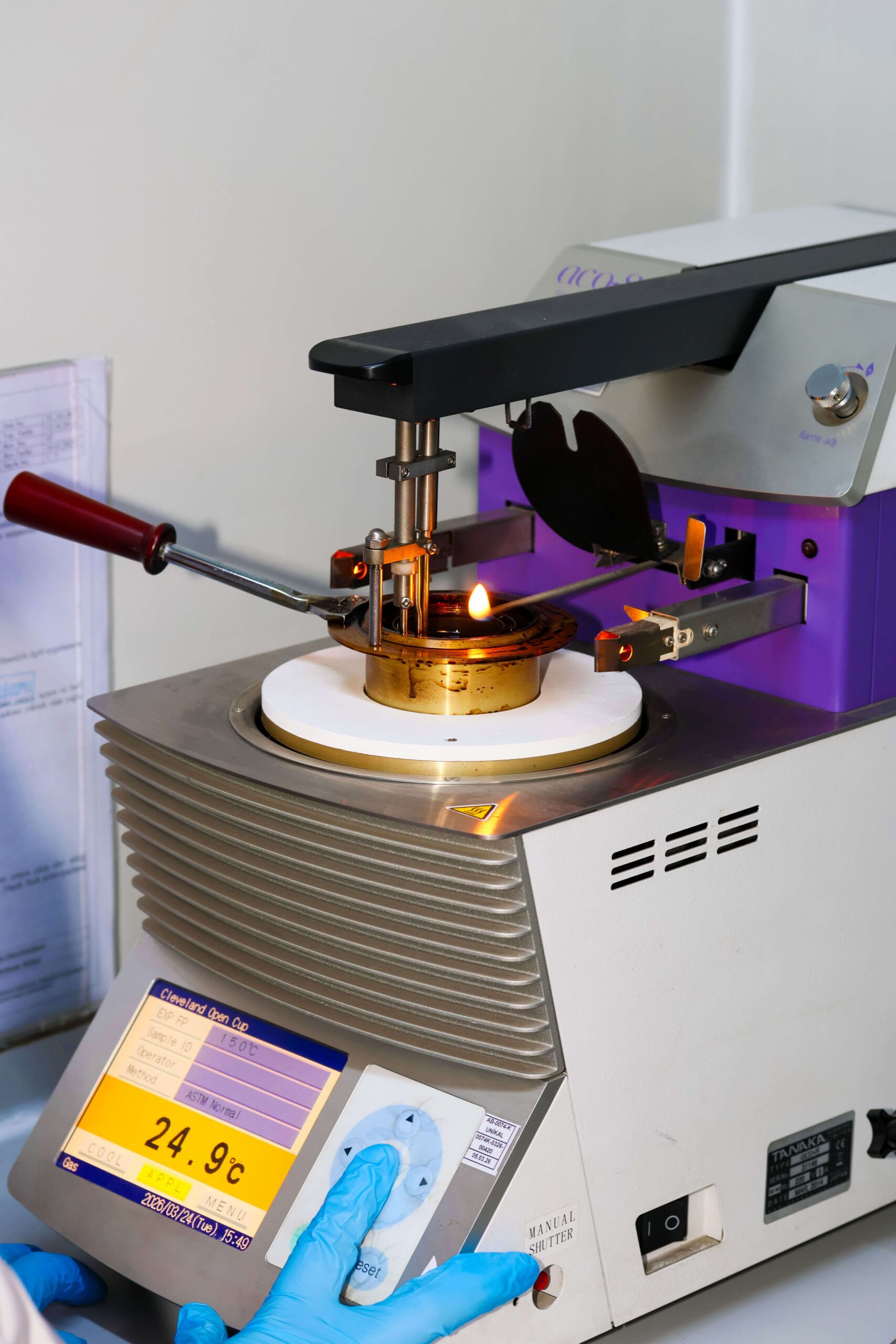
How Do Recycling Facilities Test Metal Grades?

Metal recycling facilities use several tests to identify metals, measure their chemical makeup, and check quality. Common methods include visual inspection, magnet testing, X-ray fluorescence (XRF), optical emission spectroscopy (OES), laser-induced breakdown spectroscopy (LIBS), and lab analysis.

Accurate metal identification helps recyclers sort different alloys, stop mix-ups, and supply manufacturers with suitable secondary raw materials. It matters most when they handle mixed scrap metal with stainless steel, copper, aluminium, brass, and other specific materials.

Even metals that look alike can have very different chemical makeup. Testing helps recycling facilities spot those differences before material moves to the next step in the metal recycling process.

Why Do Recycling Facilities Test Metal Grades?

Recycling facilities test metal grades to confirm the type, makeup, and quality of incoming material. Different alloys contain different amounts of elements, and that changes their strength, durability, corrosion resistance, and use in manufacturing.

For example, stainless steel 304 and 316 can look almost the same. But 316 contains molybdenum, which improves resistance to some kinds of corrosion. Spotting these differences helps prevent unsuitable alloys from being mixed together.

Testing also helps facilities meet market demand for specific metal grades. Manufacturers who buy recycled material need steady chemical makeup to make reliable parts and finished products.

Global demand for recycled metals makes accurate identification even more important. Recycling businesses must keep quality high while recovering valuable materials from industrial waste, construction items, and discarded equipment.

1. Visual Inspection and Initial Metal Identification

Visual inspection is often the first step when scrap metal arrives at a facility. Workers check colour, shape, surface condition, and marks to guess the metal type.

Copper wire often has a reddish-brown look, while aluminium is usually silver-grey. Yellow brass is easy to spot by its golden-yellow colour and is common in brass fittings, valves, and plumbing parts.

Workers may also inspect window frames, steel beams, and cast iron parts to identify the likely material.

However, visual inspection cannot confirm an exact grade. Different alloys can look alike, and paint, coatings, or corrosion may hide the original metal.

For that reason, facilities combine visual checks with specialist testing equipment for more reliable results.

2. Magnetic Testing for Ferrous and Non-Ferrous Metals

Magnet testing is a simple way to separate some metals during recycling.

Ferrous metals contain iron and include many types of steel and cast iron. These materials are usually attracted to standard magnets, so magnetic separation helps recover them from mixed waste streams.

Non-ferrous metals, including aluminium, copper, brass, and zinc, are usually not attracted to standard magnets.

However, magnet testing cannot confirm an exact metal grade. Some stainless-steel grades, especially austenitic types such as 304 and 316, are usually non-magnetic when annealed. Cold working can also make them slightly magnetic.

So magnet testing is mainly for first sorting, not for checking chemical makeup.

  1. X-Ray Fluorescence (XRF) Metal Testing

XRF is one of the most common tools for identifying metal grades in recycling facilities.

A handheld XRF analyser uses X-rays to examine a metal sample’s elemental makeup. When the material is hit by X-rays, its elements give off fluorescent signals. The analyser measures these signals to identify the elements present and estimate their levels.

The results help operators tell different alloys apart without sending every sample to a lab.

For example, XRF can identify stainless steel grades by measuring chromium, nickel, and molybdenum. This is useful when telling stainless steel 304 from 316.

XRF equipment can also analyse copper alloys, aluminium alloys, nickel alloys, and other non-ferrous materials. It gives fast results and lets workers test materials right at the recycling facility.

However, XRF has limits. It does not reliably measure carbon, which is important for some steel grading. Surface dirt, coatings, and poor sample prep can also affect readings.

For this reason, recycling facilities may use extra tests when they need more detailed chemical data.

3. Optical Emission Spectroscopy (OES)

OES is another important method used to find the chemical makeup of metals.

Unlike handheld XRF equipment, OES can measure carbon and other elements that matter for steel grading.

During testing, a technician applies an electrical spark to a prepared metal surface. This excites the atoms in the sample and makes them emit light at specific wavelengths.

The instrument analyses the light to identify the elements present and measure their levels.

OES is especially useful for carbon steel, stainless steel, and other specialist alloys. It can help distinguish between materials with similar chromium and nickel content but different carbon levels.

The results let recycling facilities check whether a material meets the chemical needs of a particular grade.

However, OES usually needs a clean, prepared surface and specialist equipment. It takes more work than a quick handheld XRF check.

4. Laser-Induced Breakdown Spectroscopy (LIBS)

LIBS is another technology used for metal identification and sorting.

It uses a high-energy laser pulse to remove a very small amount of material from the surface. This creates a plasma that gives off light as it cools.

An analyser studies the emitted light to identify the elements in the sample.

LIBS is especially useful for different steel grades and alloys where carbon measurement matters. It can help recycling facilities tell apart certain stainless-steel grades with similar chemical makeup.

The technology can also support automated sorting, helping facilities identify and separate materials more efficiently.

However, surface coatings, dirt, and sample condition can affect the results. Good testing methods are needed to keep accuracy high.

5. Chemical Examination and Laboratory Testing

Some metal samples need more detailed analysis than handheld tools can provide.

In these cases, recycling facilities may send samples to specialist laboratories for chemical composition testing.

Labs can measure individual elements and check whether a material meets the needs of a specific alloy grade. Depending on the material, they may use methods such as inductively coupled plasma optical emission spectroscopy (ICP-OES).

This method analyses a prepared sample and gives detailed information about its elemental makeup.

Laboratory testing is especially useful for high-value alloys, specialist industrial scrap, and materials that need strict quality control.

It can also help explain unexpected results from initial tests.

Although laboratory analysis gives detailed data, it usually takes longer than on-site testing. Facilities often combine fast identification methods with lab checks when needed.

6. Testing Metal Purity and Finding Mix-ups

Identifying the main metal is only one part of the grading process. Recycling facilities must also check for unwanted substances.

These can include other metals, mixed alloys, paint, oil, grease, plastic, rubber, dirt, and surface coatings.

These materials can hurt the quality of recovered metals and make processing harder.

For example, mixing different aluminium alloys can change the chemical makeup of the final material. Likewise, unwanted copper in some steel recycling streams can affect the properties of newly made steel.

Facilities use visual checks, mechanical separation, and chemical testing to find unsuitable materials.

The testing needs depend on the scrap type, its end use, and the buyer’s specs.

How Are Metal Grades Recorded and Verified?

After testing, recycling facilities record the results to keep good material identification and quality control.

Records may include the metal type, alloy grade, chemical makeup, weight, and any residue found. Facilities may also record the equipment used and the results for each batch.

This information helps businesses keep incoming scrap and outgoing recycled materials consistent. It also helps manufacturers check whether recovered metals meet their buying specs.

In the UK, waste sorting must also be considered separately from alloy grading. The Environment Agency requires businesses to sort waste before it is collected, recovered, or disposed of.

Identifying a metal grade does not automatically mean the material has reached end-of-waste status. The right legal rules and quality checks must also be considered.

Statistics: Why Accurate Metal Testing Matters

Metal recycling plays an important role in the UK’s manufacturing and resource recovery sectors.

According to the British Metals Recycling Association (BMRA), the UK metals recycling industry processes around 11.6 million tonnes of ferrous and non-ferrous metals each year. The wider industry is worth about £7 billion, includes around 2,000 businesses, and employs about 15,000 people.

Defra’s UK packaging statistics also show the scale of metal recovery. In 2024, around 682,000 tonnes of metal packaging waste arose in the UK, and 536,000 tonnes were recycled. That was a recycling rate of 78.7%.

Aluminium packaging made up 238,000 tonnes of waste, with 157,000 tonnes recycled. Steel packaging made up 444,000 tonnes, and 379,000 tonnes were recycled.

These figures show why reliable material identification and sorting matter. Accurate testing helps recycling facilities recover suitable materials and supply manufacturers with steady secondary raw materials.

What Happens If Someone Assigns the Wrong Grade to Metal?

Wrong metal identification can cause problems across the recycling supply chain.

If different alloys are mixed together, the final material may not meet the chemical specs needed by manufacturers. This can lower the value of recovered scrap and raise processing costs.

For example, stainless steel with higher molybdenum content may be mixed by mistake with a different stainless-steel grade. This changes the makeup of the blended material and can affect its use in specific manufacturing jobs.

Wrong grading can also lead to rejected deliveries, extra sorting work, and delays.

Accurate testing before processing and dispatch helps recycling facilities cut these risks and keep metal buyers confident.

How Do Recycling Facilities Choose the Right Testing Method?

The testing method depends on the type of metal, the accuracy needed, and the amount of material being processed.

Visual inspection and magnetic testing are useful for first sorting and for separating large amounts of scrap. XRF is good for quick identification of many alloy grades, especially stainless steel and non-ferrous metals.

OES gives more detailed chemical analysis, including carbon measurements, while LIBS can help identify and sort different alloys.

Laboratory testing is the right choice when detailed verification is needed.

In practice, many facilities use several methods. Using different testing tools gives a better view of material makeup than relying on one test alone.

Recycling facilities test metal grades using visual inspections, magnet testing, XRF analysers, OES equipment, LIBS technology, and laboratory analysis.

Each method gives different information about metal identity, chemical makeup, and quality. Using these techniques together helps recyclers tell apart similar alloys, find mix-ups, and keep material standards consistent.

Accurate metal grade testing helps recover valuable materials and allows manufacturers to get reliable recycled metals. It also supports efficient resource use and a stronger circular economy.