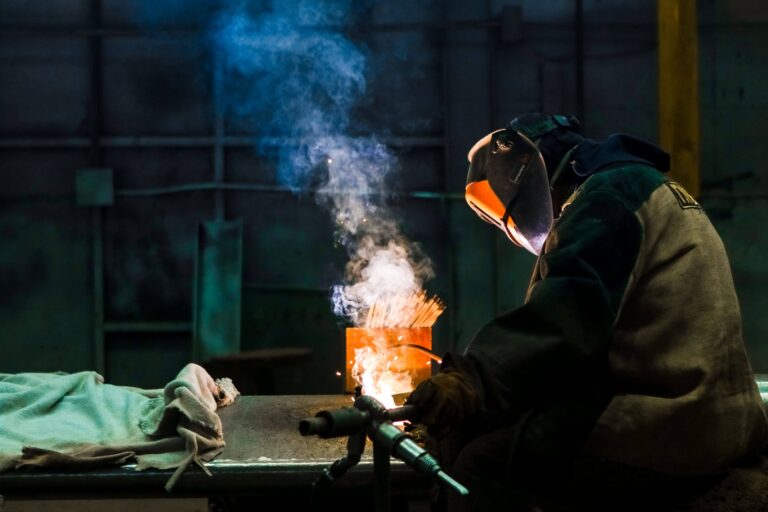
The carbon footprint of metal manufacturing measures the greenhouse gas emissions released during metal production. These emissions come from extracting raw materials, processing metal ores, operating industrial machinery, transporting materials and manufacturing finished products. Understanding these impacts helps manufacturers reduce emissions, improve energy efficiency, and adopt more sustainable production methods.
Metal manufacturing generates emissions through mining, processing, and energy consumption. Recycling metals and improving production efficiency can reduce its environmental impact.
What Does the Carbon Footprint of Metal Manufacturing Include?
The carbon footprint of metal manufacturing covers greenhouse gas emissions released throughout the production process. Carbon dioxide (CO₂) is the main gas associated with industrial energy use, although methane and nitrous oxide also contribute to global warming.
Manufacturing emissions are commonly divided into three categories. Scope 1 covers direct emissions from activities such as burning fuel in industrial furnaces. Scope 2 includes indirect emissions from purchased electricity, heating and cooling. Scope 3 covers other indirect emissions, including mining, transportation, purchased materials and waste management.
Considering all three categories provides a clearer picture of the environmental impact of metal production.
How Much Carbon Does Metal Manufacturing Produce?
The amount of carbon emitted depends on the metal, production method, energy source, and quantity manufactured.
According to the World Steel Association, producing one tonne of steel generated an average of 2.18 tonnes of CO₂ equivalent in 2024, including Scope 1, 2 and 3 emissions. The global steel industry’s total emissions reached approximately 4.1 billion tonnes of CO₂ equivalent that year.
Aluminium manufacturing also has a substantial carbon footprint. The International Aluminium Institute reported that the average cradle-to-gate footprint of primary aluminium was approximately 14.8 tonnes of CO₂ equivalent per tonne in 2023.
These figures show why reducing emissions from metal manufacturing is important. However, production methods and electricity sources can create considerable differences between manufacturers.
What Factors Increase Greenhouse Gas Emissions?
Several activities contribute to the carbon footprint of metal manufacturing.
Extraction of Raw Materials
Mining iron ore, bauxite, copper, and other metal ores requires heavy machinery, transportation, and substantial energy. Diesel-powered equipment and processing facilities release greenhouse gases before manufacturing even begins.
Energy-Intensive Production Processes
Metal manufacturing often requires extremely high temperatures to melt, refine and shape materials. Blast furnaces, industrial ovens and smelting equipment consume considerable amounts of energy.
When facilities depend on coal, oil or natural gas, these processes generate additional carbon emissions. Electricity consumption can also increase the environmental impact when power comes from fossil fuel sources.
Transportation and Supply Chains
Moving raw materials, semi-finished products and finished metals between mines, processing facilities and manufacturing sites creates further emissions.
Long-distance transportation, inefficient logistics and repeated material handling can increase the overall carbon footprint of metal production.
Industrial Waste
Poor material management can result in valuable metals being discarded during cutting, machining, and fabrication. Replacing wasted materials requires additional extraction and manufacturing, creating avoidable emissions.
How Does Metal Recycling Reduce the Carbon Footprint?
Metal recycling is one of the most effective ways to reduce the environmental impact of metal manufacturing. Instead of relying entirely on newly extracted ores, manufacturers can use recovered scrap metal as a secondary raw material.
Recycling generally requires less energy than producing metals from primary sources. According to the International Aluminium Institute, recycling aluminium saves approximately 95% of the energy required for primary aluminium production.
Steel recycling also offers substantial benefits. World Steel Association data for 2024 shows that scrap-based electric arc furnace production generated approximately 0.71 tonnes of CO₂ equivalent per tonne of crude steel. By comparison, the blast furnace-basic oxygen furnace route generated approximately 2.66 tonnes.
These figures demonstrate the potential of secondary metal production to reduce manufacturing emissions.
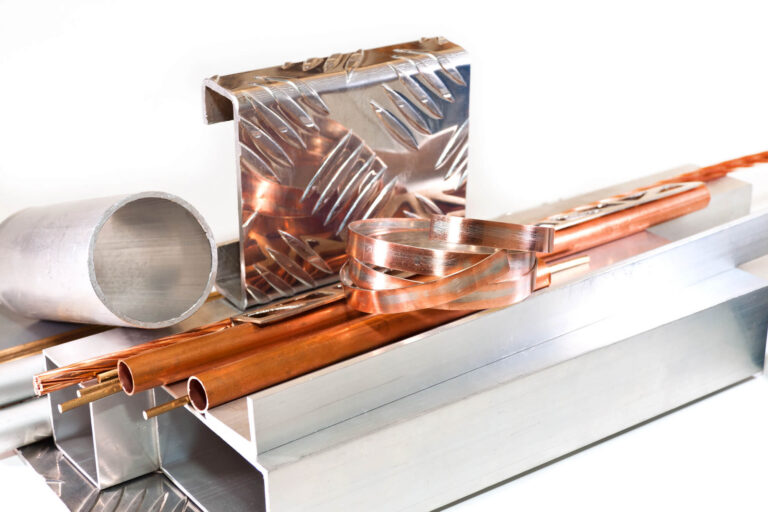
Recycling also helps conserve natural resources, reduce landfill waste and limit the environmental damage associated with mining. Many recyclable metals, including aluminium, steel, copper and brass, can be recovered and processed into new products.
Manufacturers can support these benefits by using established metal recycling services and ensuring suitable scrap materials are recovered rather than discarded.
Ways to Reduce the Carbon Footprint of Metal Manufacturing
Reducing industrial emissions requires improvements throughout the manufacturing process.
Use Recycled Raw Materials
Incorporating recovered steel, aluminium, copper and other metals reduces dependence on primary production. This can lower energy consumption and reduce demand for newly extracted resources.
Switch to Renewable Energy
Solar, wind and other renewable electricity sources can reduce emissions associated with powering manufacturing facilities. Cleaner energy supplies are particularly important for energy-intensive metal processing.
Improve Energy Efficiency
Upgrading furnaces, maintaining industrial equipment, and recovering waste heat can help manufacturers reduce unnecessary energy consumption.
Reduce Material Waste
Better production planning, accurate cutting and efficient fabrication techniques help maximise material use. Recovering manufacturing offcuts also allows valuable metals to return to the recycling supply chain.
Improve Transportation
Optimising delivery routes, consolidating shipments and sourcing materials closer to manufacturing facilities can reduce transport-related emissions.
Monitor Industrial Emissions
Measuring Scope 1, Scope 2 and Scope 3 emissions helps businesses identify major sources of pollution and establish realistic reduction targets.
Why Is Sustainable Metal Manufacturing Important?
Reducing the carbon footprint of metal manufacturing supports wider environmental and industrial sustainability goals. Lower emissions help limit the contribution of manufacturing activities to climate change.
More efficient production can also reduce energy costs, improve resource management, and help businesses prepare for changing environmental regulations and customer expectations.
The UK is making progress in reducing industrial emissions. According to the Office for National Statistics, UK manufacturing emissions fell by 7.4% between 2023 and 2024, decreasing from 70 million to 65 million tonnes of CO₂ equivalent.
The transition towards a circular economy is another important development. Recovering and reusing metals keeps valuable materials in circulation, reduces demand for virgin resources and supports more sustainable manufacturing supply chains.
The carbon footprint of metal manufacturing depends on the materials used, production methods, energy sources and transportation requirements. Although primary metal production can generate significant greenhouse gas emissions, manufacturers have opportunities to reduce their environmental impact.
Using recycled metals, improving energy efficiency, adopting renewable electricity, and reducing industrial waste can all contribute to lower-carbon production. Metal recycling will remain an important part of building a more resource-efficient manufacturing industry.